REVIEW · 7-DAY EXPERIENCES
7-Day: Zion, Bryce, Monument Valley, Arches and Grand Canyon Tour
Book on Viator →Operated by Bindlestiff Tours · Bookable on Viator
If you like big scenery and steady hiking, this tour fits. You’ll move through Utah’s top parks with a small group feel and real Navajo-guided Jeep time in Monument Valley. I also like that the trip is guided in plain English, with commentary that helps you understand what you’re seeing, not just where to walk next.
Two things I especially like: the flexible hiking options (easy-to-strenuous choices each day) and the way the tour uses downtime wisely, so you’re not just rushing between photo stops. And yes, it’s active. The setting is harsh sometimes, so you’ll want to pack smart and stay ready for heat, cold, and wind.
One consideration: the schedule is intense. You’ll cover a lot of ground in 7 days, and the meal situation can feel confusing unless you budget ahead for the required food kitty or supplement at the start.
In This Review
- Key things I think you’ll care about
- The value question: what you actually get for the price
- Meeting in Las Vegas and the small-group rhythm that shapes the week
- Zion National Park: easier trails, or The Narrows if weather allows
- Bryce Canyon: hoodoos from the rim, then a hike you can scale
- Arches and Canyonlands: Delicate Arch plus breathing room to repeat favorites
- Monument Valley: a Navajo Jeep tour that’s more than a scenic detour
- Antelope Canyon and Horseshoe Bend: optional slot canyon, big payoff
- Grand Canyon South Rim: sunset options and a helicopter add-on if you want the aerial view
- Route 66 to the finish: the calm after the canyon sprint
- Meals, the food kitty, and why budgeting avoids stress
- Camping vs lodging: the real difference isn’t comfort, it’s your schedule
- Who this tour is best for (and who should think twice)
- Should you book this 7-day Southwest parks tour?
- FAQ
- Where does the tour meet in Las Vegas?
- How big is the group, and what vehicle do you use?
- Are national park entrance fees included?
- What meals are included, and is there an extra cost?
- Do I need a sleeping bag if I choose camping?
- Is Antelope Canyon or a helicopter ride included?
Key things I think you’ll care about
- Max 14 travelers keeps it human-sized, not cattle-car sized
- Navajo-guided Jeep tour in Monument Valley with cultural context
- Choice of hikes daily, so you can match the effort to your day
- Park entrance fees included for the national parks (Antelope Canyon is the big exception)
- Free tour app commentary in multiple languages, plus live English guiding
- Camping or 3-star+ hotel option, with real logistics for tent setup and sleeping bags
The value question: what you actually get for the price
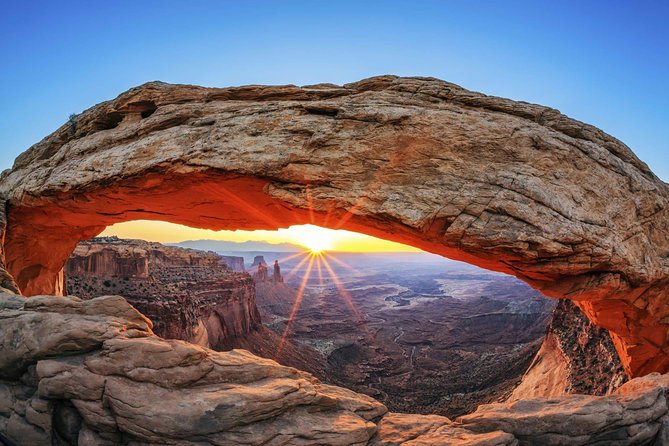
This tour costs $1,675.80 per person, and that number matters. Here’s the honest value math: you’re paying for the hard parts—transport across multiple states, a guide, national park entry fees (with Antelope Canyon extra), and six nights of lodging or camping, plus most breakfasts and scheduled meals.
If you tried to DIY this route, you’d still spend big on car rentals or buses, park reservations (where required), and the time cost of coordinating checkpoints. The tour also reduces decision fatigue: the guide maps the day, times stops, and keeps you moving when roads change or weather turns.
The catch is that you’re not buying a slow vacation. Reviews praise guides like Craig and John for organization and extra context, but the tradeoff is you’ll often do more walking than a typical guided tour. You also need to budget for meals as required by the tour (more on that below).
My practical takeaway: if you want maximum national-park power in one week and you don’t mind sharing the ride, this can be good value. If you want long, quiet afternoons, you may feel rushed.
You can also read our reviews of more tours and experiences in Las Vegas
Meeting in Las Vegas and the small-group rhythm that shapes the week
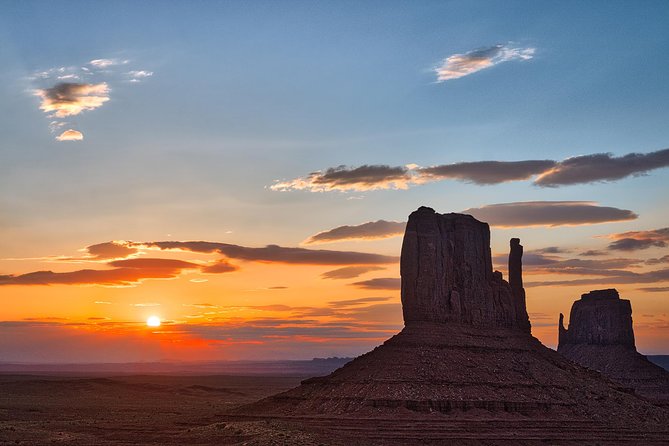
The tour starts at 7:00 am in Las Vegas, meeting at the Palms Hotel and Casino. You’ll travel in an air-conditioned vehicle (SUV or minivan depending on group size). The big benefit of a max group of 14 is that your guide can actually manage the day—people aren’t lost in the shuffle as often.
You’ll also need to think about luggage and movement. Luggage is limited to one piece plus a small carry-on per person, and it can’t exceed 44 lbs (20 kg). That’s not a lot for 7 days if you pack heavy, so plan around layering and hiking essentials rather than bulky clothing.
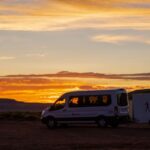
Packing matters here because the Southwest can swing fast. The tour info explicitly calls out warm and cool temperatures, and reviews mention wind in spots like Bryce and Monument Valley. Bring warm socks, a sweater or hooded jacket, and hiking shoes with good grip. Sunscreen and a hat are not optional; you’ll use them.
Zion National Park: easier trails, or The Narrows if weather allows
Day 1 is your Zion hit, and it comes with the most “choose your own adventure” energy of the whole trip.
You get free time to explore Zion at your own pace, with trails that fit different fitness levels. That alone is a big deal on a tour like this. It means you can slow down, take your time, or focus on one viewpoint instead of trying to do everything.
Then you’ll have options:
- The Narrows is iconic, but it’s weather-dependent. It’s also narrow in the literal sense—walking in the Virgin River inside the canyon—and safety rules can change fast.
- Emerald Pools is more mellow. It’s a great way to see Zion’s water features without committing to the Narrows style of hike.
If you’re wondering what to do, here’s a simple approach: if conditions look good and you’re comfortable with water crossings, Narrows is the wow-factor choice. If you want big canyon feelings with less risk, Emerald Pools is a strong pick. Either way, Zion gives you towering walls and red-rock drama early enough in the week that you’ll start the rest of the trip with momentum.
Bryce Canyon: hoodoos from the rim, then a hike you can scale
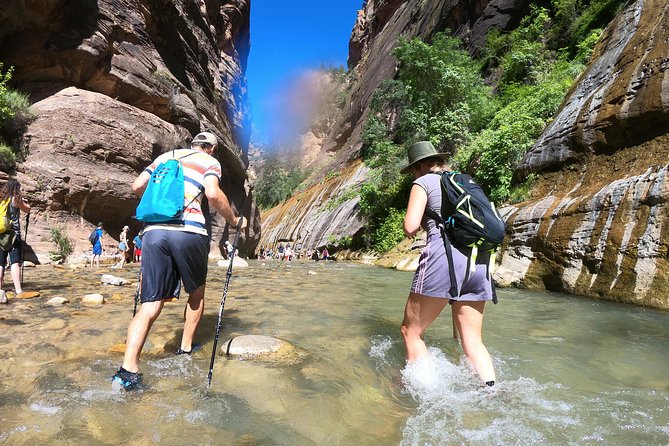
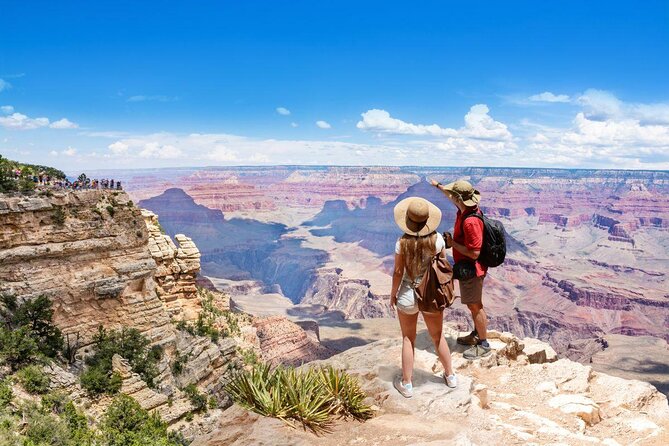
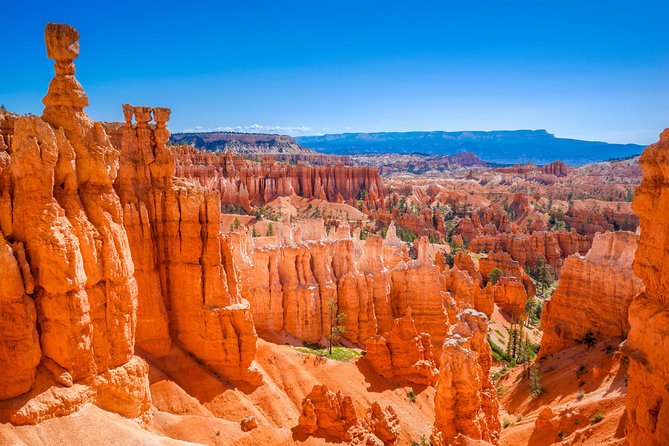
On Day 2 you drive from Zion to Bryce Canyon National Park, where the famous hoodoos rise from an amphitheater below. Bryce hits differently than Zion: less river-carved narrow canyon, more surreal rock spires and rim-to-rim scale.
The tour gives you time for rim views and then a choice: stay up top for panoramic scenes or hike down among the hoodoos for a closer look. That flexibility is valuable because Bryce can be physically tiring. The good news is you can match the effort to your day—especially if you’re saving energy for Arches later.
Practical tip: rim areas can feel exposed. Start early, move with purpose, and don’t underestimate the wind people mention from the region. Bring the layer you think you won’t need. Then wear it.
Arches and Canyonlands: Delicate Arch plus breathing room to repeat favorites
Days 3 and 4 are your Arches + Canyonlands block, and the way the tour splits it matters.
Day 3 includes:
- Arches National Park with time to hike toward Delicate Arch. This freestanding formation is one of the Southwest’s most photographed shapes for a reason.
- Canyonlands National Park after that, near Moab. Here you’ll get broad canyon views shaped by the Colorado and Green Rivers, plus some stories about outlaws connected to the area.
Day 4 is built for repeat time—more Arches and optional time in Canyonlands. That’s a smart move because photos don’t replace walking, and also because some formations feel better when you revisit them after your eyes adjust.
The best way to use Arches time is to pick a small set of targets. If you try to chase every single viewpoint, you’ll feel like you’re running a marathon with a camera. Instead, choose your “musts,” then let your guide suggest options based on weather and your hiking comfort. That’s also where the small-group size pays off.


Monument Valley: a Navajo Jeep tour that’s more than a scenic detour
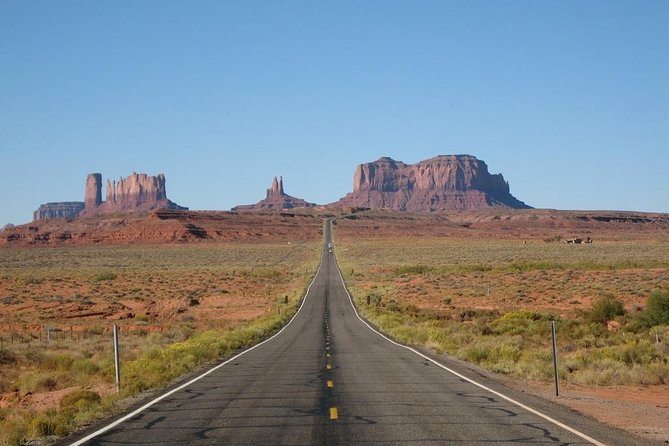
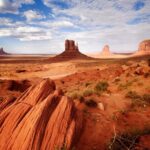
Day 5 brings you to Monument Valley Navajo Tribal Park. This is the Western movie backdrop people picture instantly—tall red rock forms, wide skies, and that slow-motion feeling you get when the horizon is huge.
Then you board a Jeep tour led by a local Navajo guide. This is one of the tour’s strongest experiences because it ties the scenery to people and place, not just geology.
You’ll also get a sense of what the area feels like at night. The tour notes you’ll enjoy views of a star-filled sky away from city glow. If you’re the type who thinks stars are just stars, this part changes your mind. The sky feels like part of the landscape, literally.
Antelope Canyon and Horseshoe Bend: optional slot canyon, big payoff
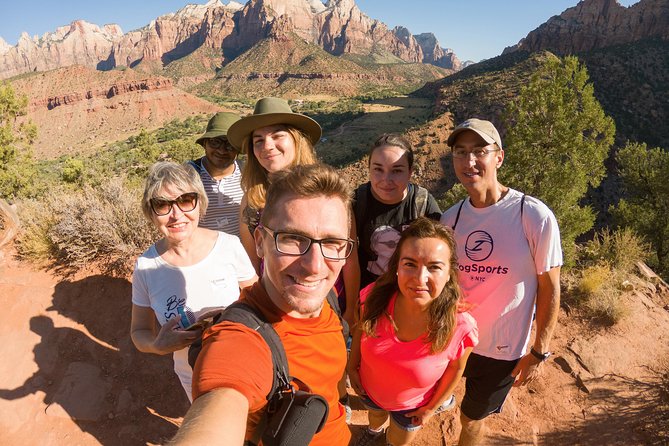
Day 6 is a full visual day. First you stop at a Navajo trading post for a brief visit, then you can add an optional Antelope Canyon tour. Antelope Canyon entrance fees are not included, and that matters for budgeting.
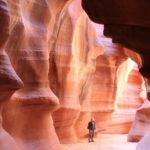
Antelope Canyon is described as the world’s most renowned slot canyon, and that claim is believable once you’re inside the narrow passages. The light effects are the main event, and you’ll want to follow the guide’s pacing so you don’t get left behind or miss the best angles.
After that, you walk to Horseshoe Bend. This is a viewpoint-style stop where the payoff is fast and the photos are easy. If you want one “easy leg, big results” part of the week, this is it.
From there you continue toward the Grand Canyon South Rim, with a scenic pass that includes the Painted Desert area as the Colorado River carves through the region. It’s not just driving; it’s part of the story of how the canyon country formed.
Grand Canyon South Rim: sunset options and a helicopter add-on if you want the aerial view
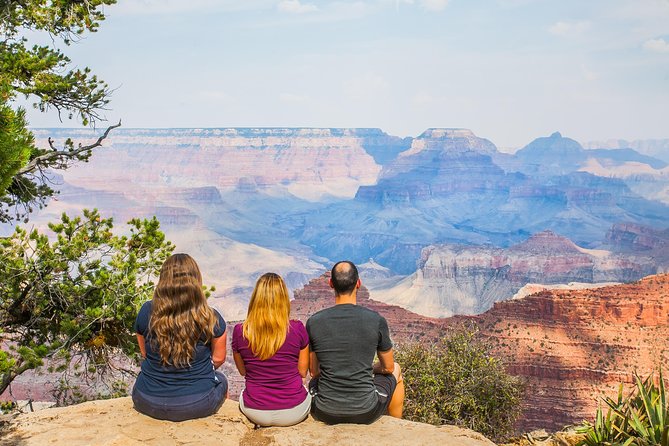
Day 6 and Day 7 focus on the Grand Canyon South Rim, and the tour gives you choices depending on how you feel after a week of hiking.
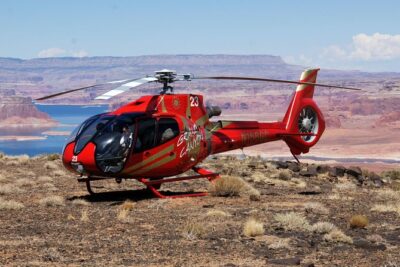
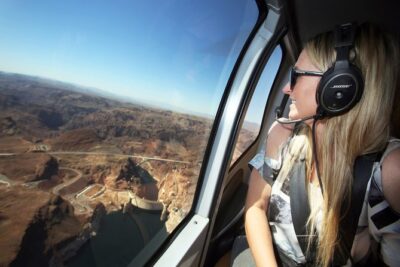
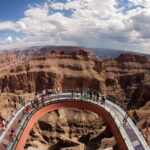
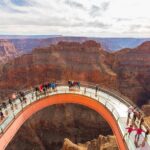
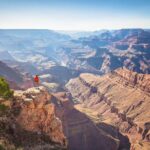
At the South Rim, you can stroll along the rim, hike down into the canyon, or relax with views from a rim-side café. There’s also an optional helicopter sightseeing flight. That’s not included, but it’s a real option if you want a different perspective—ridges, river cuts, and the bigger geometry of the canyon system.
One practical note: because you’ve already hiked a lot by this point, plan your effort. The rim walk alone can be enough if you’re tired. If you do hike deeper, bring the same smart approach you used earlier: pick one route, don’t try to “collect” every viewpoint, and keep water and layers ready.
Route 66 to the finish: the calm after the canyon sprint
On Day 7 you leave the Grand Canyon and head back toward Las Vegas via Route 66. The tour includes a drive along historic Route 66 and gives you time to relax after you return, even enough time to plan a pool break and dinner out.
This final day is like the breather chapter. By then you’ve done Zion, Bryce, Arches, Canyonlands, Monument Valley, and the South Rim. Route 66 is a nice way to end with a bit of Americana without asking you to add another major hike.
Meals, the food kitty, and why budgeting avoids stress
Meals are partly included, and the rest is paid via a required kitty/supplement at the start. The details vary depending on the info you’re looking at, but you should absolutely budget extra.
Here’s what the provided information says:
- There’s a required supplement charge to cover meals per itinerary: USD100 (camping) or USD65 (lodging).
- Another part of the info mentions a local food kitty at departure: $125 if camping or $85 with lodging.
- The FAQ also states meal charges run $80 USD per person for camping and $50 USD per person for lodging, as an additional cost at the beginning.
So what should you do? Confirm the exact amount for your booking and option (camping vs lodging) before you go. Don’t wing it.
Also note how meals are handled:
- Breakfast, lunch, and dinner are provided on most days, tied to that paid meal kitty/supplement.
- Dinners on the camping option are prepared at the campsite and are a communal effort, with participation required.
- Vegetarian meals are available if you request ahead.
From the review pattern, people often like the food but some have said lunch sandwiches can get repetitive late in the week. That’s not a reason to skip, but it is a reason to bring snacks you love and a travel bottle.
Camping vs lodging: the real difference isn’t comfort, it’s your schedule
You get to choose either camping or hotel lodging.
If you camp:
- You’ll have a solo or 2-person tent setup. You set it up yourself with help from the guide.
- Sleeping bags are not provided, so you must bring one (or buy one if needed when the guide stops at a store).
- Campgrounds are described as usually having Wi-Fi, laundry, and hot showers. Some may have hot tubs and pools.
If you choose lodging:
- You’re in 3-star (or higher) quality accommodations.
- Rooms are typically two guests per room, with same-sex sharing or a couple basis. If you’re traveling in odd group sizes, you might end up in triple rooms.
My advice: pick camping if you want the full “under desert stars” vibe and you don’t mind setup work. Pick lodging if you want to recover faster between long days of hiking and driving.
Who this tour is best for (and who should think twice)
This tour suits you if:
- You want national parks concentrated into one week, not months of planning.
- You like hiking with options rather than one single forced route each day.
- You enjoy having a guide manage timing and routing, so you can focus on the walking and views.
- You’ll appreciate the culture angle in Monument Valley via the local Navajo guide.
Think twice if:
- You dislike packed schedules. Even fans of the trip admit it’s a lot in 7 days.
- You’re expecting a relaxed, slow pace with lots of free, unstructured time.
- You want every meal fully included without any kitty or supplement. Budget for it.
One more reality check: even though the tour says most travelers can participate and the hiking can be adjusted, there’s still a fair amount of walking. If you’re unsure, choose the easier hikes early in the week so your legs stay working for the later days.
Should you book this 7-day Southwest parks tour?
Book it if you’re the type who wants to say yes to big views, morning starts, and guided logistics that keep the week moving. The combination of Zion + Bryce + Arches + Canyonlands + Grand Canyon, plus a Navajo-guided Jeep tour, is a rare hit list for one week, and the small-group cap keeps it from turning into chaos.
Skip it (or choose a slower trip) if you want quiet time, minimal hiking, or zero meal surprises. With a busy route and required meal funding at the start, this one rewards travelers who plan ahead.
FAQ
Where does the tour meet in Las Vegas?
The tour meets at the Palms Hotel and Casino. You’re advised to arrive early so you’re at the correct meeting location before departure.
How big is the group, and what vehicle do you use?
The group maximum is 14 travelers. You’ll travel in an air-conditioned SUV or minivan, depending on group size.
Are national park entrance fees included?
Park entrance fees are included for the national parks. Antelope Canyon entrance fees are not included.
What meals are included, and is there an extra cost?
Breakfast, lunch, and dinner are provided on most days, but there is an additional meal charge at the beginning of the trip: $80 USD per person for camping guests and $50 USD per person for lodging guests.
Do I need a sleeping bag if I choose camping?
Yes. Sleeping bag is necessary for the camping option, and it is not provided.
Is Antelope Canyon or a helicopter ride included?
Antelope Canyon is optional, and its entrance fees are not included. A helicopter ride is also not included as an option.