REVIEW · 7-DAY EXPERIENCES
From Vegas to San Francisco: 7-Day National Park Tour
Book on GetYourGuide →Operated by Bindlestiff Tours · Bookable on GetYourGuide
Seven days of parks can feel like a blur.
This Las Vegas to San Francisco route is built to keep the motion fun, not frantic, with guided time in Zion and Yosemite, plus a small-group drive that lands you at the best viewpoints on a tight schedule. I especially like the way the day plans mix short walks with options to hike more if you’re feeling good, and I really value the included Navajo-guided Jeep tour in Monument Valley. The main drawback is simple: you’ll spend a lot of time on the road, and some days can feel time-boxed.
You’re also not just paying for scenery. Park admissions are included, your group rides in an air-conditioned vehicle, and camping basics are handled for the outdoorsy nights. Still, if you’re picky about hotel conditions or meal quantities early in the trip, it pays to go in with realistic expectations and keep flexibility.
In This Review
- Quick hits before you book
- From Vegas to San Francisco: a national-park road trip with real pacing
- Day 1 Zion National Park + Bryce Canyon: sandstone colors and easy trail wins
- Day 2 Lake Powell + Antelope Canyon option + Monument Valley Jeep time
- Day 3 Grand Canyon South Rim: rim walks, Painted Desert scenery, and Vegas return
- Day 4 Death Valley: salt flats, Devil’s Golf Course, and a Gold Rush stop in Bishop
- Day 5 Tioga Pass to Yosemite Valley: scenic drives with a weather switch
- Day 6 Yosemite full day: falls, Half Dome, El Capitan, and choose-your-workout walks
- Day 7 Yosemite to San Francisco: from granite walls to city highlights at Union Square
- Price and logistics: is $1,995 good value?
- Camping gear and what to pack for real comfort
- Who this tour fits best (and who should choose something else)
- Should you book this Vegas to San Francisco national-park tour?
- FAQ
- What parks are included in the 7-day tour?
- How big is the group?
- Is Antelope Canyon included?
- What happens if Tioga Pass is closed?
- Are camping and camping supplies included?
- What meals are included?
- Where do you meet and where does the tour end?
- What should I bring?
Quick hits before you book
- Small group up to 14: easier conversations, quicker check-ins, less chaos than big-coach days.
- Navajo Jeep tour in Monument Valley: a guided off-road experience rather than a drive-by photo stop.
- Death Valley photo-stop style: viewpoints plus short walks at Zabriskie Point, Badwater Basin, and Devil’s Golf Course.
- Tioga Pass to Yosemite only if open: the route shifts to Lake Isabella if weather closes Tioga Pass.
- Camping included with upgrades you’ll use: two-person tent plus foam pad, sleeping bag, hot showers, electricity, and free Wi-Fi at the campground.
- San Francisco finish at Union Square: you end in a walkable, central area rather than the middle of nowhere.
From Vegas to San Francisco: a national-park road trip with real pacing
This is a classic American “big parks, big distances” week. You start near the Palms Casino & Hotel and end with a guided city highlights tour in San Francisco, finishing at Union Square. Between those bookends, you bounce through some of the most famous parks in the Southwest and California, using guided stops to reduce the guesswork.
The trip is designed for people who want to see a lot without planning every turn. You’ll get a guide, you’ll have transportation every day, and most of the key stops are built around viewpoints and manageable walks. Just know the tradeoff: you’ll be in a bus/SUV/minivan for hours, and you’ll feel it most after a full park day.
Also, check how you’ll sleep. Camping is part of the program (with hot showers, free Wi-Fi, and electricity at the campground), but there is at least one included hotel night in Las Vegas for camping guests. Bring your patience for the swap between comfort levels.
You can also read our reviews of more tours and experiences in Las Vegas
Day 1 Zion National Park + Bryce Canyon: sandstone colors and easy trail wins
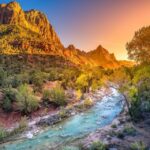
Zion kicks things off with Zion Canyon’s white, pink, and red Navajo sandstone cliffs cut by the Virgin River. The highlight isn’t only the photos—it’s the guided rhythm. You get a stroll at Emerald Pools, plus stops like the Temple of Sinawava and Weeping Rock, then time at the interpretive Human History museum.
This is a good day to find your pace. If you want light walking, you can keep it that way and still see the canyon’s drama. If you want more, the park setting gives you plenty of chances to extend the walk—without needing to be an endurance athlete.
Then you head to Bryce Canyon, where the show is all about hoodoos: those red, orange, and white spires that create the view you’ll recognize from countless postcards. Bryce works well on a schedule because the viewpoints are strong even when you’re moving through.
Day 2 Lake Powell + Antelope Canyon option + Monument Valley Jeep time
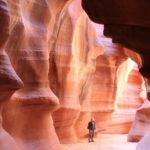
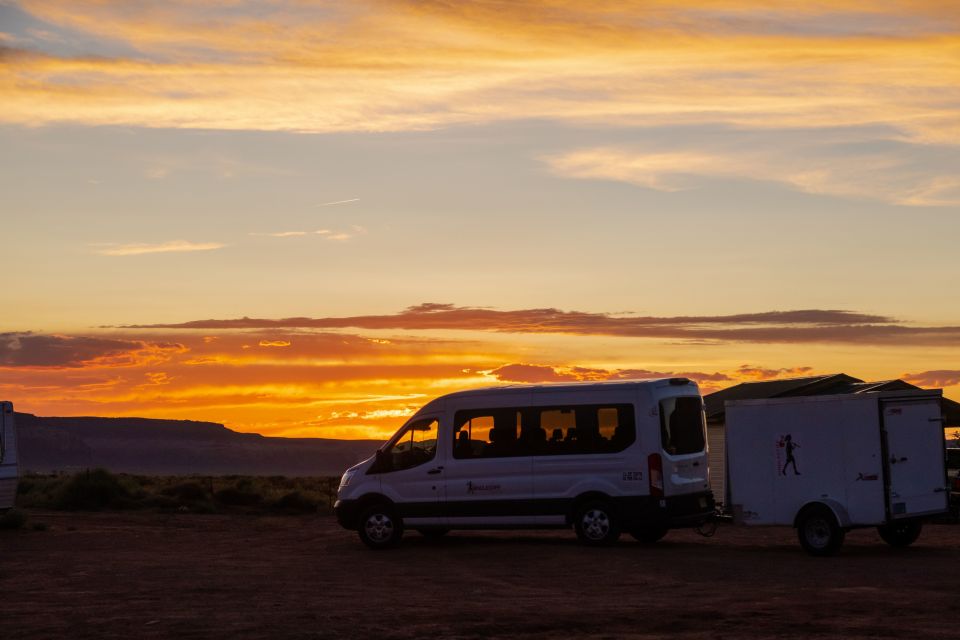
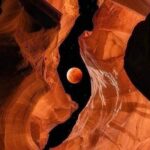
Day 2 is about scenery transitions. You head toward Lake Powell, and there’s an optional stop for Antelope Canyon that can add a different kind of wonder—tight, dramatic rock formations lit from above. It’s optional, so if you’re tired, you can skip it and keep energy for what comes next.
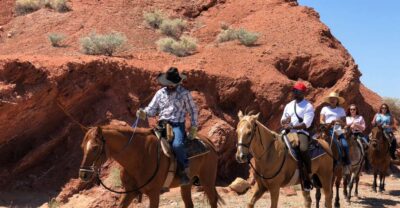
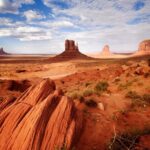
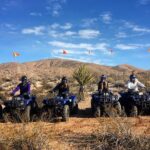
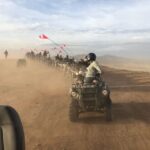
Next comes the drive through Navajo Indian Tribal Land, followed by Monument Valley. The big value here is the included Navajo guided 4×4 Jeep tour. Instead of just standing at a viewpoint, you get guided movement across the terrain so you experience Monument Valley as more than a flat picture.
This is also a day that suits photographers and history-minded travelers alike. The geography does a lot of the storytelling for you, and the Jeep tour format helps you cover ground efficiently without turning it into a sprint.
Day 3 Grand Canyon South Rim: rim walks, Painted Desert scenery, and Vegas return
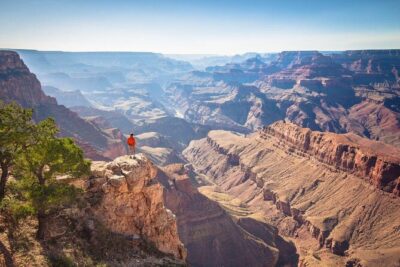
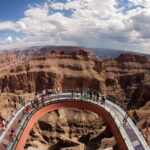
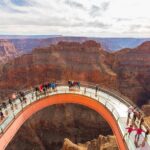
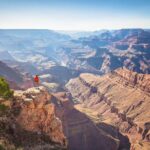
The Grand Canyon day focuses on the South Rim, accessed after scenic driving that includes the Painted Desert. You’ll get time to stroll along the rim, with the option to hike into the canyon or keep it relaxed with long pauses for the view and a break at rim cafes.
The rim-hang strategy works because the canyon changes with the sun. You’ll notice it most when you step away from the crowd clusters and take your time. Still, remember you’re on a packed itinerary. Even with rim time, you’re moving through a schedule, not camping for a week with sunrise hikes.
After the canyon, you head back to Las Vegas. If you’re camping, you stay in a hotel in Las Vegas for that night. That’s a smart structure: you get a break from tents after one of the most physically demanding stops.
Day 4 Death Valley: salt flats, Devil’s Golf Course, and a Gold Rush stop in Bishop
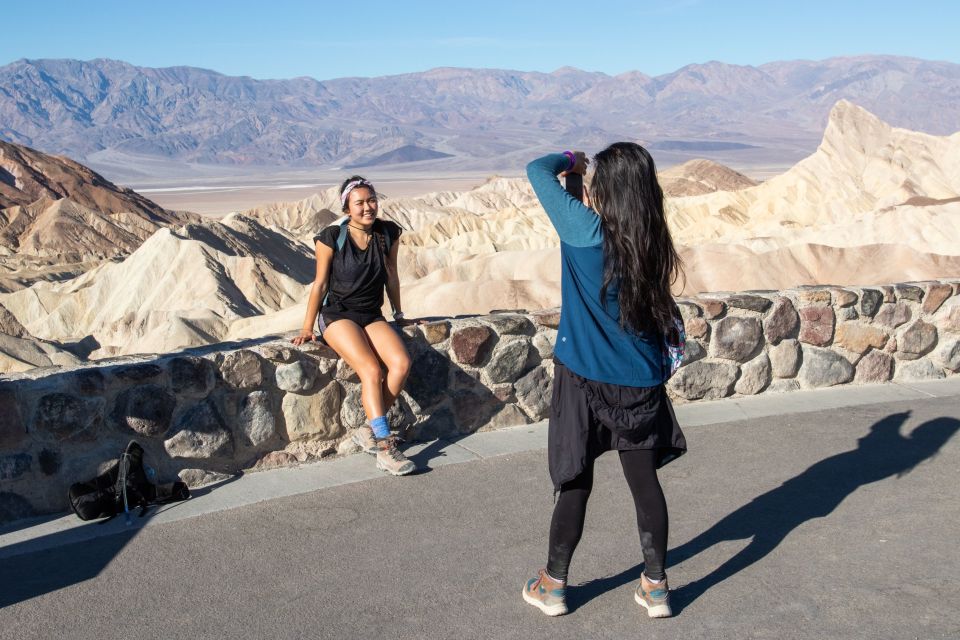
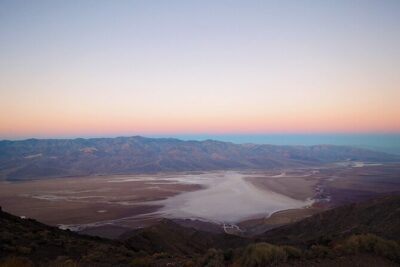
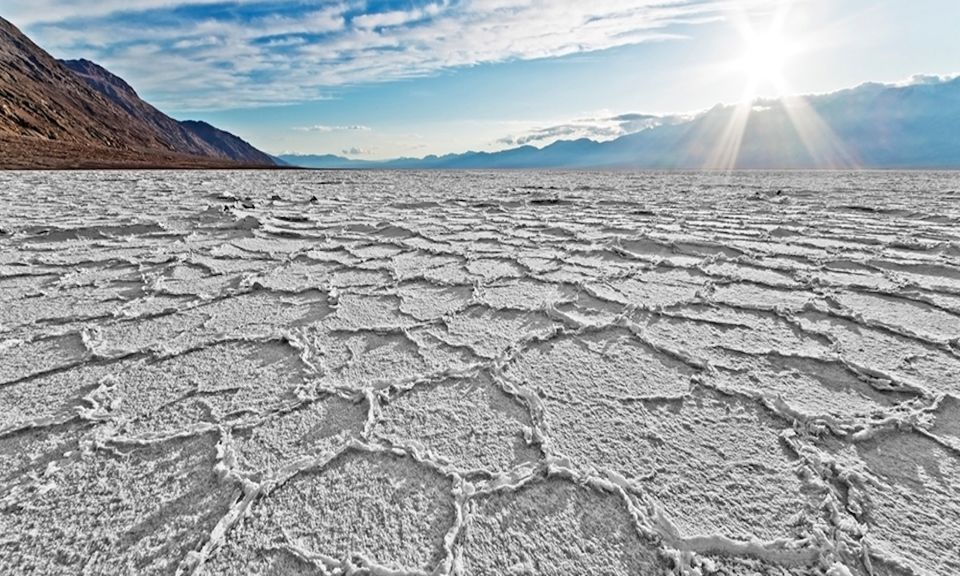
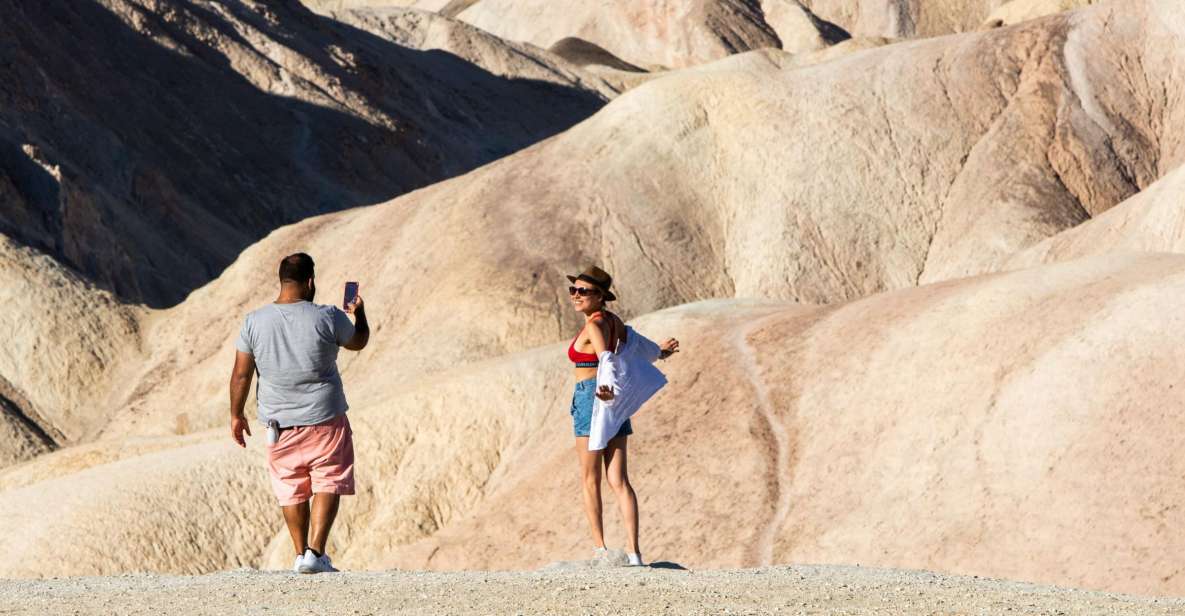
Death Valley is where the tour leans into guided photo stops and short walks rather than long hikes. You’ll hit places like Zabriskie Point, Artist’s Palette, Badwater Basin Salt Flats, Furnace Creek Visitor Center, Devil’s Golf Course, and the Mesquite Sand Dunes.
This kind of itinerary is practical because Death Valley can wear you down fast—sun, heat, and distance add up. Short, guided stop-and-walk segments help you enjoy the scenery without needing to be a trail expert. You’ll also benefit from the guide’s knowledge for how to position yourself for views and photos.
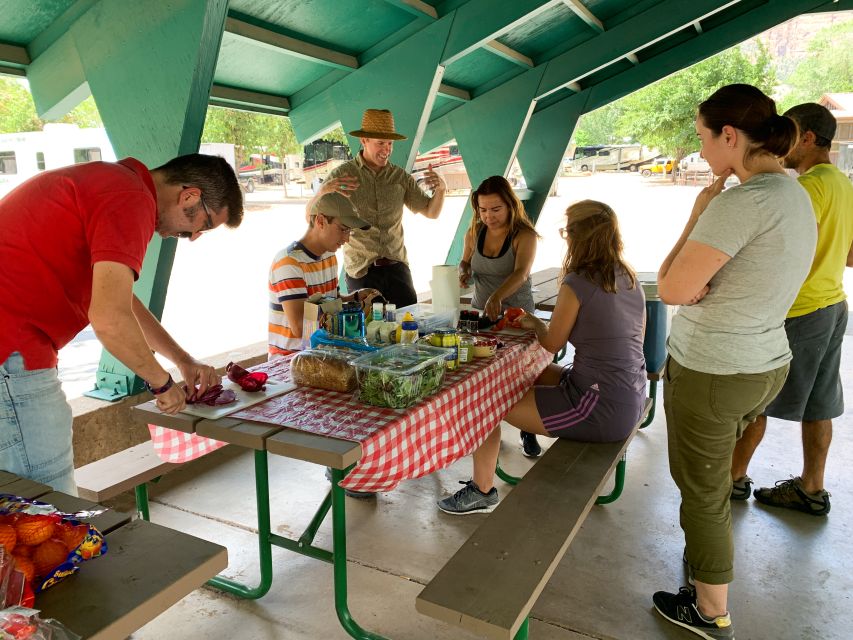
A picnic lunch is included, which matters in a place where restaurant options can be limited. Then you drive to Bishop for the night stop. Bishop is not one of those famous “once-in-a-lifetime” parks, but it’s a useful base for regrouping before Yosemite.

Day 5 Tioga Pass to Yosemite Valley: scenic drives with a weather switch
Morning brings the drive across Tioga Pass to Yosemite. This portion is a big reason to choose a guided tour: you get routed through some of the most scenic stops along the way, including Olmsted Point, Lake Tenaya, Tuolumne Meadows, and Mono Lake en route to Yosemite Valley.
There’s a clear caveat: Tioga Pass is only crossed if weather permits. If it’s closed, the tour reroutes through Lake Isabella instead of Bishop. That’s the kind of contingency you want on a Yosemite itinerary, because this area doesn’t care about your schedule.
This day can feel like a long transit day, but it doesn’t have to feel wasted. The stops are built in, and each one gives you a different “flavor” of California’s high country—meadows, lakes, and wide views that set you up for Yosemite instead of dropping you into it with zero context.
Day 6 Yosemite full day: falls, Half Dome, El Capitan, and choose-your-workout walks
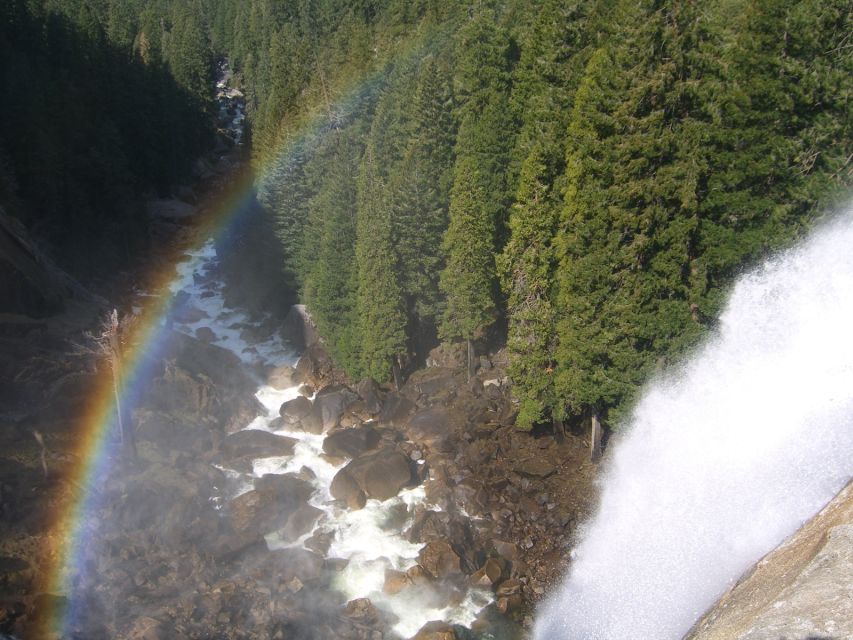
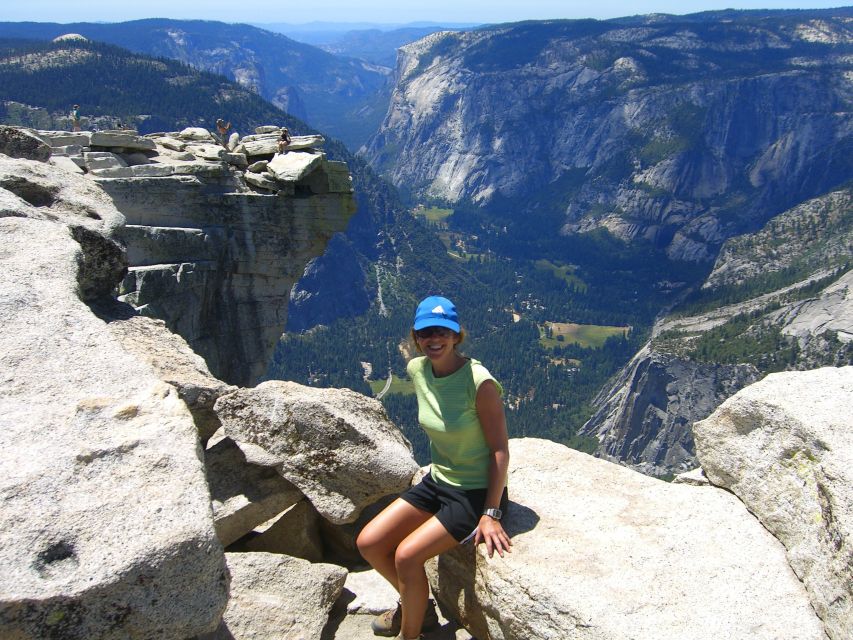
Yosemite is the centerpiece day. You’ll spend the day exploring walks and hikes offered in the park, with options ranging from easy to strenuous. If you want structure, you can opt for a guided tour focused on the premier panoramas, including Bridalveil Falls, Lower Yosemite Falls, and views of Half Dome and El Capitan.
This is where the tour’s “walk options for all abilities” approach shows up in a real way. If you’re not feeling long hikes, you can still get the iconic Yosemite views through shorter routes and good viewpoint timing. If you want more effort, the park gives you plenty of ways to earn those photos.
One thing to keep in mind: full-day Yosemite can still be packed. Expect a lot of movement between stops, and plan to take breaks when you can. Bring your water, wear shoes you trust, and don’t try to “power through” just to keep up—your feet will tell you the truth by midday.
Day 7 Yosemite to San Francisco: from granite walls to city highlights at Union Square
The final day shifts gears. You travel from Yosemite toward San Francisco and finish with a fully guided city highlights tour. The tour ends at Union Square, a smart landing spot because it’s central and easy to build the rest of your trip from.
This is the day to think about your energy. Yosemite days are physical; city days are about walking. You’ll probably want a good breakfast and a light plan for the evening after the tour so you don’t feel like you spent the whole week just moving.
If you’re the kind of traveler who wants one last guided buffer before free time, this layout helps. You get your bearings in San Francisco with a guide, then you can decide what to do next without worrying about transport or route planning.
Price and logistics: is $1,995 good value?
At $1,995 per person for a 7-day tour, you’re paying for guided national-park access plus transportation across multiple states and regions. What makes the value logic work is that park admissions are included, and you’re not arranging entry tickets for every single park yourself.
You also get a guided Monument Valley Jeep experience, a Grand Canyon park tour, a Death Valley guided tour, and Yosemite walks/hikes with guide options. Add in 5 breakfasts and 6 deli-style lunches, plus camping gear and campground amenities, and the price stops looking like “just a bus ride.”
But you should know where value can wobble:
- You’ll be on the road a lot, so this is best for people who enjoy travel days, not people who want every hour in a park.
- Food and lodging quality can vary across nights. Some past bookings reported that early meals felt tighter than expected and that certain hotel Wi-Fi can be unreliable.
- Tipping expectations may feel direct, so keep some cash set aside.
If your goal is efficiency—seeing Zion, Bryce, the Grand Canyon, Death Valley, Yosemite, and San Francisco in one structured week—this price can be reasonable. If your goal is slow travel and lots of downtime, you’ll feel the pinch.
Camping gear and what to pack for real comfort
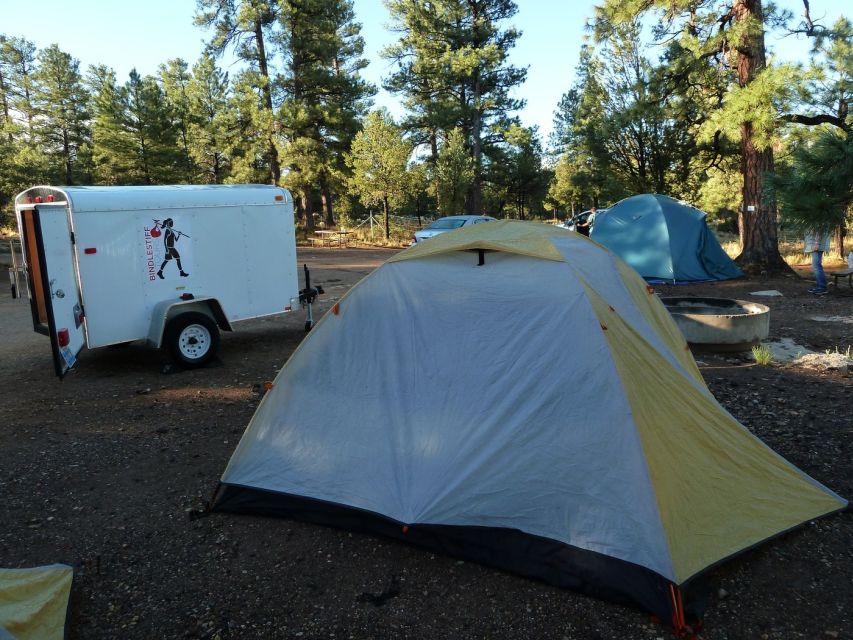
The tour includes camping accommodations with a two-person tent, foam sleeping pad, and sleeping bag, plus campground features like hot showers, free Wi-Fi, and electricity. That’s not glam, but it’s practical. You’ll sleep better knowing you can wash up and charge devices.
Pack like you’re going outside, not like you’re going to a roadside motel. The tour asks you to bring:
- Comfortable shoes for unpaved or uneven terrain
- Warm clothing, rain gear, sunscreen
- A towel, flashlight, and pillow
- A reusable water bottle
- Passport or ID card
Also, this trip isn’t for wheelchairs or people with mobility impairments. It’s meant for travelers who can walk on uneven ground and handle the physical realities of short hikes and viewpoint trails.
Who this tour fits best (and who should choose something else)
This works best if you want a guided “national park greatest hits” week and you’re okay with transit time. The group is kept small—up to 14 people—which helps with organization and keeps questions from getting lost.
It’s a good match for:
- Adults and teens who can handle walking on uneven terrain
- People who like guided stops and photo windows
- Travelers who want camping amenities without having to plan gear rentals
It’s a poor match if you:
- Need wheelchair-friendly access
- Want long solo free time in each park (the schedule is tight by design)
- Are sensitive to variable hotel conditions or meal expectations
Should you book this Vegas to San Francisco national-park tour?
If you want one ticket that covers guided Zion, Bryce, Monument Valley, the South Rim of the Grand Canyon, Death Valley, and Yosemite—then delivers a San Francisco city highlights tour to finish at Union Square—this tour is a strong option. I’d book it if your top priority is maximizing big views with minimal planning.
Hold off if you’re planning this as a slow vacation or if you want guaranteed quiet downtime each day. You’ll be traveling a lot, and you need to be comfortable with a schedule.
Finally, bring your own buffer mindset. Expect long drive days, choose your hike level each day, and you’ll get the best of what this week is built for: guided access to the parks people dream about, without the headache of arranging it all yourself.
FAQ
What parks are included in the 7-day tour?
The tour includes guided experiences in Zion National Park, Bryce Canyon National Park, Monument Valley (with a Navajo guided Jeep tour), Grand Canyon National Park (South Rim), Death Valley National Park, and Yosemite National Park, plus a guided city highlights tour in San Francisco.
How big is the group?
The tour runs with small groups up to 14 travelers.
Is Antelope Canyon included?
Antelope Canyon is optional. If you want it, there is an additional cost paid and booked locally as a guided visit.
What happens if Tioga Pass is closed?
If Tioga Pass is closed due to weather, the tour reroutes through Lake Isabella instead of Bishop.
Are camping and camping supplies included?
Yes. Camping accommodations include a two-person tent, foam sleeping pad, and sleeping bag. The campground also has hot showers, free Wi-Fi, and electricity.
What meals are included?
The tour includes 5 breakfasts and 6 deli-style lunches. Evening meals are not included, and you’re given a meal options budget of about $20-$25 per person per meal.
Where do you meet and where does the tour end?
You meet at the Palms Casino & Hotel area (starting location listed as 4321 W Flamingo Rd) and you end with a guided San Francisco tour finishing at Union Square.
What should I bring?
Bring a passport or ID card, comfortable shoes, warm clothing, a towel, sunscreen, rain gear, a flashlight, a pillow, and a reusable water bottle.