REVIEW · 7-DAY EXPERIENCES
7-Day Yellowstone National Park Rocky Mountain Explorer
Book on GetYourGuide →Operated by Bindlestiff Tours · Bookable on GetYourGuide
Three parks, wild animals, and long views. This 7-day Yellowstone National Park and Rocky Mountains tour strings together Bryce Canyon hikes and the Old Faithful eruption with guided stops for geology, wildlife, and hot-spring time. The tradeoff is real road time, plus a couple nights of camping.
I like that you’re never on your own: there’s an English live guide the whole way, and a free app with commentary in Spanish, Italian, Korean, Chinese, and Japanese. If you want a fast, well-guided route that covers the big icons, this is a strong fit.
In This Review
- Key things that make this trip work
- Entering the Yellowstone-to-Rockies Route from Las Vegas
- Day 1: Cedar Breaks to Bryce Canyon, plus a hot tub and ranger talk
- Day 2: Salt Lake City Mormon Pioneer sights and a comfort reset
- Day 3: Grand Teton Inspiration Point and Jenny Lake wildlife chances
- Days 4 and 5 in Yellowstone: Old Faithful, geysers, loops, and the boiling river
- Day 6: Grizzly Bear and Wolf Discovery Center plus the Rocky Mountains campground night
- Day 7: Valley of Fire State Park sandstone stops on the way back to Las Vegas
- Price and value: what $1,895 buys you, and what you still need to budget
- Guide power, not just driving: what makes the experience feel smooth
- What to pack and how to avoid day-7 fatigue
- Should you book the 7-Day Yellowstone Rocky Mountain Explorer?
- FAQ
- How long is the tour?
- What is the starting location?
- How much does the tour cost?
- What’s included in the price?
- What are the food costs?
- Is the Grizzly Bear and Wolf Discovery Center included?
- Are park entry fees included?
- What languages are available?
- Do I need a passport?
- Who is this tour not suitable for?
- Is there a cancellation window?
Key things that make this trip work
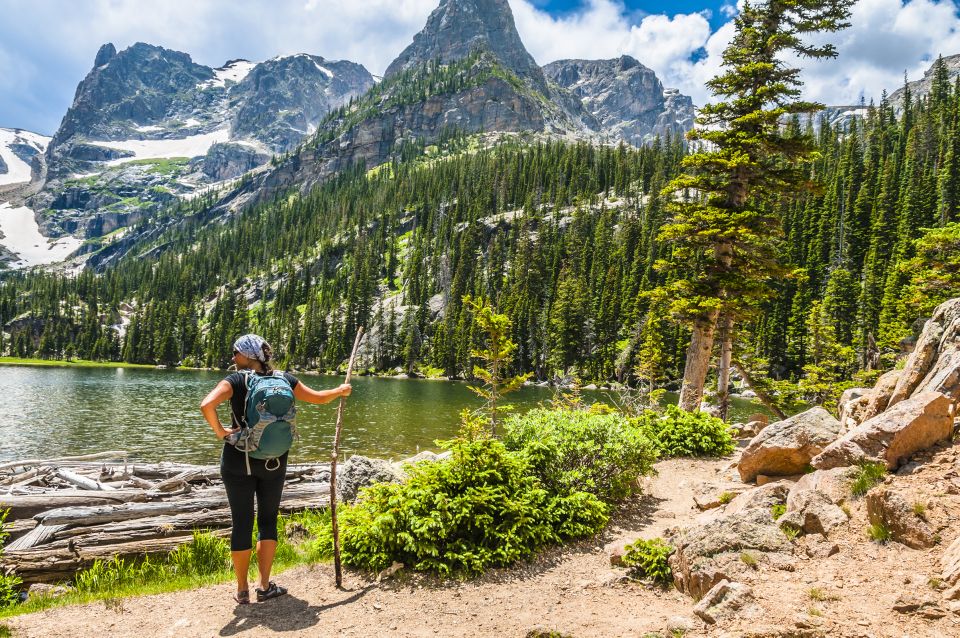
- A tight hit list of national parks from Bryce Canyon to Yellowstone, with Grand Teton as the natural highlight in between
- Wildlife-focused stops where your guide helps you time the day for the best chances to see moose, bears, and wolves
- Yellowstone at two speeds: geyser country visits plus time for a soak and deeper loop exploration
- Cedar Breaks and hoodoos on Day 1 so you start with a dramatic view before the big parks begin
- Camping included, plus one hotel night so you get both outdoors time and a small comfort reset in Salt Lake City
Entering the Yellowstone-to-Rockies Route from Las Vegas
This trip is built around one idea: cover the West’s headline places without needing to piece together every detail yourself. You start in Las Vegas and end in Las Vegas, with a loop that hits Bryce Canyon, Salt Lake City, Grand Teton, Yellowstone, and then returns via Valley of Fire State Park.
The biggest “value” isn’t just the checklist of famous stops. It’s the way the days are organized so you’re not stuck waiting around for your own plan to catch up. With transportation and a private or small-group style, you’ll spend more time where the action is, and less time figuring out parking, timing, and what to look for.
Two practical notes before you get excited: this is a road-heavy week, and it includes camping. If your idea of relaxation is a new hotel every night, you might feel the pinch. If you’re okay swapping creature comforts for star views, ranger talks, and hot tubs under the sky, you’ll probably love the rhythm.
You can also read our reviews of more tours and experiences in Las Vegas
Day 1: Cedar Breaks to Bryce Canyon, plus a hot tub and ranger talk
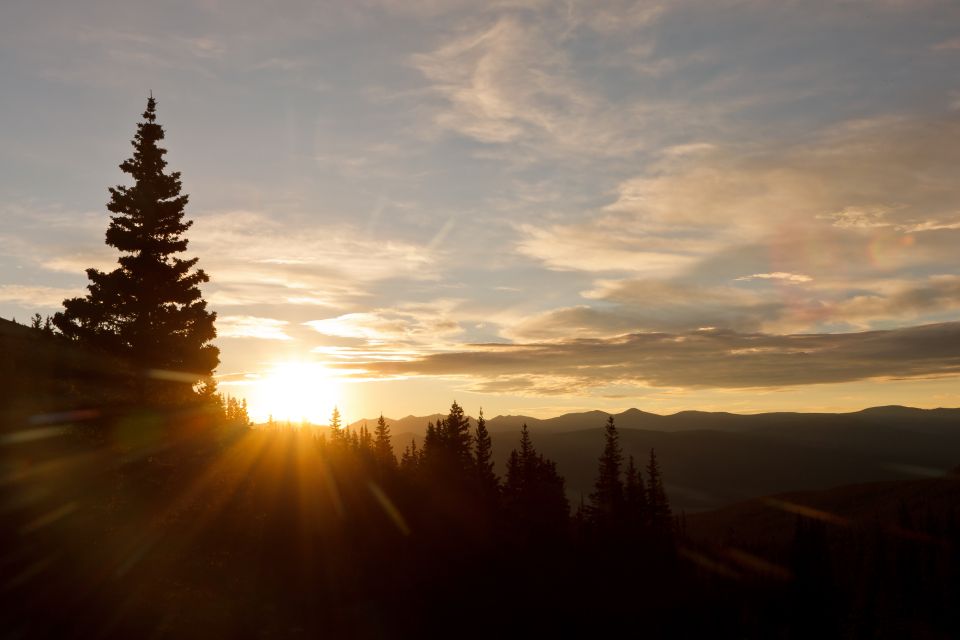
You’ll drive from Las Vegas to Bryce Canyon, stopping at Cedar Breaks along the way. The highlight here is the climb up to about a 10,000 ft summit viewpoint, with wide views over ancient lava flows and the Sevier River Valley below. It’s a good warm-up: you’re not driving into the week blind, and you get big “Western” scenery early.
Once you arrive near Bryce Canyon, the schedule is straightforward and effective. You’ll have a picnic lunch, then choose between a rim stroll around the amphitheater area or a hike that gets you closer to the hoodoos. If you like geology and shapes, you’ll probably enjoy the ranger talk, since the area’s rock formations are the whole point of the park.
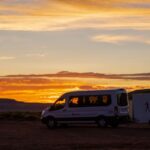
The evening wraps up with camp time: you’ll do a campfire, an all-American BBQ, and a soak in an outdoor hot tub under the stars. That combo matters. It turns a travel day into a real arrival day, instead of just another “get there” slog.
Main consideration: Bryce Canyon can mean steep trails and solid walking, especially if you pick the deeper hoodoo hikes. Bring good footwear and don’t underestimate the uphill/downhill pattern.
Day 2: Salt Lake City Mormon Pioneer sights and a comfort reset
Day 2 shifts you north to Salt Lake City. This day isn’t about hiking. It’s about context and culture: you’ll explore Mormon Pioneer history, visit the Salt Lake Mormon Temple, and see the State Capital Building with founder Brigham Young’s Territorial Governor’s Mansion.
There’s a reason this mix works in a national-park road trip. After long drives and outdoor focus, you get a calmer change of pace. The hotel night also gives you a chance to recharge in a more typical travel setting at Hotel Crystal Inn or similar (twin share).
One small drawback: Salt Lake City is a lot to fit into an afternoon. So if you want to wander slowly for hours on end, you’ll probably feel the clock. But if you’re using this day as a smart cultural break between parks, it’s a very practical choice.
Day 3: Grand Teton Inspiration Point and Jenny Lake wildlife chances
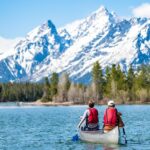
Grand Teton is the day that often feels like you stepped into a nature postcard. The plan includes time around key viewpoints like Inspiration Point and the Jenny Lake area. You can take a walk to the viewpoints or enjoy a scenic stroll near Jenny Lake while looking up at the surrounding peaks.
The wildlife component is the reason this day belongs in the middle of your trip. You’ll have time where moose are possible, and the broader region can bring grizzly bear sightings too (timing and luck apply, but your guide’s job is to help you maximize the odds). Even if you don’t see the biggest animal, the sightlines and lakes are a payoff on their own.
You’ll also camp in the Tetons, which keeps the trip aligned with what you’re paying for: more park time, less hotel-only spending. If you’re comfortable with tent nights, this is a good trade. If you’re not, it’s worth planning for cooler evenings and an earlier bedtime.
Practical tip: plan to be ready for sudden changes in weather around the mountains. Layers are your friend.
Days 4 and 5 in Yellowstone: Old Faithful, geysers, loops, and the boiling river
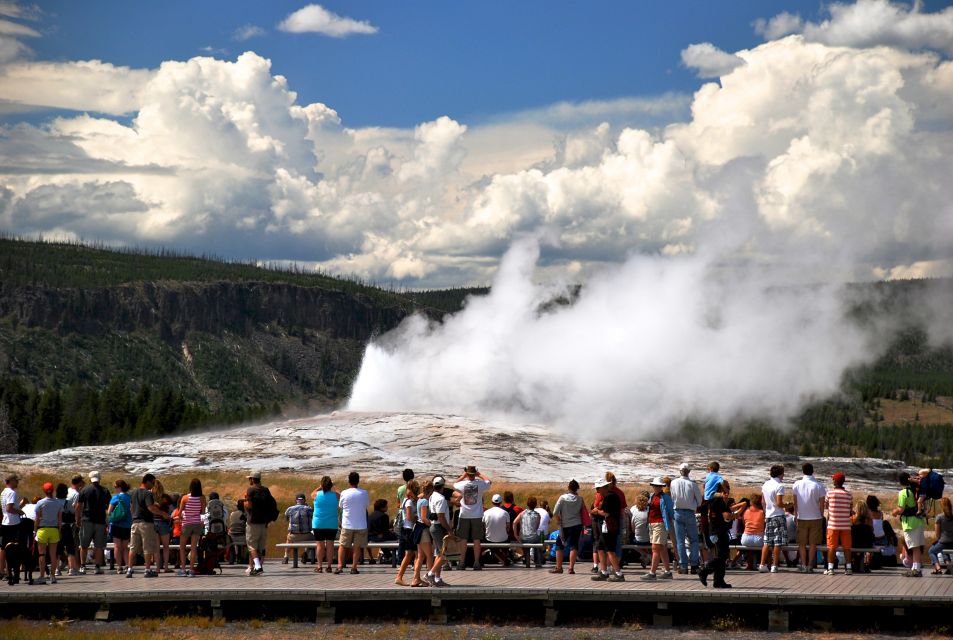
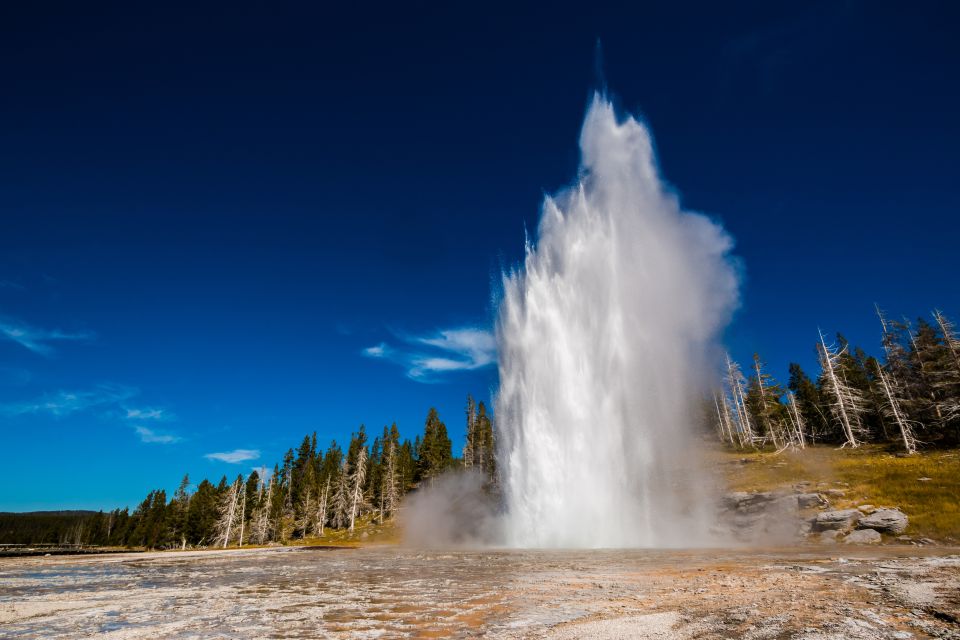
Now for Yellowstone, the main event. This is where the tour earns its reputation as more than a drive-by. Yellowstone is the world’s first national park, and the schedule is built to give you time to see geyser country, major thermal features, and the wider feel of the park.
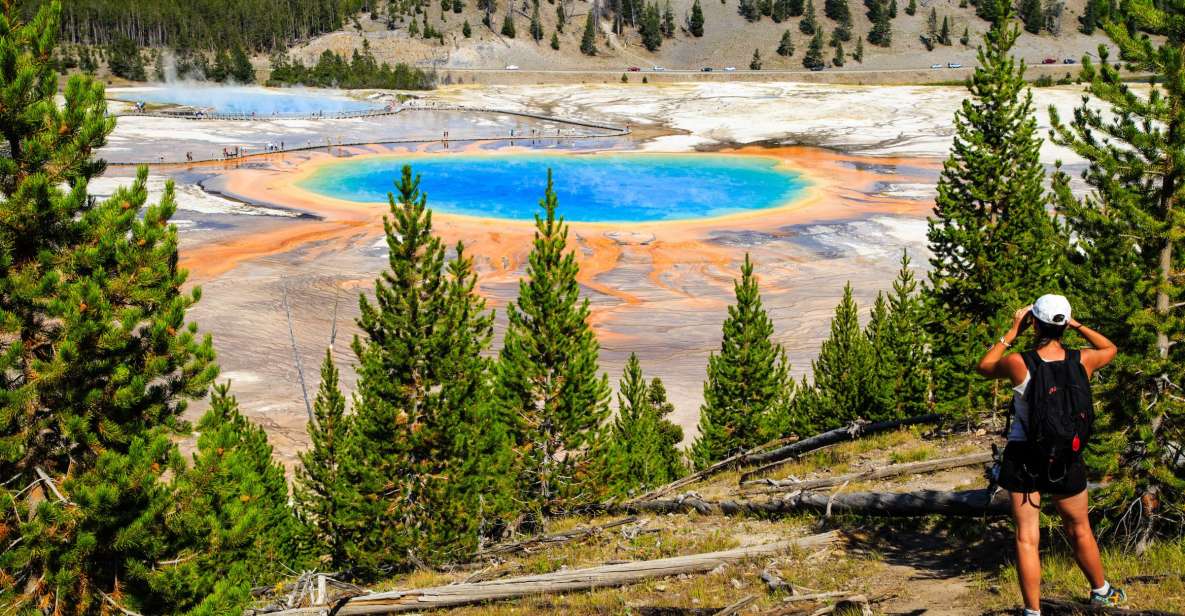
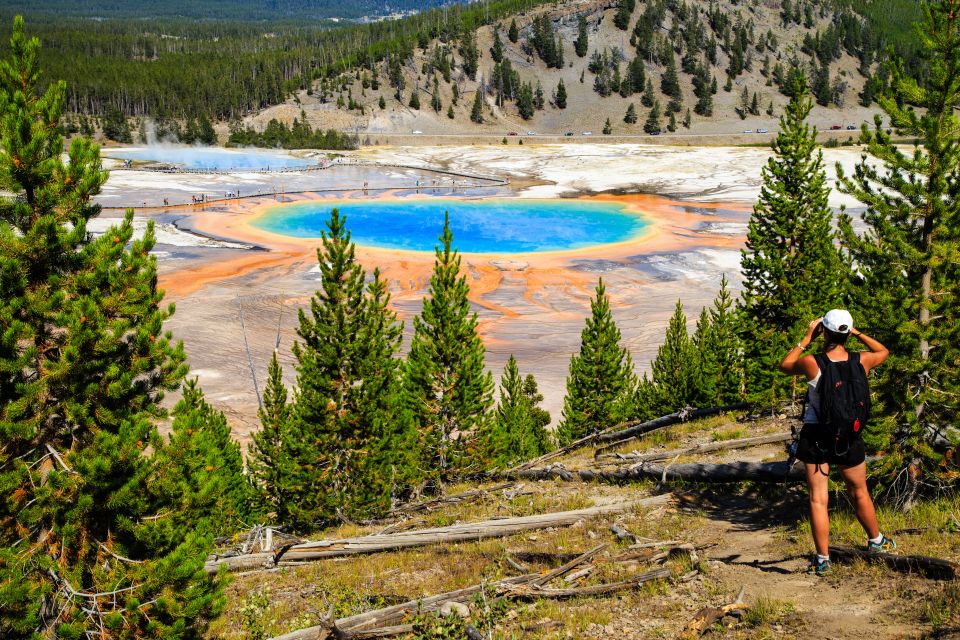
You’ll visit Old Faithful for an eruption experience and stop for big thermal landmarks like the Grand Prismatic Pool. You’ll also spend time at Yellowstone Canyon, and then explore geysers across both the North and South loop areas. That split matters because Yellowstone doesn’t all look the same. You get variation instead of repeating the same kind of view all day.
Then there’s the “fun factor” that separates Yellowstone photos from Yellowstone memories. The highlights include soaking in the boiling river. That’s the kind of experience you don’t recreate at home, and it’s a reason to do the trip with a guide who’s moving you between the right zones at the right times.
Wildlife is a major promise here: Yellowstone is home to grizzly bears, wolves, buffalo, and elk. Your guide can help you time day windows and pay attention to what’s working—so even if you don’t get every animal, you’re moving with purpose.
Two-night camping in Yellowstone is part of the deal. This is where your comfort level matters most. Camping doesn’t automatically mean rough, but it does mean less control over sleep, bathroom logistics, and weather.
Main consideration: Yellowstone days can mean long drives between stops, plus walking around boardwalks and viewpoints. Wear shoes you trust and keep water handy.
Day 6: Grizzly Bear and Wolf Discovery Center plus the Rocky Mountains campground night
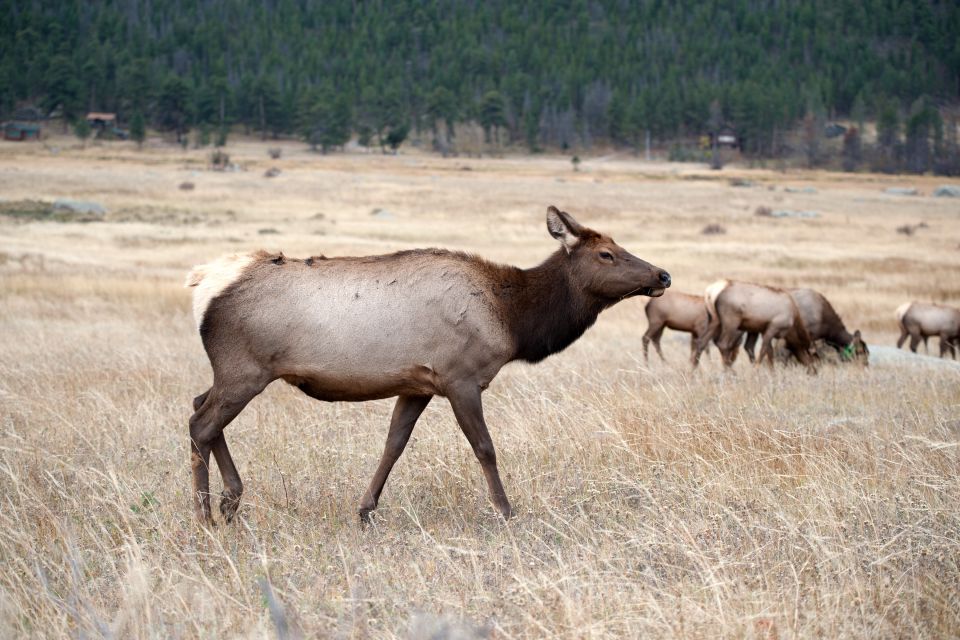
Day 6 is a smart transition. You’ll visit Yellowstone’s Grizzly Bear and Wolf Discovery Center. This is not included in the base cost and is listed at about USD 25 per person, so it’s a good add-on if you want the science behind what you’re seeing (or hoping to see).
After that, you shift into more Rocky Mountain scenery and wrap the day with a final walk and a last-night BBQ blowout. Then you sleep at Rocky Mountain Campground.
This is also the day where you’ll appreciate how the guide handles pacing. After two days in Yellowstone, it’s easy to feel “parked out.” The Rocky Mountains section keeps the scenery changing, and the campground + BBQ format helps you close the trip with energy instead of exhaustion.
Practical note: if you’re aiming to see wolves or bears, this kind of day often calls for patience. You’ll spend time watching, waiting, and scanning. Build in a flexible mindset, not a strict checklist demand.
Day 7: Valley of Fire State Park sandstone stops on the way back to Las Vegas
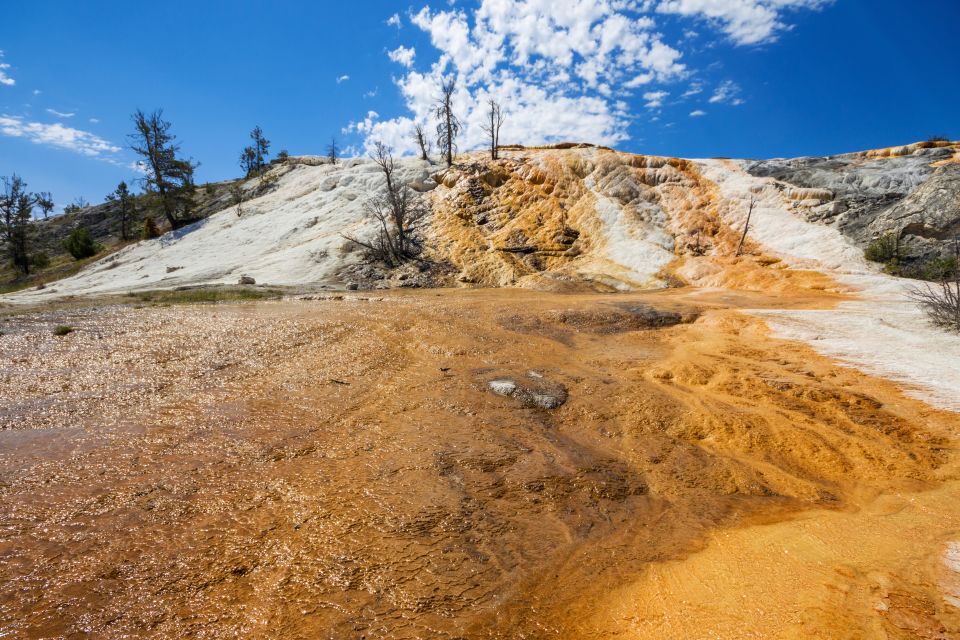
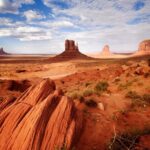
On the last day, you break up the return drive with Valley of Fire State Park. This stop is all about sandstone formations and that classic fiery desert look used in many films. It’s a good finish because it’s visually different from the thermal and alpine scenes of earlier days.
The schedule keeps things relaxed: you’ll explore the formations, then return to Las Vegas in the late afternoon. That timing is thoughtful. It means you can still get a proper meal, a shower that feels like home, and time to enjoy your final night without sprinting through your own itinerary.
Price and value: what $1,895 buys you, and what you still need to budget
The price is $1,895 per person for 7 days, and the value is strongest when you add up what’s included beyond “just transportation.”
Your base cost includes:
- an expert guide throughout, plus transportation
- all park entries
- camping equipment
- live commentary in English
- a free downloadable app with commentary in Spanish, Italian, Korean, Chinese, and Japanese
You’ll still need to budget for two add-ons:
- a local food kitty payment of $200 per person (covers 6 breakfasts, 7 lunches, 6 evening meals plus 1 hotel night in Salt Lake City, twin share; subject to change)
- the Grizzly Bear and Wolf Discovery Center fee (about $25 per person)
If you’re not a US resident, there’s also a note that non-US resident park fees are not included.
So is it worth it? For me, the fair answer is: it’s worth it if you want guided, high-touch coverage of multiple parks in one week. You’re paying for logistics to be handled, plus the guide presence where timing matters—especially around wildlife chances and thermal areas.
If you’re a super-independent traveler who loves researching everything and building a DIY route, you might find cheaper ways. But you’d be trading away the “show me the right places at the right time” structure this tour is built on.
Guide power, not just driving: what makes the experience feel smooth
A lot of road trips live or die by the guide. In this case, the guide experience has been specifically praised, including names like Adriann and Chris. The common theme is clear: they make the long drive feel productive and keep the group focused on what’s likely to pay off.
You also get more than narration. The schedule includes real teaching moments, like a ranger talk in Bryce about geology. That kind of context turns a photo stop into an actual understanding of why the canyon or thermal features look the way they do.
And because this is private or small-group friendly, the guide can adjust the day in ways larger group buses can’t. You’ll typically spend less time waiting for everyone to catch up and more time on the move when opportunities appear.
What to pack and how to avoid day-7 fatigue
Keep it simple. This trip is outdoors, boardwalks, viewpoints, and camping nights. Bring:
- layers for mountain temperature swings
- sturdy walking shoes
- a daypack for water and snacks (even with meals planned, you’ll still want grab-and-go comfort)
- your passport or ID card
One more practical item: the meeting point is at Palms Casino Resort. Exit the main front entrance, turn right, follow the footpath to the east side of the building past the pool. It’s a short walk to the curb, but the tour won’t wait. Arrive early so you’re not racing the clock.
If you’re sensitive to rough sleep on camping nights, plan for it ahead of time. Pack like you’ll be sleeping outside for two stretches: Yellowstone and the Tetons, plus the campground night afterward.
Should you book the 7-Day Yellowstone Rocky Mountain Explorer?
Book it if you want a guided, park-to-park week that hits the big Yellowstone icons, adds Grand Teton and Bryce Canyon without making you plan everything, and gives you wildlife and geology context along the way. The inclusion of transportation, park entries, camping equipment, and a multi-language app makes this feel like a “less stress, more see” kind of deal.
Skip it or rethink it if you strongly dislike camping, dislike road days, or need wheelchair accessibility. It’s also not aimed at kids under 7.
If you’re the type who likes waking up and getting moving again, who’s okay with a bit of waiting for wildlife, and who wants the boiling river and Old Faithful experiences under a real guide’s plan, this one fits.
FAQ
How long is the tour?
It runs for 7 days.
What is the starting location?
You meet as you exit the Palms Casino Resort main front entrance. Turn right and walk along the footpath to the east side of the building past the Palms pool.
How much does the tour cost?
The price is listed as $1,895 per person.
What’s included in the price?
Included are an expert tour guide throughout, transportation, all park entries, camping equipment, and a free downloadable app with commentary. Live commentary is provided in English.
What are the food costs?
There’s a local food kitty payment of $200 per person. It covers 6 breakfasts, 7 lunches, 6 evening meals, plus 1 night in a hotel in Salt Lake City (twin share). Amount and coverage are subject to change.
Is the Grizzly Bear and Wolf Discovery Center included?
No. It’s listed as approximately USD 25 per person.
Are park entry fees included?
Yes, all park entries are included, with the note that additional non US resident park fees are not included.
What languages are available?
Live commentary is in English. The downloadable app includes commentary in Spanish, Italian, Korean, Chinese, and Japanese.
Do I need a passport?
You should bring a passport or an ID card.
Who is this tour not suitable for?
It is not suitable for children under 7 years and wheelchair users.
Is there a cancellation window?
Yes. Free cancellation is available up to 56 days in advance for a full refund.