REVIEW · 7-DAY EXPERIENCES
7 Day Western National Parks Tour, Las Vegas to San Francisco via Grand Canyon
Book on Viator →Operated by Bindlestiff Tours · Bookable on Viator
Zion to Yosemite in one week sounds like a lot. I love how this tour stitches iconic parks together with smart pacing and expert narration. You get a small-group feel (max 14), so you’re not lost in a crowd. One thing to think about: the days are full, and some park walking can feel strenuous if you’re a slower mover.
What I also like is the value mix of included park time plus guided stops. Death Valley gets a guided tour, Monument Valley is a 4×4 Navajo-guided ride, and San Francisco ends with a city tour. A possible drawback is that included lunches can vary in quality, and optional upgrades (like Antelope Canyon and a Grand Canyon helicopter) can add cost fast if you say yes to everything.
In This Review
- Key points to know before you go
- From Palms Casino to City by the Bay
- Why the small-group style matters in national parks
- Zion and Bryce: big color, manageable days
- Antelope Canyon and Monument Valley: the Southwest hits differently at night
- Grand Canyon South Rim: rim time now, helicopter if you want the wow
- Death Valley to Bishop and Tioga Pass toward Yosemite
- Yosemite day: choose your effort level, keep your eyes open
- San Francisco finish: a guided city tour with classic stops
- Price and what you actually get for $1,995
- Lodging, camping, and the comfort reality check
- Who should book this Las Vegas to San Francisco parks tour
- Should you book it?
- FAQ
- Where does the 7 Day Western National Parks Tour start, and when?
- What is the end point, and is this tour one-way?
- How many people are in the group?
- What language is provided during the tour?
- Are national park entry fees included?
- What meals are included?
- Are Antelope Canyon and the Grand Canyon helicopter included?
- What lodging or camping options are available?
- How far in advance can I cancel for a full refund?
Key points to know before you go
- Las Vegas to San Francisco, one-way route with no need to backtrack
- Max 14 travelers keeps the experience more personal on long driving days
- Top parks in a tight week: Zion, Bryce, Antelope Canyon (optional), Monument Valley, Grand Canyon, Death Valley, Yosemite
- Guides you can trust: groups have praised named guides like Treviso, Chris, Jill, Cindy, and Joe
- Good practical support with a downloadable app and live English commentary
- Be ready for walking: you’ll have free time, but you still need solid shoes and stamina
From Palms Casino to City by the Bay
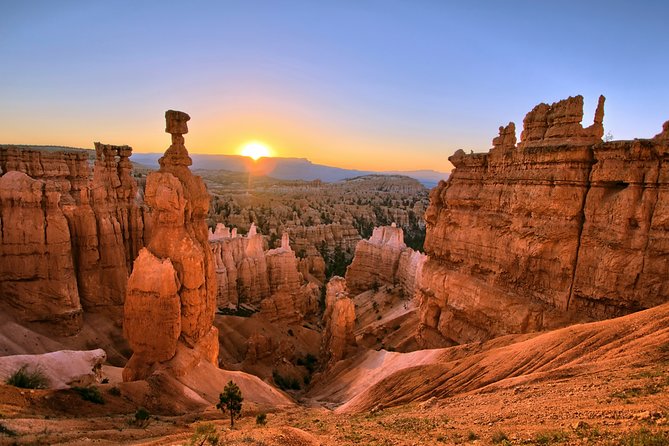
This is a true west-to-coast road trip: you start at the Palms Casino Resort in Las Vegas, then you finish in San Francisco at the Union Square Marriott. The start time is early (7:15 am), which is a blessing in national parks—cooler temps and fewer crowds usually mean better photos and an easier first day.
You’ll travel in an air-conditioned SUV or minivan depending on group size. The small headcount matters here. With a max of 14, you’re more likely to hear the guide clearly, get questions answered, and actually notice the views instead of constantly adjusting to the movement of a bigger bus crowd.
This is also not a round-trip. If you want to keep your vacation flexible, plan your travel days around the one-way nature of the tour. Think: fly into Las Vegas, then plan your departure from San Francisco.
You can also read our reviews of more tours and experiences in Las Vegas
Why the small-group style matters in national parks
A lot of national park days are really about timing. You’re trying to hit rim views, trailheads, scenic pullouts, and key viewpoints before heat and crowds squeeze the day. That’s where a small-group setup helps. In a group of this size, it’s easier for the guide to slow down for the people who want to take photos, and it’s easier to move quickly when you need to reach the next stop.
You’ll also notice the guide approach. People have specifically praised guide names across multiple departures, including Treviso and Chris, plus Jill, Joe, and Cindy. The common theme is storytelling and practical context—how to look at what you’re seeing, not just where to stand.
One more practical perk: there’s a free downloadable app with commentary in French, German, Spanish, and Italian, while the live narration is in English. Even if you only plan to listen in English, having extra commentary on your phone can help you follow along when you’re bouncing between stops.
Zion and Bryce: big color, manageable days
Day 1 is a visual knockout, but it’s structured so you can choose your level. Zion National Park comes with that classic canyon drama—tall Navajo sandstone cliffs cut by the Virgin River. You’ll hear about the history of the landform as you look across the canyon and then head into key areas.
What I like about the way Zion is handled is that you get a blend of viewpoints and shorter walks. If you’re up for it, you can wander the Emerald Pools trail area and visit spots like Temple of Sinawava and the Great White Throne viewpoint. If you want a lighter approach, you can still get a lot out of the rim-adjacent stops and the interpretive moments.
Then Bryce Canyon switches the scene in a very satisfying way. Instead of broad canyon walls, you’re looking for hoodoos—those strange, sculpted spires made by erosion. Bryce is also famous for being scenically diverse, and in a week-long parks trip, that kind of contrast keeps the trip from feeling repetitive.
My advice: wear shoes you can trust. Even when hikes are shorter, sandstone can be slick in spots, and Zion and Bryce both reward careful footwork more than speed.
Antelope Canyon and Monument Valley: the Southwest hits differently at night
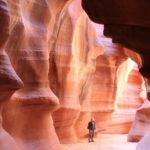
Day 2 starts with Lake Powell country and moves toward Antelope Canyon, but Antelope Canyon is optional. If you add it, you’re buying into one of the Southwest’s most iconic light-and-rock experiences. The canyon is tied to Navajo heritage, and it’s known for the angles and color you get when light hits the rock layers. The tour length listed here is about two hours, so it fits well into a big day.
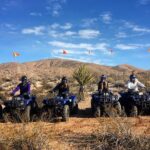
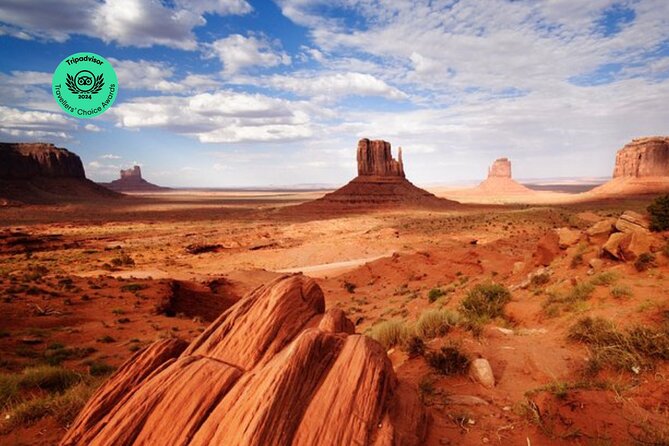
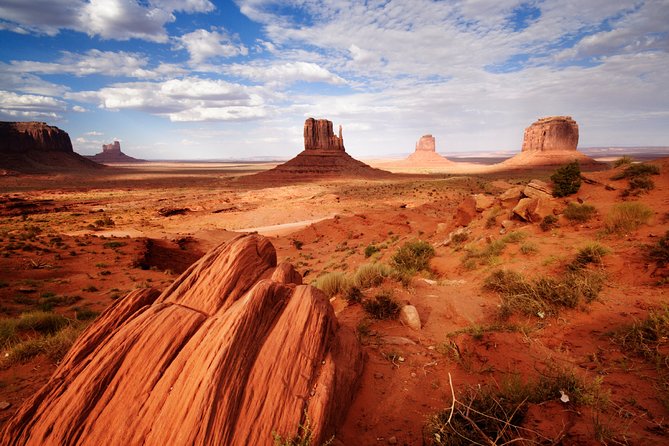
The next big shift is Monument Valley. This is where the tour becomes pure “pause and stare” time. You hop into a 4×4 jeep, then you get an included Navajo-guided tour. That guide element matters because it changes what you notice—people tend to look past details when they’re rushing, but a local explanation helps you see why certain views are the big deals.
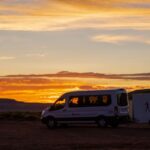
Then you camp right along the rim. Camping is part of this tour’s charm, and it’s a strong reason to choose this itinerary style instead of a quick-flight-and-hotel alternative. You’ll have the chance for a front-row sunset and sunrise, plus the starry skies that only really work when the light pollution drops.
Possible drawback: if camping isn’t your thing, you’ll still be spending a lot of time moving day to day. Consider choosing the lodging option if you want more predictable comfort.
Grand Canyon South Rim: rim time now, helicopter if you want the wow
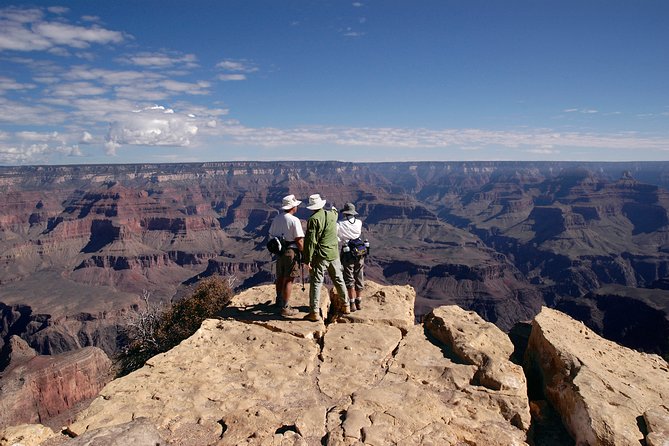
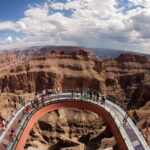
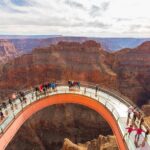
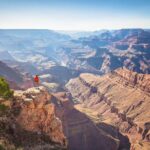
Grand Canyon South Rim is the flagship stop on Day 3. You’ll travel through the Painted Desert area and follow the Colorado River corridor toward one of the seven natural wonders of the world. This is one of those places where the views are the point, and the tour gives you multiple ways to enjoy them.
You get a traditional Navajo trading post stop, then you spend time at the South Rim with a mix of options: a stroll along the rim, time to relax at rim cafes, and time for hiking if you’re feeling ambitious. The amount of time scheduled here is about three hours, which means you should arrive ready to choose quickly—don’t spend the whole slot deciding.
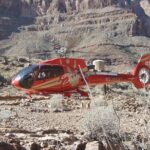
There’s also an optional helicopter ride. That upgrade can add real cost, but it’s also the most direct way to see the canyon’s scale from above. If you’re the kind of person who likes the “before and after” view—ground first, then aerial—this is the one to consider.
My tip: bring layers. Even in warm months, rim wind can make it feel cooler than you expect, and you’ll likely stop often enough to feel it.


Death Valley to Bishop and Tioga Pass toward Yosemite
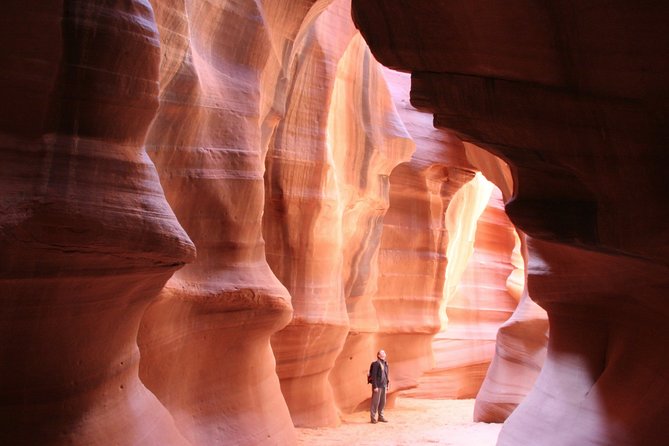
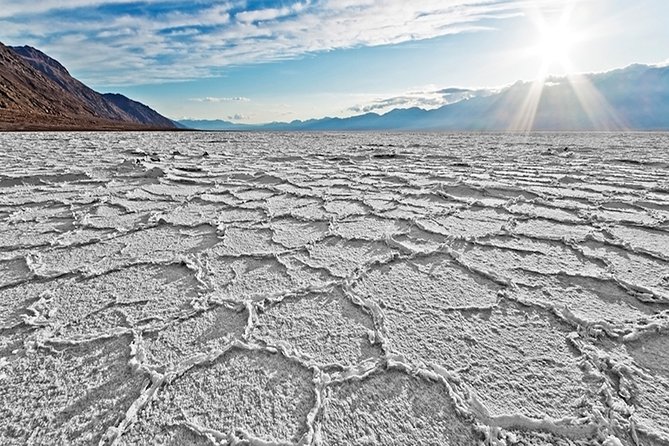
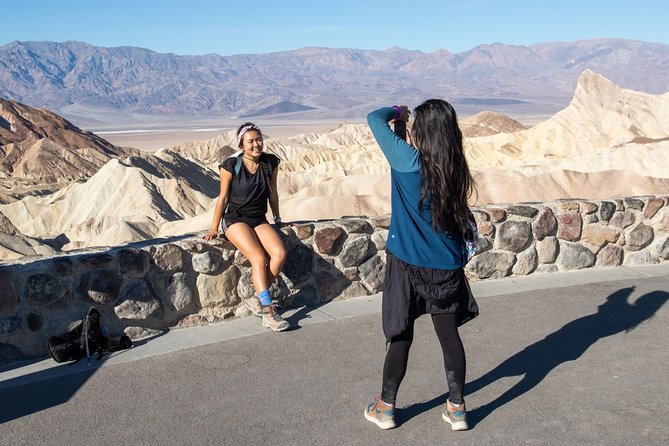
Day 4 is a long, dramatic day. You drive into California and get a guided tour of Death Valley National Park. This part is packed with photo stops and short walks at places like Zabriskie Point, Artist’s Palette, Badwater Basin Salt Flats, Furnace Creek Visitor Center, Devil’s Golf Course, and Mesquite Sand Dunes. It’s not a “walk for miles” kind of day, but it is a “look at extremes” day—color, salt flats, and weird desert formations that don’t feel real until you see them.
You also get a picnic lunch, then you drive on to Bishop for your night stop. Bishop is a smart base for the Yosemite approach because it helps you transition from desert heat to mountain country.
Day 5 is all about the Tioga Pass route. Crossing it is described as extremely scenic, and you’ll pass by key sights like Olmsted Point, Lake Tenaya, Tuolumne Meadows, and Mono Lake en route to Yosemite Valley. You also get time at the Valley Visitor Center for exhibits and a mini tour, so you go into the next day with a better sense of the park’s geography.
There’s one real contingency here: if Tioga Pass is closed due to weather, the route shifts to Lake Isabella for the nights stay in Bishop instead. That’s a practical detail you’ll be glad exists, because it means the tour has a plan when road conditions change.
Yosemite day: choose your effort level, keep your eyes open
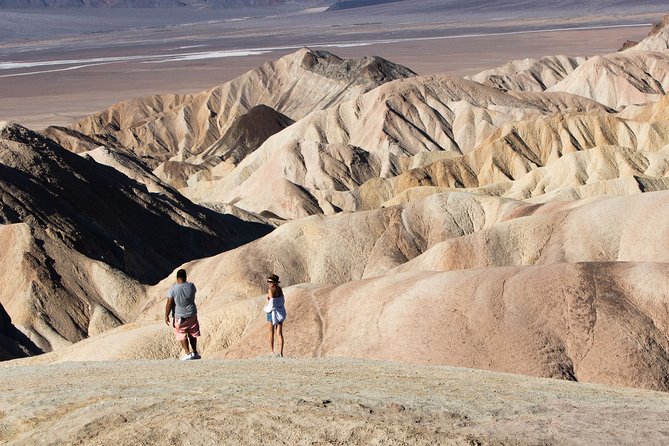
Yosemite on Day 6 is your full day in the park. You’ll have walks ranging from easier options to more strenuous routes. The tour approach gives you flexibility: you can follow a guided tour with an expert guide to premier panoramas and key waterfalls, or you can select free time for relaxing or cycling along the Merced River.
Names you can expect to hear and see include Bridalveil Falls, Lower Yosemite Falls, and viewpoints for Half Dome and El Capitan. Even if you don’t hike far, simply getting into Yosemite Valley can make the day feel like a highlight, because the rock faces are enormous and the park is built for sightlines.
The only caution I’d give is pace. The tour is packed overall, and one of the softer spots in feedback is that some walks can be strenuous for seniors if they aren’t expecting it. The FAQ says the tour can be adjusted to your abilities, but the reality is you still need a reasonable level of walking comfort. Come prepared with sturdy shoes and a plan for rest breaks.
San Francisco finish: a guided city tour with classic stops
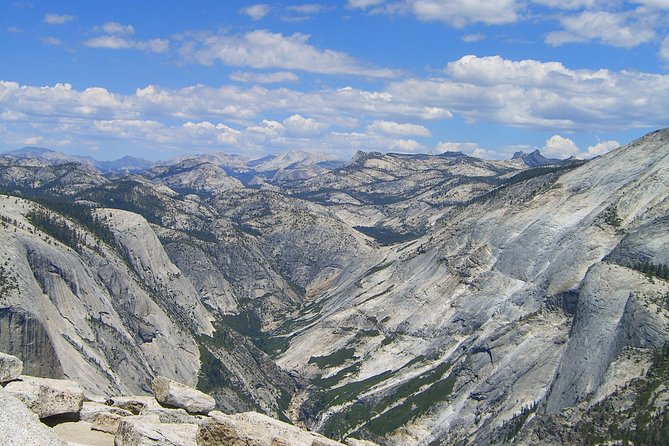
Day 7 ends the adventure in San Francisco with a fully guided city tour. You’ll hit big-name, easy-to-navigate spots like Fisherman’s Wharf, Pier 39, Haight Ashbury, and the Golden Gate Bridge.
This final day is valuable because it turns a “we arrived in SF” day into a “you understand the city” day. Even if you think you know San Francisco from movies or social media, the guided approach helps you place neighborhoods and plan what you might want to explore later on your own.
If you’re continuing your trip, consider using the city tour as a route map. You’ll likely see where you want to return for a longer look once the guided portion ends.
Price and what you actually get for $1,995
At $1,995 per person for seven days, this tour is aiming at convenience and guided value. The price is not just gas and seats—it includes a lot of the cost structure that usually becomes a surprise later.
Included items noted here include:
- National park entry fees (with the note that additional non US resident government fees may apply if relevant)
- All fees and taxes
- Breakfast (5) and lunch (6)
- Guided components like Death Valley and the 4×4 Monument Valley tour
- A San Francisco city tour
- A downloadable app and live English commentary
- Your overall base logistics, including camping equipment if you pick camping
Not included:
- Antelope Canyon optional tour fees
- Grand Canyon helicopter fees
The smart way to think about value is this: you’re paying to reduce your mental load. You’re not mapping driving routes between major parks, figuring out what’s worth your time in each place, or building a day-by-day plan around opening hours. Also, with a small group and named guide strengths (Treviso, Chris, Jill, Joe, Cindy, plus the support team credited as Becky in one set of feedback), you’re buying real interpretation—not just a driver.
Food is the only area where expectations should stay flexible. Included lunches are convenient, but one review feedback points out that they left something to be desired. You can manage this easily by treating lunch as fuel, not a culinary destination, and by keeping a snack plan of your own.
Lodging, camping, and the comfort reality check
This tour offers lodging options with clear standards: lodging is described as 3-star quality or higher, typically in 2-person rooms shared by same-sex travelers or on a couple basis. If your group size is odd (3 or 5), you may end up in triples.
If you choose camping, you’ll use solo or 2-person tents. That matters because you’re not just sleeping outdoors—you’re also setting up and breaking down your own tent at each campground. Camping equipment is provided and sanitized between tours, and campsites are described as typically having Wi‑Fi, laundry, and hot showers, with some camps having extra amenities like hot tubs and pools.
If you want the full romance of rim camping for Monument Valley, camping is worth seriously considering. If your idea of a national parks trip includes predictable comfort after long drive days, the lodging option will feel easier.
Either way, pack for day comfort and evening recovery. The FAQ-style advice included here is practical: hiking shoes, sunscreen, a hat, and a sweater or hooded waterproof layer.
Who should book this Las Vegas to San Francisco parks tour
This tour fits best if you want:
- A guided, structured way to see major parks without planning every stop
- A small group experience (max 14) rather than a huge tour bus
- Iconic viewpoints with room to choose effort level, especially in Yosemite
It’s also a good match if you enjoy learning as you go. The guided components (Death Valley, Monument Valley, and the city tour at the end) give you built-in storytelling. And you’ll likely like the balance of big scenery with stops that still let you move on foot.
It may be less ideal if you:
- Prefer slow travel with long free days
- Have limited walking tolerance for uneven trails and rim areas
- Hate the idea of optional add-ons that you might feel tempted to take
Should you book it?
If your goal is a one-week sampler of the American Southwest and California legends—Zion, Bryce, Grand Canyon, Death Valley, and Yosemite—this is a strong way to do it without getting overwhelmed by logistics. The small-group size, guided moments, and the end-to-end route from Las Vegas to San Francisco make it feel like a complete experience, not a string of random stops.
My final advice: go in knowing it’s packed, bring comfortable shoes, and decide early how you feel about optional extras like Antelope Canyon and the helicopter. If you want variety and expert guidance more than downtime, this tour is an easy yes.
FAQ
Where does the 7 Day Western National Parks Tour start, and when?
It starts at Palms Casino Resort, 4321 W Flamingo Rd, Las Vegas, NV 89103, with a start time of 7:15 am.
What is the end point, and is this tour one-way?
The tour ends at the San Francisco Marriott Union Square, 480 Sutter St, San Francisco, CA 94108. It is designed as a one-way tour from Las Vegas to San Francisco.
How many people are in the group?
This tour has a maximum of 14 travelers.
What language is provided during the tour?
Live commentary is provided in English. There is also a free downloadable app with commentary in French, German, Spanish, and Italian.
Are national park entry fees included?
National park entry fees are included, with the note that additional non US resident government fees may apply.
What meals are included?
Breakfast is included for 5 days and lunch is included for 6 days.
Are Antelope Canyon and the Grand Canyon helicopter included?
No. Antelope Canyon is optional with fees that apply, and the Grand Canyon helicopter flight is also optional.
What lodging or camping options are available?
Lodging is described as 2-person rooms shared by same-sex travelers or on a couple basis, with 3-star quality or higher. Camping equipment is provided if you choose camping, with solo or 2-person tents, and you set up and break down your own tent.
How far in advance can I cancel for a full refund?
You can cancel up to 6 days in advance for a full refund, as long as you cancel at least 6 full days before the experience’s start time.