REVIEW · 7-DAY EXPERIENCES
Private Tour: 7-Day Highlight Tour of Southwest Mighty Five
Book on Viator →Operated by Bindlestiff Tours · Bookable on Viator
Some trips feel like a checklist. This one feels like a story. You’ll move through five of the Southwest’s most famous national parks plus Monument Valley, with a guide, transport, and built-in time for both classic viewpoints and hikes you can actually choose based on your legs. It’s a week of big red-rock drama, ending with a south- rim Grand Canyon day and a relaxed return toward Las Vegas.
What I like most is the flexibility without chaos. You get guided time for the signature must-dos, like Zion’s Angels Landing or Arches’ Delicate Arch, while still having lighter options on the same days (think Emerald Pools, the Narrows when weather cooperates, and rim walks). I also love the logistics of a private setup: you’re not sharing a bus with strangers, and strong guides matter here. Past groups have praised guides like Joel, Hogan, and Marie for keeping things organized and responsive.
One consideration: this is still a walking-heavy road trip. Even with options, you’ll be on your feet for viewpoints and hikes, and you’ll want to plan for hot-to-cool temperature swings, sun protection, and (if you choose camping) the work of setting up your own tent.
In This Review
- Key things to know before you go
- Zion to the Red-Rock Edge: Angels Landing and the Narrows Choices
- Bryce Canyon Hoodoos: Rim Time First, Hoodoo Hikes Second
- Moab Days: Arches Delicate Arch and Canyonlands River Country
- Back to the Movies: Monument Valley with a Navajo-Guided Jeep
- Antelope Canyon Timing and the Grand Canyon South Rim Finale
- Camping vs Hotel: Comfort, Work, and the Real Cost
- Price and Logistics: Is $1,895 per Person Good Value?
- Transportation, Timing, and What Your Day Looks Like
- Who This Private Mighty Five Tour Is Best For
- Should You Book This Tour?
- FAQ
- Where does the tour start and what time is the meeting?
- Is the tour truly private?
- What parks and major stops are included?
- Are meals included?
- Do I need to bring a sleeping bag for camping?
- What optional activities can I add?
- How is commentary handled during the tour?
- Is bottled water provided?
- How much walking should I expect?
Key things to know before you go
- Private, but minimum 6 seats: The private option requires buying 6 seats, so it’s private for your group, not “small all the time.”
- Hike choices built in: Days include both big-hike and easier-walk options, and your guide can adjust to your ability.
- Two big cultural experiences: A Navajo-guided Jeep ride in Monument Valley, plus an optional Antelope Canyon visit.
- Grand Canyon views, multiple ways: South Rim time with choices like sunset strolls, rim hikes, and optional helicopter views.
- Water and packing reality: Bottled water isn’t provided, so bring a refillable bottle and expect to buy or top up on the road.
Zion to the Red-Rock Edge: Angels Landing and the Narrows Choices
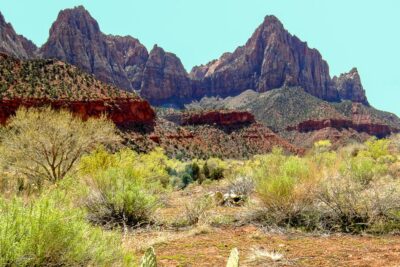
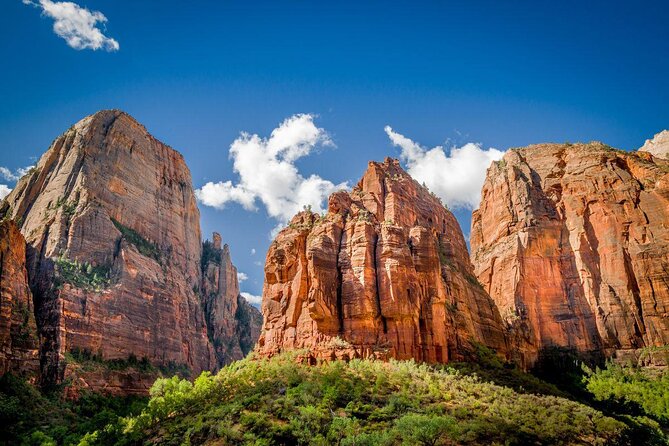
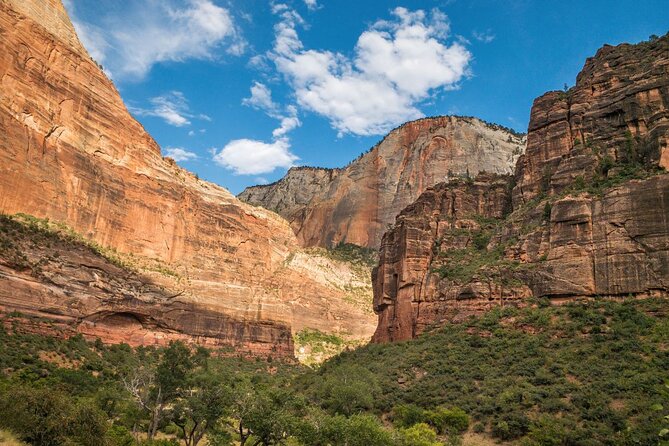
Zion National Park is where this trip starts swinging for the fences. Massive canyon walls and red sandstone cliffs rise fast, and the park gives you a range of effort levels right away. Even if you’re not chasing a long hike, Zion’s sheer scale hits immediately once you’re inside the canyon.
Day one is built around signature Zion scenery with a guide-led start. If you want the classic challenge, you can go for Angels Landing, a narrow ridgeline hike that’s famous for views over Zion Canyon. This is the kind of hike where good shoes, steady footing, and a calm head matter, because the path narrows and the exposure ramps up.
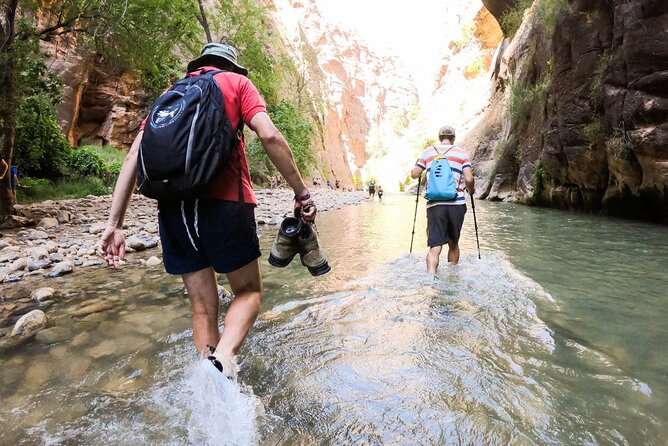
If you’d rather do water-and-walls, you can swap into The Narrows option when conditions allow. You’ll walk through the river with towering canyon walls pressing in on both sides. That weather caveat matters: if conditions aren’t ideal, plan to lean into the non-water Zion trails instead.
For a more relaxed afternoon, Emerald Pools is a smart contrast. It’s a trail for people who want waterfalls and viewpoints without the intensity of a ridgeline or water crossing. You also get a chance to linger in areas like the Temple of Sinawava and spots tied to Zion’s interpretive sites, so the day doesn’t feel only about one big exertion.
Practical tip: In Zion, go with your energy level first, not your ego. The hike that feels “best” is the one you can enjoy without rushing. And regardless of which option you choose, start hydrating early since the Southwest sun can turn a “short” walk into a sweat session.
You can also read our reviews of more private tours in Las Vegas



Bryce Canyon Hoodoos: Rim Time First, Hoodoo Hikes Second
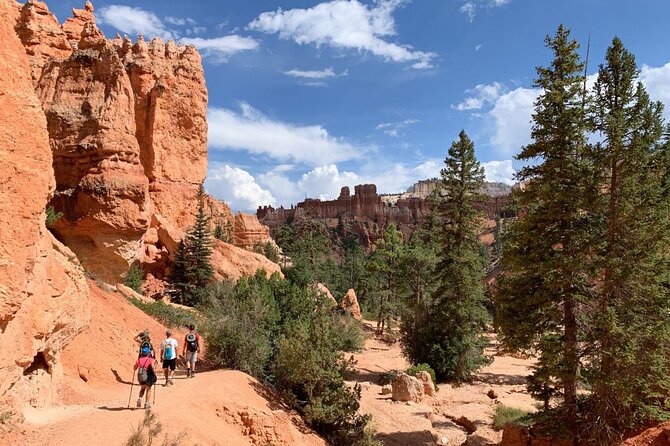
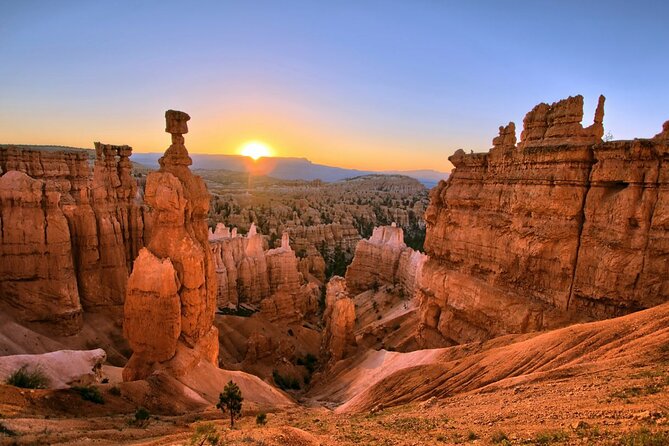
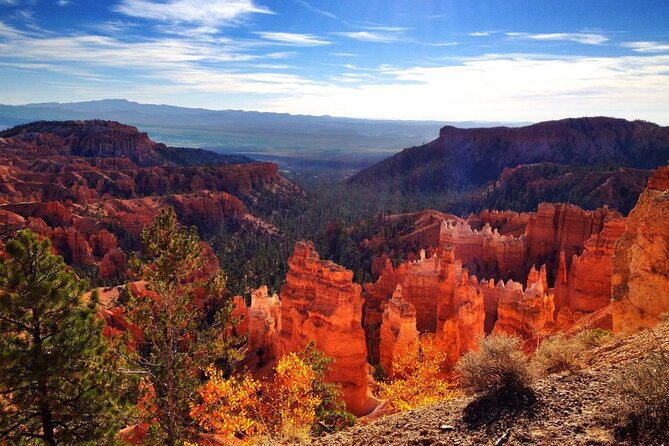
Bryce Canyon feels different from Zion even though it’s the same general red-rock region. Here, the show is the hoodoos—those sculpted sandstone spires that rise from the amphitheater like geologic chimneys. You’ll get panoramic views from the rim, and the park’s layout makes it easy to picture the terrain before you walk into it.
The Bryce day is a classic “choose your angle” setup. You can stay high for rim strolling to take in the hoodoos from above. Or you can hike down into the amphitheater for a closer look, where the forms feel taller and more detailed the lower you go.
Why this matters: Bryce is one of those parks where viewing from different heights changes what you notice. From the rim, you appreciate the big pattern and scale. Down in the amphitheater, you start noticing shapes, layers, and how the hoodoos are spaced.
If you want an easy win, rim time can still be a full day of photo-making and slow walking. If you want more adventure, the “down into the hoodoos” option gives you that up-close geology feel, but it will require more legs and time.
Practical tip: Bring a layer for Bryce. Even within the same week, you can get cool mornings and warmer afternoons. If you’re packing like a Vegas summer trip only, Bryce can remind you that desert weather still has teeth.
Moab Days: Arches Delicate Arch and Canyonlands River Country
Moab is the base for both Arches and Canyonlands, and that’s a big reason the middle of the week feels efficient. The parks are close enough that you don’t spend every day trapped on the road, yet different enough that you’re not repeating the same scenery.
At Arches National Park, the headline stop is a hike to Delicate Arch. It’s one of the most recognized freestanding arches in the U.S., and it rewards you with that end-of-trail reveal where the arch finally frames the view. Plan for sun and footing. This is a hike where the path is straightforward, but the heat and brightness can be intense.
Then you shift into Canyonlands National Park, where the feel changes again. Instead of arches and corridors, you’re looking at colored rock formed by the Colorado and Green Rivers. It’s a place where you get both open desert views and deeper canyon geometry, depending on where you stand.
You’ll also add a more story-driven element here. There are cowboy tales connected with hiding and escape in the late 1800s, and the park fits that mythology well. You’re not just looking at canyons; you’re learning how people imagined these spaces long before modern roads and viewpoints.
There are optional add-ons depending on what kind of adventure you want. You can consider a sunset Hummer tour, or you can choose an optional canyoneering adventure if you want something hands-on. If you’d rather keep it simple, you can still spend more time exploring without the extras.
Practical tip: Don’t stack too many “extra adventure” decisions in one day. Arches takes enough out of you that Canyonlands will feel even better if you’re not running on fumes.
Back to the Movies: Monument Valley with a Navajo-Guided Jeep
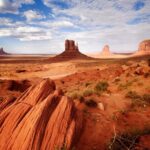
Monument Valley is where the road trip starts looking like movie stills. Red rock formations rise dramatically from the stark land, and the valley has long been a screen-ready backdrop. Here, the experience isn’t only about scenery, it’s also about how locals interpret the place.
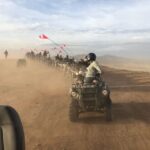
You’ll drive past Lake Powell en route, then arrive for time in Monument Valley Navajo Tribal Park. What you do here is the big difference-maker: an off-road Jeep tour led by a local Navajo guide. That kind of guiding tends to be more than “point at the view.” You get context tied to the land and how people experience it.
Then there’s the star factor. When the sun goes down, you can gaze into the sky and see a lot more than you’re used to if you spend most nights under city lights. It’s one of those “small moment, big memory” parts of the week.
Why this is great value: This isn’t just a drive-by photo stop. Jeep time off-road gives you angles you can’t get from a roadside viewpoint, and the local-guided element adds meaning to what you’re seeing.
Practical tip: Night in the desert can surprise you. Bring something warm even if the day felt hot.
Antelope Canyon Timing and the Grand Canyon South Rim Finale
Day six mixes two iconic canyon experiences with the kind of momentum that makes a “finale day” feel earned. You can start with a Navajo trading post stop in the morning, then head toward Antelope Canyon if you choose the optional add-on.
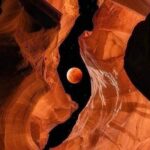
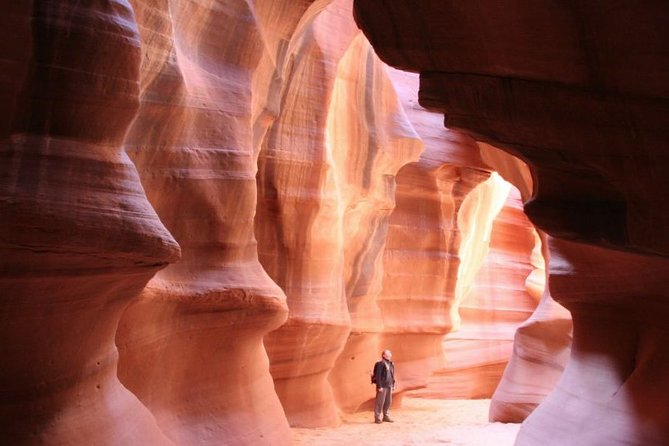
Antelope Canyon is known for its slot-canyon walls and light-filled passages. You’ll also add a scenic walk to Horseshoe Bend. That walk may not be long, but it’s all about the viewpoint payoff: the river curves into that famous horseshoe shape that looks best when the light hits right.
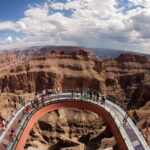
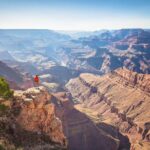
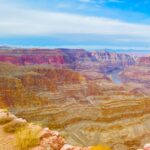
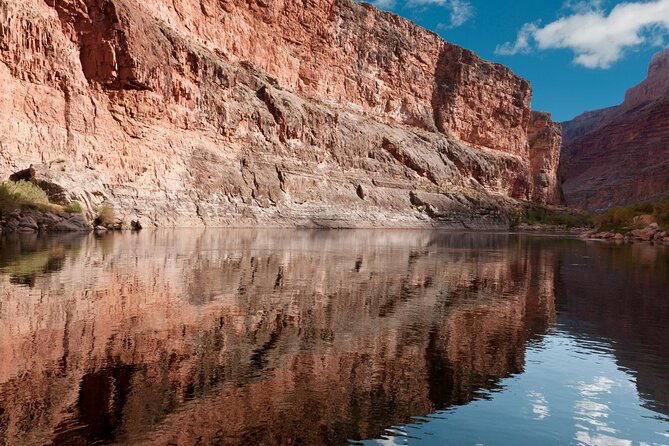
Then it’s off to the Grand Canyon South Rim, and this is the day you remember for the rest of the trip. You’ll follow the Colorado River through the Painted Desert area as you get closer. Once you’re on the rim, you get choice, which is important because Grand Canyon “intensity” varies by person.
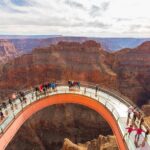
You can stroll along the rim at sunset, hike down into the canyon, or take in views from rim-side cafes. If you want an extra adrenaline upgrade, there’s an optional helicopter ride over the canyon for bird’s-eye views of areas like Kaibab National Forest and sections of the Colorado River.
What I’d do if I were choosing: If you’re not sure about helicopter energy, do one “big” rim viewpoint walk and keep the rest relaxed. The canyon is wide enough that even a short rim hike can feel like a full experience.
Practical tip: At Grand Canyon, the wind can be real. A hat helps for sun, but it also helps you keep control when gusts show up.
You can also read our reviews of more tours and experiences in Las Vegas
Camping vs Hotel: Comfort, Work, and the Real Cost
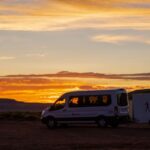
This tour can be done with camping accommodations or lodging, and that choice changes the whole rhythm of your evenings. Camping includes a self-inflating sleeping pad if you select that option, but you’re still responsible for your sleeping bag. Lodging is typically a 2-person room shared by same-sex travelers or on a couple basis, and the quality is listed as 3-star or higher.
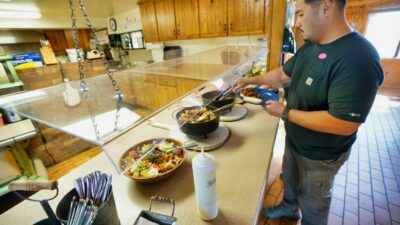
Here’s the practical difference: with camping, you’ll set up and break down your own tent at each campground, with help from your guide. Dinners are prepared at the campsite and become a communal effort where participation is required. If you like group meals and don’t mind hands-on tasks, camping fits. If you want a quiet buttoned-up evening, lodging usually feels easier.
With hotel, you’re paying for more comfort and less “camp life.” But the meal coverage works differently depending on lodging type. You’ll be asked for a supplement charge on day one—USD 80 for camping or USD 50 for lodging—to cover meals per the plan (and the lodging supplement covers lunches only, based on the details provided). So budget smart either way.
Also note the water situation: bottled water isn’t provided. You’ll be able to refill at comfort stops, so a refillable bottle is not optional thinking—it’s a practical move.
Practical tip: Pack like you’re doing early mornings and cool nights. Bring warm socks, a sweater or hooded jacket, and closed-toe hiking shoes. Even if the daytime is warm, the temperature swing across the week is part of the deal.
Price and Logistics: Is $1,895 per Person Good Value?
At $1,895 per person, this isn’t a cheap “hop-on-hop-off” trip. What you’re paying for is the combination of private routing, multiple national parks, guided hiking support, and real add-ons like a Navajo-guided off-road Jeep tour. You’re also getting professional guidance plus transportation in an air-conditioned minibus, and there’s a free downloadable app with commentary in French, German, Spanish, and Italian, with live commentary in English.
Value is strongest if you match the tour style: if you want a guide to steer you toward the best timing and routes, and you want a smooth multi-park week without renting a car and dealing with parking and logistics. The “private” element also matters. This is a private tour in the sense that it’s only your group, and you don’t have to adjust to strangers’ schedules in the way you would on shared group tours.
The price can feel heavy if you’d rather plan independently, or if you only want easy overlooks with no hiking. In that case, a lighter version of the trip (single park focus or self-drive with fewer guided components) might be a better fit.
Practical tip: Decide your hiking tolerance and lodging choice early. Your budget then becomes about matching effort to comfort, not just comparing ticket totals.
Transportation, Timing, and What Your Day Looks Like
Your day typically starts early. The tour meets at Palms Casino Resort at 7:00 am, and the pick-up is at the tour bus area. Transportation is handled in an air-conditioned minibus, SUV, or van depending on group size, and luggage is limited to one piece plus a small carry-on per person (with a weight limit of 44 lbs / 20 kg).
One thing to be ready for: the parks are far apart, so the travel days are part of the experience, not dead time. You’ll use driving time for context and transitions, then step out for the moments that matter—rim viewpoints, arch hikes, Jeep rides, and Grand Canyon time.
The tour also runs on Sundays from April through October, so check your dates before you get too attached to this specific week plan.
Practical tip: If you’re bringing a stroller or child seating needs, those are supported with advance notes. Also remember the tour is described for ages 5 and up, and anyone under 17 must be accompanied by an adult.
Who This Private Mighty Five Tour Is Best For
This tour is a strong match if you want a guided version of the Southwest highlights and don’t want to manage the details between parks. It also works well for mixed groups, because the hiking options allow different effort levels within the same day.
I’d steer you toward this tour if:
- you want the “big names” (Zion, Bryce, Arches, Canyonlands, Monument Valley, Grand Canyon) but prefer not to drive between them yourself
- you like having a guide who can adjust plans based on your ability
- you want a cultural layer, especially through the Navajo-guided Jeep experience
I’d think twice if:
- you dislike long travel days and prefer fewer stops
- you want zero walking beyond viewpoints
- you’re uncomfortable with camping tasks (tent setup and communal dinner participation)
Should You Book This Tour?
If you want a guided, private-feeling Mighty Five week with real hikes, local storytelling, and an organized path through huge distances, this booking makes sense. The guide quality shows up in the names people call out—Joel, Hogan, and Marie have all been praised for flexibility and organization. The structure gives you choices at key moments, which is the difference between “doing parks” and actually enjoying them.
Book it if you’re ready for a walking-focused week and you’ll pack for temperature swings and sun. Skip it if you’re only interested in short overlooks, or if you’d rather build your own plan with no guided hiking and no campsite responsibilities.
FAQ
Where does the tour start and what time is the meeting?
The tour starts at Palms Casino Resort, 4321 W Flamingo Rd, Las Vegas, NV 89103. The start time listed is 7:00 am.
Is the tour truly private?
Yes. The tour is described as a private tour, and only your group participates. There’s also a note that the private tour option requires purchasing 6 seats, and the tour requires a minimum of 6 guests to operate.
What parks and major stops are included?
The tour includes stops at Zion National Park, Bryce Canyon National Park, Arches National Park, Canyonlands National Park, Grand Canyon South Rim, and Monument Valley Navajo Tribal Park.
Are meals included?
Breakfast is included. Lunch and dinner aren’t included in the base description, and you’re recommended to budget extra. There is also a day-one supplement charge for meals per the plan, with different amounts depending on camping versus lodging.
Do I need to bring a sleeping bag for camping?
Yes. All camping equipment is provided except the sleeping bag, so you’ll need to bring your own or you’ll be able to purchase one if needed.
What optional activities can I add?
You can add an optional Antelope Canyon tour and/or an optional helicopter ride over the Grand Canyon, both for additional cost.
How is commentary handled during the tour?
Live commentary is provided in English. There’s also a free downloadable app with tour commentary in French, German, Spanish, and Italian.
Is bottled water provided?
No. Bottled water isn’t provided, and it’s advised that you bring a refillable container.
How much walking should I expect?
There’s a fair amount of walking to reach the locations visited, including hiking options at multiple parks. The tour says most travelers can participate, and activities can be adjusted, but you should be in reasonably good shape for walking.