REVIEW · 3-DAY EXPERIENCES
PREMIUM 3-Day Winter Grand Canyon, Monument Valley and Zion Tour
Book on Viator →Operated by Bindlestiff Tours · Bookable on Viator
Three parks in three days can feel intense.
That is why this winter Grand Canyon and Zion circuit works so well: you get a fast, efficient route, plus enough time at the big lookouts to actually enjoy them. It also comes with a small-group vibe, live English guidance, and optional add-ons if you want to turn the volume up.
What I like most is the way the trip balances big “wow” stops with human touches. I especially love the Navajo-guided 4×4 jeep tour in Monument Valley and the fact that guides I have seen mentioned by name, like Justin, Joe, John, Mike, and Jenni, tend to make geology, history, and everyday details click fast. Second, the Grand Canyon sunset is built into the timing, so you do not have to guess when the best light hits.
One thing to consider is the pace. You are going to be on the move most days, and winter weather can add chill to walking, so pack smart and plan for short hikes and scenic strolls rather than long, slow wandering.
In This Review
- Quick hits before you go
- The value of this 3-day winter combo: Grand Canyon, Monument Valley, Zion
- Launch day from Las Vegas: the ride mindset for a long day 1
- Grand Canyon South Rim: what the included sunset really buys you
- Route 66 stop: a quick reset that keeps the day from feeling like a blur
- Monument Valley Navajo Tribal Park: why the 4×4 jeep tour is the heart of the trip
- Horseshoe Bend at Page: the short walk that delivers a big payoff
- Optional Antelope Canyon: when to add it (and when to skip it)
- Zion National Park: easy routes with room to feel the place
- Food and comfort: what the included meals look like in real life
- Lodging and getting a good night’s rest
- What to pack for winter: the cold-weather checklist that actually helps
- Tour pace and who it suits best
- Price and value: is $910 worth it for this 3-park winter sprint?
- Should you book this winter Grand Canyon and Zion tour?
Quick hits before you go
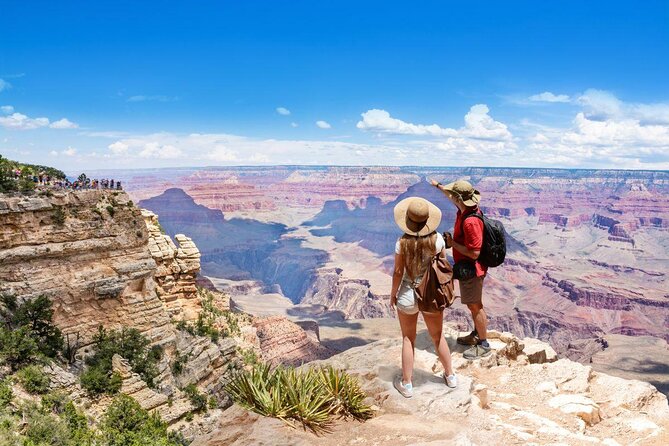
- Small-group road trip with commentary in English and a downloadable app in multiple languages.
- Grand Canyon South Rim sunset included, with time to take photos and lookouts that fit winter light.
- Monument Valley Navajo 4×4 jeep tour that turns film-location scenery into a guided experience.
- Horseshoe Bend by an easy walk that gives you iconic Lake Powell views without a big scramble.
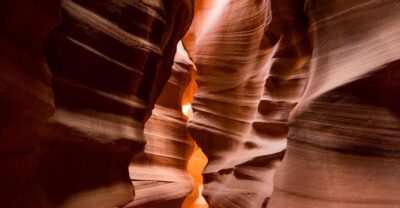
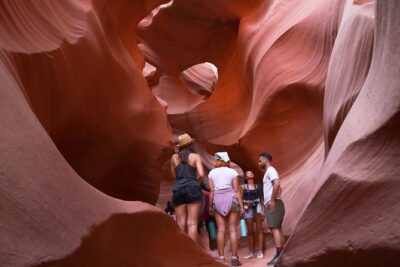
- Optional Antelope Canyon add-on if you want more color and slot-canyon drama.
- Zion time for an easy hike (like Pa’rus Trail) or a route toward an emerald pool.
The value of this 3-day winter combo: Grand Canyon, Monument Valley, Zion
This tour is built for travelers who want three of the USA’s most famous parks without wrestling with car rentals, parking stress, and route math. At $910 per person for a 3-day run, you are paying for four things you cannot easily DIY in a single tight winter schedule: transportation, lodging in a good location, entrance fees, and guided time where it matters.
You also get a structure that fits winter. Days are shorter, light changes faster, and cold temps can drain you if you are out wandering with no plan. Here, the “big moments” are scheduled and then backed up with practical breaks and short walks.
And because the group stays relatively small in a capped minibus, you typically feel like a person, not a seat number. That matters on a trip like this where you may ask a question about what you are seeing, or adjust your timing based on weather and energy levels.
You can also read our reviews of more tours and experiences in Las Vegas

Launch day from Las Vegas: the ride mindset for a long day 1
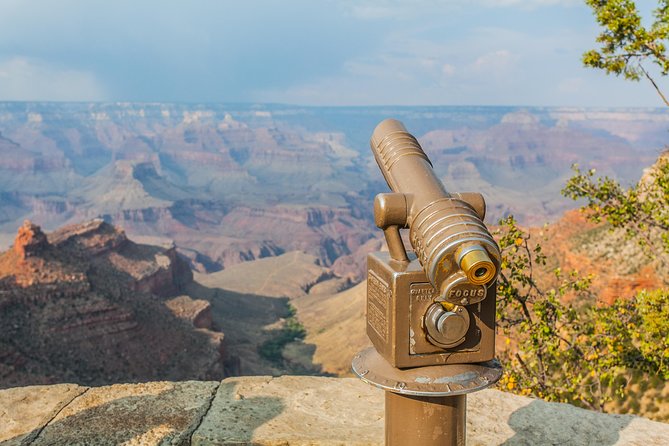
You meet at Palms Casino Resort at 7:00 am, and you can expect an early start. After leaving Las Vegas, you travel roughly 280 miles through the Mojave Desert area and along Route 66 toward the Grand Canyon South Rim.
The big practical tip for day 1 is to treat the first hours like part of the experience, not just the commute. The commentary via an on-board English guide, plus the downloadable app, helps you “read” what you are passing, so the drive feels like travel with context instead of dead time.
You also want to dress for layers. Winter can swing between warm and cool temps, and the tour guidance is clear: pack warm socks, a sweater or hooded jacket, closed-toe shoes, and a hat. Even if you think you will only be outside briefly, you will likely be stepping out for viewpoints and photos.
Grand Canyon South Rim: what the included sunset really buys you
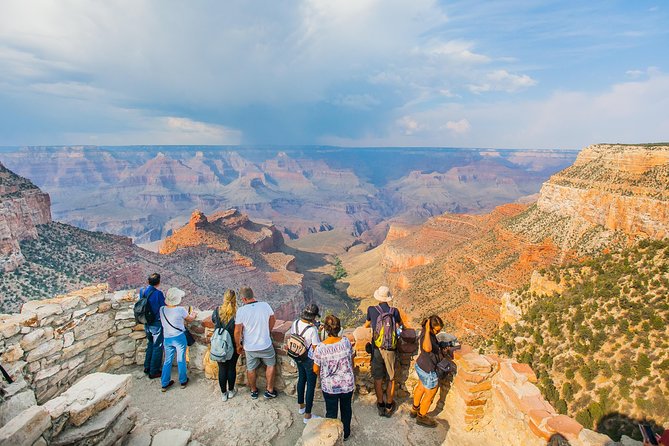
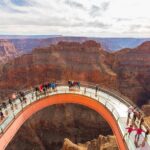
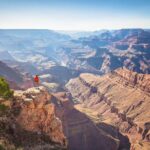
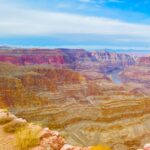
The Grand Canyon South Rim stop is your first true “scale shock.” You are looking at massive layers of rock that change color as light shifts, and winter angles can give you dramatic contrasts even when the sky is clear.
What makes this stop especially good is that the Grand Canyon Sunset is included. Translation: you are not scrambling for timing or guessing whether you should stay on the rim or head back early. You get a planned window to catch that last light on the rock.
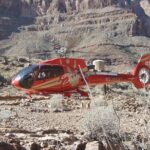
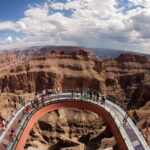
You also have flexibility. You can explore on your own from the rim overlooks, grab lunch during the visit, and choose whether you want more time at viewpoints or a hike deeper into the canyon area. If you want the ultimate aerial view, there is an optional helicopter ride over the Grand Canyon (extra cost), but that is best for travelers who genuinely want a once-in-a-while perspective.
A simple caution: the rim can be breezy in winter. Wear a layer you will actually keep on, and bring sunscreen anyway. Cold sun is still sun.
Route 66 stop: a quick reset that keeps the day from feeling like a blur
After the drive ramp-up, the tour adds a Route 66 moment with an included lunch and time to explore. This is not the main event, but it helps you reset your brain mid-trip.
You get a slice of classic Americana with quirky shops and roadside character. Even if you just walk around, grab something to eat, and stretch your legs, it makes the later park time feel less rushed.
The lunch is also practical: it is included, so you do not lose an extra hour hunting for food at the wrong moment.
Monument Valley Navajo Tribal Park: why the 4×4 jeep tour is the heart of the trip
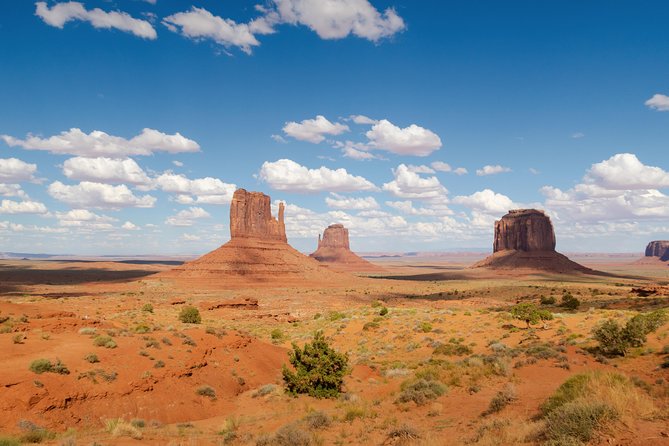
Day 2 is where the scenery turns into something closer to movie mythology, but with real-world grounding. You start with a Navajo trading post stop for shopping authentic local crafts. This is one of those moments that can feel small on the timeline, yet it is the kind of stop that makes your photos mean more later.
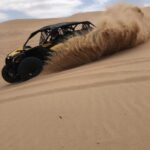
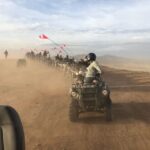
Then you head through the Painted Desert area and into Monument Valley, known from films but unforgettable in person. The standout here is the Navajo-guided jeep tour, a 4×4 ride that is built for views from angles you usually cannot reach by foot.
This is also where guidance pays off. You are not just looking; you are learning what you are seeing, like how rock formations and the land connect to stories of the people who live here now. Guides named in guest feedback, such as Justin, Mike, and Jenni, come up a lot for a reason: they tend to connect geology and local culture without turning it into a lecture.
One consideration: you need to be comfortable in vehicles and with some uneven terrain. It is not a theme-park ride, and the tour environment can feel remote. If you are prone to motion sickness, plan for that early and consider bringing what usually helps you.
You can also read our reviews of more tours and experiences in Las Vegas
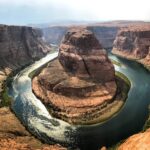
Horseshoe Bend at Page: the short walk that delivers a big payoff
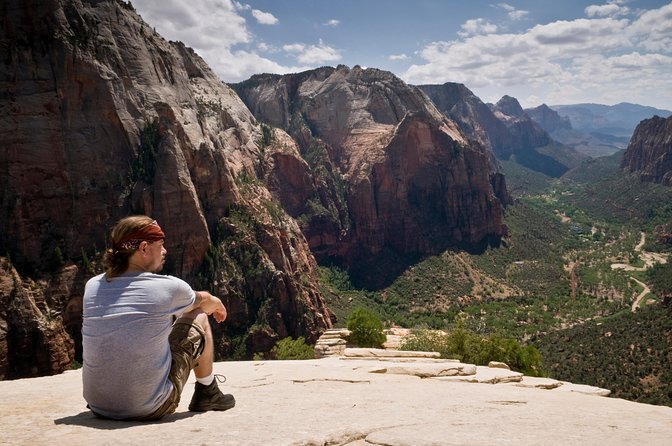
Next comes Horseshoe Bend, near Page, with an included visit and an easy walk. This stop is brief on purpose, and that is the point: you get the iconic curve of the Colorado River cutting through the canyon without spending the entire day hiking.
It is also a smart transition between parks. After Monument Valley, Horseshoe Bend feels more open and airy, with big sky and calmer viewing than many canyon routes.
The practical move is to arrive ready for a walk and photo time, not a long museum visit. Winter wind can be intense near water, and the tour only gives you a short window, so keep your camera accessible and your shoes comfortable.
Optional Antelope Canyon: when to add it (and when to skip it)
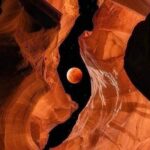
You have an option to visit Antelope Canyon on day 2. This is extra cost, and it is not included, so think of it as a choice for your personal style.
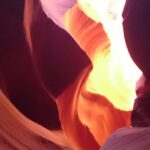
Add it if you want slot-canyon textures and that famous colored-light look that makes photos pop. Skip it if you want more time in the hotel area for a breather, or if you prefer keeping your day focused on fewer moving pieces.
Either way, remember that day 2 includes a dinner period before you settle into your hotel for the night. Dinner is not included, so if you care about food quality or dietary needs, plan to look up nearby options once you know your hotel location.
Zion National Park: easy routes with room to feel the place
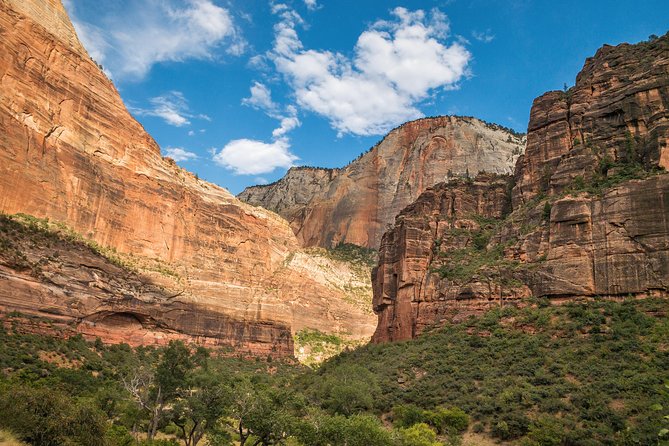
Day 3 is Zion time, and it is structured to help you do something with your energy instead of burning it all at the start. You begin with photo stops along the way, then arrive in Zion for a mix of scenic viewpoints and easy walking.
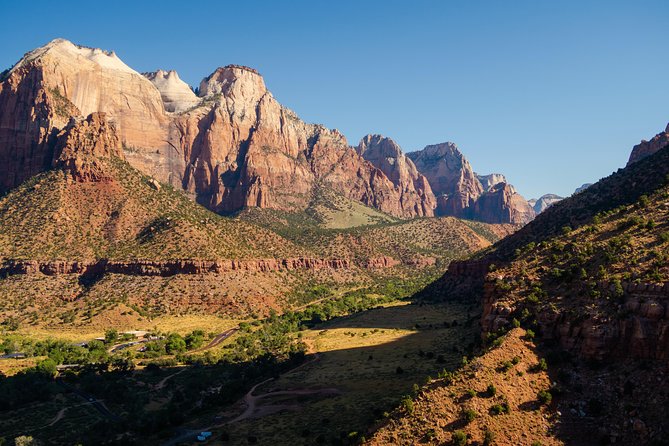
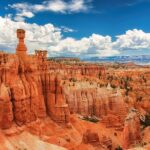
Zion’s fame is its dramatic cliffs shaped by the Virgin River, and the contrast of white, pink, and red sandstone can look almost unreal on a clear day. In winter, the light can make the canyon walls feel extra crisp.
You get lunch (sandwiches made to order) and then options for hiking. The trip can include a route toward an emerald pool or the easy Pa’rus Trail, plus chances to see highlights like the Great White Throne and Weeping Rock. If you prefer a lower-effort option, the Pa’rus Trail style of walk is the kind of path where you can keep checking photos without feeling like you are racing your body.
There is also a cultural angle if you want it: you may be able to catch a ranger talk at the Zion Human History Museum. Even if you skip that, you still get a solid overview of why this place matters beyond the views.
Food and comfort: what the included meals look like in real life
This tour includes one breakfast and three lunch stops. The lunches are make-your-own sandwiches served with fruit and potato chips. That is not fancy, but it is dependable, and it keeps you out of the time sink of searching for food mid-park.
Evening meals are on your own. In practice, this can be a plus because you can pick what fits your tastes rather than being locked into a set meal.
Two small details I would not ignore:
- Bottled water is not provided, so bring a refillable container and use comfort stops to top up.
- The tour notes you may experience warm and cool temps, so food choices might change depending on how cold you feel after outdoor walking.
If you are vegetarian, you can request vegetarian meals. Plan to make the request clearly in advance so they can actually accommodate it.
Lodging and getting a good night’s rest
You get lodging in a premium hotel in a prime location, and the property type is described as 3-star quality or higher. Rooms are generally set up for two people, and there is guidance for family arrangements if you are traveling with kids.
A big reason lodging matters on this kind of tour is simple: your day is packed. You want a place that is easy to get back to, where you can recharge without fighting long transfers.
Some guests have also highlighted that winter can mean a smaller group, which usually helps the hotel experience feel calmer and quieter.
What to pack for winter: the cold-weather checklist that actually helps
This is not a trip where you can wing it with just a light jacket. The guidance is to pack for changing temperatures, plus what you need for short walks and winter viewing.
Here is the practical kit I would follow:
- Warm socks and a sweater or hooded jacket
- Hiking shoes or sturdy closed-toe footwear
- Hat and sunscreen
- A refillable water container
- A small day bag so you can grab layers and keep moving
Also keep in mind the luggage limit: you are limited to luggage that does not exceed 44 lbs (20 kg), plus a small carry-on.
Tour pace and who it suits best
This is best for travelers who like structure and want to maximize iconic stops without spending days behind the wheel. If you enjoy quick photo stops, short walks, and at least a little guiding to give context, you will probably love it.
It is also a good fit for people who want winter timing. Some travelers have noted that winter can suit the schedule well, with smaller groups and excellent timing at key sights.
One note for families: the minimum age is 7, and kids under 17 must be accompanied by an adult. A mother in feedback also suggested that kids under about 10 may not enjoy this as much, mainly because the trip involves a fair amount of walking and a busy road schedule.
Price and value: is $910 worth it for this 3-park winter sprint?
Let’s talk value without pretending it is cheap. At $910 per person, you are paying for a package that bundles transportation, guided experiences, lodging, entrance fees, and multiple included meals. If you were trying to recreate this yourself with a rental car, you would likely spend a lot on gas, parking, and the time cost of driving between far-apart destinations.
You are also buying convenience. The included minibus transport (14-passenger, air-conditioned) means you spend less mental energy figuring out logistics and more time focusing on views.
You do give up one thing: choice at meal times and evenings. Dinner is not included, and lunches are simple sandwiches. If you expect a food tour, this will not be that. But if you want the parks as the main event, the trade-off can feel fair.
If you want the most bang for your dollar, consider whether the optional add-ons match your priorities. Antelope Canyon can be a standout for people who love color and texture. The helicopter can be great if you want a rare, high-impact view and are willing to pay extra.
Should you book this winter Grand Canyon and Zion tour?
Book it if you want a small-group, guided route that hits the big names: Grand Canyon South Rim (with sunset), Monument Valley (with Navajo jeep tour), Horseshoe Bend, optional Antelope Canyon, and Zion (with easy hike options). It is a strong choice for winter travelers who like good timing, clear plans, and learning what you are looking at while you travel.
Skip or think twice if you get impatient with travel days, dislike cold-weather walking, or want lots of free time to wander without a schedule. This trip is efficient by design, and that is either a feature or a frustration, depending on your travel style.
If your goal is to see three iconic parks in three days and come away with memorable photos plus actual context, this is one of the more practical ways to do it from Las Vegas.