REVIEW · DEATH VALLEY TOURS
Death Valley Small Group Day Tour with Sunset and Stargazing
Book on Viator →Operated by MaxTour · Bookable on Viator
Death Valley after dark changes your sense of scale. This small-group day tour strings together classic stops in the morning and then finishes with a sunset show and stargazing at Zabriskie Point in a Dark Sky Park. I like that it’s paced as a true highlights loop, not a rushed drive-by. I also like the added comfort of snacks, drinks, and hotel pickup so you can focus on the views.
The only real catch: it’s a long day, and night-sky time depends on weather. If it’s windy or dusty, the stars can be less sharp than you hoped.
In This Review
- Key things I’d circle on this Death Valley tour
- Price and what you actually get for $249.99
- Hotel pickup, timing, and the long-drive reality
- Furnace Creek Visitor Center: start with the why, then hit the wow
- Devil’s Golf Course: otherworldly salt pan in a short stop
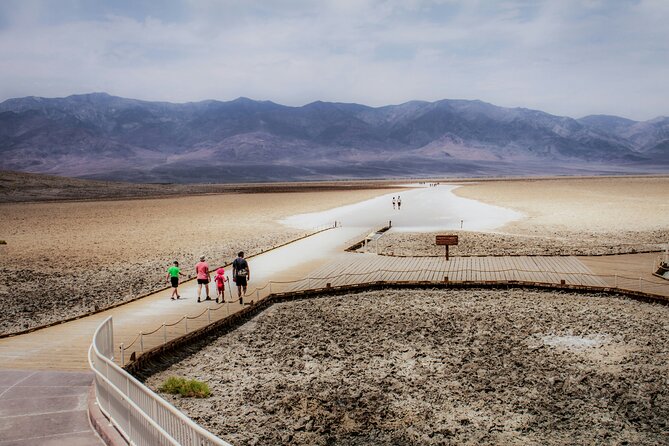
- Badwater Basin: lowest point in North America, wide salt flats, big sky
- Artists Palette: color changes that make the geology feel real
- Dante’s View: the best kind of photo break
- Zabriskie Point at sunset: when the day hands off to the night sky
- Small-group pacing: 30 minutes at each stop is a feature, not a flaw
- When roads or plans change: how flexible you need to be
- Who should book this Death Valley sunset and stargazing tour
- Should you book it? My take
- FAQ
- How long is the Death Valley small-group day tour?
- What is included in the $249.99 per person price?
- Is lunch included?
- Where do I start, and when?
- Can the tour accommodate dietary restrictions?
- Does stargazing depend on weather?
Key things I’d circle on this Death Valley tour
- Small group size (max 14): easier conversations and less chaos at pullouts.
- Built-in admission: you don’t have to hunt tickets for each stop.
- Zabriskie Point at sunset: the day ends high above the valley, then shifts straight into night-sky viewing.
- Guides with real energy: names like Momo and Jonny come up for making stops feel more like a story than a checklist.
- Dark Sky Park stargazing: you’ll get a guided session with tools like a sky laser pointer and (on some runs) yoga mats.
- Weather and road changes are possible: rare events can force route tweaks, so keep expectations flexible.
Price and what you actually get for $249.99
For $249.99 per person, you’re paying for a full, guided Death Valley circuit plus the stuff that usually costs extra. The price covers the Death Valley admission fees, hotel pickup, an English-speaking guide, snacks, beverages, and all taxes and fees. In practice, that turns the day into one main cost instead of a pile of little ones.
It also matters that this is a small-group tour (up to 14 people). With bigger groups, you spend more time waiting and less time looking. Here, you can usually get set up for photos, listen to geology explanations, and move on without losing the rhythm.
You should know the trade-off: this is built for efficiency. Most stops are about 30 minutes, with the longer block saved for the Zabriskie Point sunset and stargazing session.
You can also read our reviews of more evening experiences in Las Vegas



Hotel pickup, timing, and the long-drive reality
The tour starts at 9:00am, and you get pickup from your Las Vegas hotel. You’ll receive an email the day before with your exact pickup time, which is helpful if you’re trying to plan breakfast.
The full day runs about 11 hours (and it can stretch a bit depending on the drive and conditions). You’ll spend most of that time on the road moving between viewpoints and walking areas—so I’d treat this less like a casual outing and more like a guided “see Death Valley’s greatest hits” day.
One practical upside: the tour includes snacks and drinks, and you’ll have planned breaks along the way. That makes the long schedule easier to handle, especially in the valley’s dry heat.
Furnace Creek Visitor Center: start with the why, then hit the wow
The first stop is the Furnace Creek Visitor Center. You’ll get about 30 minutes to get oriented with Death Valley geology, wildlife, and history before you start photographing salt flats and colored hills.
This early stop helps because it gives you a framework. When the guide later points out features like mineral oxidation and basin formation, it lands better if you already understand what you’re looking at.
If you’re someone who hates feeling like you’re rushing through explanations, the visitor center timing is a good compromise—enough to learn, not enough to drag.
Devil’s Golf Course: otherworldly salt pan in a short stop

Next is Devil’s Golf Course, a salt pan with sharp, jagged-looking formations. You’ll also have about 30 minutes here, which is perfect for seeing the terrain up close without turning it into a half-day hike.
What I like about this stop on a guided circuit is that you’re not just taking pictures. The guide explains the geology behind the weird “spikes” and jagged edges, so you leave knowing what created those shapes rather than just thinking it looks cool (because it does).
Downside to keep in mind: because it’s short, you won’t have time to wander far from where you’re dropped. Go with a camera-ready plan and quick questions for the guide—then enjoy the surreal feel.
Badwater Basin: lowest point in North America, wide salt flats, big sky
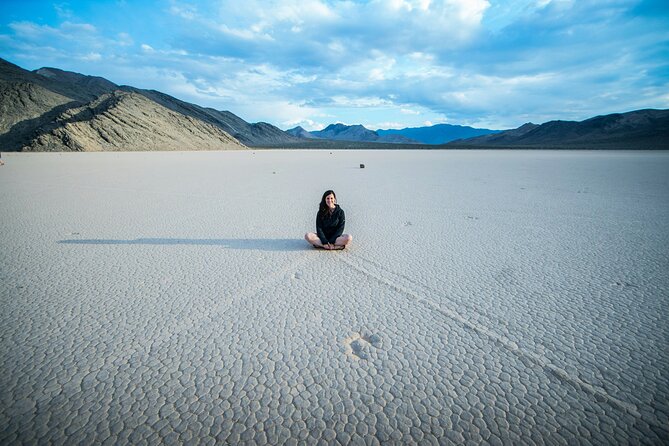
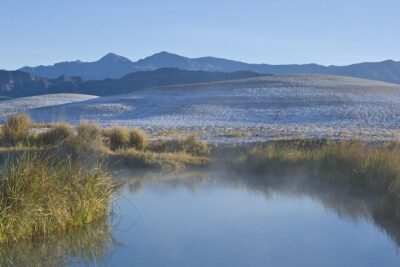
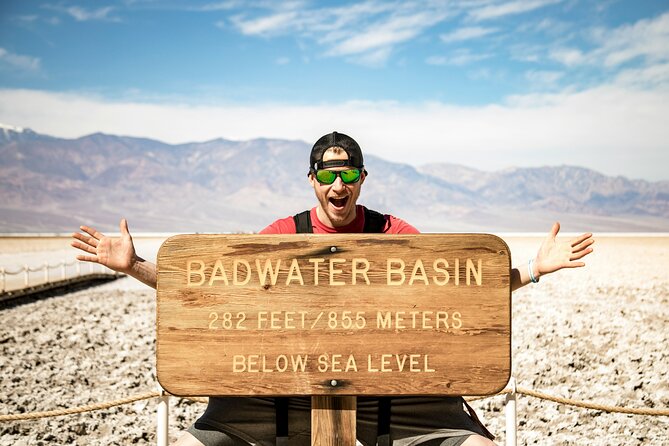
Then you move to Badwater Basin, famous for being the lowest point in North America. Expect another roughly 30-minute stop with time to walk across the expansive salt flats.
This is the moment when Death Valley starts to feel truly immense. The salt plane gives you a sense of scale you can’t get from a lookout alone—your brain reads the flat distance, and the horizon looks unusually far away.
Practical note: the salt flats can be exposed and bright. Wear sun protection and plan for heat in the daytime. If you’re planning your outfit for comfort, prioritize breathable layers and shoes with solid traction.

Artists Palette: color changes that make the geology feel real
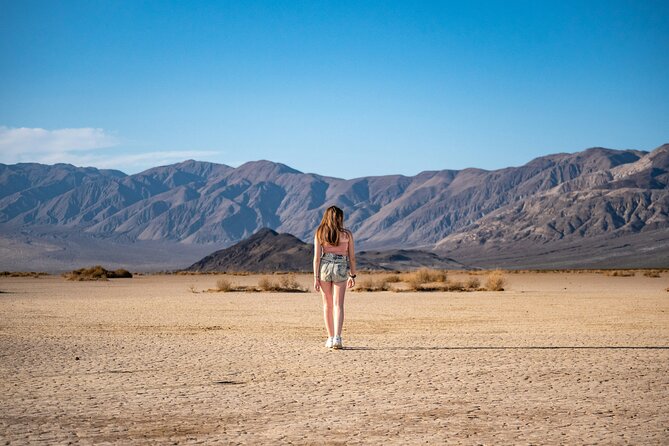
At Artists Palette, the hills show striking shades—pink, green, and purple—created by mineral oxidation. You get about 30 minutes at this stop, which works well because you’ll want time to walk viewpoints and match colors to what the guide explains.
What makes this stop click is that it’s “science you can see.” You’re not stuck reading a panel. The guide helps connect color to mineral content, and suddenly it’s not just pretty. It’s a natural process made visible.
If you’re sensitive to sun or heat, this is the kind of stop where shade might be limited. Build in time for photos early, then listen and look slowly while you still have energy.
Dante’s View: the best kind of photo break
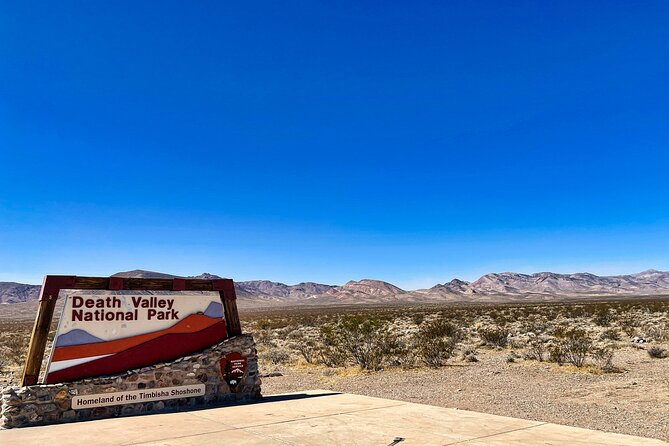
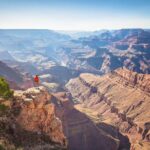
Dante’s View is a viewpoint high above Death Valley. You’ll get about 30 minutes for sweeping panoramas—excellent for photos and for a calmer pause before sunset takes over.
I like how this stop acts like a reset. The morning focuses on specific, dramatic features. At Dante’s View, you get the “big map” view: valley floor, distant mountains, and the sense of distance that makes the whole park feel like its own planet.
Watch your timing here if you want golden-hour shots. Dante’s View isn’t the final sunset stage, but it’s still a great place to start thinking about where the light will fall over the valley.
Zabriskie Point at sunset: when the day hands off to the night sky
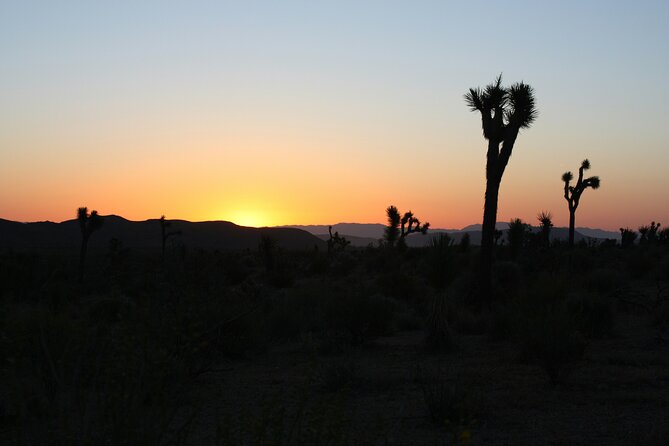
The tour finishes at Zabriskie Point, and this is the long stop—about 2 hours. It’s set up for sunset, then it turns into guided stargazing in a certified Dark Sky Park.
This is where the “small group + day and night” format pays off. After spending the day walking salt and climbing your eyes through the valley’s colors, stargazing feels like the natural final chapter, not an awkward add-on.
During the night-sky session, the guide uses tools to make the sky easier to read. On at least one run, yoga mats were part of the setup, and a sky laser pointer helped point out what to look for. If conditions are right, you may even catch human-made light in the sky, like a Starlink satellite train that was spotted during one 45-minute stargazing session.
If weather isn’t cooperative, your experience may change. One night can bring sharp views, and another can bring wind that stirs dust and makes the sky harder to see clearly. The best approach is to dress for the temperature shift after sunset and stay patient—sometimes the best view arrives after a few minutes of adjustment.
Small-group pacing: 30 minutes at each stop is a feature, not a flaw
Most stops are timed around 30 minutes, with transportation filling the gaps. That pacing is a deal-breaker for some people who want long walks, but it’s also why this tour works well for first-timers.
You get variety: visitor center orientation, salt-pan oddities, basin scale, colored hills, high panoramas, then night skies. You’re not stuck in one place sweating for hours.
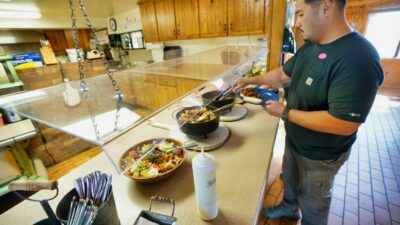
A few comfort details also matter. You’ll have restroom stops and food breaks along the way, and the tour provides snacks and beverages so you don’t have to buy everything yourself in the middle of nowhere. If you’re trying to save money in Las Vegas, it’s a bonus when guides handle snack logistics in a practical way for the ride back.
When roads or plans change: how flexible you need to be
Death Valley isn’t always a static postcard. Severe flooding events can wash out access roads, and that can force a last-minute itinerary change. One experience included adjustments when a main access road was affected, with stops reworked around what was accessible.
So here’s my advice: treat this as a guided plan, not a guarantee of exact stop order. If you’re the type who gets upset when the day isn’t perfectly “as advertised,” you’ll want to build extra patience into your schedule. The upside is that the guide still aims to hit major highlights, even if the route shifts.
Who should book this Death Valley sunset and stargazing tour
This tour is a strong fit if you want:
- A guided highlights loop with admission and snacks included
- Day sights plus a real night-sky finale at a Dark Sky Park
- A small group experience with a guide who shares the “why” behind geology
It’s also a good match if you’re traveling from Las Vegas and don’t want to rent a car and manage long distances on your own. Most people can participate, and the tour can accommodate dietary needs like vegetarian, vegan, and gluten-free if you list them when booking.
If you’re a hardcore hiker who wants long trails, this may feel short at each stop. Think of it as scenic viewing and guided learning, not a deep exploration on foot.
Should you book it? My take
I’d book this tour if your goal is simple: see the best of Death Valley in one day, then end with stars you can actually learn to look for. The value comes from combining hotel pickup, admission, and the full sunset-stargazing block in one price, plus the small-group size that keeps the day from feeling like a cattle line.
I wouldn’t book it if you hate long days, or if you know you’ll be disappointed by weather-related changes. Night-sky viewing is weather-dependent, and wind can affect the experience. If you’re flexible, though, this is the kind of outing that sticks in your memory—the valley in daylight, then the same sky transformed after sunset.
FAQ
How long is the Death Valley small-group day tour?
It runs about 11 hours (approx.).
What is included in the $249.99 per person price?
The tour includes Death Valley admission fees, hotel pickup, an English-speaking guide, snacks, beverages, all taxes and fees, and a mobile ticket.
Is lunch included?
No. Lunch is not included.
Where do I start, and when?
The tour starts at 9:00am in Las Vegas. If pickup is offered, you’ll get an email the day before with your exact pickup time.
Can the tour accommodate dietary restrictions?
Yes. Dietary restrictions like vegetarian, vegan, and gluten-free can be accommodated if you indicate them when booking.
Does stargazing depend on weather?
Yes. The experience requires good weather. If it’s canceled due to poor weather, you’ll be offered a different date or a full refund.