REVIEW · 3-DAY EXPERIENCES
Las Vegas: Grand Canyon, Zion and Monument Valley 3-Day Tour
Book on GetYourGuide →Operated by Bindlestiff Tours · Bookable on GetYourGuide
Sunrise in Monument Valley sets the tone fast.
This tour packs Zion, Bryce Canyon hoodoos, and the Grand Canyon rim into three busy days, with an average group size of about 13 so you’re not lost in a herd. I also like the mix of guided hikes and free time—so you get ranger-style context in Zion, then choose how far you want to go on the trails. Having guides like Adriann (who shares hike and photo tips) makes the drive days feel purposeful, not just transit.
The one catch: it’s a fast-paced schedule, and the minibus rides can feel tight—especially if you’re one of the 12-ish passengers in a crowded seating layout. On top of that, key upgrades cost extra, like Antelope Canyon and the optional helicopter over the Grand Canyon, plus evening meals beyond what’s built into the trip.
In This Review
- Key highlights worth planning around
- A short Las Vegas-to-Arizona sprint that still feels like a real trip
- Small group size: why ~13 people changes everything
- Zion National Park: Virgin River canyon time plus easy-to-moderate hiking
- Bryce Canyon’s hoodoos: geology you can actually spot from the trail
- Lake Powell and the Antelope Canyon option: worth it, but budget it
- Monument Valley sunrise plus a Navajo-guided 4×4: the Western moment
- Grand Canyon rim time: walk it your way, then choose your risk level
- Sleeping options: full-service camping vs 3-star hotels
- Price and what you actually get for $875
- Comfort on the road: long drives, frequent stops, and heat/season reality
- Who should book this tour, and who should pass
- Should you book this Las Vegas-to-Grand Canyon power trip?
- FAQ
- What’s the duration of this tour?
- What’s the group size like?
- Do I camp or stay in a hotel?
- Are meals included?
- Is the Monument Valley jeep tour included?
- Are national park entry fees included?
- Is Antelope Canyon included?
- Is the Grand Canyon helicopter ride included?
- What language support do I get?
- Where do I meet for the tour?
Key highlights worth planning around
- Average 13-person group for an easier rhythm than big buses
- Camping under stars (or a premium hotel option) with real amenities at the campgrounds
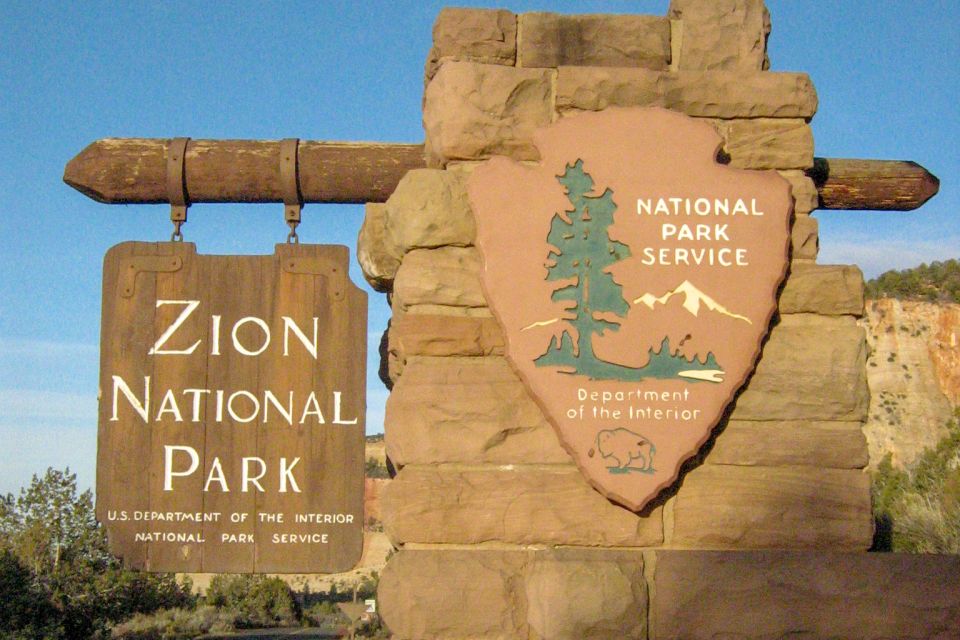
- Zion walks for all levels, from Emerald Pools to Weeping Rock and Temple of Sinawava
- Bryce hoodoos plus a fun Bryce BBQ/campfire evening
- Monument Valley sunrise followed by a 4×4 Navajo-guided jeep tour
A short Las Vegas-to-Arizona sprint that still feels like a real trip
This is the kind of tour that works when you want the Southwest “greatest hits” but don’t want to rent a car and figure out logistics. In three days you’ll see Zion’s canyon walls, Bryce’s hoodoos, Monument Valley’s iconic buttes, and the Grand Canyon rim—plus a couple of high-impact stops in between.
You should know right away: this is not a slow, two-weeks-in-one-region vibe. It’s more like a sequence of early starts, timed viewpoints, guided hikes, and then stretches where you can wander at your own pace. If you like a plan, but also want room to breathe, this format fits well.
You can also read our reviews of more tours and experiences in Las Vegas
Small group size: why ~13 people changes everything
The average group size is around 13, which is a big deal for two reasons. First, you get more chances to ask questions without shouting over a crowd. Second, the tour rhythm stays flexible—guides can adapt on the fly when weather, foot traffic, or trail conditions shift.
That said, smaller groups still means there’s a reality check on transportation. Multiple people have noted the minibus can be cramped, so seat choice matters. If you’re sensitive about space, try to get a seat where you’ll feel less bunched up during long stretches.
Zion National Park: Virgin River canyon time plus easy-to-moderate hiking
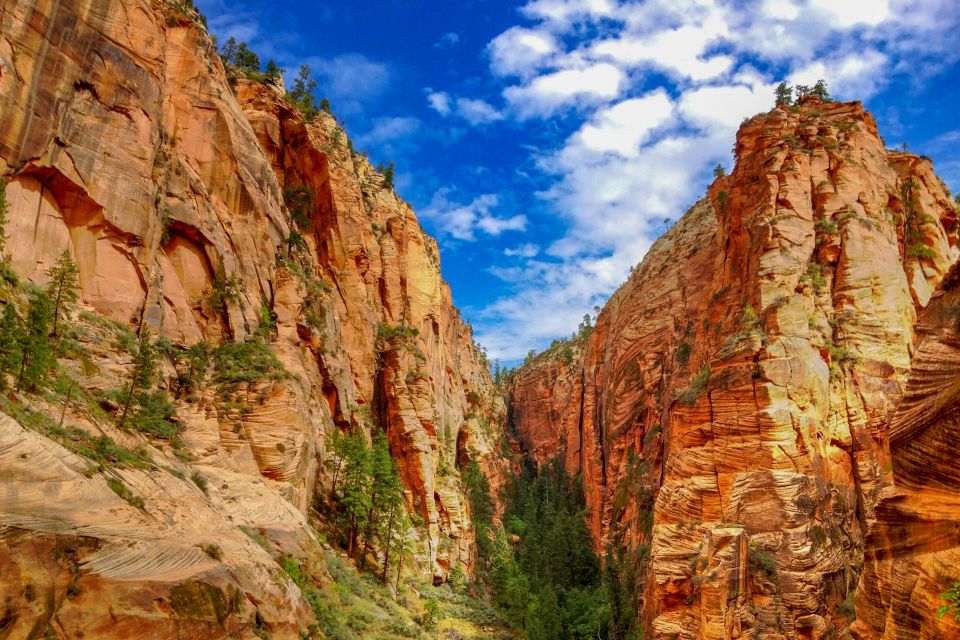
Zion is the “wow wall” day. The canyon is carved by the Virgin River, and the cliffs shift tones—white, pink, and red Navajo sandstone—so the views don’t look flat or repetitive as you walk. You’ll start with guided orientation, then you can choose trails that match your energy level.
This is also a great day for practical variety. You can do the classic Emerald Pools area, stop at Temple of Sinawava, check out Weeping Rock, and visit the Human History interpretive museum where ranger talks happen on the patio. That combination is useful because Zion isn’t only visual. You also get a sense of how people have lived here—what shaped the land, and what shaped the region’s culture.
One tip that shows up again and again: bring swimwear and a towel if you want to cool off when the schedule includes river-side breaks. Even if you don’t plan for a swim, having the option makes the day more comfortable.
Bryce Canyon’s hoodoos: geology you can actually spot from the trail
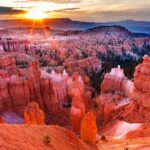
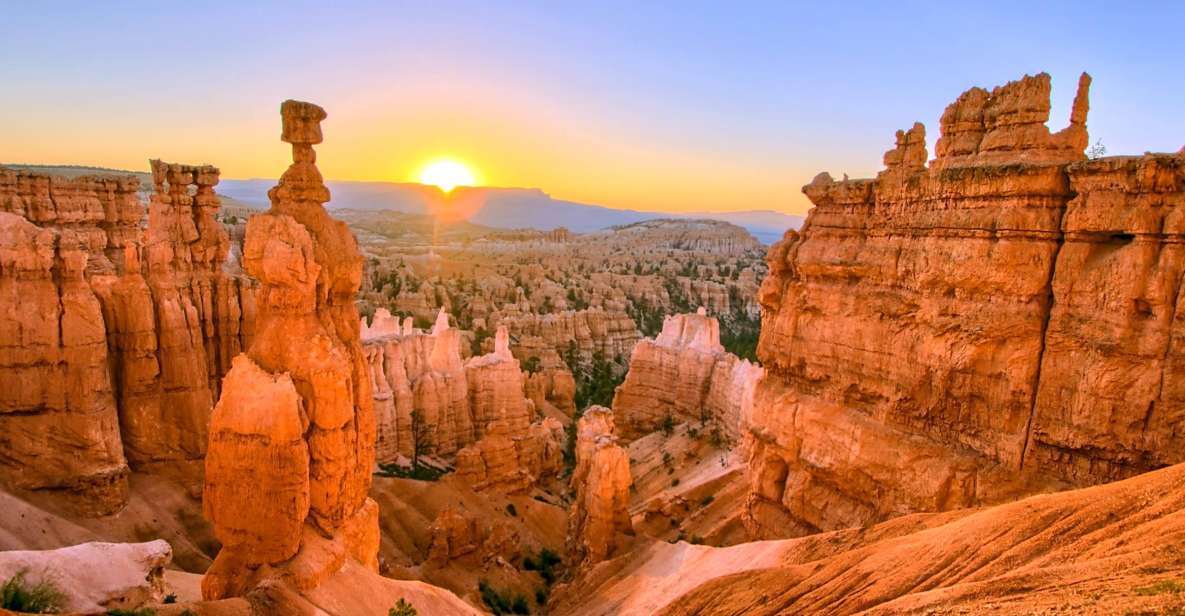
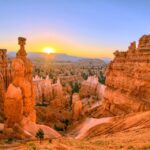
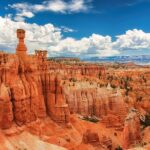
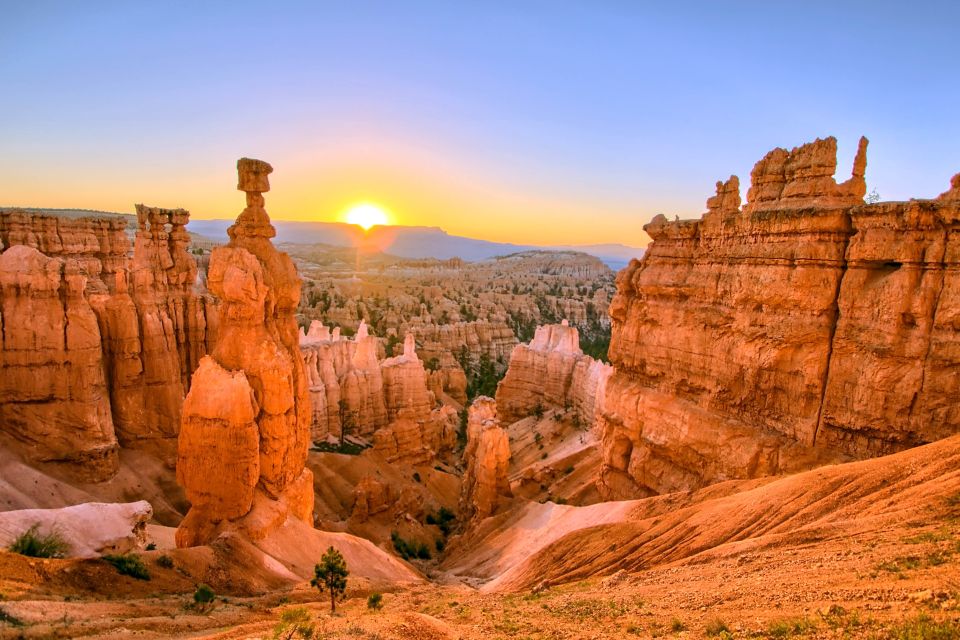
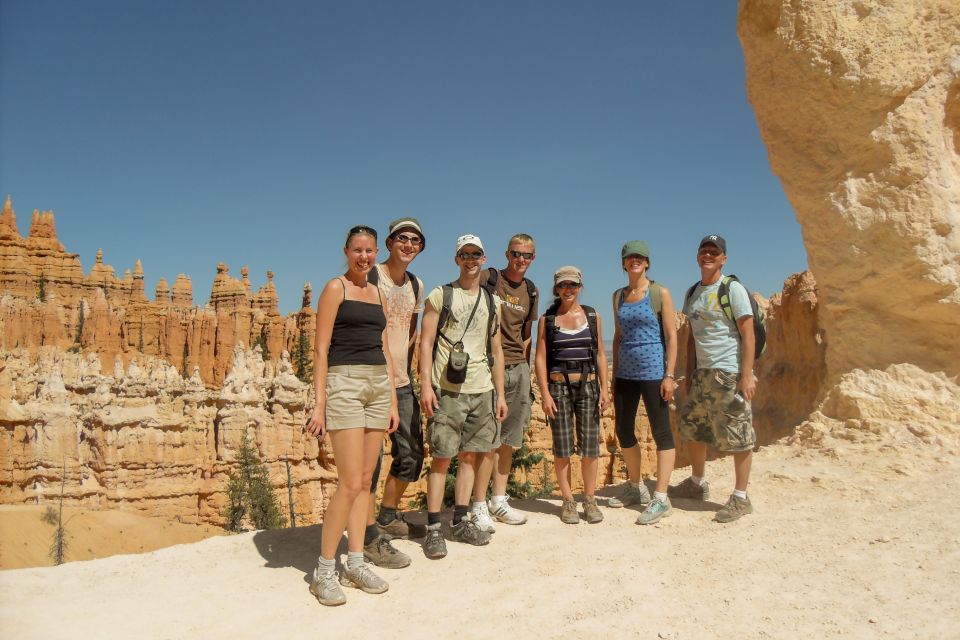
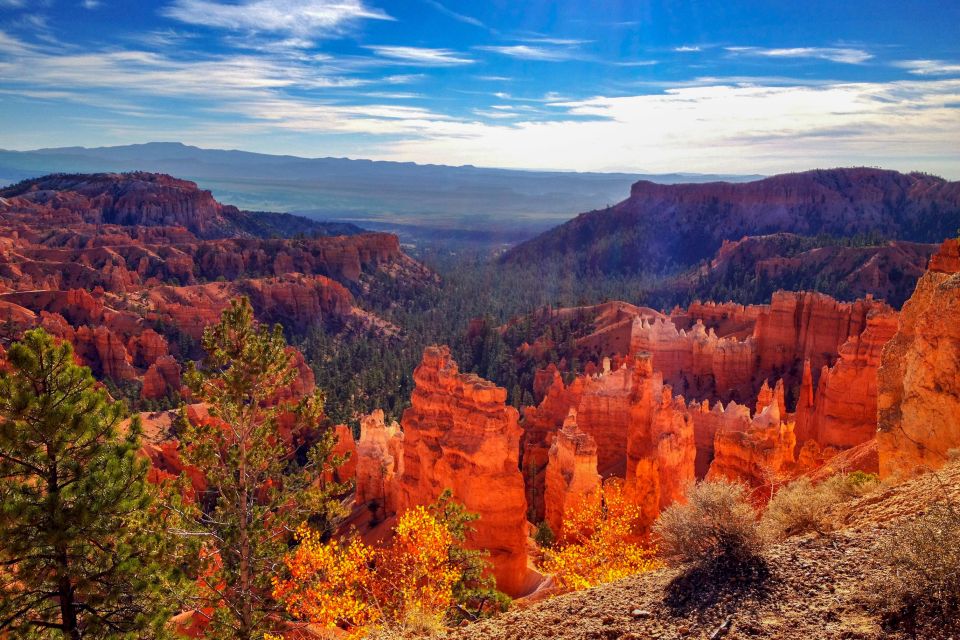
After Zion’s towering canyon walls, Bryce Canyon feels like the “other half” of the Southwest—built from erosion and shaped into spires called hoodoos. You’ll be standing on the rim of a natural amphitheater on the Paunsaugunt Plateau, and the color palette changes with the light: red, orange, and white forms against the sky.
The nice part is that Bryce isn’t just a scenic pull-off. You can walk out to viewpoints at different distances and still feel like you’re doing something meaningful, not only driving by. The guided portion helps you aim at the best spots, so you don’t waste limited time trying to figure out where to go first.
If you choose the camping option, Bryce is also where the experience shifts from sightseeing into a “Southwest camp” story. The plan includes BBQ and a campfire-style evening, and that social time is often what makes the group feel like more than a one-day bus ride.
Lake Powell and the Antelope Canyon option: worth it, but budget it
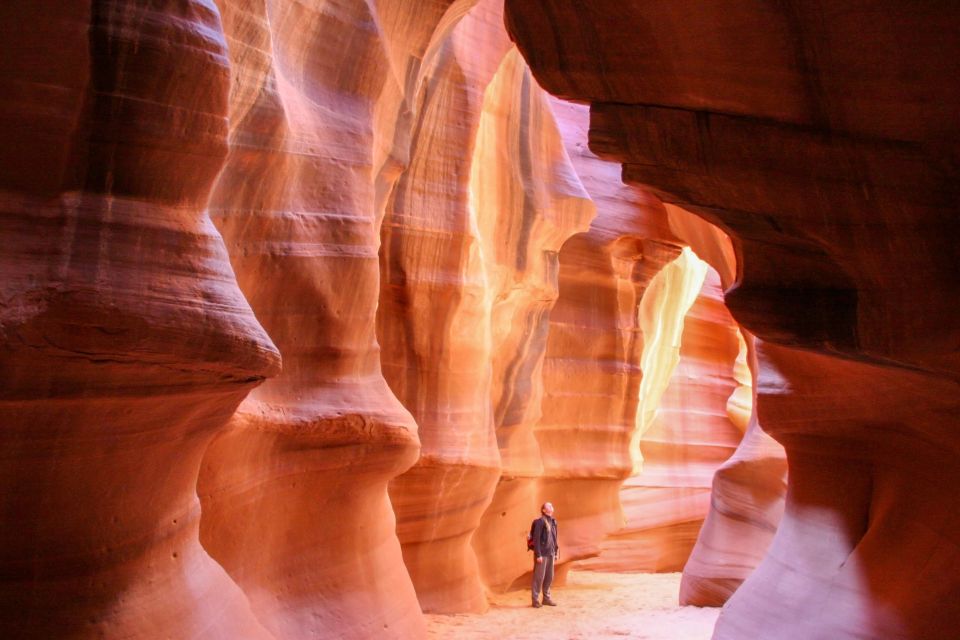
Lake Powell is a stop you pass through rather than a full-day centerpiece. Still, it’s a pleasant change of pace—water scenery after days of stone and desert air. It also sets up the optional add-on that many people remember most: Antelope Canyon.
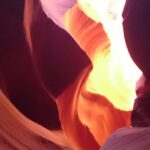
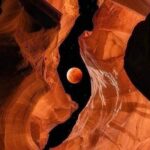
Antelope Canyon is not included in the base price. If you want it, you’ll pay an extra per-person fee (listed as about $90–$125). The upside is that this is one of those places where a short guided outing can feel like a full separate highlight. The downside is timing and cost: it’s another paid component layered on top of the main tour.
If you’re the type who wants every photo to look like a “pinch me, is this real?” moment, consider Antelope Canyon. If you’d rather keep costs down, skip it and keep your energy for Monument Valley and the Grand Canyon.

Monument Valley sunrise plus a Navajo-guided 4×4: the Western moment
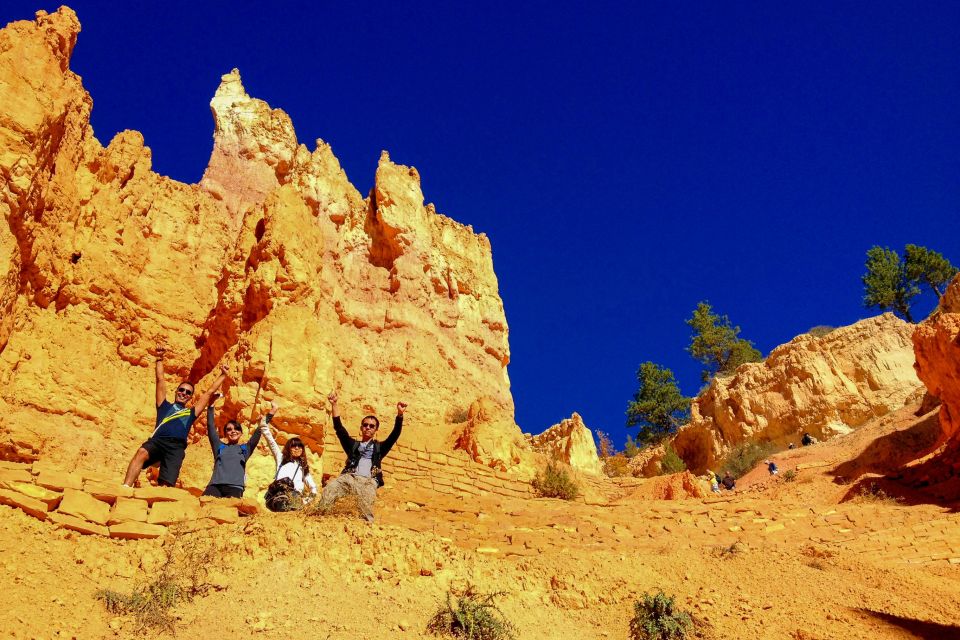
This is the day you wake up for. Monument Valley sunrise is built into the trip, and it’s one of the strongest reasons people rate this tour so highly. Even if you’ve seen photos before, the early light hitting the buttes creates depth you can’t copy from a screen.
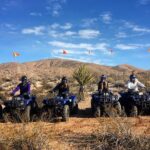
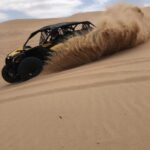
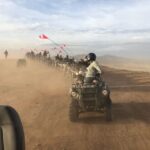
After sunrise, you’ll get a 1.5-hour Navajo-guided 4×4 jeep tour. That matters because you’re not just sitting in a vehicle; you’re riding into Navajo lands with local guidance. You’ll also get time for stops that focus on famous Western views—photo opportunities are part of the plan.
Lodging options also make this night feel special. You’ll camp at a full-service campground with hot showers and Wi-Fi at the rim, or choose the Historic Gouldings Lodge option if you prefer a bed. Either way, the stars tend to become a “moment” simply because you’re out there long enough to notice them.
One practical note: even with the best sunrise plan, this is still a schedule day. You’ll want to be ready for early wake-up and quick transitions.
Grand Canyon rim time: walk it your way, then choose your risk level
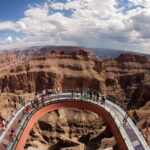
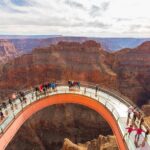
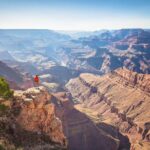
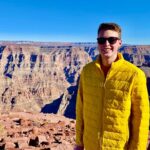
You’ll reach the Grand Canyon late enough to have time options, not just one quick look. The big feature here is time on the rim—you can take a leisurely walk along the edge, or pick a hike level that fits your legs and your comfort.
As you’re there, your guide shares context and details about this Natural Wonder of the World. That’s valuable because the Grand Canyon can feel like one long postcard if you don’t know what you’re seeing. With a little interpretation, you start noticing layers, erosion patterns, and why viewpoints look the way they do.
Then there’s the optional helicopter ride. It’s not cheap—priced around $280–$450 per person depending on what you choose—but it’s offered as an alternative if you want a totally different angle. If you’re flying averse or you’re traveling on a tighter budget, you can still have a satisfying rim experience without it.
Sleeping options: full-service camping vs 3-star hotels
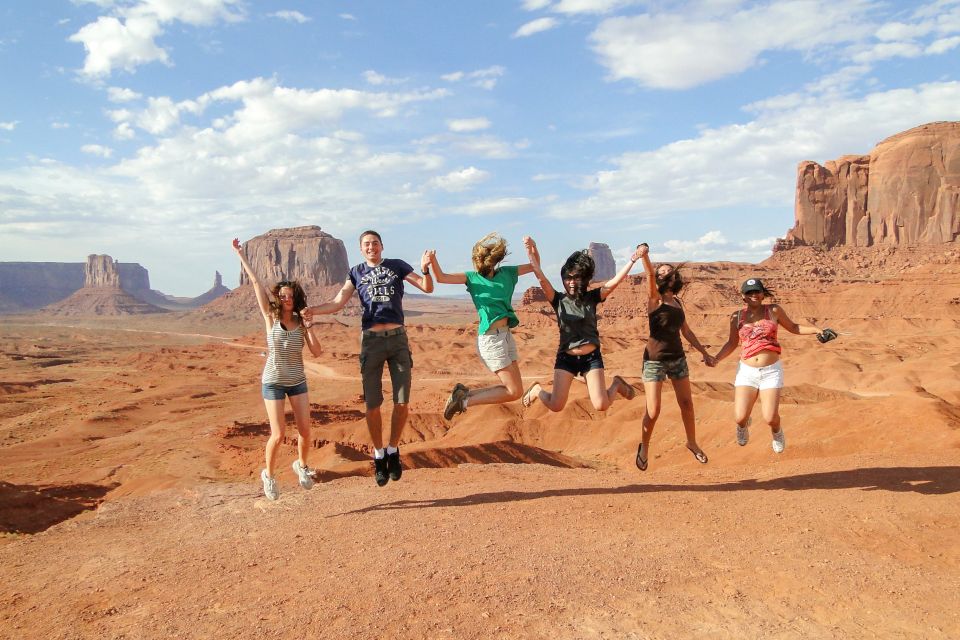
You can camp or choose a 3-star hotel option, and that flexibility is one of the tour’s strongest practical advantages. For camping, the plan includes full-service campgrounds with amenities like hot showers and Wi-Fi at Bryce and at the Monument Valley rim.
Some people have called camping exciting and memorable—especially Monument Valley morning—but others have hinted the camping setup can be “rough” depending on the specific conditions of the night. The tradeoff is clear: you gain that under-the-stars feeling and a more social camp vibe. If you want comfort and a more predictable night’s sleep, the hotel option is the safer bet.
The tour also includes an evening plan at Bryce with BBQ and campfire-style fun. If you camp, you get to stay in that setting longer; if you choose lodging, you can still enjoy the atmosphere built into the day’s schedule.
Price and what you actually get for $875
At $875 per person for a 3-day tour, you’re paying for three things at once: transportation, guided experiences, and the “connect-the-dots” planning across far-flung parks. When you compare this to DIY driving and paying for park entries, you’re buying convenience and someone else to handle timing.
Included in the base price:
- Camping or 3-star hotel rooms (depending on your option)
- Three sandwich-style lunches
- Two breakfasts only on the camping option
- Valley sunrise and guided hikes
- Navajo-guided 4×4 jeep tour (1.5 hours) in Monument Valley
- National park entry fees for US residents
- A tour commentary app in multiple languages
Not included:
- Evening meals beyond what’s built into the plan
- Antelope Canyon (about $90–$125)
- Grand Canyon helicopter (about $280–$450)
- Park fees for non-US residents
If you’re a solo traveler, that matters too. You’re paying for structure and company, and most guides run the group so you can meet people without being forced into constant “activity together” mode.
The biggest value decision for you is whether to add Antelope Canyon and whether to do the helicopter. If you add both and also want extra meals, your total spend rises quickly. If you skip both, the base price feels more straightforward.
Comfort on the road: long drives, frequent stops, and heat/season reality
You’ll spend time in transit between parks. That’s unavoidable with Zion to Bryce to Monument Valley to the Grand Canyon in three days. The upside is that stops are part of the day—enough to stretch, grab snacks, and reset.
What to plan for:
- The minibus ride may feel tight, so choose your seat mindfully.
- Weather matters. Bring a hat and sunscreen, and remember you might need both lighter and warmer layers depending on the season.
- Heat tolerance can be tested in warmer months.
The tour includes an app with commentary in several languages (French, German, Spanish, Italian, Mandarin, Korean, and Japanese), plus an optional audio guide in other languages. This helps you get meaning out of the drive time without needing to stare at a guidebook.
Who should book this tour, and who should pass
This fits best if you want a structured intro to the Southwest parks and you’re okay with a fast schedule. It’s a good choice for solo travelers who like meeting people and for couples or friends who want guided context without having to plan everything.
It’s less ideal if you want lots of hours in one park. If your dream is slow trail time or you want to linger at the Grand Canyon for a full day, you’ll likely feel the pressure of the clock.
Also, the tour isn’t suitable for children under 7, and it’s not for wheelchair users.
Should you book this Las Vegas-to-Grand Canyon power trip?
I’d book it if you want the parks you’ve seen online—Zion, Bryce, Monument Valley, and the Grand Canyon—and you’d rather trade DIY planning for expert guidance. The small-group size, the guided hikes, and the Monument Valley sunrise and jeep tour are the ingredients that make it feel worth doing in only three days.
I’d think twice if you’re tightly budgeted and don’t want to pay for add-ons, or if cramped transport will make you miserable. In that case, you might still enjoy the parks—but you may prefer a longer, slower plan with more breathing room.
FAQ
What’s the duration of this tour?
The tour runs for 3 days.
What’s the group size like?
It’s designed as a small group tour, with an average of about 13 guests.
Do I camp or stay in a hotel?
You can choose a camping option or a 3-star hotel option, depending on what you book.
Are meals included?
Three sandwich-style lunches are included. If you choose the camping option, two breakfasts are included. Evening meals are not included.
Is the Monument Valley jeep tour included?
Yes. A 1.5-hour Navajo-guided 4×4 jeep tour is included.
Are national park entry fees included?
US residents get national park entry fees included. Non-US residents have different park fees.
Is Antelope Canyon included?
Antelope Canyon is optional and costs an extra fee (listed as about $90–$125 per person).
Is the Grand Canyon helicopter ride included?
No. The helicopter ride is optional, with a listed price range of about $280–$450 per person.
What language support do I get?
The live guide speaks English. The tour commentary app is available in French, German, Spanish, Italian, Mandarin, Korean, and Japanese. An optional audio guide is available in English, French, German, Spanish, Italian, Japanese, Korean, and Chinese.
Where do I meet for the tour?
The meeting point may vary depending on the option booked.