REVIEW · 1-DAY TOURS
From Las Vegas: Death Valley & Rhyolite Ghost Town Day Trip
Book on GetYourGuide →Operated by Skyline Expeditions · Bookable on GetYourGuide
Death Valley has a way of making everything else feel small. This trip is built around big, memorable stops like Zabriskie Point and the eerie quiet of Rhyolite Ghost Town, with a guide steering you to the most worth-seeing angles. You also get the story layer, from Harmony Borax Works to the gold-rush boom that lasted just a little over a decade.
The main trade-off is the heat and the pace. Even with earlier departures in the summer window, viewpoints can be weather- or traffic-dependent, so if conditions are cloudy or smoky, some panoramas won’t look quite as crisp.
In This Review
- Quick hits you’ll feel in your day
- Why This Death Valley & Rhyolite Day Trip Works From Las Vegas
- Pickup, Pahrump, and the “Prep Before You Cook” Moment
- Your First Look Inside Death Valley National Park
- Dante’s View: High Vantage, Real-World Scale
- Zabriskie Point: Panoramas You’ll Want to Reframe
- Badwater Basin and Furnace Creek: Heat Management in Two Acts
- The Borax Trail: Harmony Borax Works on the Way Through
- Rhyolite Ghost Town: A Boom Town That Didn’t Last
- Tom Kelly Bottle House and the Mojave Desert Drive Out
- The Van Experience: Small-Group Comfort, Photo Tips, and Safety
- Price and Value: Is $170 Fair for a 10-Hour Death Valley Day Trip?
- Who Should Choose This Tour (and Who Might Prefer Another Plan)
- Should You Book This Death Valley & Rhyolite Day Trip?
- FAQ
- FAQ
- How long is the Death Valley & Rhyolite day trip?
- What’s included in the price?
- Are meals included?
- Where does the tour pick you up and drop you off?
- How big is the group?
- Is this tour suitable for mobility impairments?
- Bottom Line
Quick hits you’ll feel in your day
- Small-group size keeps the day personal, with limited spots and more time at photo stops
- Top viewpoints in a tight route: Dante’s View, Zabriskie Point, and Badwater Basin
- Borax and gold-rush history connects the dots between Harmony Borax Works and Rhyolite
- Rhyolite’s short boom (roughly 1904–1916) makes the ghost-town feel unusually sharp and real
- Unlimited drinks plus guided breaks help you cope with harsh desert conditions
- A surprise stop can add extra weird-and-wonderful flavor beyond the core itinerary
Why This Death Valley & Rhyolite Day Trip Works From Las Vegas
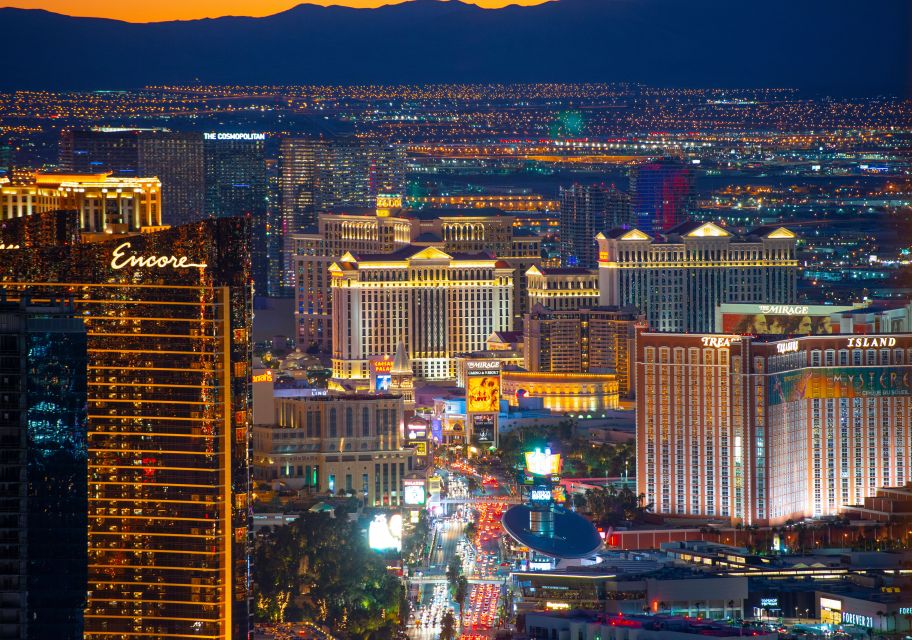
You’re paying for three things that are hard to DIY in one day: transportation, planning, and a guide who knows where to stand. With hotel pickup and drop-off at Treasure Island, Horseshoe Las Vegas, and Excalibur (three common, easy options), you can treat this as a “turn-key” desert day and keep your energy for the sights.
At around 10 hours, this isn’t a casual stroll. It’s a packed circuit across Death Valley National Park and surrounding areas, mixing guided viewpoints with short, workable walks. The upside of a guided route is that you’re less likely to waste time guessing drive times, parking, and the best photo angles.
The other thing I like: the tour is designed for a small group (limited to 10 participants, with a stated maximum of 14 travelers). That means you usually get more breathing room at stops than you would on a large bus, and your guide can adjust in real time when weather, light, or road conditions shift.
You can also read our reviews of more tours and experiences in Las Vegas


Pickup, Pahrump, and the “Prep Before You Cook” Moment
After you get picked up from your hotel lobby, the day starts with a quick Pahrump stop for shopping (about 25 minutes). This is a practical move. You’ll want sunglasses accessible, sunscreen reapplied, and a plan for any small personal items you forgot (or want for later photos).
This early buffer also helps you reset your mindset. Las Vegas is bright and busy. Pahrump feels more utilitarian, like you’re transitioning from the casino neon world into the real Mojave rhythms. Then you’re back on the road toward Death Valley.
If you get motion sickness easily, bring prevention meds and keep your bag secured. You’ll be in a vehicle for much of the day, plus there are the inevitable desert roads and turns.
Your First Look Inside Death Valley National Park
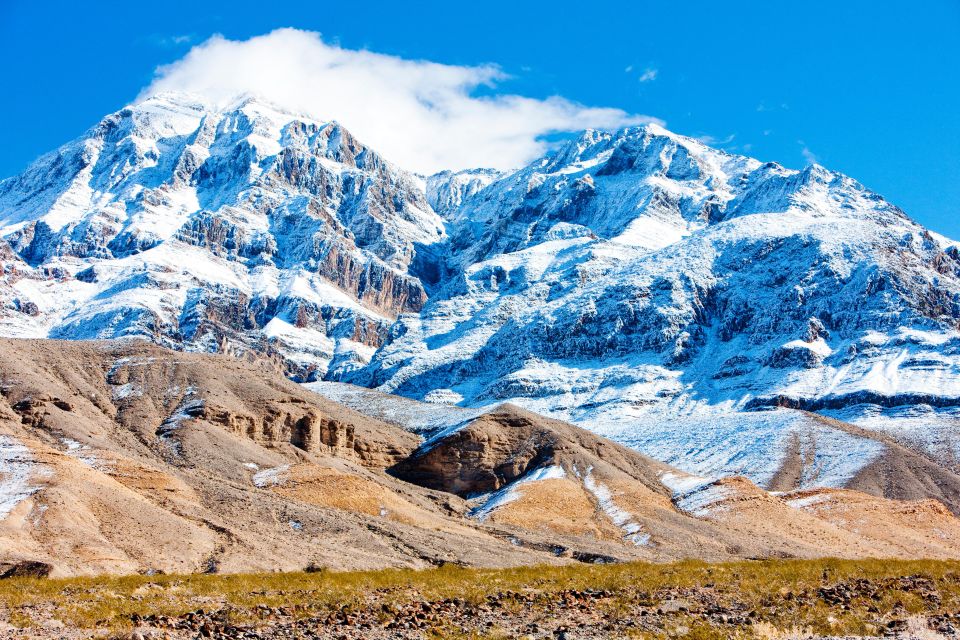
Once the route enters Death Valley National Park, you get about one hour for a guided visit. This portion matters because it helps you read what you’re seeing. Death Valley isn’t one single “type” of scenery; it’s a collection of extremes—dunes, canyons, and volcanic-looking formations—changing as you drive.
The trip’s value here is that you’re not just taking snapshots. Your guide can connect the physical features to the human stories you’ll hear next, including borax and gold-rush industry. That way, later stops don’t feel like random viewpoints stitched together.
You’ll also be reminded to pace yourself. Even when you’re stopping briefly, you’ll still be standing in sun and wind. Wear hiking shoes (even on short paths) because desert ground can feel harder on ankles than you expect.
Dante’s View: High Vantage, Real-World Scale
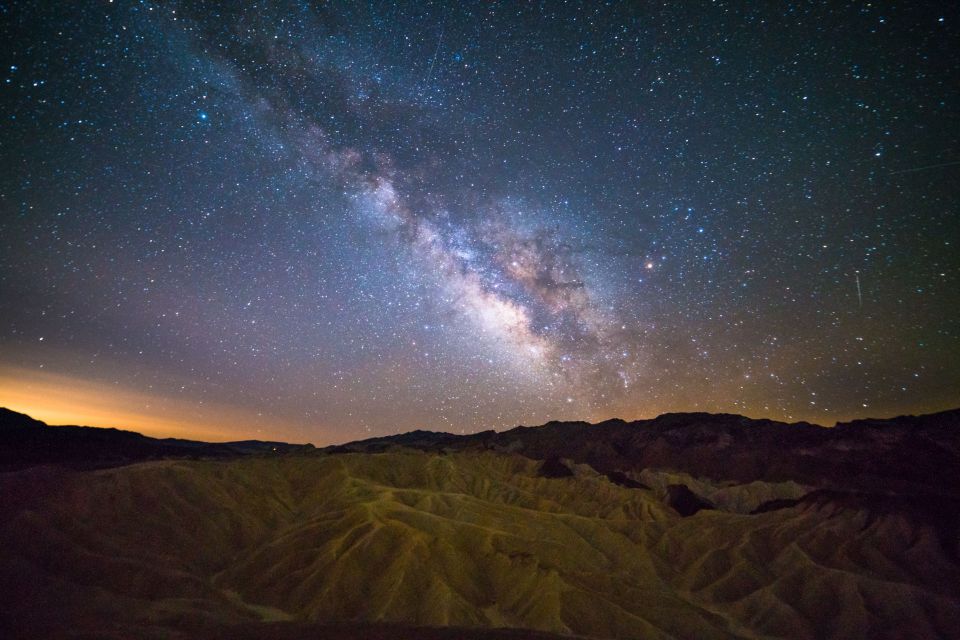
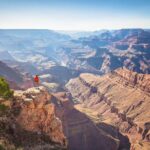
Dante’s View is one of those stops that makes the park feel enormous fast. You’ll have about 30 minutes with a guided tour, which is enough time to soak in the wide angles without feeling rushed.
Why it’s worth it: it gives you perspective on how Death Valley is shaped—layers of ridges and valleys that don’t read well from ground level. It’s also a relief from the feeling of being “down in it.” At an elevated viewpoint, you can often see more of the system at once, which helps you understand why the park is famous for dramatic distances.
Practical tip: dress for sun and wind. Desert light can be harsh, and even on days that are cool enough, the air can feel sharp at viewpoints. If you’re planning photos, consider glare control (hat brim + sunglasses help).
Zabriskie Point: Panoramas You’ll Want to Reframe
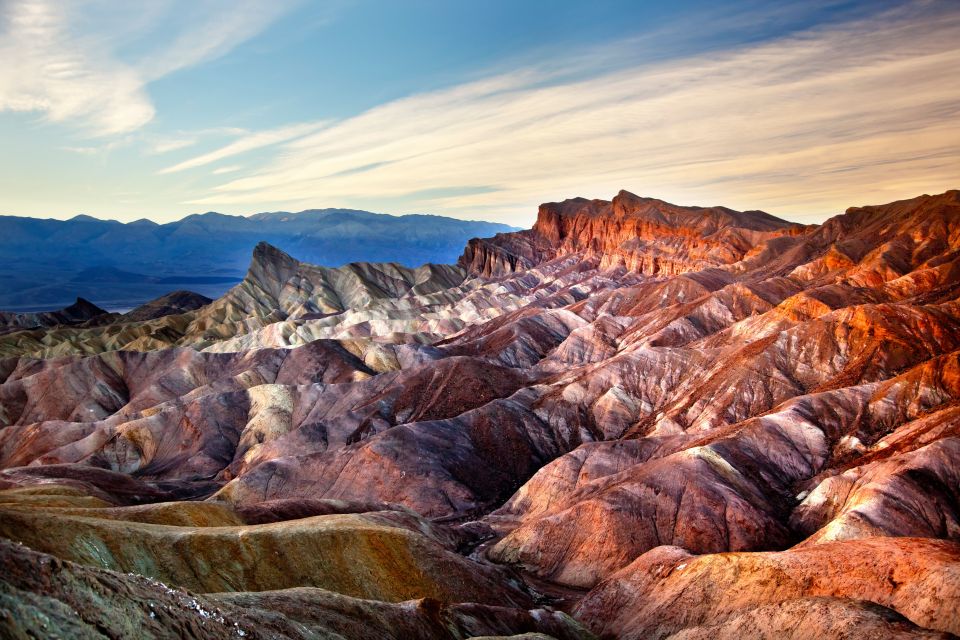
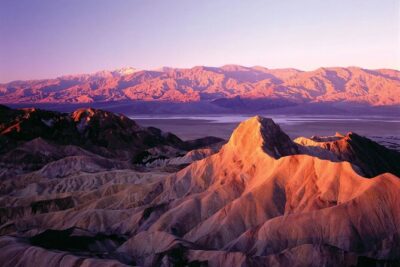
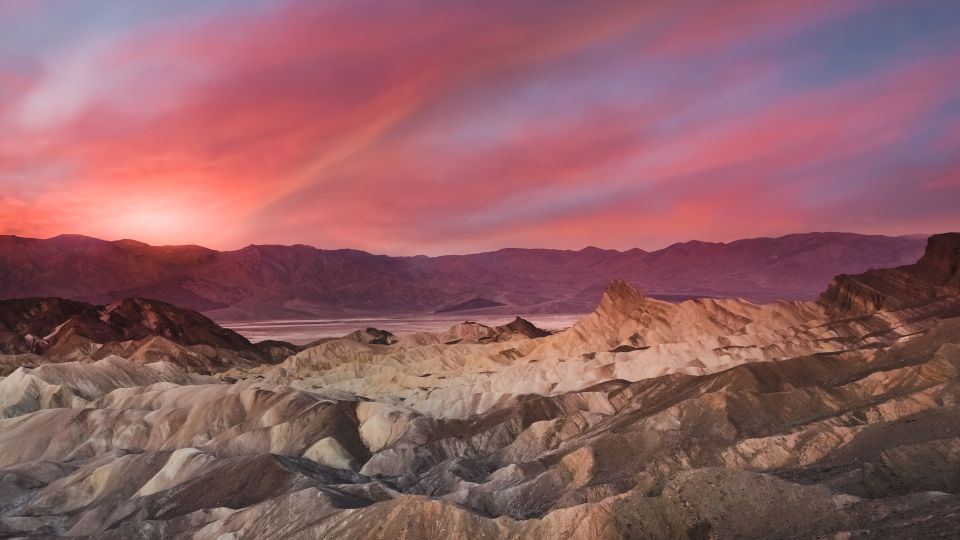
Zabriskie Point is where the trip leans hardest into pure view time—also about 30 minutes guided. Expect panoramic scenes over Death Valley’s dramatic features, plus lots of spots to step slightly to change the angle for photos.
I like that the itinerary doesn’t treat this as a quick pull-over. You get enough time to reposition, check camera settings, and let your eyes adjust to the colors and shadows. If you’re sensitive to heat, it’s better to arrive prepared than to wait until you feel drained.
Also, keep in mind that weather and traffic can change timing. If clouds roll in, you might still get a beautiful view, just with less contrast. If that happens, take the win anyway: Death Valley can look like a different place when the light is softer.



Badwater Basin and Furnace Creek: Heat Management in Two Acts
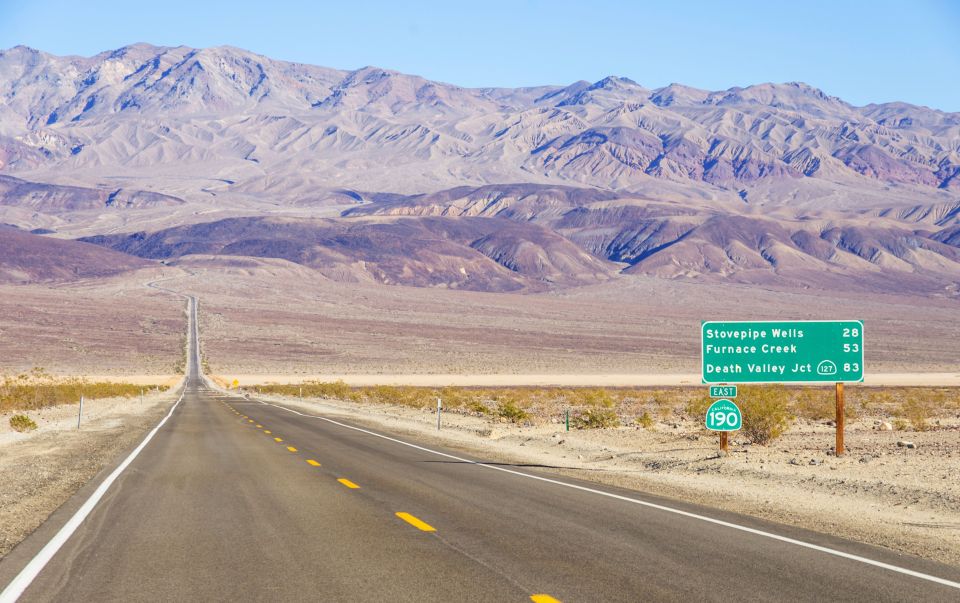
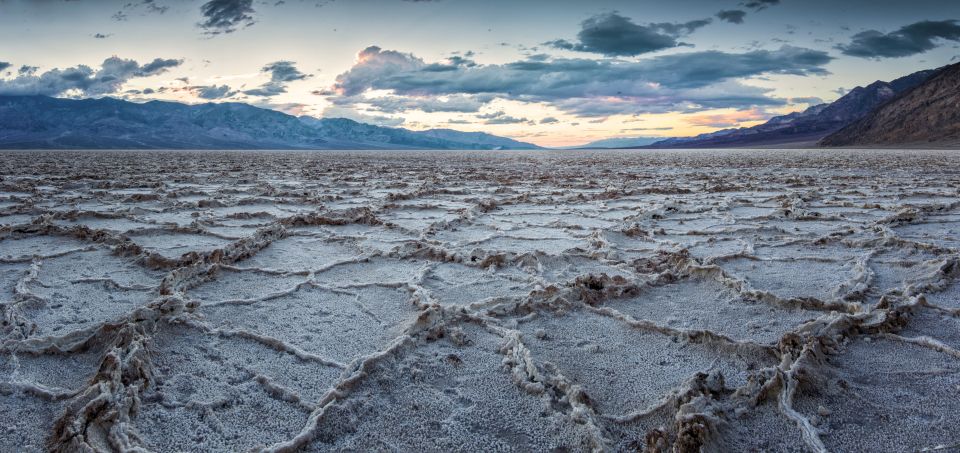
Next up is Badwater Basin with about 40 minutes of guided time. This is one of the most famous areas in the park for a reason: the ground feels stark and otherworldly, and the setting highlights the extreme conditions that define Death Valley.
The key for you isn’t just staring—it’s using the stop wisely. That includes water habits. You’ll have unlimited drinks on the tour, and multiple reviews highlight guides staying on top of hydration during hot stretches. The best version of this day is when you don’t wait until you feel thirsty.
After Badwater Basin, there’s a break time at Furnace Creek (about 20 minutes). This is your practical reset: bathroom needs, quick snack if you brought something, and a moment to catch your breath before the next series of stops.
If you’re driving solo, Furnace Creek is usually where you’d end up anyway. The tour’s advantage is that you don’t have to coordinate it yourself—you just follow the plan and keep moving.
The Borax Trail: Harmony Borax Works on the Way Through
You’ll pass Harmony Borax Works and get history along the route. This is one of the smartest parts of the day because it turns the desert into a story, not just a view.
The borax industry played a major role in Death Valley’s modern-era boom. Hearing that context matters once you reach places like Rhyolite, where human ambition suddenly appears in the middle of a place that looks too harsh to build anything.
Even if you’re not a history person, you’ll likely enjoy the cause-and-effect feeling: industry shows up, roads and infrastructure follow, people gather, and then the boom fades. In Death Valley, that “rise and fall” is always in the background.
Rhyolite Ghost Town: A Boom Town That Didn’t Last
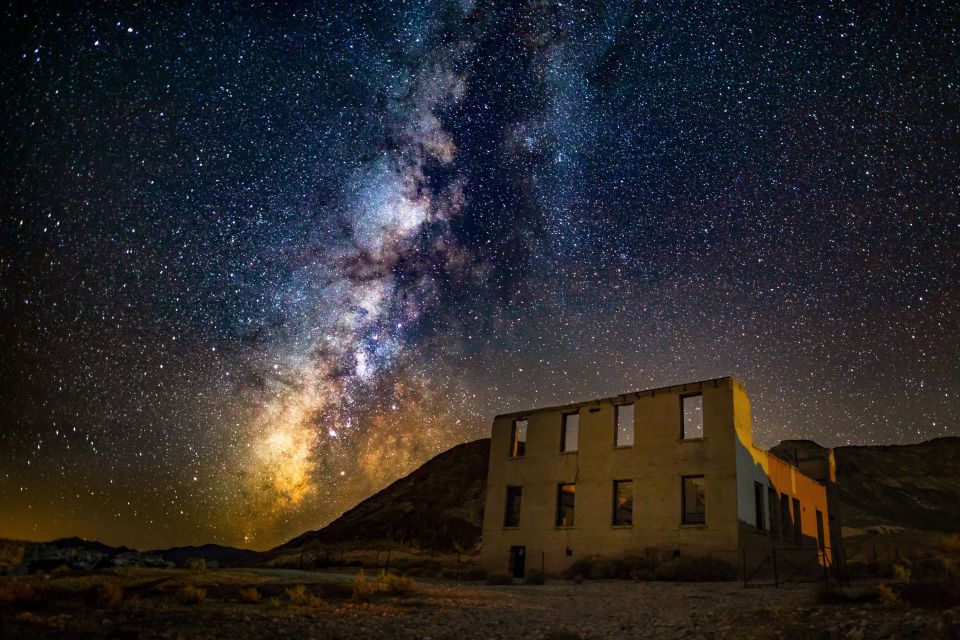
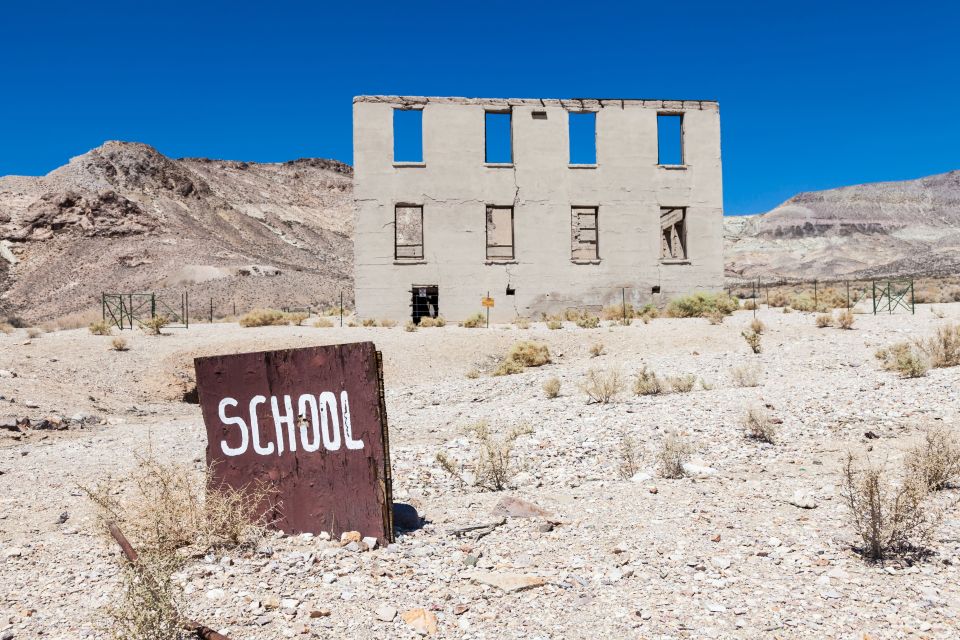
Rhyolite is the emotional swing of this day. The ghost town was inhabited for a short window during the gold rush—about 1904 to 1916, roughly 12 years—and you’ll get time to wander the desolate streets and explore the preserved remains of that brief surge.
Why this stop works so well on a long day: Rhyolite gives you a different texture than the viewpoints. Instead of looking out over the park, you’re moving through what people left behind. You can see how the town’s infrastructure sprang up quickly, and how emptiness took over just as fast.
You’ll also have a guided portion built around the ghost town experience. The route makes sure you don’t treat it as a quick stop photo op. You get enough time to walk the area and understand what you’re looking at: a town that didn’t persist, but still tells a clear story about optimism, extraction, and hard reality.
One note: the park can be brutally sunny. Even in shade, dust and heat travel. Bring a hat, use sunscreen, and take breaks when needed.
Tom Kelly Bottle House and the Mojave Desert Drive Out
After Rhyolite and the surrounding story stops, you’ll head to Tom Kelly Bottle House for about 30 minutes of guided time. This is the kind of quirky roadside stop that breaks up the heaviness of the main park sights. It gives you a human, creative layer that contrasts with the industrial history.
Then there’s a secret stop (about 20 minutes) before you head out into the Mojave Desert sightseeing stretch (about 20 minutes) on the way back. The exact details of what you’ll see at that “secret” portion can vary, and some guides add extra fun based on timing and conditions.
From real-world departures, you may also see added side content such as:
- extra unusual stops tied to desert pop culture or roadside oddities
- small-time detours if road conditions allow
- extra wildlife moments when the guide finds a safe, timed opportunity
The point is: your guide isn’t just reading a script. They’re trying to make the day feel complete.
The Van Experience: Small-Group Comfort, Photo Tips, and Safety
In a day like this, comfort is more important than people think. You’ll be sitting for long stretches between stops, with fewer chances to stretch than a multi-day trip.
Multiple reviews put a spotlight on guides like Bin Yang, who gets praised for being funny, communicating clearly, and helping with photo timing and angles. The practical benefit for you: a guide can tell you where to stand so you’re not just walking around hoping for the best shot.
Your day also depends on how your guide manages risk. Death Valley is not forgiving, and reviews repeatedly mention guides checking in on people in heat and dust. That’s the kind of experience you want: not just driving you to sites, but keeping you safe and comfortable through the harsh parts.
Also, be ready for a full van. One review mentioned cramped space as the only real drawback. If you’re sensitive to tight seating, pick your posture before the long stretches and keep essentials in reach.
Price and Value: Is $170 Fair for a 10-Hour Death Valley Day Trip?
At $170 per person for a 10-hour guided outing, the price isn’t just about admission fees. You’re paying for:
- Hotel pickup and drop-off
- Transportation across a large area
- A national park permit
- Unlimited drinks
- Hiking trails included as part of guided stop times
- A live guide with enough skill to keep the day organized and photo-friendly
Meals are not included, so you should plan to handle food breaks yourself. That’s the one part you’d need to budget for separately—unless the tour day naturally aligns with a stop where you can buy something fast.
Is it “worth it”? For most people, yes, because this is the kind of route that’s time-consuming to build on your own. Self-driving isn’t just about rental costs. It’s about knowing what’s worth the effort within limited daylight and managing heat, parking, and timing.
Where you’ll feel you got good value is in the small-group feel and the way your guide turns each stop into something more than a quick drive-by.
Who Should Choose This Tour (and Who Might Prefer Another Plan)
This day trip is a great match if you want:
- A first-timer’s Death Valley route that hits the big-name viewpoints
- A history thread connecting borax industry and the short gold-rush life of Rhyolite
- Someone handling the driving so you can focus on staying comfortable and taking photos
- A small-group vibe where you can ask questions and get help with pictures
It’s not suitable for people with mobility impairments, based on the tour’s suitability notes. If walking or standing is a challenge for you, it’s worth looking for a different style of day trip with less movement.
If you’re a hardcore desert photographer, the itinerary gives you multiple high angles and a strong mix of subjects. Just remember: the best photo day depends on light and weather, and the tour can adjust viewpoints due to traffic or conditions.
Should You Book This Death Valley & Rhyolite Day Trip?
If you’re visiting Las Vegas and you want one unforgettable desert day that’s actually organized, I’d book it. The combination of Dante’s View, Zabriskie Point, and Badwater Basin gives you the park’s scale, while Rhyolite adds the human story that makes the visuals stick in your memory.
I’d especially choose it if you like having a guide like Bin Yang (and others who lead these trips) help with photo angles, keep hydration up, and maintain a steady pace across a very demanding environment. Skip it only if you know you’ll struggle with heat, long sitting stretches, or the amount of walking at viewpoints and in the ghost town.
FAQ
FAQ
How long is the Death Valley & Rhyolite day trip?
It runs for about 10 hours.
What’s included in the price?
Hotel pickup and drop-off, transportation, hiking trails, unlimited drinks, and a national park permit are included.
Are meals included?
No. Meals are not included.
Where does the tour pick you up and drop you off?
Pickup and drop-off are available at Treasure Island, Horseshoe Las Vegas, and Excalibur Hotel & Casino.
How big is the group?
It’s a small group limited to 10 participants, with the tour also noting a maximum of 14 travelers.
Is this tour suitable for mobility impairments?
No. It’s listed as not suitable for people with mobility impairments.
Bottom Line
This is a strong choice for a one-day Death Valley hit: you get major viewpoints, the borax-and-gold story thread, and a real ghost town experience without the stress of driving and planning. If you’re ready for a long hot day and you pack smart, you’ll likely leave with that rare feeling of having seen a lot—and understood why it’s so famous.