REVIEW · ATTRACTION TICKETS
Las Vegas Mob Museum Admission Ticket
Book on Viator →Operated by The Mob Museum · Bookable on Viator
Mob history feels shockingly close to today. I love the Kefauver courtroom stop and the chance to hear FBI surveillance tapes—this museum doesn’t just list names, it shows how crime and enforcement played out. The one drawback: the material can be graphic and is not recommended for kids under 12.
This ticket gives you access to a three-floor museum in a former federal courthouse, plus a bonus visit to The Underground in the basement (a speakeasy and distillery area). I’d plan on at least 3 hours, and if you want to read more and pause for the interactive bits, 4 hours is a comfortable target.
In This Review
- Quick hits before you go
- Mob Museum ticket: the former courthouse and what makes it different
- Plan your 3-hour visit with timed entry and a smart flow
- Floor-by-floor highlights: Wall of Infamy, St. Valentine’s, and iconic artifacts
- Kefauver hearings and FBI materials: where the story shifts to enforcement
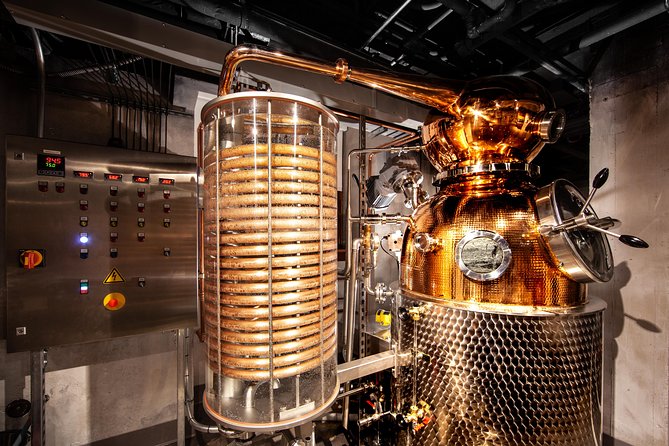
- The Underground: Prohibition speakeasy and working distillery basics
- Downtown logistics: parking, transit, and fitting it with Fremont Street
- Food, coffee, photos, and the small rules that save frustration
- The value question: is $34.95 worth it?
- Who should book this Mob Museum ticket (and who should skip)?
- Should you book the Mob Museum ticket?
- FAQ
- What is the price and typical duration for the Mob Museum ticket?
- What time are the Mob Museum and The Underground open?
- Is timed entry included, and can I use the ticket any time?
- How much time should I plan to see everything?
- Is the Mob Museum suitable for children?
- Are all ages allowed in The Underground speakeasy and distillery?
- Can I take photos inside the museum?
- Where can I park or take transit to get there?
- What is the cancellation policy?
Quick hits before you go
- Timed entry keeps your day moving, especially in the 11 AM–4 PM rush window.
- Three floors cover crime, corruption, and law enforcement, starting from the Mob era and moving toward modern implications.
- Courtroom and committee hearings help you connect gambling, politics, and prosecution into one story.
- St. Valentine’s Day Massacre wall and other artifact-style displays make the legends feel concrete.
- The Underground adds Prohibition-era flavor, with a speakeasy and a working distillery area below.
Mob Museum ticket: the former courthouse and what makes it different
The Mob Museum is housed in a former federal courthouse downtown, which changes the whole tone of your visit. Instead of a theme-park vibe, you’re walking through a building that already looks like evidence storage, legal paperwork, and serious process. That fits the museum’s approach: it treats organized crime as a system, and it treats law enforcement as the counterweight.
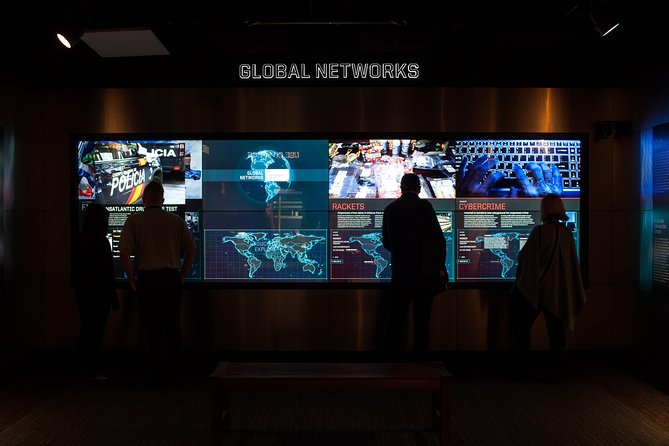
On the exhibit side, you’re not stuck watching one long video loop. You’ll run into multi-sensory, interactive displays, and you’ll see a lot of physical artifacts—things like a Tommy gun and even a Nevada gas chamber chair. Even if you’re more into the “true stories” angle than the criminal-justice angle, those objects make it harder to stay in a movie-montage headspace.
The other thing I like: it connects Las Vegas to the broader organized-crime story. You’ll see why the “Sin City” label wasn’t just marketing, including how the Mob influenced parts of early Las Vegas. You also get the other side of the equation—how investigators, committees, and prosecutions chipped away at the machine.
If you come for the famous names, you’ll find plenty of them: Al Capone, Lucky Luciano, John Gotti, Bugsy Siegel, and more on the Wall of Infamy. But the best payoff is when the exhibits pivot from celebrity to mechanism. The museum keeps asking a practical question: what actually allowed the Mob to work, and what tools helped stop it?
You can also read our reviews of more tours and experiences in Las Vegas


Plan your 3-hour visit with timed entry and a smart flow
This ticket uses timed entry, and that matters. Downtown Las Vegas can get busy, and the museum is typically heaviest between 11 AM and 4 PM. If you can pick a time outside that window, you’ll likely feel less rushed.
Inside, your pacing will depend on how you like to see museums. If you skim, you can get through in around one to three hours. If you stop for photos, read the exhibit panels, and want time for the courtroom components, you’ll land closer to 3–4 hours. I’d treat the 3-hour estimate as the “minimum comfortable” visit.
One practical tip that makes the day smoother: the building runs in floors, and many people start on the top level and work down. If you don’t want to feel like you’re jumping between eras, follow that natural flow. It also helps because the story builds: you start with the Mob story, then you move into the enforcement and prosecution angles as you go.
Also, plan a short coffee break mid-visit if you need it. There are light snacks and coffee available on the second floor in concessions. In real terms, that matters more than it sounds; it keeps your attention from slipping when you hit the heavier exhibits.
Floor-by-floor highlights: Wall of Infamy, St. Valentine’s, and iconic artifacts
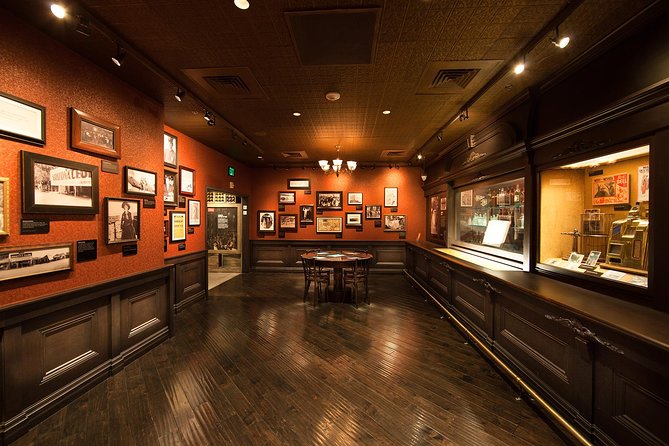
The museum is set up so you can bounce between big storylines and specific set pieces. Here are the standout stops that tend to hook people, and why they’re worth your time.
First, you should make time for the Wall of Infamy. Seeing a lineup of mobsters like Al Capone, Lucky Luciano, John Gotti, and others in one place helps you understand that this wasn’t one lone bad actor—it was a whole network of figures and organizations across decades. The wall covers “made men” spanning about 100 years, so it’s a quick way to reset your brain before you go deeper.
Next up: the St. Valentine’s Day Massacre wall. It’s the kind of exhibit that turns a headline into something you can actually orient yourself around. The museum uses displays tied to key events, so instead of only remembering a name from a history class, you’re picturing the event in context.
Then look for the artifact-style exhibits. A Tommy gun display gives you scale and texture—what “a weapon” means beyond a prop. The Nevada gas chamber chair is similar in a different way: it’s a reminder that the state’s punishment and procedures are also part of the story of crime and justice.
Also keep an eye out for exhibit content that connects the Mob to Las Vegas itself. The museum doesn’t treat the city as an isolated island; it frames Vegas as influenced by organized crime dynamics. That’s useful because it helps you connect what you see downtown with what you hear in the exhibits, instead of treating them as separate experiences.
Kefauver hearings and FBI materials: where the story shifts to enforcement
The museum really flexes when it moves from Mob operations to how law enforcement and oversight responded. The change in pace is the point.
Make time for the courtroom stop connected to the 1950 Kefauver committee hearings on organized crime. Sitting in that courtroom setting (and working your way through the related exhibit elements) helps you understand that this wasn’t just “crime was bad.” It was also about public scrutiny, political pressure, and getting leaders to answer to the system.
After you’ve seen that, the FBI surveillance tapes content becomes more meaningful. Hearing actual surveillance-style audio is one of the most direct ways to grasp how cases were built. It’s not just the drama of gangster life—it’s the slow accumulation of evidence and patterns.
The museum also includes elements where you can participate in FBI weapons training. Even if you skip the hands-on part, the presence of training shows you how the enforcement side tried to professionalize and standardize responses. It’s a useful correction to the idea that the Mob was beaten only by luck or cartoons.
One more smart move: if your visit lines up with a guest speaker talk in the courtroom, consider adding time for it. I’ve seen examples of former Mob-family speaker appearances, including Frank Calabrese Jr., for courtroom storytelling and discussion. Those talks can add depth fast—but they also add minutes, so treat that time as part of your museum plan, not as an optional bonus you might stumble into.
The Underground: Prohibition speakeasy and working distillery basics
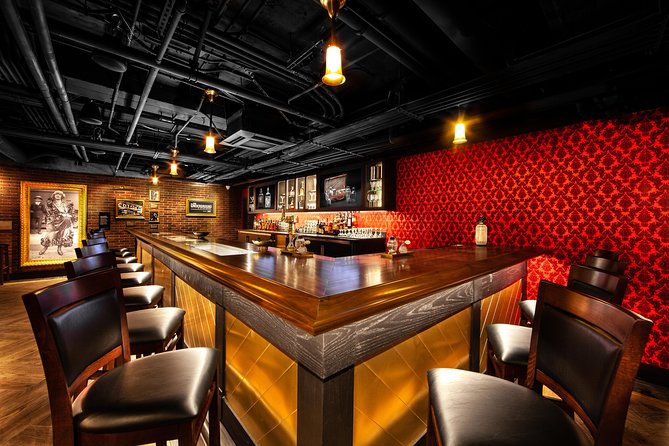
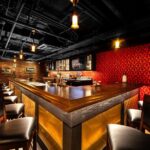
After the main museum, go down to The Underground in the basement. This is a Prohibition-era history space with a speakeasy feel, and it’s included with your museum admission.
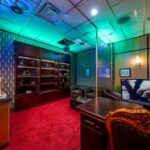
The best practical reason to include it: it breaks up the heavier crime-and-justice tone with something that feels like atmosphere and era. You’ll find a working distillery component, plus the speakeasy setting designed to bring the 1920s to life.
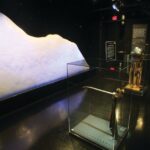
If you want a drink, you can order cocktails and other offerings, but drinks aren’t included. You’ll also see the museum approach to taste and production—particularly through the distillery piece, where you can learn about the process and where the museum’s house-distilled moonshine comes from.
There are also “house-distilled” products like flavored moonshines mentioned for the speakeasy area, which is a fun detail if you’re curious about what Prohibition-era themes have become in modern craft form.
Age note matters here: before 5 PM, the Underground is open to Museum guests of all ages. After 5 PM, the speakeasy and distillery areas shift to 21 and over rules for eating and drinking. So if you’re visiting with teens, plan your time accordingly if you want them to enter the speakeasy area after the afternoon.
And if you’re not into cocktails, you can still treat it as a museum experience down there. It’s still part of the Prohibition story, with lots of vintage decor and history context.
You can also read our reviews of more museum experiences in Las Vegas




Downtown logistics: parking, transit, and fitting it with Fremont Street
Location is one of the best reasons to do this museum. It’s steps from Fremont Street Experience, which makes it easy to turn into a clean half-day downtown plan.
If you’re driving, paid parking is available with a small fee. If the lot is full, there’s additional parking very close by. The practical caution I’d give you: don’t assume overflow lots are interchangeable. If the lot you end up in has different rules or signage, it can get messy fast. I’ve seen people end up with tickets because they parked in a wrong-designated area, even when the overflow lot looked like it was part of the same general plan.
If you want public transit, you’re in luck. There’s a stop right outside on the Downtown Loop free shuttle. From the Strip, the RTC Deuce bus also serves parts of downtown.
Timing-wise, your museum visit works well paired with an early dinner or a late snack around Fremont. If you finish near your entry time, you’ll still have daylight or evening energy to wander.
Also keep in mind that the museum sits in a multi-floor building that has elevators and a lift at the front. If you’re planning around mobility needs, it helps to know the building is designed for museum accessibility and includes elevators.
Food, coffee, photos, and the small rules that save frustration
You can take photos inside the museum. That’s great, but do it the considerate way: no flash, and don’t block pathways or entrances/exits. In a busy museum, that’s a simple rule that keeps your visit friendly and smooth.
Food and drink are available for purchase, but don’t assume full meals are everywhere. You’ll find light snacks and coffee on the second floor concessions. Down in The Underground, you’ll have more speakeasy-style offerings. If your plan includes drinks, budget for them since they aren’t included.
Dress code is also real. Clothing that displays profane or obscene language, injurious text, or overly suggestive attire isn’t allowed. Plan normal everyday visiting clothes and you’ll be fine.
Lastly, don’t forget the mobile app option. A free app can help you with an interactive map and listings of exhibits and content. The museum also uses self-guided “missions,” which can be a good way to keep kids or fast-moving adults from feeling like they’re wandering aimlessly. (If you go this route, use it for focus, not for perfection.)
The value question: is $34.95 worth it?
At $34.95 per person (plus local taxes), this ticket isn’t “cheap,” but it’s also not in the same category as a long Vegas tour with a van ride and a scripted lunch stop. You’re paying for a full admission experience in a major museum setting, with a timed entry system that reduces the wait time pressure.
What improves the value is the package feel. You don’t just get the three-floor museum. You also get access to The Underground in the basement. That’s an added thematic experience without adding another separate ticket price.
The duration also supports the value. If you take your time, you’ll likely spend 3+ hours. Many people say it’s worth planning extra time rather than rushing through. Rushed visits are where museums lose their best details.
If you’re a true crime fan, expect to feel satisfied. If you’re not, you might still like it because the museum frames organized crime alongside the tools used to fight it—paperwork, hearings, surveillance, and enforcement tactics. That approach helps it play well beyond the “gangster stories” crowd.
One thing to watch: there are add-on experiences that aren’t included in this basic ticket, such as Crime Lab and Use of Force style options, plus a Premier Pass. If you’re tempted by those, check what they include on the day you book so you don’t accidentally pay for overlap you could get from the main exhibits.
Who should book this Mob Museum ticket (and who should skip)?
This is a strong choice if you like history that has consequences. You’ll likely enjoy it if you want the “how it worked” side of organized crime, plus the “how it got stopped” side through committees, investigations, and law enforcement methods.
It’s also great if you’re taking a break from the usual Las Vegas routine. Instead of another casino loop, you’re getting a downtown experience that’s self-paced and fact-heavy, with plenty to look at.
I’d reconsider if you’re traveling with younger kids. The museum itself warns that the content may not be suitable for children under 12 due to graphic subject matter. For many families, it becomes a “teen and up” stop.
If you’re sensitive to graphic crime and punishment topics, go in with eyes open. Some exhibits deal with real brutality and harsh realities, even if the museum stays educational rather than sensational.
And if you’re short on time in Vegas, pick your entry time carefully. This is the kind of museum you won’t enjoy if you treat it like a quick stop between dinner reservations.
Should you book the Mob Museum ticket?
I’d book this if you want a high-value downtown activity that’s different from the casino strip, with real artifacts, court and hearing context, and FBI-style evidence content. The timed entry helps you avoid wasting hours waiting, and the included trip to The Underground gives you a nice Prohibition-era release valve at the end.
Skip it if you’re traveling with kids under 12, or if graphic themes would genuinely ruin your day. If that’s not your situation, this ticket is one of the best “learn and look” stops in Las Vegas because it ties legends to enforcement, and it does it in a real courthouse setting you can’t fake.
FAQ
What is the price and typical duration for the Mob Museum ticket?
The ticket is $34.95 per person and the visit is about 3 hours on average.
What time are the Mob Museum and The Underground open?
The Mob Museum is open 9:00 AM to 9:00 PM daily. The Underground speakeasy area is open daily from noon until midnight, and hours can change.
Is timed entry included, and can I use the ticket any time?
Your ticket must be used at your selected entry time. Arrive a few minutes early to redeem it.
How much time should I plan to see everything?
Most people can spend about one to three hours total depending on interest, and it can take 3–4 hours if you want time for everything.
Is the Mob Museum suitable for children?
Children are welcome, but the museum is recommended for children 12 years and up due to the graphic nature of some subject matter.
Are all ages allowed in The Underground speakeasy and distillery?
The Underground is open to Museum guests of all ages before 5 PM. After 5 PM it is 21 and over for eating and drinking, and the distillery is 21 and over.
Can I take photos inside the museum?
Photography is allowed, but without disruption to exhibitions and without blocking traffic flow. Flash photography is prohibited.
Where can I park or take transit to get there?
Paid parking is available near the museum. Public transportation works well, with the Downtown Loop shuttle stopping right outside and the RTC Deuce bus servicing the Strip.
What is the cancellation policy?
Free cancellation is available up to 24 hours in advance for a full refund. If you cancel less than 24 hours before the start time, the amount paid is not refunded.