REVIEW · 1-DAY TOURS
Small Group One Day Tour Death Valley National Park and Rhyolite Ghost Town
Book on Viator →Operated by Skyline Expeditions · Bookable on Viator
Death Valley can feel like another planet, and this one-day route is built to show you why fast. You get round-trip transport from Las Vegas plus a tight set of stops that hit the park’s most famous (and weird) features, and you’re also adding Rhyolite Ghost Town without any extra planning. The main drawback to keep in mind is the day runs long and starts early, so heat and early logistics matter more than you might expect.
What I really like is the small-group setup (max 14), which keeps the day relaxed enough for photos and viewpoint time. I also appreciate the included unlimited bottled water and park permits, so you don’t waste mental energy on details. The one thing that can limit your comfort is that meals aren’t included, so you’ll need to plan food for a full day on the go.
In This Review
- Key things to know before you go
- Death Valley day trip logistics that actually affect your comfort
- Small group (max 14) is the real upgrade, not the marketing line
- Stop 1 in Pahrump: the lunch reset you should treat as important
- Rhyolite Ghost Town: the gold rush that didn’t last
- Death Valley National Park: a 4-hour stretch of big features
- Mesquite Flat Sand Dunes: short time, big payoff
- Artist’s Drive: rainbow tones from volcanic minerals
- Zabriskie Point: badlands views and the salt flats in the distance
- Badwater Basin: the lowest point and the salt-silver floor
- Return drive: evening Mojave Desert time is part of the experience
- Price and value: what you’re really paying for at $170 per person
- Guide quality can make or break a long day
- What to pack for Death Valley heat and photo stops
- Should you book this Death Valley and Rhyolite small-group tour?
- FAQ
- What time does the tour start?
- How long is the Death Valley and Rhyolite tour?
- How many people are in the group?
- What’s included in the price?
- Are meals included?
- Can I cancel for a full refund?
Key things to know before you go
- Small group max of 14 means less crowd friction at viewpoints and easier timing for photos
- Rhyolite Ghost Town + Death Valley in one day gives you gold-rush weirdness and geological weirdness back-to-back
- Mesquite Flat Sand Dunes, Artist’s Drive, Zabriskie Point, Badwater are all built into the route with set time windows
- Early departure (even earlier in summer months) helps you avoid peak heat periods
- Unlimited bottled water is included, which matters when you’re in a hot, dry place all day
- No meals included means bring your lunch plan and snacks seriously
Death Valley day trip logistics that actually affect your comfort
This is a 10 to 11 hour outing that usually starts at 7:00 am. During July 1st to September 1st, the departure can be earlier than scheduled to help you dodge the hottest stretch. That early start is not just a schedule quirk. It’s what keeps the day from turning into a heat contest.
Transportation is part of the value here: you get round-trip hotel pickup and drop-off, and you’ll ride in a vehicle that can vary based on group size. If you’re staying on the Strip or near Fremont Street, there are complimentary shuttles for designated pickup points, but there’s no reimbursement if getting to that meeting point is on you.
One more practical note: you’ll need your voucher and passport or U.S. photo ID for the pickup process. And if you’re late or miss the tour, there’s no refund, so build in extra buffer time on a long day.
You can also read our reviews of more tours and experiences in Las Vegas
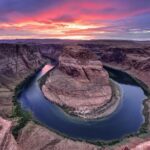


Small group (max 14) is the real upgrade, not the marketing line
The big promise here is relaxed pace, and the math supports it. With up to 14 travelers, you get more room to move at stops, and you’re less likely to feel stuck in a slow-moving crowd line at every overlook.
That matters in Death Valley, where the “famous photo spot” is often just a short pull-off and a few steps to the viewpoint. When groups are larger, you lose time waiting. When they’re smaller, you get breathing room: time for a quick question, time to step away from the group for a better angle, and time to take in the scale without rushing.
You’ll also notice it in how the guide can help with the day. On these kinds of tours, the best moments often come from small instructions—where to stand, what to watch for, and when to move on. The guides named in past tours, including Bin, Ben, Mark, and Kevin, are repeatedly credited with being organized and helpful with picture timing and logistics.
Stop 1 in Pahrump: the lunch reset you should treat as important
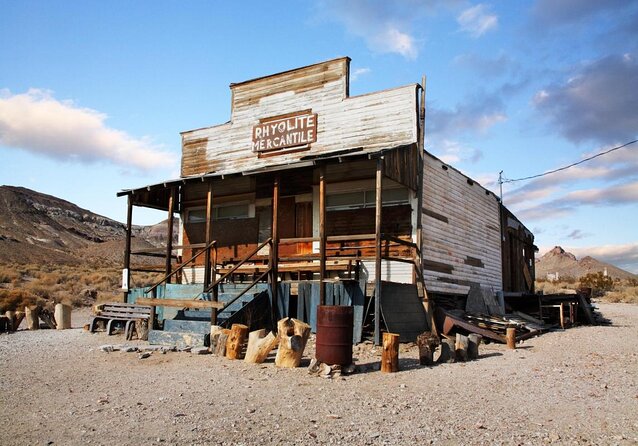
The day begins with a brief stop in Pahrump. It’s short—about 10 minutes—and the intent is clear: use the time to handle lunch. The tour notes a plan for a daily fresh lunch box for guests, but meals are also listed as not included overall, and there isn’t an easy “grab something later” plan baked into the rest of the route.
So treat Pahrump like your one shot to sort food and basic supplies. If you don’t eat before the park time stacks up, you’ll feel it. Death Valley is a place where energy drops fast when it’s hot and the day is long.
Rhyolite Ghost Town: the gold rush that didn’t last
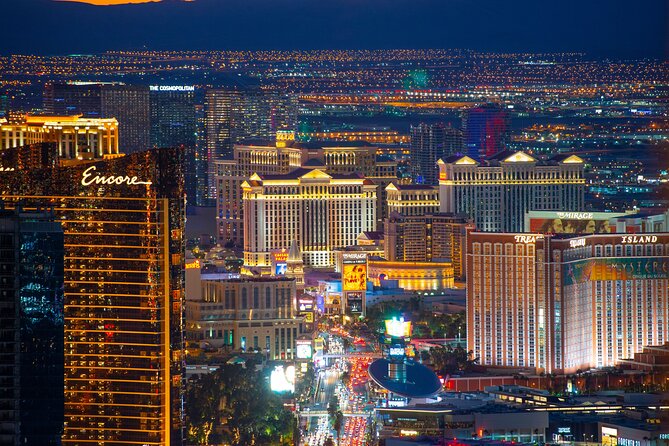
Rhyolite is a quick hit—around 30 minutes—but it packs an eerie lesson in how boom-and-bust works. It was inhabited for only 12 years, from 1904 to 1916, yet it grew into a real boomtown during that short window.
What you’ll like here is the contrast. You’re surrounded by desert, but the structures and infrastructure hint at a time when people thought gold would solve everything. The town’s emptiness is the point. Wandering the long-deserted streets gives you a kind of quiet that Death Valley viewpoints can’t always deliver.
If you have limited time, this stop is a smart add-on because it changes the story from geology-only to human history too. The one caution: you might feel the need to rush if you come hoping for more than a brief walk-through. It’s designed as a short, atmospheric stop, not a full museum-style visit.
Death Valley National Park: a 4-hour stretch of big features
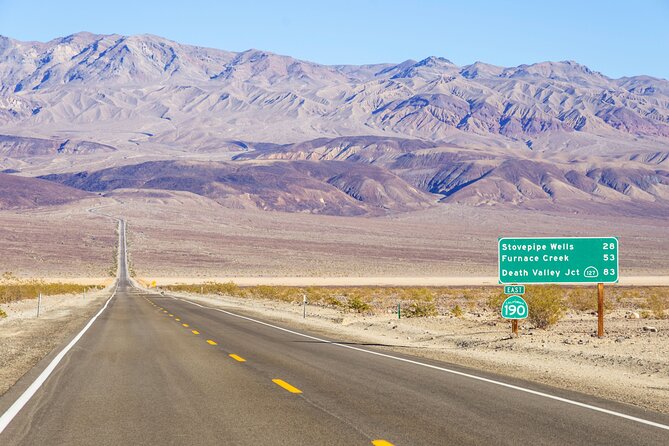
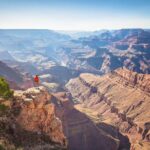
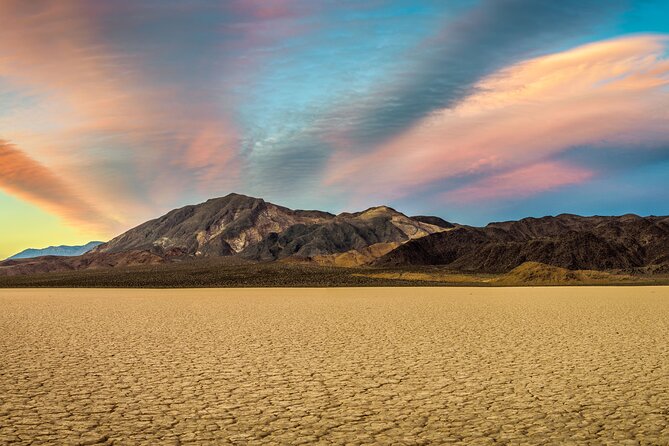
Your core park time is about 4 hours. That’s enough to see major highlights without feeling like you’re constantly speeding from one parking lot to the next. The park is described as the hottest, driest, and lowest in the United States, yet it’s not a flat emptiness. Within the drive and viewpoint stops, you’ll see variety: sand dunes, salt flats, colorful rock, and tall mountain backdrops.
This part of the day is where the scale hits you. Death Valley looks simple from far away, but up close it’s layered. You’ll often find that the best “how is this even real?” moments come from the geological details—layering, striations, and mineral tones that feel almost artificial.
The trade-off is also clear: Death Valley punishes slow bodies. Even if the walking is manageable, you need to move smartly, hydrate, and wear sun protection. The guides and route structure help, but your comfort still depends on how prepared you are.



Mesquite Flat Sand Dunes: short time, big payoff

Next up is Mesquite Flat Sand Dunes, with about 30 minutes here. One thing that surprised many people is that Death Valley isn’t covered in sand sea-style dunes. Only a tiny fraction of the desert has dunes. Mesquite Flat is where the dunes show up in a classic form because the sand has sources, wind movement, and geographic traps that keep it there.
What you get in this stop is mostly visual: shadowed ripples, graceful curves, and the kind of light that makes sand look almost sculpted. The time window is short, so you’ll want to move efficiently. If you want the best photos, arrive ready: hat on, sunscreen done, phone battery checked.
This is also a stop where wind can play a role. If you’re sensitive to blowing sand, keep your glasses and clothing options in mind.
Artist’s Drive: rainbow tones from volcanic minerals
Artist’s Drive is another 30-minute stop, and it’s famous because the hills can look painted. The highlight is Artist’s Palette, where you see bands and splashes of red, orange, yellow, blue, pink, and green.
Here’s the practical value of understanding why it looks that way: the colors come from volcanic deposits and minerals such as iron oxides and chlorite. Knowing that makes the color variation feel less random and more like geology doing its artwork in layers.
One thing to watch for is weather and light. If conditions aren’t bright or you’re in wet weather, the color intensity can soften. The fix is simple: when the light is good, linger. When it’s not, at least take wide shots and a few close-ups—mineral bands often still show texture even if the colors look quieter.
Zabriskie Point: badlands views and the salt flats in the distance
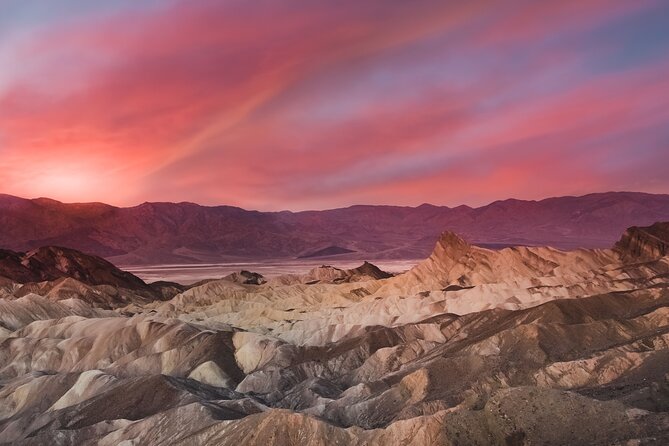
Zabriskie Point gets about 30 minutes. It’s one of the park’s most photographed views, and that’s for a reason: striped yellow-and-brown badlands in the foreground, with salt flats visible farther out and the Panamint Mountains rising beyond.
The science here is also visible. The stripes are shaped by water over time, even in a place that’s mostly dry. Paths carved by water can look obvious once you’re standing at the right angle.
This is a good stop for panoramic photos. It’s also a stop where you can pause and just watch the way the light moves across the striped hills. If you’re tired, this is also where you can take a slow breath without feeling like you’re missing a long walk.
Badwater Basin: the lowest point and the salt-silver floor
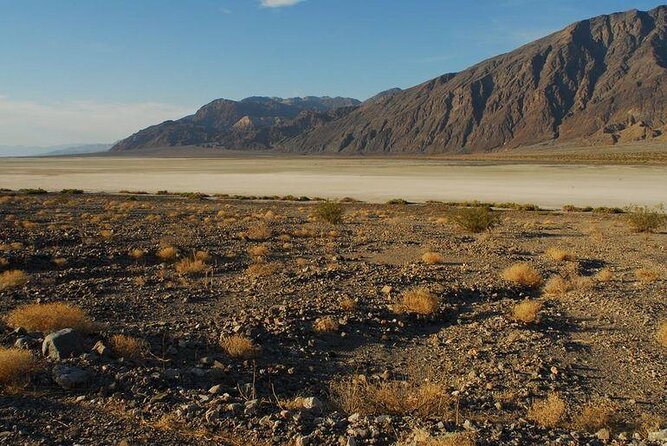
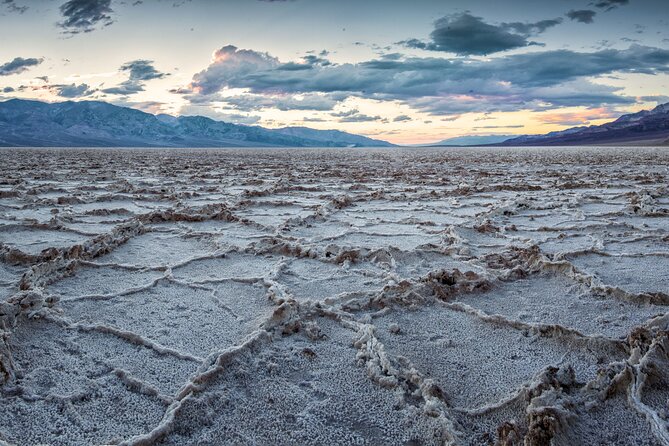
Your final major highlight is Badwater Basin, with about 50 minutes. This is one of the most unforgettable places in the entire park because it’s specific in a way most viewpoints aren’t: it marks the lowest point in North America, about 282 feet (86 meters) below sea level.
The salt flats cover an enormous area—nearly 200 square miles (518 square kilometers)—and the mineral makeup is mostly sodium chloride (think table salt), along with calcite, gypsum, and borax. That’s why the flats can look bright and almost reflective.
What makes this stop valuable on a day trip is the contrast. You’ll see dune-like textures earlier, striped badlands on the way, and then you’re hit with an open, stark salt scene. It’s like the park flips genres.
One practical note: salt flats can be blinding in bright sun. Sunglasses are not optional here.
Return drive: evening Mojave Desert time is part of the experience
After Badwater, you’ll head back toward Las Vegas and get dropped at your hotel. The schedule doesn’t give you a long stop for sunset, but it does mention a return drive through the evening Mojave Desert, which can be a nice wind-down if you’re not already fried by heat.
This ride time also matters because you’ll get a smoother recap of what you saw. In a small group, people tend to compare notes and photos while the scenery rolls by. It turns the trip from a checklist into a shared “okay, wow” day.
Price and value: what you’re really paying for at $170 per person
At $170 per person, you’re buying more than access to Death Valley. You’re buying three things that are hard to replicate as a solo plan:
- A long day handled for you: Round-trip transportation plus a route that threads together distant park highlights.
- Park permits included: You don’t have to sort paperwork or fees for the National Park participation component.
- A small group format with set timing: Up to 14 travelers, with guided logistics and photo-friendly stop planning.
If you’re visiting Las Vegas and you don’t want to spend your precious vacation time figuring out driving times, parking, and where to stand for the best views, this price starts to make sense fast. It’s not a cheap outing, but the day is built to be efficient.
Also, bottled water is included and unlimited. That sounds basic until you’re in a hot desert all day and realize you’d rather spend money on a second snack than on hydration you should have brought anyway.
Guide quality can make or break a long day
The most consistent theme in the guide-related praise is that the guide-driver stays organized, keeps the group on schedule, and helps everyone get good results at each stop.
Names that show up in past guides include Bin, Ben, Mark, and Kevin. What they’re praised for (based on the details you can read between the lines) is practical help: telling you where to stand for the best shot, making time for photos without derailing the route, and being friendly and approachable during a long stretch.
You’ll also want a guide like this for the reality of Death Valley days: things change. Light shifts. Wind kicks up. The road is long. A good host keeps the group moving at a pace that still feels relaxed.
What to pack for Death Valley heat and photo stops
The day is long, the sun is intense, and the stops are mostly outdoors. From what’s been emphasized by people who’ve done it, pack with the heat in mind.
At minimum, bring:
- Hat and sunscreen (the kind you’ll reapply without skipping)
- Sunglasses (salt flats can be harsh)
- Chapstick for dry air
- Comfortable shoes for short walks and uneven ground
- A charged phone or camera battery
Also plan your food. Even if there’s a lunch plan tied to the Pahrump stop, meals aren’t listed as included, so bring snacks and water-friendly extras in case you want something beyond what you packed.
Should you book this Death Valley and Rhyolite small-group tour?
I’d book this if you want a no-planning day that hits the park’s must-sees and adds Rhyolite Ghost Town for variety. It’s especially worth it if you’re staying in Las Vegas and you’d rather spend your time on viewpoints than on logistics.
I wouldn’t book it if you strongly prefer full control over your schedule, because the route is fixed and the day is long. Also, if heat is a major concern for you, remember the start is already adjusted in summer, but you’ll still be outdoors most of the day.
If your goal is to see Death Valley’s greatest hits in one efficient swing with a calm small group, this is a strong match.
FAQ
What time does the tour start?
The tour starts at 7:00 am. During July 1st to September 1st, the departure time can be earlier than scheduled to avoid peak heat.
How long is the Death Valley and Rhyolite tour?
The duration is approximately 10 to 11 hours.
How many people are in the group?
The tour has a maximum of 14 travelers.
What’s included in the price?
Included items are unlimited bottled water, National parks permit, round-trip transportation, and complimentary hotel pick-up and drop-off.
Are meals included?
No. Meals are not included.
Can I cancel for a full refund?
Yes. You can cancel up to 24 hours in advance for a full refund.