REVIEW · EVENING EXPERIENCES
Las Vegas: Sunset Hike and Photography Tour Near Red Rock
Book on GetYourGuide →Operated by iTravel USA LLC · Bookable on GetYourGuide
Sunset hiking from Vegas is a smart reset. This small-group Red Rock outing is timed for golden light, with photo-friendly stops around Blue Diamond Road and SR 159, plus optional Seven Magic Mountains for that iconic Mojave pop. I like that the walking is tailored to your fitness level, and I also like how the guide builds in moments for you to actually shoot instead of rushing like a theme-park line. One heads-up: you should be ready for some uneven ground and rock scrambling at certain photo stops.
The best part is the people. Guides like Jay and Lorenzo are the reason this tour consistently lands well—focused on safety, pacing, and helpful photo angles (not just scenery dumping). If you want a completely hands-off hike with zero coaching, you might feel slightly too guided. If you want the desert, the sunset colors, and better pictures without planning a car route, this is a solid fit.
In This Review
- Key things I’d plan around
- How the pickup schedule locks in the best sunset light
- From your hotel to the desert: comfort, small group, and water on board
- Blue Diamond Road and SR 159: where the views actually feel different
- Southern Red Rock stops: Spring Mountain Ranch, Bonnie Springs, and Blue Diamond
- Trail choices that match your fitness level (and your patience for photos)
- Seven Magic Mountains upgrade: what you’re getting (and why it’s worth it)
- The sunset show: what to expect in the sky and on your camera
- Price and value: why $149 can make sense in Vegas
- Who this tour is best for (and the one group that might not love it)
- Practical checklist before you step out of the van
- Should you book this Red Rock sunset hike and photography tour?
- FAQ
- How long is the tour?
- What’s the price per person?
- Where does pickup happen?
- When should I expect pickup times?
- Is Seven Magic Mountains included?
- What is Seven Magic Mountains?
- What’s included in the price?
- Do I need to pay extra for entry?
- What should I bring?
Key things I’d plan around
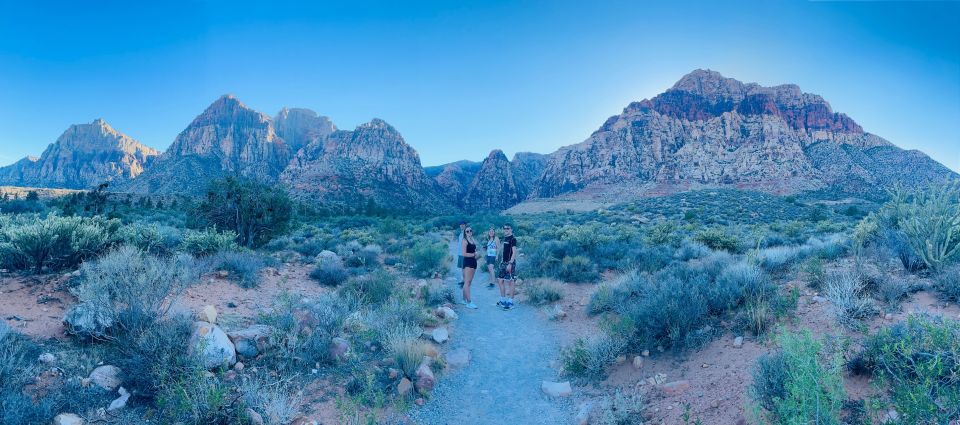
- Golden timing from hotel pickup: pickup happens about 4.5 hours before sunset, so you’re shooting when the sky really changes.
- Two kinds of stops: gentle hikes alongside spots that are mostly for photos and viewpoints.
- Specific Red Rock highlights: Blue Diamond Road, SR 159, the Keystone Thrust view to the west, and the southern-area backroads.
- Optional Seven Magic Mountains: seven colorful stacked boulders by Ugo Rondinone, more than 30 feet tall.
- Guide-led photo time: you get guidance plus enough breathing room to explore and take pictures.
How the pickup schedule locks in the best sunset light
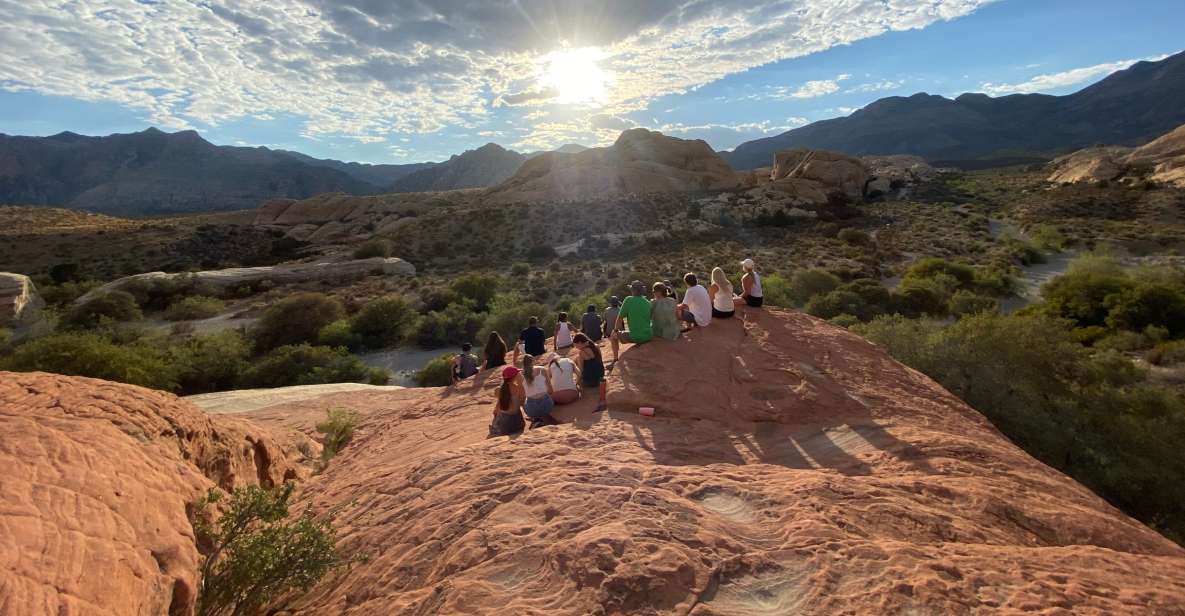
This is a sunset tour, so timing matters more than in most Vegas day trips. Your pickup is roughly 4.5 hours before sunset, and it shifts by season. The tour provider lists these approximate pickup windows:
- January–March: 1:00 PM–1:30 PM
- April–May: 2:00 PM–2:30 PM
- June–August: 3:00 PM–3:30 PM
- September–October: 1:30 PM–2:00 PM
- November–December: 11:30 AM–12:00 PM
Why you should care: you want to arrive at viewpoints before the sky turns into that dramatic blue-to-red gradient. If you show up late, you still see Red Rock, but you miss the best colors for photos and for that wow feeling when the light softens and then ignites.
The tour itself is listed as 4 hours (330 minutes). In practice, that feels like a comfortable half-day: long enough to get multiple viewpoints and at least one meaningful hike, not so long that you’re falling asleep on the drive back.
You can also read our reviews of more evening experiences in Las Vegas


From your hotel to the desert: comfort, small group, and water on board
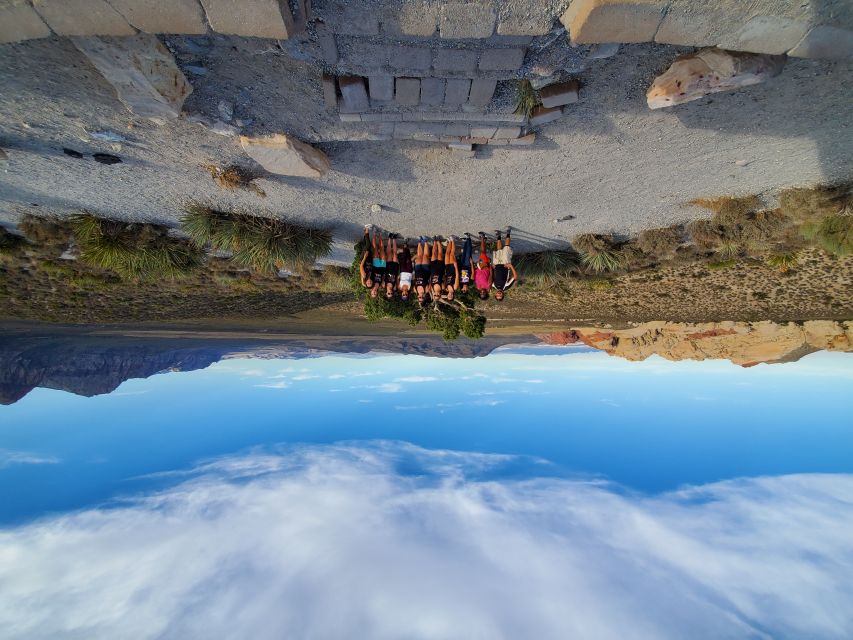
The tour starts with hotel pickup and drop-off, so you skip the hardest part of planning—figuring out parking, traffic, and timing your own route out of the city. Transport is described as highly rated (93% gave a perfect score), and it’s an air-conditioned van.
You’ll be picked up around Las Vegas Boulevard area hotels, then driven into the Mojave Desert to start exploring. The group is small, which matters at sunset. You’re not fighting crowds at the photo stops, and the guide can adjust pacing and spacing so you don’t lose shots to someone blocking your view.
A nice practical touch: unlimited bottled water is included. In Vegas, people forget how fast dry desert air drains you, especially when you’re walking and snapping photos. You’ll want to stay hydrated so your “fun” doesn’t turn into “why is my head pounding?”
Language-wise, guides are available in English and Spanish, which helps if your group includes family members who prefer one over the other.
Blue Diamond Road and SR 159: where the views actually feel different
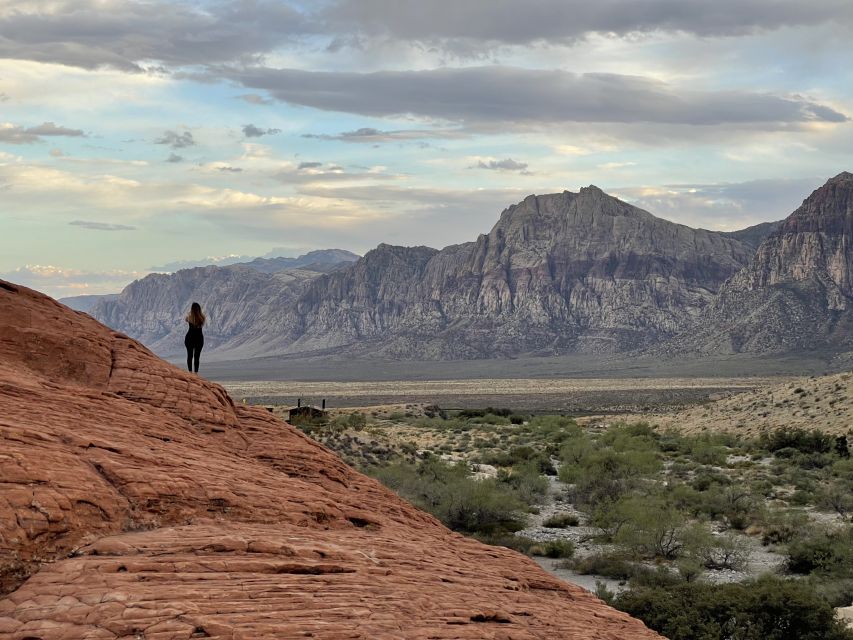
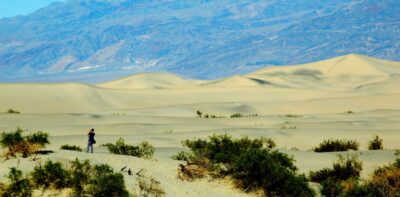
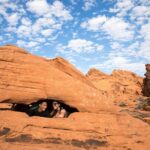
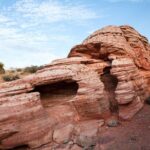
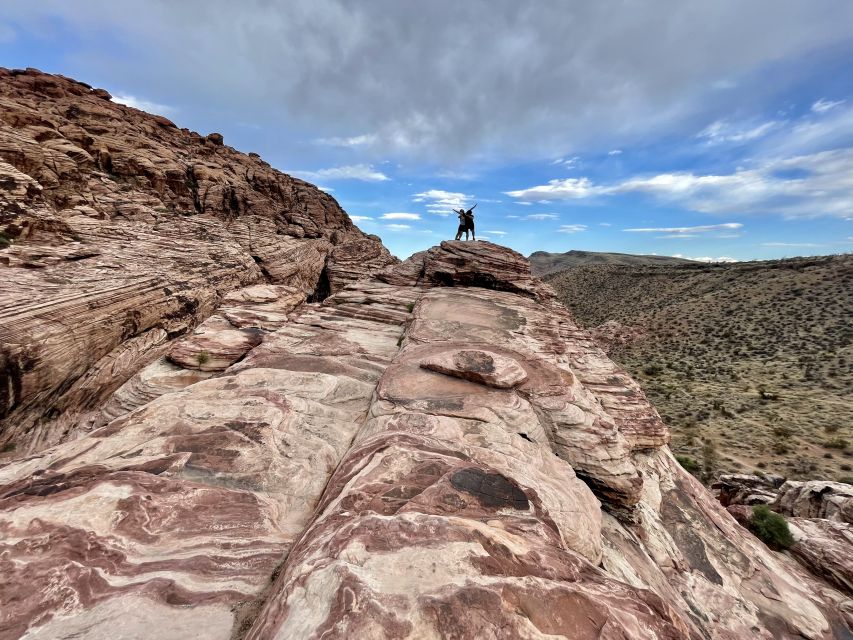
Red Rock Canyon National Conservation Area can look stunning on Google Maps, but the tour focuses on the angles you’ll actually enjoy standing in. One of the key drives is Blue Diamond Road, where you get scenic desert cliffs, buttes, and rock formations. This area is made for photos because there’s variety: you can shoot wide landscapes when the light is soft and then step in closer for textures as the day cools.
Then you’ll move along State Route 159 (SR 159). The tour notes that SR 159 cuts through a frequently visited valley that people sometimes mistakenly call Red Rock Canyon. Whether or not that name gets the facts right, what you’ll get is the sensation of being in a different layer of the Mojave—quiet roads, open sight lines, and rock shapes that feel natural instead of staged.
Keep an eye out for the Keystone Thrust. The tour describes it as a massive rock wall visible to the west from SR 159. In plain terms: this is one of those “wait, geology is cool” moments. You’ll likely photograph it from a distance because it’s big, and that’s where the scale hits hardest.
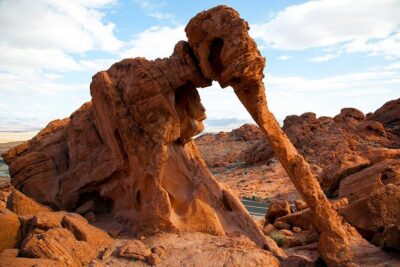
Also worth knowing: the tour highlights colorful sandstone formations set against an older limestone backdrop. That contrast is great for photos because it gives your images depth. Even if you don’t consider yourself a photographer, your pictures will look more layered than a flat sky-and-rock shot.
Southern Red Rock stops: Spring Mountain Ranch, Bonnie Springs, and Blue Diamond
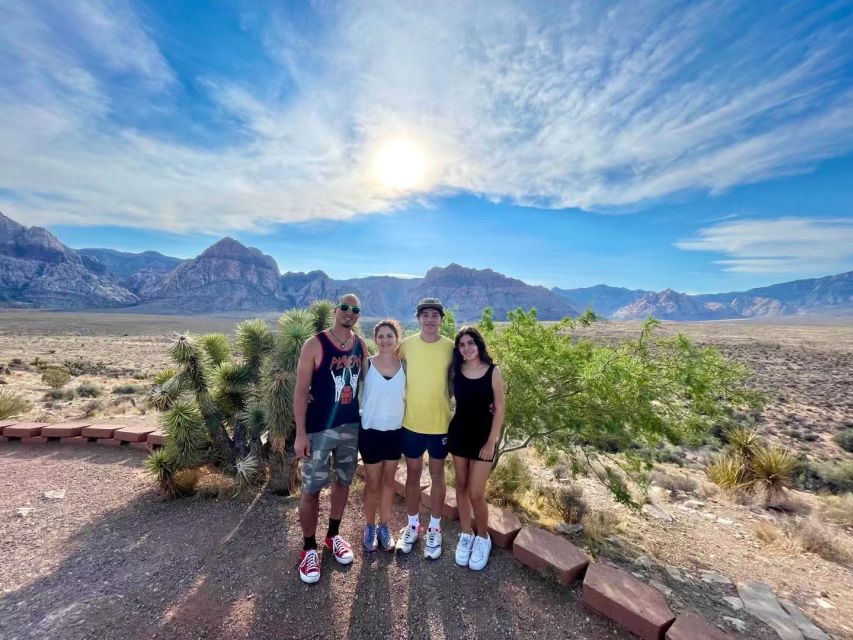
The tour also swings toward the southern end of the conservation area. This matters because it changes the vibe from straight-up “tourist viewpoint” to a more lived-in, wide-open feel.
You may visit:
- Spring Mountain Ranch State Park
- Bonnie Springs Ranch
- the village of Blue Diamond
What I like about including these areas is that they help you understand the region as a whole, not just a single dramatic rock wall. Some stops are geared for gentle hiking, while others are best for sightseeing and photos. In a short 4-hour window, that mix keeps the day from turning into one long walk where everyone gets tired of the same view.
Bonnie Springs Ranch and Blue Diamond in particular can give your photos a sense of place beyond rocks. It’s not just “red rocks everywhere,” which is a common issue when people do desert sightseeing with only one or two stops. You’ll likely come away with images that tell a small story: desert texture, big geology views, then a hint of nearby community.
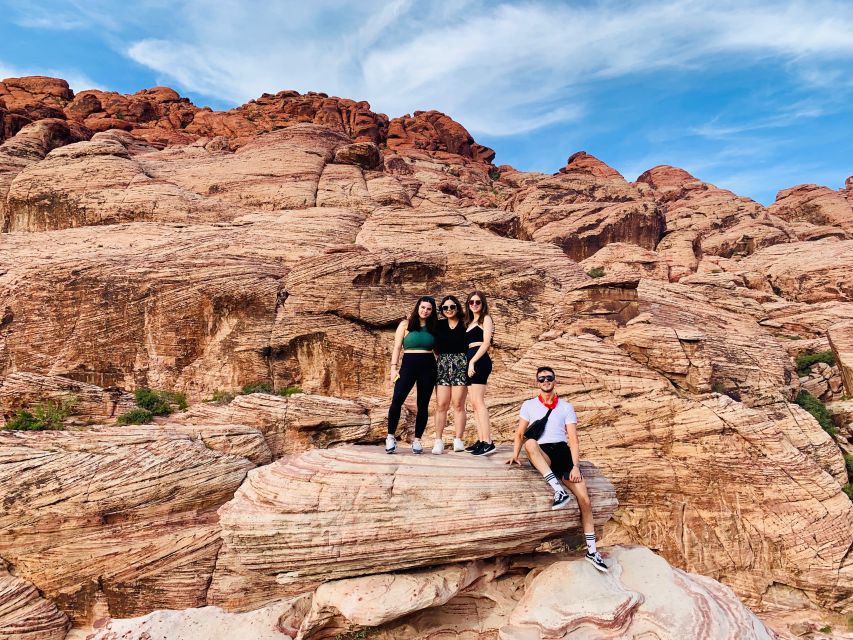
A practical consideration: this is still a desert tour, so wear shoes you trust. One guide-led experience in the feedback noted the trip included some clambering over rocks. That doesn’t mean it’s a technical climbing expedition, but it does mean slick footing or flimsy footwear is a bad idea.
Trail choices that match your fitness level (and your patience for photos)
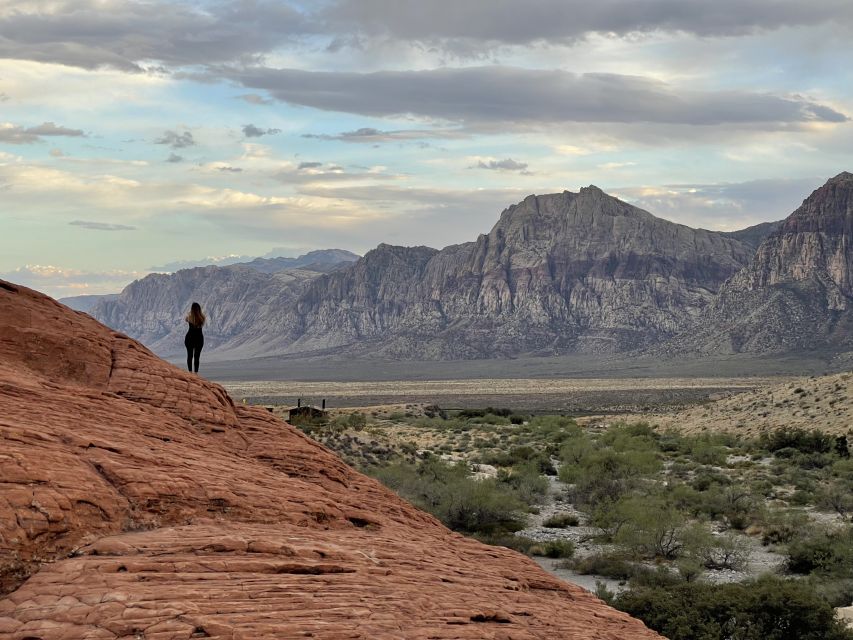
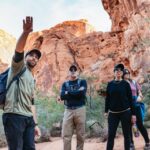
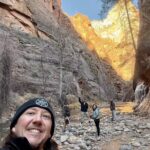
This tour is built around trails tailored to your fitness level needs. That’s a huge deal if you’re traveling with family of mixed ages or if you simply don’t want a “test your legs” day. Feedback from people doing it with seniors highlighted customization—pace changes, walking amount changes, and more attention to comfort.
Here’s the best way to think about it: sunset hikes need balance. If you walk too fast, you miss the light. If you walk too slow, you miss the best sky colors. The guides seem to handle that juggling act by adjusting where you spend time—some places are more about taking a few photos and moving on, while other spots include a gentle hike.
Expect the tour to include moments where you stop, frame shots, then step away again. If you’re traveling with someone who hates holding a pose, I’d still say this tour can work because you’re not expected to do a single long photoshoot. The guide-led approach tries to keep things moving while still giving you time to capture the desert in its best mood.
You can also read our reviews of more hiking tours in Las Vegas
Seven Magic Mountains upgrade: what you’re getting (and why it’s worth it)
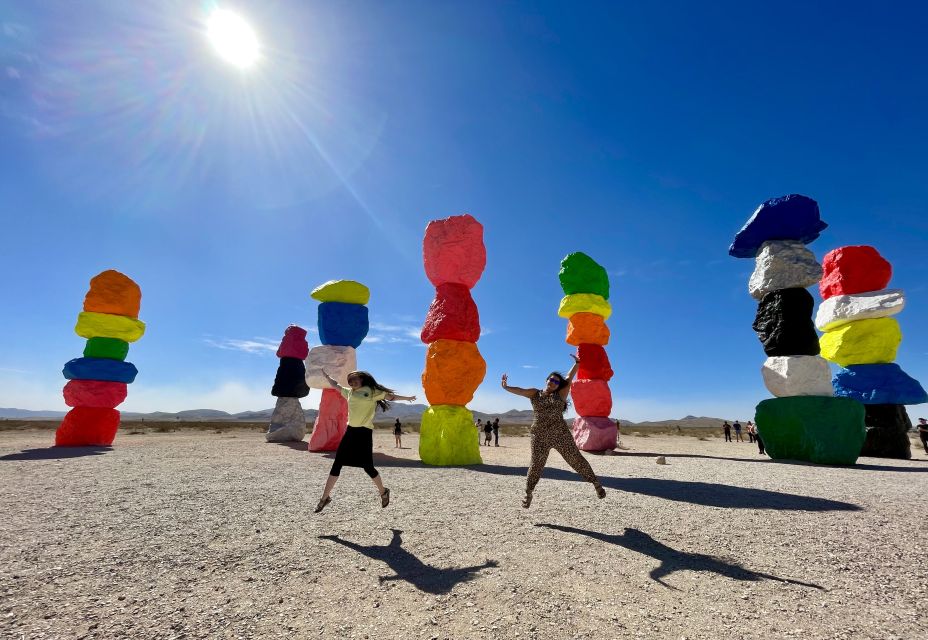
There’s an optional package add-on for Seven Magic Mountains. If you choose it, you head directly to the installation by Swiss artist Ugo Rondinone.
What it is: seven towers of colorful, stacked boulders, more than 30 feet high. In the Mojave, that kind of color and geometry hits hard. It’s the rare stop that looks like a sculpture, but also photographs like a landscape marker. You’ll get a clean “foreground subject” you can use to make your sunset shots feel intentional.
Is it worth it? For many people, yes, because it adds a totally different visual texture than the natural rock formations. Red Rock Canyon gives you geology. Seven Magic Mountains gives you a pop of color with scale. If your goal is memorable photos, the upgrade adds a strong visual anchor to your image set.
The sunset show: what to expect in the sky and on your camera
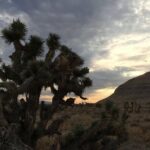
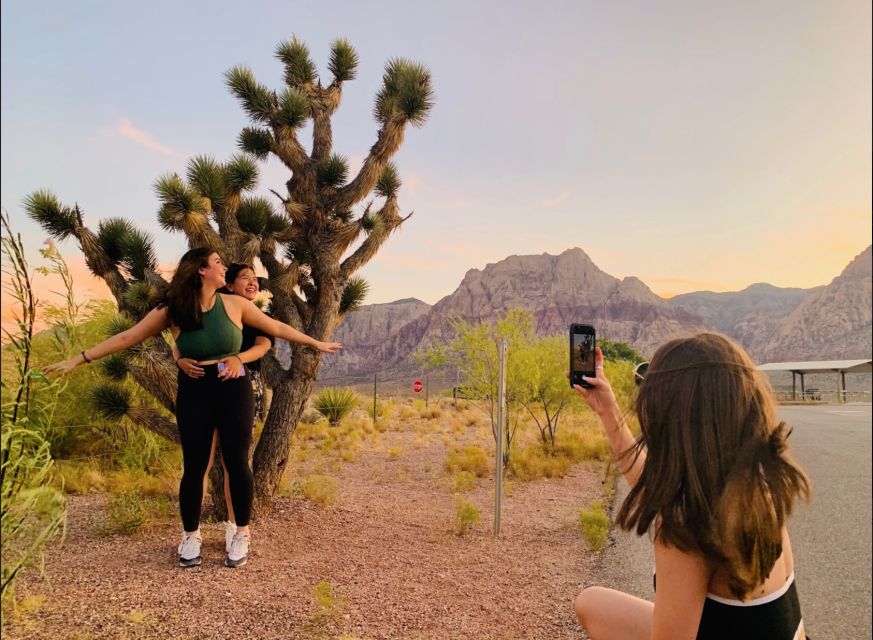
The headline moment is the sunset. The tour describes the sky changing from blue to fiery red to soft orange and pink. That’s not just poetic. The way the light shifts like this makes colors in sandstone pop and makes shadows along cliffs look dramatic without needing filters.
From a practical standpoint, I’d treat sunset as two stages:
- Early stage: blue tones and crisp rock edges (great for structured shots and wide views)
- Late stage: warm reds and oranges (great for glow, silhouettes, and mood)
The guide approach helps here. If you want pictures, you’ll likely get tips on where to stand and what angles work. You’ll also get time to work on your own framing, which is important because a “group photo” approach won’t capture your style.
Also plan your clothing like a desert realist. Even in warm months, sunset air can feel cooler once the sun drops. Bring a layer you can toss on quickly, especially if you’re holding a phone or camera for a few minutes at a time.
Price and value: why $149 can make sense in Vegas
At $149 per person for about 4 hours, the value comes from what’s bundled in.
Included items you’re getting:
- Hotel pickup and drop-off
- Entry fee
- Unlimited bottled water
- Live guide (English and Spanish)
- Transport in an air-conditioned van
Here’s the practical math: if you try to DIY this, you’ll spend time arranging transport, dealing with parking, and coordinating your own timing so you reach viewpoints before the sky turns. Those “hidden costs” pile up fast, especially if you don’t want to spend your Vegas day driving around and second-guessing the route.
The other value piece is the guide’s role in turning “pretty rocks” into better photos and a safer walk. People specifically praised guide attention to comfort and safety, plus photo help. For couples and small groups, that kind of guidance is often what makes a half-day trip feel worth it rather than just another scenic stop.
Who this tour is best for (and the one group that might not love it)
This tour is a great match if you’re:
- A couple planning a low-key anniversary day that’s more interesting than sitting in a casino
- Traveling with friends who want a real “Vegas break” without losing half the day to a long road trip
- Visiting with seniors or family members who need pacing adjusted
- Someone who wants better photos without studying camera settings all day
It’s not ideal if you:
- Want a long, high-effort hike with lots of continuous trekking
- Strongly dislike any walking on uneven desert ground
- Prefer totally independent wandering with no scheduled photo stops
That said, even people new to hiking seemed to find the walking level workable when they came prepared with good shoes and accepted that there are some rock-step moments during photo opportunities.
Practical checklist before you step out of the van
To get the most from your sunset hike and photography tour, show up ready for desert conditions and a camera rhythm.
Bring:
- Comfortable shoes with grip (not just “they look fine” sneakers)
- Your camera (or phone with a fully charged battery)
- Weather-appropriate layers for cooler air near sunset
- A small personal water backup can be helpful, even though water is included
Also, consider the “pose and shoot” reality. The guide style tends to include photo coaching plus time to explore at your own pace. If you’re serious about photos, set aside the mental expectation that the best shot often takes a minute, not a second.
Should you book this Red Rock sunset hike and photography tour?
If you want a smart, half-day way to see the Mojave Desert near Las Vegas, I’d lean yes. This tour gives you the three things that matter most for value: pickup convenience, sunset timing, and guided photography support. The optional Seven Magic Mountains add-on is a big visual payoff for people building a photo set with variety.
Book it if your group includes mixed ages or different walking comfort levels—you’ll be happier when the hike gets adjusted to the people on the ground. Pass if you’re craving a long adventure day or if you hate any chance of uneven rocks.
In short: this is the kind of Vegas outing that trades slot-machine time for real scenery and better pictures, without pretending you need a full day to do it.
FAQ
How long is the tour?
The tour runs about 4 hours, listed as 330 minutes.
What’s the price per person?
It costs $149 per person.
Where does pickup happen?
Pickup is included from your hotel on Las Vegas Boulevard (pickup is approximately 4.5 hours before sunset for this combo tour).
When should I expect pickup times?
Pickup times vary by season. The tour lists approximate windows for January–March, April–May, June–August, September–October, and November–December. You should call the local partner the day before to reconfirm the exact pickup time and location.
Is Seven Magic Mountains included?
Seven Magic Mountains is optional. The upgraded package takes you directly to the installation.
What is Seven Magic Mountains?
It’s a public art installation by Swiss artist Ugo Rondinone featuring seven towers of colorful, stacked boulders more than 30 feet high.
What’s included in the price?
Hotel pickup and drop-off, entry fee, and unlimited bottled water are included, along with a live tour guide.
Do I need to pay extra for entry?
No. The entry fee is included.
What should I bring?
Bring comfortable shoes and a camera, plus weather-appropriate clothing for desert conditions.