REVIEW · VALLEY OF FIRE TOURS
Small Group: Valley of Fire Half Day Tour from Las Vegas
Book on Viator →Operated by Jupiter Legend Corporation · Bookable on Viator
Strip crowds fade fast on this desert drive. This Valley of Fire half-day tour trades neon for red sandstone, ancient carvings, and stops built for great photos, with guides like Edward and Jesse A often praised for pacing and keeping things comfortable.
I especially like two things: the small-group feel (the tour runs at up to 12 travelers) and the fact that lunch and snacks are handled for you. You also get hotel pickup from many major Strip resorts, so you spend less time figuring out transit and more time at the viewpoints.
The one watch-out is that some stops can change with heat, weather, or park rules. Fire Wave has a set seasonal closure (May 15 to Oct 1, 2025), and in summer some areas like Fire Canyon and even Silica Dome may be closed.
In This Review
- Key highlights worth planning for
- Getting out of Las Vegas early enough to feel like a trip
- Small-group size: why it feels easier in the park
- Valley of Fire State Park: the “wow” factor starts with the geology
- Beehive Rock: the short path that leads to big geology details
- Atlatl Rock petroglyphs: history you can actually see
- Seven Sisters lunch stop: when the break actually feels worth it
- Rainbow Vista and Fire Canyon overlook: panoramic views with a family-friendly route
- Silica Dome overlook: stunning from up top, with possible summer closures
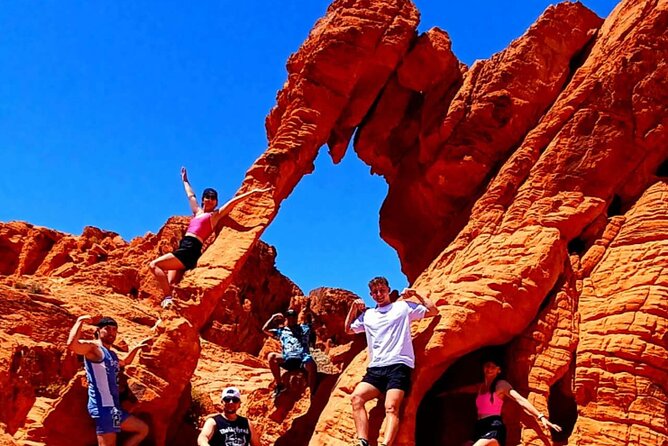
- Elephant Rock: the iconic shape that makes the photos easy
- Fire Wave: the striped photo stop, with a seasonal closure
- Visitor Center: a quick reset before you leave
- Price check: $84.15 for a half-day that covers the hard parts
- Who should book this Valley of Fire half-day tour
- Should you book this tour
- FAQ
- What time does the tour start, and how long is it?
- How big is the group?
- Does the price include park admission and food?
- Is hotel pickup offered from the Las Vegas Strip?
- What kind of walking should I expect?
- Will all attractions be open year-round?
- What language is the tour offered in?
- What should I bring for the day?
Key highlights worth planning for
- Up-close red-rock classics: Beehive Rock, Atlatl Rock petroglyphs, Elephant Rock, and Fire Wave when open
- Photo timing matters: viewpoints are built around short walks to specific angles, not long bus-and-hope gaps
- Fuel included: deli-style lunch plus plenty of snacks and bottled water
- Strip-to-park logistics made easy: pickup from 11 boarding locations and drop-off back where you started
- Guides help you read the rock: you’ll get context on what you’re seeing, not just where to stand
Getting out of Las Vegas early enough to feel like a trip
This starts early, with pickup beginning at 7:50am from select Strip hotels. It’s a real half-day format, so the timing is part of the value: you leave before the park gets crowded and you’re back while Las Vegas still feels like Las Vegas.
Once you’re off the Strip, the drive is your breather. The vibe shifts from traffic and casino noise to wide-open desert and hard-edged rock colors you just don’t see inside the city. If you’re tired of moving between shows and buffets, this is a clean reset.
For many people, the most satisfying part is the contrast. You’re not just visiting Valley of Fire in the abstract. You’re in it, walking short routes to specific spots where the rock looks almost unreal.
You can also read our reviews of more tours and experiences in Las Vegas.

Small-group size: why it feels easier in the park
This tour is built for small groups, listed at up to 12 travelers. Smaller can mean two big differences: you get to stop more often for photos without the whole bus turning into a traffic jam, and you can keep your bearings without constantly waiting on a crowd.
The pace also tends to stay human. Expect short scenic walks and a few manageable hikes, not an all-day endurance test. One of the recurring themes is that guides check in on comfort, especially around heat and footing, which matters more than you’d think in a desert park.
There’s also a practical advantage. When you’re not packed in, it’s easier to hear directions, spot where everyone is headed next, and move as a unit without losing half your group.
Valley of Fire State Park: the “wow” factor starts with the geology
Valley of Fire State Park covers 40,000 acres, and the tour’s main entrance stop is a big chunk of time (about 4 hours) with admission included. This is where the red sandstone dominates everything, and you start seeing why the park earned its reputation.
You’ll also get the historical layer that makes the scenery more than just pretty rocks. Valley of Fire includes ancient petroglyphs and references to early inhabitants, and that context helps the carvings feel grounded instead of random scribbles.
One of the tour’s strengths is that it doesn’t treat the park like one long walk. It blends short routes with viewpoint time, so you get both “look up and gasp” moments and “wait, look closer” moments.
A key note: scenic stops may change due to weather, park regulations, or vehicle size. That’s normal in a living park. The upside is that if a planned spot can’t be accessed, the tour aims to swap in something that keeps the day on track.
Beehive Rock: the short path that leads to big geology details
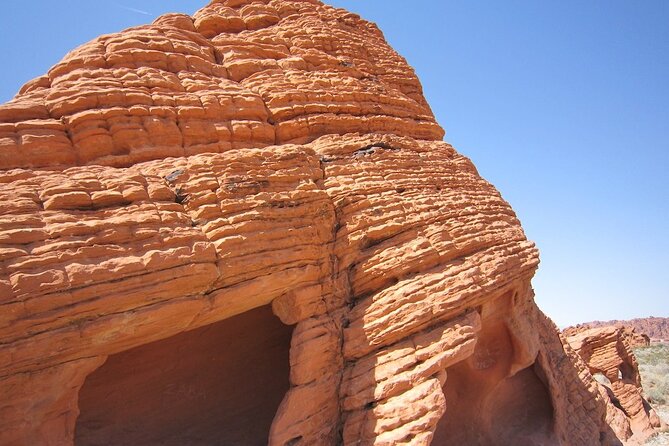
Beehive Rock is the kind of stop that makes you understand why this park gets so many cameras pointed at it. You’ll follow a short scenic path through rocky dunes to views toward the Muddy Mountains area.
The science angle is part of the fun. The rock here shows geologic cross-bedding, which is basically layers laid down at different angles by ancient winds and water. The end result looks like patterns drawn by time.
Practical tip: bring a good pair of shoes. The routes are described as short and scenic, but desert ground can be uneven, and sandstone textures can be slick when temperatures shift.
If you like photos, this is a solid stop because the views aren’t just wide. You’ll have interesting textures to shoot up close, too.
Atlatl Rock petroglyphs: history you can actually see
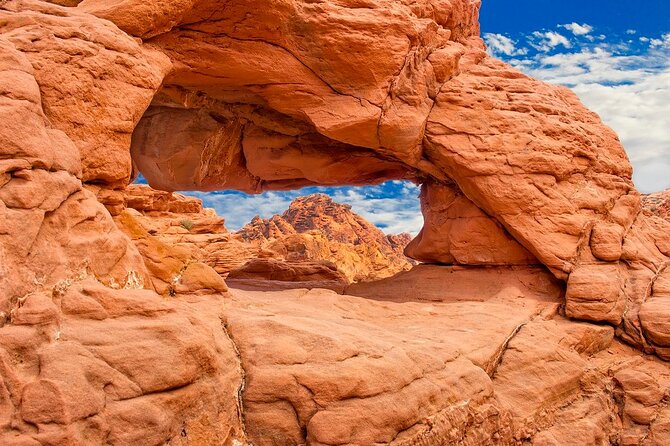
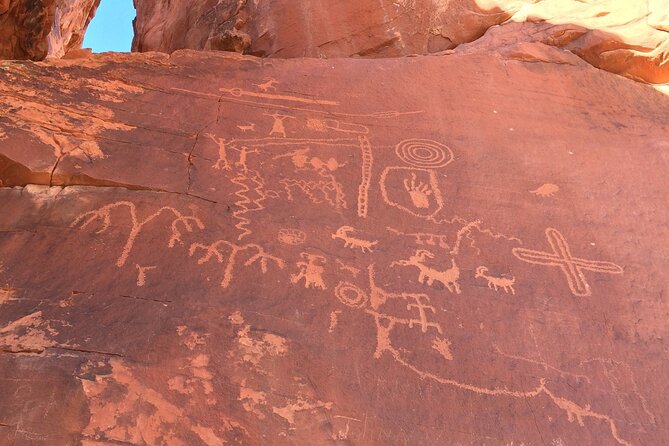
Atlatl Rock is all about the carvings, with petroglyphs estimated at 2,000 to 4,000 years old. They’re etched into red sandstone, so they show best when you’re positioned carefully and the light hits the rock at the right angle.
This is where the tour’s guide support really helps. Petroglyphs can be hard to interpret at first glance, but getting a simple framework for what you’re looking at turns the stop into something memorable instead of just a photo backdrop.
Expect to slow down here. The walk isn’t the main event; reading the stone is. Bring your patience, and you’ll likely end up spending more time than you planned.




Seven Sisters lunch stop: when the break actually feels worth it
Lunch is deli-style at Seven Sisters, described as a scenic retreat inside the park. This is one of those smart inclusions because it removes a stress point. You don’t have to hunt for food, buy overpriced snacks, or count on finding a place in the exact moment you get hungry.
You’ll also have bottled water and plenty of snacks available throughout the day. That matters in the desert, where your energy can drop faster than you expect, especially if you keep walking for photos.
The best way to use the lunch stop is simple: treat it like recovery time, not just a meal. Sit, hydrate, and cool down a bit before you head back out for the next viewpoints.
Rainbow Vista and Fire Canyon overlook: panoramic views with a family-friendly route
Rainbow Vista is one of the park’s signature panoramas, with swirling rock color that changes as the sun moves. The tour uses a family-friendly loop trail, then you head toward a Fire Canyon overlook.
This is a good “middle of the day” stop because it combines walk time with big payoff. The loop is designed to be approachable, which helps if you’re traveling with mixed hiking comfort levels.
Still, keep expectations realistic. Desert trails can feel longer in heat, and shade can be limited. So wear a hat, and don’t hesitate to take small breaks if you feel yourself getting slow.
One note to watch for: Fire Canyon may be closed in summer due to high temperatures. If you’re visiting in hotter months, you may get adjustments around this area.
Silica Dome overlook: stunning from up top, with possible summer closures
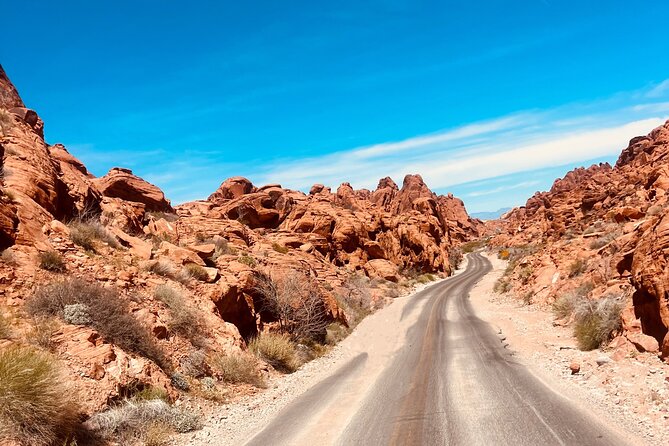
From the overlook parking area, you get panoramic views with Silica Dome as a major presence in the scene. It’s the kind of viewpoint that helps you connect the dots between all the rock formations you’ve been seeing in smaller shots.
There is a downside: this stop may be closed in summer due to high temperatures. That doesn’t mean your day is ruined. It just means your “perfect view” might come with a swap.
If you’re booking a summer trip, I’d lean into flexibility. The tour already signals that it can adjust stops based on conditions, and the best trips are the ones where you accept the desert is in charge.
Elephant Rock: the iconic shape that makes the photos easy
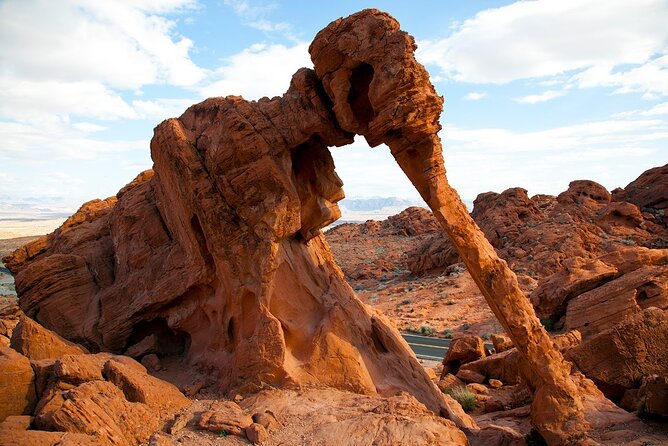
Elephant Rock is famous for its resemblance to an elephant, and the tour includes a short hike to the ideal viewpoint. This is a practical stop for photographers because it’s easy to frame: you’re walking to a specific perspective, not wandering.
It also helps that the hike is described as short. You get the payoff without needing a long commitment, which keeps the day enjoyable even if you’re not the type who wants to rack up miles.
If you’re traveling with kids or anyone who prefers lighter walking, this is often a good anchor stop. It’s memorable fast and doesn’t demand endurance.
Fire Wave: the striped photo stop, with a seasonal closure
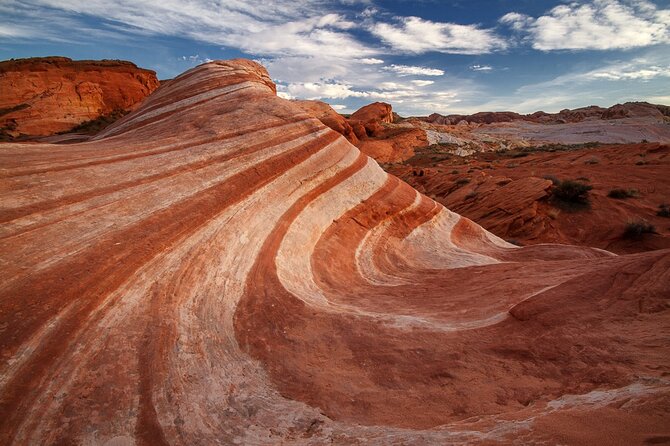
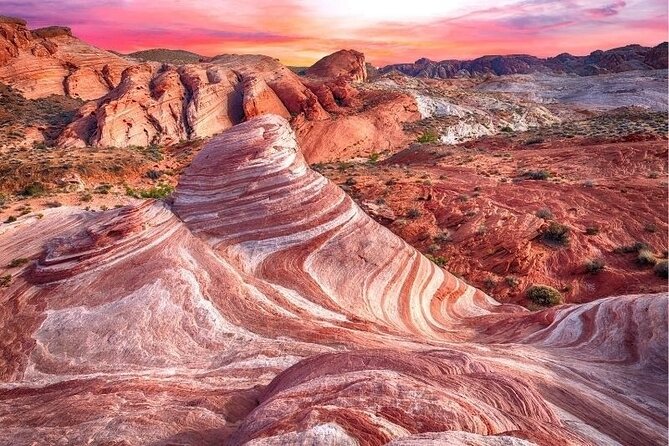
Fire Wave is the star for striped sandstone patterns that look like an ocean wave. The route here is described as an easy hike to the photo spot, which is great because you can spend more time composing shots and less time worrying about exhaustion.
But you must plan around the closure dates: Fire Wave is closed May 15–Oct 1, 2025 for visitor safety during extreme temperatures. If you’re traveling in that window, this is where itinerary adjustments may matter most.
In the open months, the timing and the light can make a huge difference. Wear sunscreen, bring sunglasses, and plan to take your time at the photo spot since the patterns are the whole point.
Visitor Center: a quick reset before you leave
The stop at the Visitor Center rounds out the day with exhibits on geology, petroglyphs, and the park’s story. This is useful because it turns the day from a series of pictures into a clearer understanding of what you saw.
You also get a chance to browse souvenirs and take home something that actually connects to the place, not just a generic Vegas trinket.
If you’re the type who likes context, this is one of the most worth-it short stops. If you’re more “show me the rocks,” you’ll still enjoy it because it helps you notice details you might miss when you only look outward.
Price check: $84.15 for a half-day that covers the hard parts
At $84.15 per person, this isn’t just a budget transfer. You’re paying for four things that add up fast if you do it yourself: park admission, guide time, hotel pickup/drop-off logistics, and food.
Admission is included, and so are the practical comforts: bottled water, snacks, and a deli-style lunch. For a desert day, those inclusions are real value. You’re not guessing what you’ll eat, and you’re less likely to get stalled by hunger.
The half-day format also matters. It’s long enough to feel like you got out and saw the park, but short enough that you don’t spend your whole day in transit. That’s a big deal when you’re already dealing with Vegas schedules.
If you’re comparing options, I’d focus less on the headline duration and more on what’s included: transportation, admissions, and meals.
Who should book this Valley of Fire half-day tour
This is a great match if you want:
- A small-group day trip with short hikes and photo stops
- Easy Strip pickup so you don’t wrestle with rideshare timing
- A mix of iconic rock formations plus petroglyph context
It’s also a solid choice for people who like structure. The park is huge, and trying to piece together the best spots on your own can turn into a lot of driving and second-guessing.
You might want to skip or adjust expectations if:
- You’re sensitive to heat and will struggle with sun exposure. Some stops can close in summer.
- Your dates fall in the Fire Wave closure window (May 15–Oct 1, 2025).
- You need long, fully shaded walks or fully accessible routes. The tour includes short hikes and scenic paths.
Should you book this tour
Yes, if you want a half-day that trades casino chaos for red-rock highlights and keeps your day simple with pickup, admission, and food included. The strongest part is the way the stops are arranged: you get icons like Elephant Rock and Fire Wave (when open), plus petroglyph time, without an all-day slog.
Book it especially if you’re traveling in winter or shoulder seasons when heat is less of a factor. If you’re going in summer, bring flexibility, and keep an eye on seasonal closures like Fire Canyon and Silica Dome.
If you’re the kind of traveler who likes to return with photos and at least a few new things you actually understand, this tour fits that goal well.
FAQ
What time does the tour start, and how long is it?
The tour starts with pickup at 7:50am. Duration is listed as about 6 hours (approx.), and return time can vary based on the day’s route, traffic, and weather.
How big is the group?
The tour is set for a small group with a maximum of 12 travelers.
Does the price include park admission and food?
Yes. Valley of Fire State Park admission is included, along with deli-style lunch, bottled water, and snacks.
Is hotel pickup offered from the Las Vegas Strip?
Yes. Pickup is offered from multiple Strip hotels (11 boarding locations listed), and drop-off returns you to your departure location.
What kind of walking should I expect?
You’ll do short scenic walks and short hikes at key stops. Some routes are described as family-friendly loop trails or easy hikes, but expect some ups and downs on desert terrain.
Will all attractions be open year-round?
Not necessarily. Fire Wave is closed May 15–Oct 1, 2025. In summer, some areas such as Fire Canyon and Silica Dome may also be closed due to high temperatures, and stops can change for weather or park rules.
What language is the tour offered in?
The tour is offered in English.
What should I bring for the day?
Wear comfortable clothes and hiking-suitable shoes, and bring a hat, sunglasses, and sunscreen. The tour also recommends bringing cash and drinks to stay hydrated (water and snacks are provided).