REVIEW · 3-DAY EXPERIENCES
Las Vegas: 3-Day Antelope Canyon, Bryce, Zion, Arches & More
Book on GetYourGuide →Operated by VIP Tour Corporation · Bookable on GetYourGuide
Slot canyons hit different in the desert light.
This 3-day Southwest sweep is built around big views and guided access, from Lower Antelope Canyon to the red-rock parks of Arches, Bryce Canyon, and Zion. I love the way the trip links “wow” stops that feel totally different from each other—slot-canyon walls, river curves, and towering hoodoos. One caution: the experience depends on clear guide communication and solid timing, so you’ll want to confirm details before you get on the road.
My second favorite part is the variety of scenery without you needing to drive yourself between every hiking trail. You’ll see Horseshoe Bend and the Colorado River meander, plus Lake Powell and Glen Canyon Dam, which adds a water-and-rock contrast most 3-day trips skip. The main drawback to plan around is that Antelope Canyon costs extra on top of the tour price, and a separate reservation-style fee has shown up in at least one past account—so check what your total includes before you show up.
In This Review
- Key takeaways
- A three-day hit list of the American Southwest
- Logistics that matter: pickup, hotel nights, and luggage limits
- Lower Antelope Canyon: the famous light and the extra cost reality
- Lake Powell, Glen Canyon Dam, and Horseshoe Bend views
- Lake Powell and Glen Canyon Dam: water where you expect rock
- Horseshoe Bend: simple shape, big impact
- The red rock park day: Arches, Bryce Canyon, and Zion
- Arches National Park: stone arches and big-distance thinking
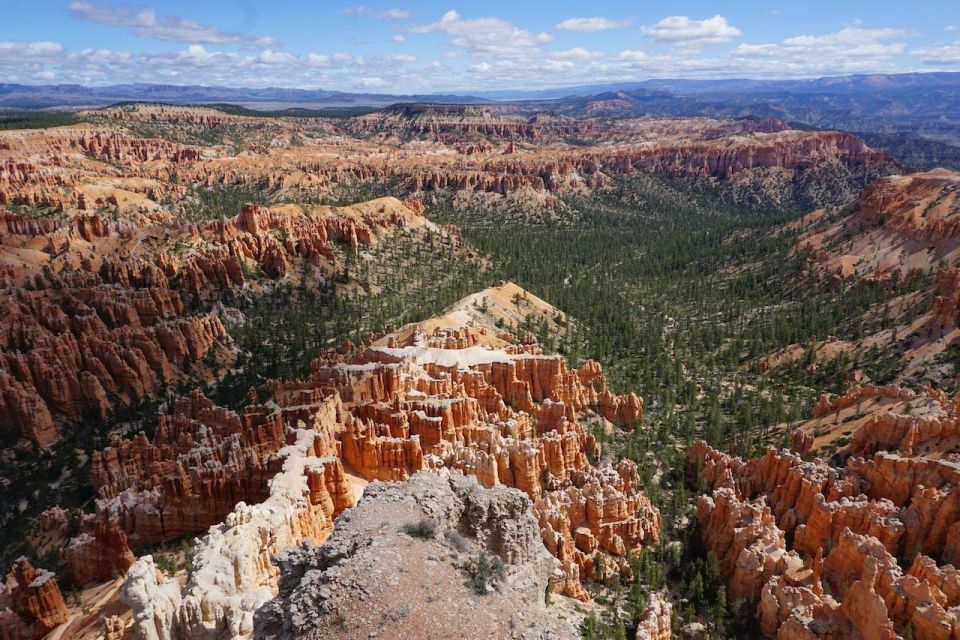
- Bryce Canyon National Park: hoodoos that look like a city
- Zion National Park: dramatic walls with a more varied feel
- Optional helicopter or small plane views over Horseshoe Bend and Las Vegas
- Price and value: what’s included, what’s extra, and what to confirm
- When this tour feels like good value
- When it may feel like a mismatch
- Should you book this tour?
- FAQ
- FAQ
- What’s included in the Las Vegas tour?
- What isn’t included in the tour price?
- How much is Lower Antelope Canyon admission?
- Are aerial views part of the tour?
- How does pickup work in Las Vegas?
- How much luggage can I bring?
- Are pets allowed on this tour?
- What should I wear and bring?
Key takeaways
- Lower Antelope Canyon with a guide helps you time the lighting and spot the rock textures that make it famous
- Three national parks in one run means you’re trading long hikes for efficient “big sights” time
- Horseshoe Bend gives you a clean, iconic Colorado River view point
- Lake Powell and Glen Canyon Dam add water views that break up the red-rock rhythm
- Optional helicopter or small plane views can turn the day into a top-down photo mission (extra cost)
- One clear heads-up: confirm pickup time and any Antelope Canyon add-ons so surprises don’t ruin the start
A three-day hit list of the American Southwest
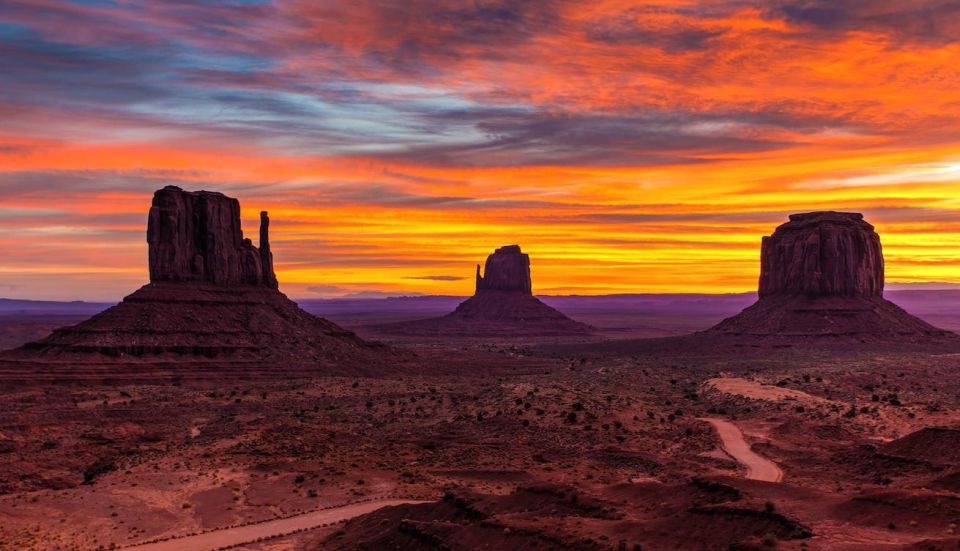
If your brain is wired for dramatic scenery, this trip makes sense. You’re moving through some of the Southwest’s most photographed rock formations—Antelope Canyon, Arches, Bryce, Zion—and then adding river and water stops like Horseshoe Bend and Lake Powell. It’s not one single “same view all day” kind of tour. It’s more like a highlight reel where each stop has its own rules of light, scale, and photo angles.
What you should picture: plenty of time riding between places, then focused blocks where you get the best access you can for that location. Because you’re traveling with a group and a guide, you also get structure—helpful when you’d otherwise be second-guessing parking, entry windows, or where to stand for photos.
You can also read our reviews of more tours and experiences in Las Vegas
Logistics that matter: pickup, hotel nights, and luggage limits
This tour includes round-trip transportation from Las Vegas, a guided itinerary, and two nights of accommodation (breakfast is provided at some hotels). That’s the practical value here: you’re buying time and coordination, not just transportation.
A few details can make or break your first day:
- Your guide will contact you one day prior to confirm the exact departure time. If you don’t hear back, you should contact the day before to verify your pick-up location and time.
- For luggage, it’s recommended that each guest carry no more than 2 pieces. This is the kind of rule that prevents “everyone squeeze into the trunk” moments later.
- Pets aren’t allowed.
- Wear comfortable clothes—you’ll be switching between sun exposure, shaded areas, and lots of stepping around viewpoints.
One more thing to take seriously: leaving the tour early isn’t recommended, and if you do, tour fees are not refunded for personal reasons. In other words, if you have a flight later that day, plan your timing so you’re not tempted to peel off early.
Lower Antelope Canyon: the famous light and the extra cost reality
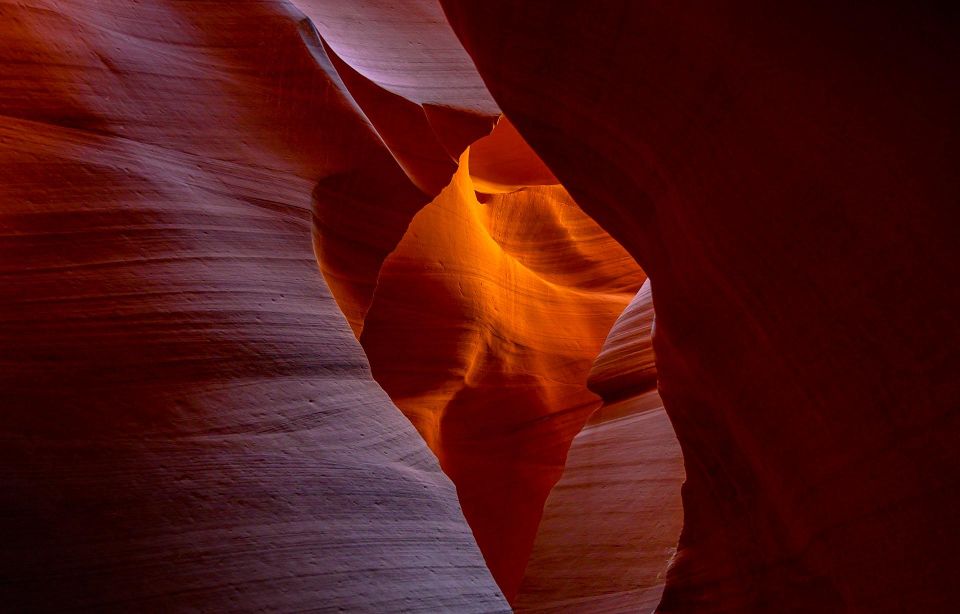
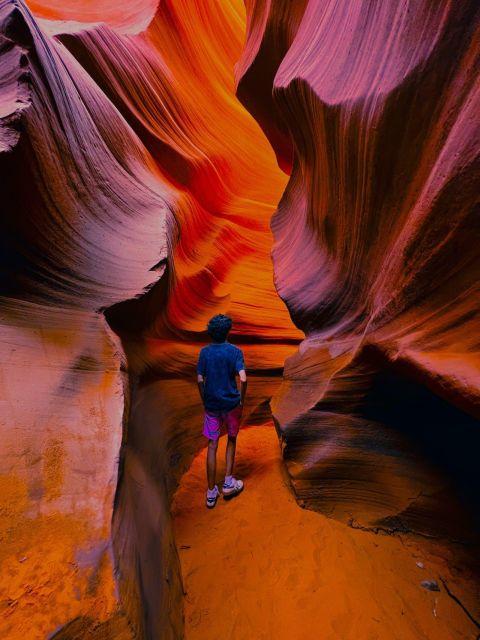
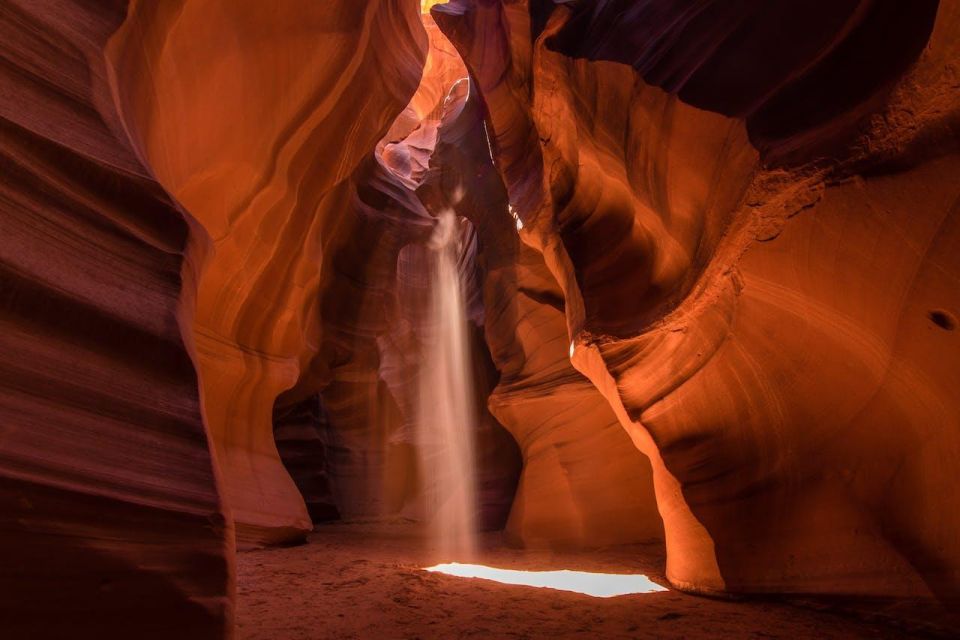
Let’s talk about the star stop: Lower Antelope Canyon. This slot canyon is famous for a reason—light streams in at angles that can make sandstone look like it’s glowing from inside. The guided part matters because timing is everything. You want your photos (and your eyes) to catch that sculpted light rather than a flat, gray version of the same walls.
Cost-wise, Lower Antelope Canyon admission is not included in the base tour price. The info you were given lists $95 for Lower Antelope Canyon admission. Also, one past account described an additional reservation-style charge on top of the admission, and the person felt the extra fee was confusing because it didn’t sound like the entrance ticket itself. I can’t confirm how that applies to your booking, but the takeaway is simple: before you leave, verify exactly what fees are included in what you pay online versus what you pay at the site.
Practical tips that always help in a slot canyon:
- Bring layers. Canyons can feel cooler than the open desert.
- Expect stairs or uneven footing depending on the route used that day.
- For photos, your phone might struggle in low light—turn on a light-adjust setting if yours has it, and be ready to steady your hands.
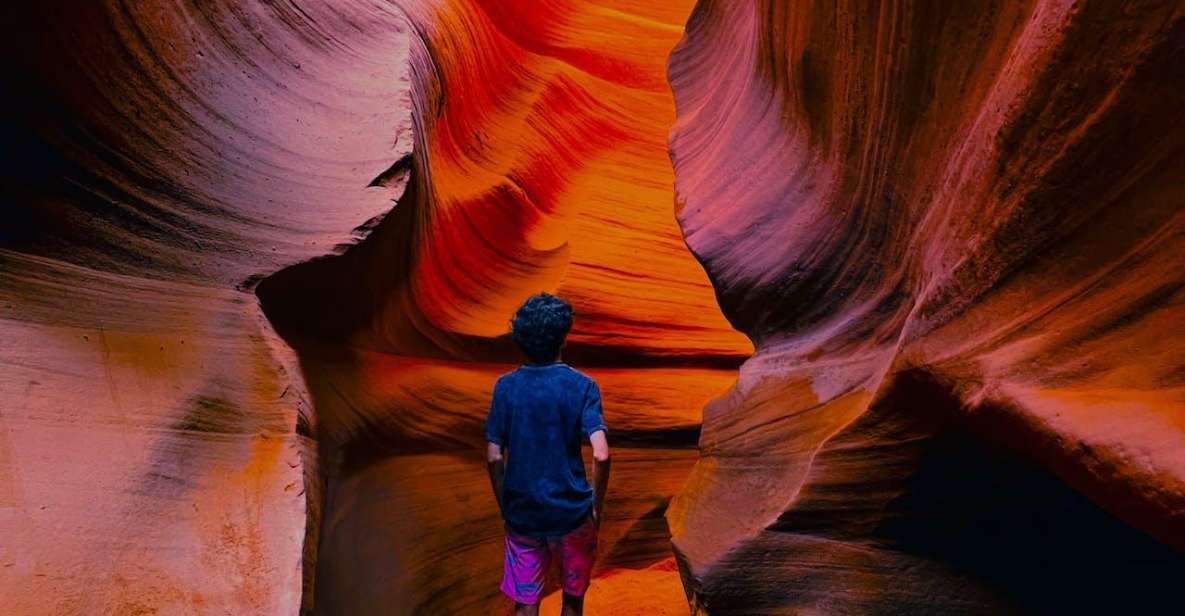
If you’re someone who loves “small details” in nature—patterns, texture, and light—Antelope Canyon will give you that. If you’re expecting a long, open hiking adventure, manage expectations. This is about walls, geometry, and the way the canyon changes when the sun shifts.
Lake Powell, Glen Canyon Dam, and Horseshoe Bend views
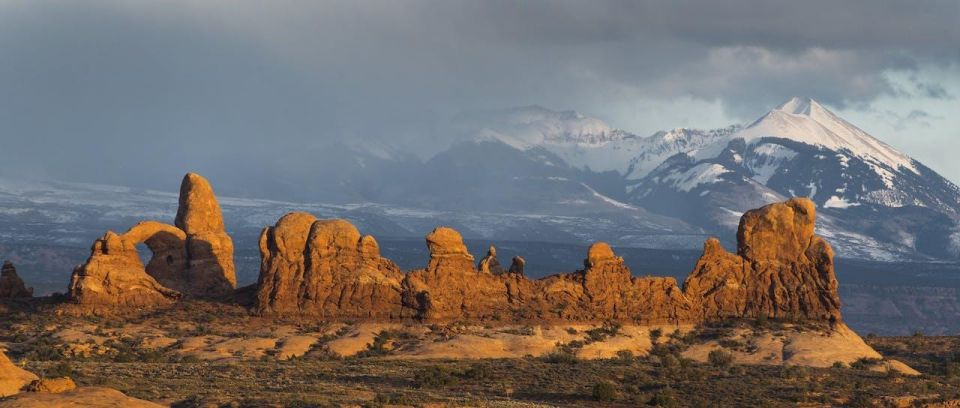
A big reason I like this route is that it doesn’t keep you in dry-red-rock mode the whole time. You get to see Lake Powell and Glen Canyon Dam, plus the river spectacle of Horseshoe Bend.
Lake Powell and Glen Canyon Dam: water where you expect rock
When you’re driving through Arizona and Utah, it’s easy to think the scenery is only dry and dusty. Lake Powell breaks that idea fast—open water, bright reflections, and a sense of scale that’s hard to judge from a distance. The dam area also gives you a different kind of “wow”: not a natural feature you formed by time alone, but a major piece of engineering that shapes what you’re seeing.


Horseshoe Bend: simple shape, big impact
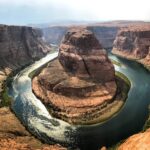
Horseshoe Bend is basically a giant U-shaped curve cut into the Colorado River. It’s a short destination, but it makes a strong impression because the river’s bend looks almost too clean to be real. This is one of those spots where you’ll notice how the shape changes based on where you stand and how the light hits the water.
If you’re hoping for a “walk for miles” feel, don’t count on that. It’s more about the viewpoint experience—get your angle right, take your photos, and enjoy the geometry.
The red rock park day: Arches, Bryce Canyon, and Zion
This is where the tour delivers the classic names. You’re covering Arches National Park, Bryce Canyon National Park, and Zion National Park—three different ways of showing the power of water and time in a desert environment.
Arches National Park: stone arches and big-distance thinking
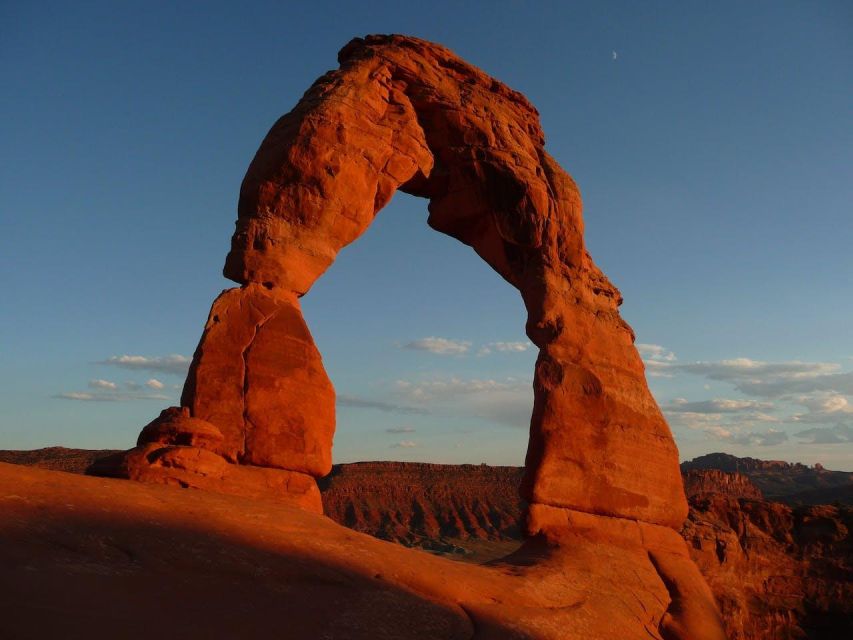
Arches is all about forms—arches, fins, and towers—plus that intense, open-sky feel. When you see it in person, you start noticing how the shapes are framed by the horizon. What feels like one cool photo spot on a map becomes a whole “how is that even standing?” moment when you’re close.
Because this is a guided, multi-stop tour, you’ll likely spend your time at viewpoints and key areas rather than planning long self-directed hikes. If your goal is maximum variety of landmarks, that trade-off works. If your goal is solitude and long trails, you may find you want more time here.
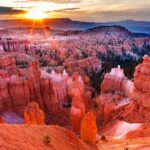
Bryce Canyon National Park: hoodoos that look like a city
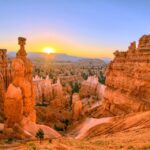
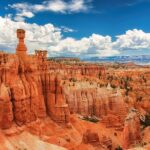
Bryce is famous for its sandstone masterpieces that tower dramatically—heights that can range from about 400 to 1,000 feet. The first time you look into Bryce’s amphitheater from the right angle, it can feel like you’re staring at a sculpted skyline made of stone spires.
I like Bryce because it’s visual even if you don’t go far on foot. You can still read the terrain and enjoy the scale from overlooks. If you’re prone to thinking you must “do everything,” try to slow down here. Bryce rewards lingering.
Zion National Park: dramatic walls with a more varied feel
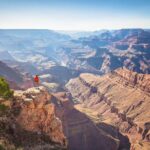
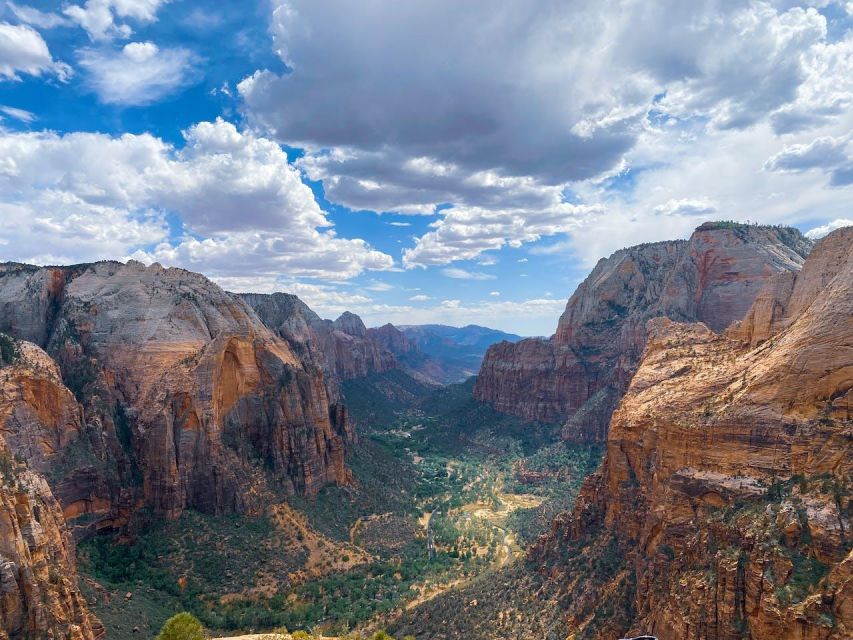
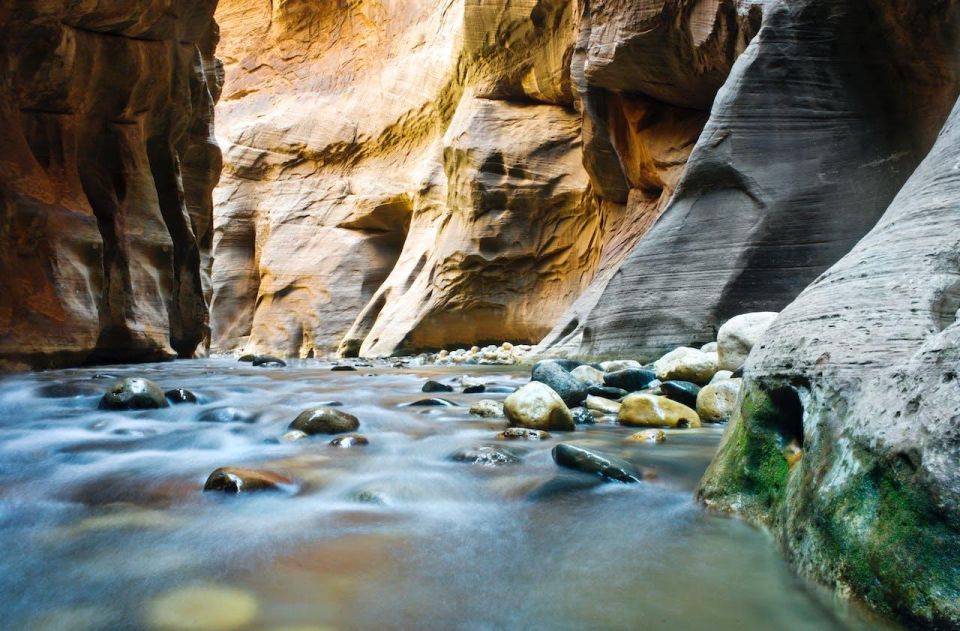
Zion brings a different mood. While Arches and Bryce lean into rock form and color, Zion feels more like a canyon corridor with huge walls. You get that sense of depth fast—everything is bigger because the terrain funnels your view.
This is also where some people will appreciate the change in temperature and shade compared with open desert areas. If the day is hot, walking shorter segments and using overlooks is a smart strategy.
Optional helicopter or small plane views over Horseshoe Bend and Las Vegas
If you add the air option, you’re paying for a top-down perspective. The info you were given says optional aerial views are available via helicopter or small plane rides (extra cost), and that the highlights include Horseshoe Bend plus the dazzling lights of Las Vegas.
This is a nice upgrade if you love photography or you want to truly understand how the river bend and canyon systems connect. It also helps you “see the whole.” The only caution is energy planning—air rides can make a day feel even tighter if you’re already booking Antelope Canyon timing blocks.
Price and value: what’s included, what’s extra, and what to confirm
You’re paying for more than entrance tickets here. The tour includes:
- Round-trip transportation from Las Vegas
- A guided experience with a tour guide
- 2-night accommodation, with breakfast provided at some hotels
- Vehicle coverage (insurance is listed)
What’s not included:
- A Native American environmental protection fee
- Lower Antelope Canyon admission (listed at $95)
That means your real budget is tour price plus at least the Antelope Canyon fee, plus that environmental protection fee, plus any optional aerial views. And based on one past account, there may be other site-related charges tied to reservations. So don’t just ask what the ticket is—ask what is included in your total for the Antelope Canyon visit.
When this tour feels like good value
This tour is strong value if you want:
- Guided access across multiple iconic parks
- Less driving stress from Las Vegas
- Hotel included, so you don’t have to figure out where to sleep each night
When it may feel like a mismatch
It may feel pricey or frustrating if you:
- Expect a lot of free-form time inside each park
- Need lots of explanations and schedule clarity from the guide every step of the way
One past account specifically complained about the guide not explaining destinations and timing, including a long wait during part of the day. That doesn’t mean every departure will be the same, but it does suggest you should treat confirmation as non-negotiable—especially on day one.
Should you book this tour?
I think you should book if your travel style is “see the big icons, let someone else handle the driving, and enjoy the highlights with a guide.” The mix of Antelope Canyon, Horseshoe Bend, Lake Powell, and the big-name Utah parks is a smart use of a short vacation.
You might skip or choose a different option if you’re the type who gets annoyed by tight timing or needs a very detailed running explanation of what’s happening and when. In that case, you’ll want to make sure your guide is organized and that all fees for Antelope Canyon are clearly understood up front.
If you do book, go in prepared to confirm details early:
- Verify pickup time the day before
- Confirm your Antelope Canyon total, including any reservation-style fees
- Pack light (up to 2 pieces per person) so the day stays smooth
FAQ
FAQ
What’s included in the Las Vegas tour?
The tour includes round-trip transportation from Las Vegas, a tour guide, and a tourism vehicle plus commercial vehicle insurance. You also get 2 nights of accommodation, with breakfast provided at some hotels.
What isn’t included in the tour price?
The tour does not include the Native American environmental protection fee. It also does not include the Lower Antelope Canyon admission ticket, listed as $95.
How much is Lower Antelope Canyon admission?
Lower Antelope Canyon admission is listed at $95 and is not included in the tour price.
Are aerial views part of the tour?
Optional aerial views are available for an extra cost, with helicopter or small plane rides. The aerial highlights mentioned include Horseshoe Bend and Las Vegas lights.
How does pickup work in Las Vegas?
Your tour guide contacts you one day prior to confirm the exact departure time. If you don’t hear from your guide, you should contact them the day before departure to confirm your pick-up location and time.
How much luggage can I bring?
Because of vehicle size and passenger capacity, it’s recommended that each guest carry no more than 2 pieces of luggage.
Are pets allowed on this tour?
No. Pets are not allowed.
What should I wear and bring?
The basic guidance is to bring comfortable clothes. The tour info doesn’t list other specific items, so plan for desert sun and walking comfortably in and around viewpoints.