REVIEW · DEATH VALLEY TOURS
From Las Vegas: Death Valley Trekker Tour
Book on GetYourGuide →Operated by Pink Jeep Tours - Las Vegas · Bookable on GetYourGuide
Death Valley has a way of shocking your senses fast. This 10-hour small-group day trip gets you from Las Vegas into the park’s big-name stops, with time for photos and off-road detours in a Tour Trekker all-terrain vehicle. What makes it click is the mix: famous sights like Badwater Basin, plus lesser-known-feeling corners that you only reach when you’re not on a bus route.
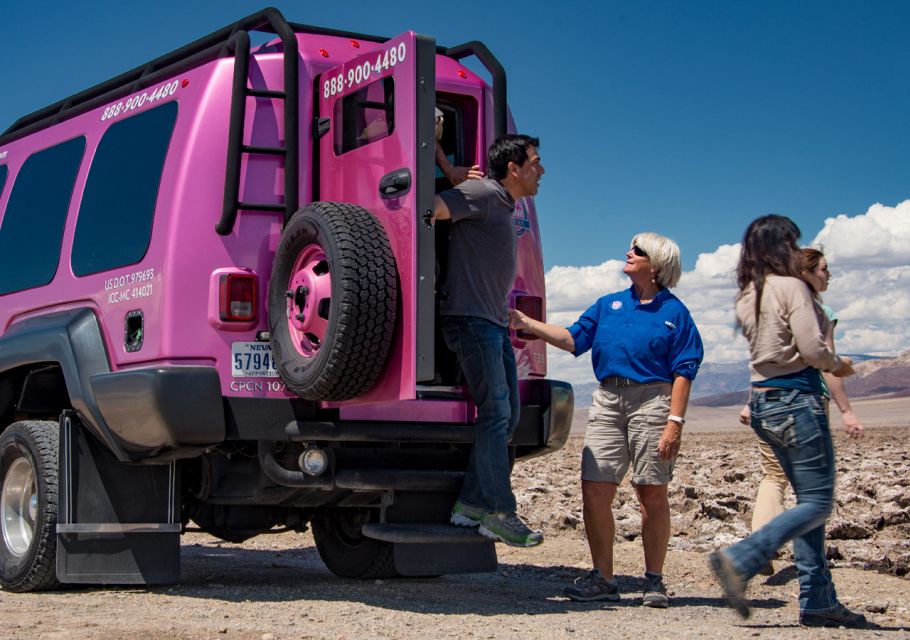
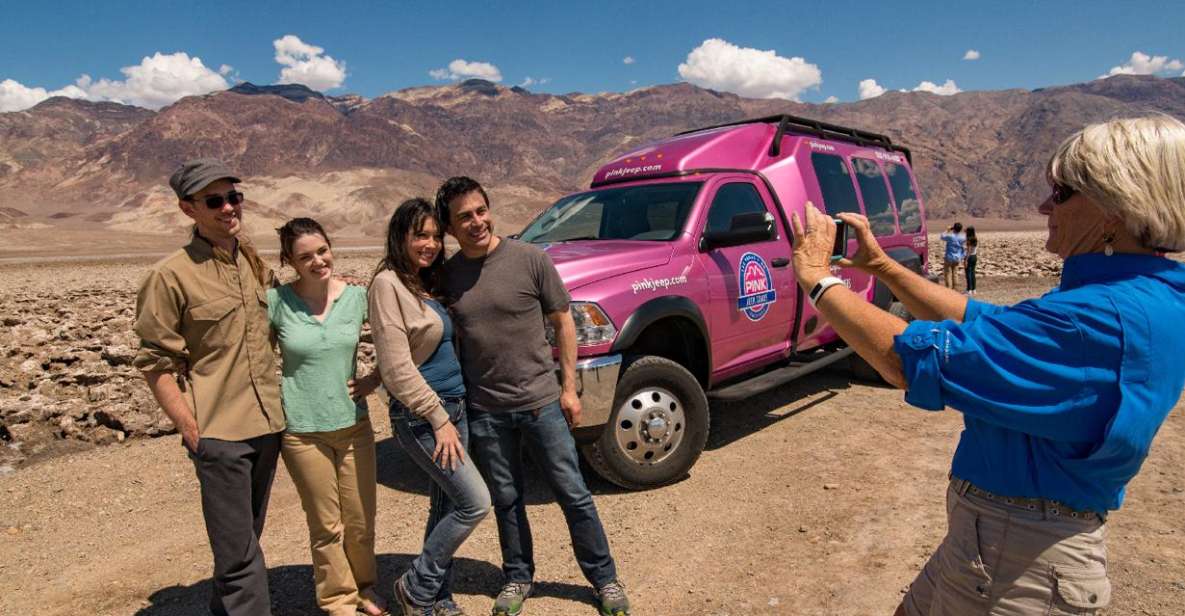
I especially like that the ride is built for comfort for a long day: reclining leather captain seats, cross-compartment A/C, tinted windows, and 15-inch DVD players help the drive feel less like a transfer and more like part of the experience. I also love the guide-led pacing, and the fact that you’re limited to just 9 participants—so you can actually hear the commentary and ask questions as you hop between viewpoints.
One thing to consider: this is still a long day in the desert, and the schedule can feel tight at times. You’ll get timed stops for photos and quick shopping, but you might not have time for a slow, linger-everywhere exploration—especially if you’re hoping to do every single stop at full depth.
In This Review
- Key highlights worth getting excited about
- Death Valley’s Biggest Stops, Without the Bus Feel
- The Tour Trekker Ride: Comfort Matters on a 10-Hour Day
- Where You Go First: Badwater Basin and the Lowest Point Moment
- Harmony Borax Works: Industrial History You Can Actually See
- Devil’s Golf Course: Strange Texture, Photo-Perfect Angles
- Artists’ Palette: Color That Looks Fake Until It Doesn’t
- Off-Road Fun at 20 Mule Team Canyon (Edge of the Amargosa)
- Timing, Rest Stops, and Photo Opportunities
- Lunch and What You Should Expect from Included Food
- Value for $301: What You Get and Why It Can Be Worth It
- Who This Tour Fits Best (And Who Might Prefer Something Else)
- Before You Go: Simple Packing That Pays Off
- Should You Book the Death Valley Trekker Tour?
- FAQ
- How long is the Death Valley Trekker Tour from Las Vegas?
- What are the main stops on the tour?
- Do I get hotel pickup and drop-off?
- What vehicle is used for the tour?
- What’s included in the price?
- Is lunch provided?
- How big is the group?
- What language is the tour guide?
- What should I bring?
- What wheelchair types are allowed?
Key highlights worth getting excited about
- Badwater Basin: stand 282 feet below sea level at the lowest point in the Western Hemisphere
- Harmony Borax Works: snap pictures and soak in the industrial-era story behind the borax trade
- Devil’s Golf Course + Artists’ Palette: surreal color and texture viewpoints that photograph oddly well
- 20 Mule Team Canyon: off-road riding on the edge of the Amargosa Mountain Range
- Small group (max 9): more personal guide time than a big bus day
- Comfort on the drive: recline, A/C, tinted windows, and 15-inch DVD players
Death Valley’s Biggest Stops, Without the Bus Feel
Death Valley is the kind of place that makes you stop talking. Not because it’s quiet, but because your brain can’t decide how to label what you’re seeing—salt flats, mineral colors, and heat-bent roads that look like they belong on a different planet.
This day trip is built for speed with taste. You start in Las Vegas with hotel pickup, then roll out in a Tour Trekker all-terrain vehicle designed to handle rougher areas without turning the ride into misery. The promise here isn’t that you’ll “cover everything.” It’s that you’ll hit the park’s best-known visual moments and still get a few moments off the standard track.
The real win is how many of Death Valley’s most recognizable highlights are compressed into one outing: Badwater Basin, Harmony Borax Works, Devil’s Golf Course, Artists’ Palette, and a ride through 20 Mule Team Canyon. If this is your first time in the park—and you only have one day—this is one of the most efficient ways to get the feel of it.
You can also read our reviews of more tours and experiences in Las Vegas.
The Tour Trekker Ride: Comfort Matters on a 10-Hour Day
A lot of people underestimate how much time you spend traveling to Death Valley. This is a full-day commitment, so the vehicle design changes the whole experience.
I like that the Tour Trekker comes with reclining leather captain seats—that’s huge when you’re on the road for hours. You also get cross-compartment A/C, large tinted windows for easier sun glare control, and even 15-inch DVD players for the drive. In practice, that means you’re less likely to feel cooked by the time you reach the first viewpoints.
Transport quality shows up in the feedback too: a big share of reviewers gave the ride a perfect score, which usually points to fewer complaints about bumps, comfort, or smooth driving. And one small detail I appreciate: cold water is available on demand, so you’re not stuck rationing it the moment you realize how dry the air is.
A personal tip for your comfort: wear comfortable shoes and keep sun protection simple and accessible—hat, sunglasses, and a layer you can manage if it gets windy near higher points. One guide experience mentioned bringing a light jacket during spring trips because conditions can swing near the mountains.
Where You Go First: Badwater Basin and the Lowest Point Moment
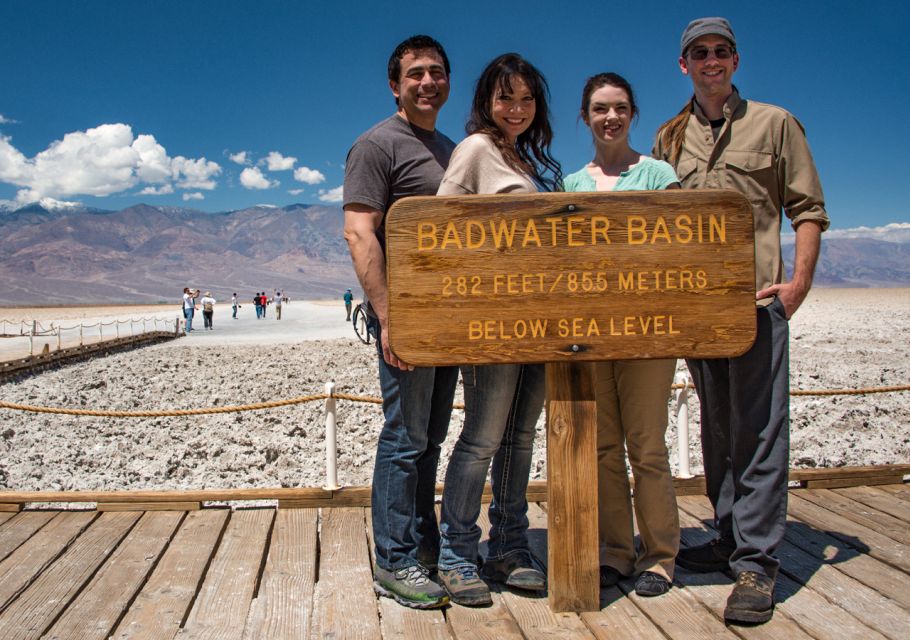
The star of the show is Badwater Basin. This is where you get the “wait, seriously?” feeling—standing 282 feet below sea level at the lowest point in the Western Hemisphere. Even if you’ve seen photos before, being there in person adds weight to the numbers.
You’ll have a stop specifically built for photos and the visual shock of the salt flats. The ground can look like cracked glass or chalk depending on light. Your best photos won’t be the ones where the salt fills the entire frame. They’ll be the ones where you include a person or a rock edge to show scale, because that’s what makes it feel unreal.
Practical note: bring your sunglasses even if it looks cloudy. Salt glare is a real thing. Also, give yourself a minute when you arrive to settle your footing—salt and mineral surfaces can be uneven or slippery depending on conditions.
Harmony Borax Works: Industrial History You Can Actually See
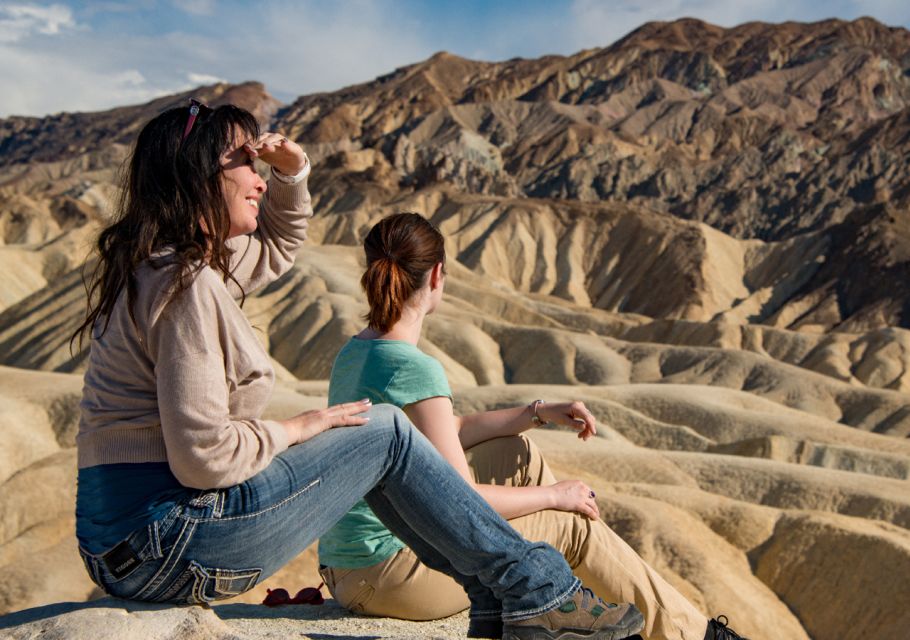
Next you’ll hit Harmony Borax Works, a stop that works for two kinds of people: history buffs and photographers. The site connects to the borax trade that helped shape this part of the American West, where minerals weren’t just rocks—they were livelihoods.
The value of this stop isn’t a long museum-style lecture. It’s that you can look at what’s there and connect the dots as you move through the park. You’ll likely get time for pictures and quick viewing, which is perfect if you’re trying to keep the day flowing without turning it into an all-day lesson.
This is also one of those moments where the guide matters. Different guides bring different emphases—some talk more about the Las Vegas connection to the wider region, while others focus on geology or transport routes. For example, guides named Sandy, Stephen, and John Greenhalgh came up repeatedly for their ability to explain what you’re seeing in a way that feels practical and grounded, not just dates and facts.
Devil’s Golf Course: Strange Texture, Photo-Perfect Angles
Devil’s Golf Course is exactly what it sounds like—except it’s also quietly difficult to capture. The mineral crust has a look that’s both patterned and broken, and the angles change with the sun.
You’ll stop for viewpoints and photos. The best approach is to treat it like a texture study. Move your position a little. Shoot from a lower angle and from farther back to show the scale of the crust. If you take one photo and rush, you’ll miss the version that actually looks like the pictures you’ve seen online.
One consideration: stop times can be relatively short depending on the day’s timing. That’s not a dealbreaker, but it means you should come prepared to move quickly and make decisions fast. If you’re the type who wants to linger for 45 minutes, plan on that not happening here.



Artists’ Palette: Color That Looks Fake Until It Doesn’t
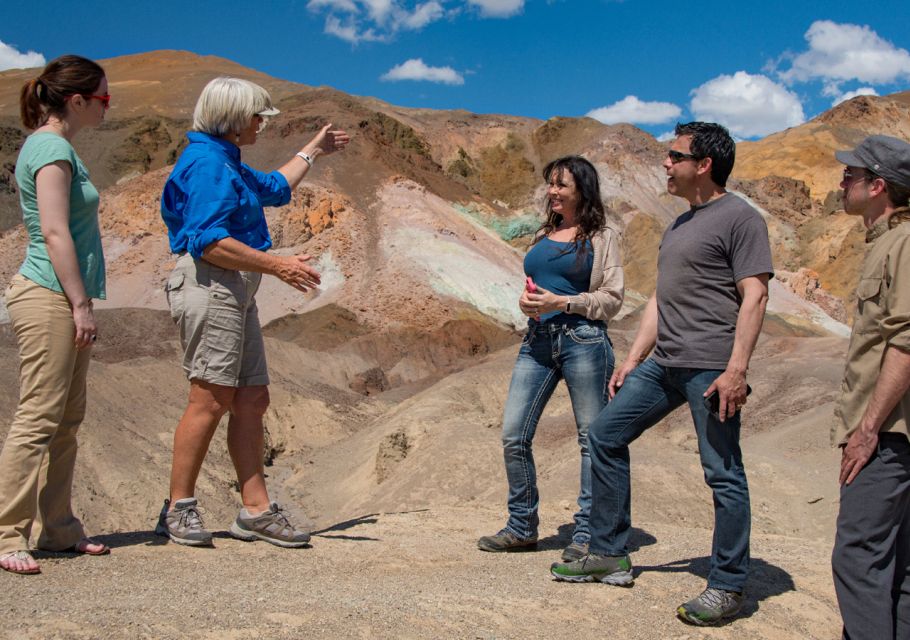
Then you’ll reach Artists’ Palette, another must-see for first-timers. This is one of Death Valley’s most colorful stops, with mineral layers that create painterly bands. It’s the kind of place where you’ll think, sure, it’s colorful—but then the light hits and it looks surprisingly real and detailed.
You’ll get time for photos, and you can also spend a few minutes simply looking without trying to translate it into something familiar. Your eyes start recognizing patterns after a couple minutes.
If you’re traveling with people who want different things, this stop tends to satisfy both camps: it’s easy for non-hikers because it’s built around viewpoints and short viewing, and it rewards photographers with strong color.
Off-Road Fun at 20 Mule Team Canyon (Edge of the Amargosa)
This tour earns its name Trekker for a reason. You go off road at 20 Mule Team Canyon on the edge of the Amargosa Mountain Range. That’s where the day stops being just a sequence of overlooks and becomes a real ride.
Off-road segments add two practical benefits:
1) You get a different view angle from what most people see from roads.
2) The vehicle itself changes the pace—you’re moving with purpose, not just parked and waiting.
Keep expectations realistic: off-road doesn’t mean rough-and-dangerous. It means you’re leaving the smooth rhythm of highways for something that feels more active. If you’re prone to motion sickness, take your usual precautions before the day starts.
And because it’s off-road, it’s also a good place to spot how the landscape changes across elevations. Even without getting scientific, you’ll feel the park shift as you move along the canyon edge.
Timing, Rest Stops, and Photo Opportunities
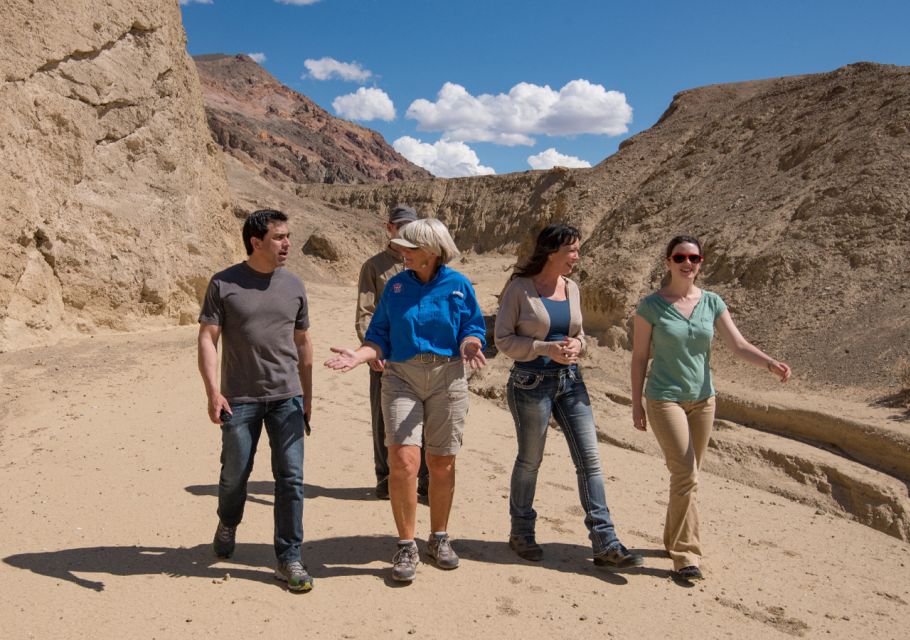
The day is structured around multiple “high impact” stops, which means there’s always a little bit of waiting and a little bit of rushing. Rest stops are typically well timed, with opportunities to visit gift shops and use bathrooms along the way.
A few guide-led touches show up in the experiences people described: timed photo breaks, time for ice cream or quick treats at a stop when the schedule allows, and a “cold water on demand” vibe that makes the desert feel more manageable. Some guides, like Nora, Jurgen, Bob, Leah, and Emily, were singled out for making the commentary feel connected to the places you’re seeing—not a random info dump.
One honest caution: the schedule can be tight. If you want to do everything—every viewpoint, every small shop, every museum-ish stop—this day trip might not let you. That’s not a flaw in the tour; it’s the reality of doing Death Valley in one day. Treat it as the best highlight collection, not an all-day slow exploration.
Lunch and What You Should Expect from Included Food
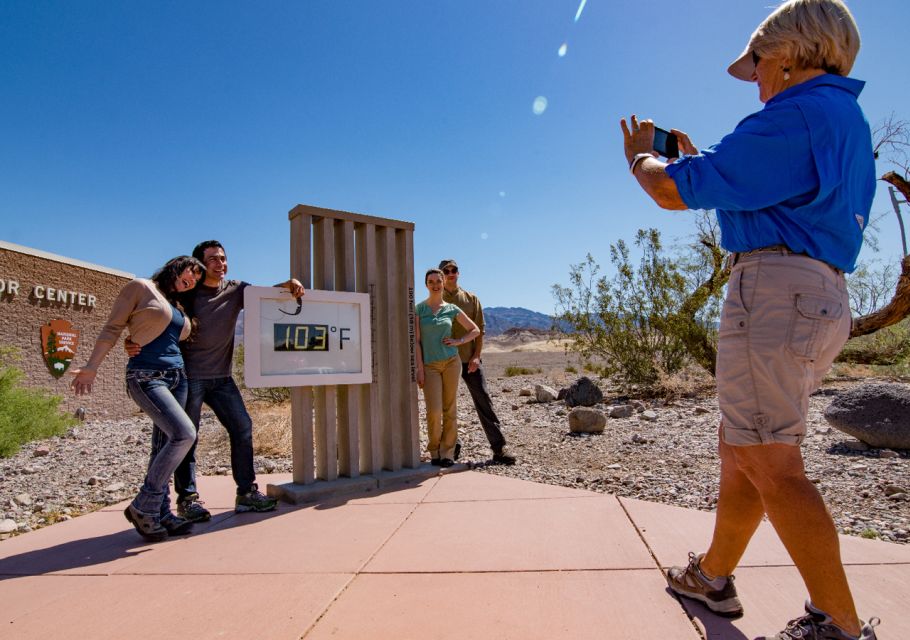
Lunch is included, and that’s a big part of the value on a day like this—you don’t have to hunt for food while you’re already dealing with heat and time pressure.
That said, quality can be tricky. One experience described the included bagged lunch as basically inedible, even while there were other food options nearby where you might not face that problem. Translation: don’t assume the included meal will match your personal taste.
My practical recommendation: plan to eat it if you like it, but bring a small backup snack in your day bag. Think energy bars, nuts, or anything you can tolerate even when conditions aren’t perfect. This is the simplest way to avoid a minor lunch disappointment turning into a drag on the whole day.
Value for $301: What You Get and Why It Can Be Worth It
At $301 per person, this isn’t a budget activity. But the price makes sense if you’re comparing it to what you’d pay for a guided, small-group transfer plus entrance fees plus lunch plus a guide for a full day.
Here’s what the money buys you in real terms:
- Hotel pickup and drop-off, which saves time and hassle in Las Vegas
- Round-trip transportation in an all-terrain Tour Trekker
- A NAI Certified tour guide who drives the day and adds context
- Lunch, bottled water, and entrance fees
The small group limit—9 participants—also has value. You don’t feel like a number, and the guide can adjust explanations to the pace of the group.
If you’re the kind of traveler who loves self-directed road trips, you might feel limited by the fixed stops. But if you’d rather trade driving stress for a guided highlight tour, the price is easier to justify.
Who This Tour Fits Best (And Who Might Prefer Something Else)
You’ll likely love this tour if:
- It’s your first trip to Death Valley and you want the park’s major hits in one day
- You prefer small-group guidance over a big bus
- You want off-road time at 20 Mule Team Canyon without renting a vehicle
- You like photo stops with enough time to actually take decent pictures
You might want a different plan if:
- You want long, slow hikes or extended downtime at one location
- You dislike time-boxed stops and frequent moving
- You’re very sensitive to motion or long road days (still manageable, just plan)
Before You Go: Simple Packing That Pays Off
You only need a few things to make the day easier:
- Comfortable shoes
- Sunglasses
- Sun hat
One more smart move: bring a light layer. Conditions can shift, especially if the route takes you near higher ground. A light jacket was suggested for spring weather because it can turn windy on the mountain side.
Also, if you’re using mobility equipment: the tour is wheelchair accessible, but non-folding wheelchairs aren’t allowed. Collapsible wheelchairs are acceptable when accompanied by another adult—so it’s worth thinking through who can travel with you.
Should You Book the Death Valley Trekker Tour?
If your goal is to see Death Valley’s top sights—Badwater Basin, Harmony Borax Works, Devil’s Golf Course, Artists’ Palette, plus off-road at 20 Mule Team Canyon—in one organized day, I’d book this. The combination of small group size, guided stops, and the comfort of the Tour Trekker makes the long travel day feel manageable.
Skip it only if you’re chasing a slow, open-ended park experience. This is the right kind of efficient: a highlight circuit with enough time to enjoy, photograph, and learn without turning the day into a marathon of planning.
If you’re deciding between tours, choose this one when you value guidance and comfort over total freedom. Death Valley is dramatic enough—you don’t need extra stress on top of it.
FAQ
How long is the Death Valley Trekker Tour from Las Vegas?
The tour lasts 10 hours.
What are the main stops on the tour?
You’ll see Harmony Borax Works, Devil’s Golf Course, Badwater Basin (lowest point in the Western Hemisphere), Artists’ Palette, and you’ll also go off-road at 20 Mule Team Canyon.
Do I get hotel pickup and drop-off?
Yes. Hotel pickup and drop-off are included, and pickup is available from most Las Vegas hotels. Your exact pickup time is provided after reconfirmation.
What vehicle is used for the tour?
You travel in a Tour Trekker, described as a comfortable, all-terrain vehicle.
What’s included in the price?
Included: hotel pickup and drop-off, round-trip transportation in the Tour Trekker, an NAI Certified tour guide, lunch, bottled water, and entrance fees.
Is lunch provided?
Yes. Lunch is included.
How big is the group?
It’s a small group limited to 9 participants.
What language is the tour guide?
The tour guide provides English commentary.
What should I bring?
Bring comfortable shoes, sunglasses, and a sun hat.
What wheelchair types are allowed?
The tour is wheelchair accessible. Non-folding wheelchairs are not allowed. Collapsible wheelchairs are acceptable when accompanied by another adult.