REVIEW · DEATH VALLEY TOURS
Death Valley Day & Night Tour – Scenic Stops, Sunset & Stargazing
Book on Viator →Operated by iTravel USA · Bookable on Viator
Desert light changes fast, and this tour follows it. You’ll bounce between iconic overlooks like Dante’s View and Badwater Basin by day, then end in a darker sky spot for guided stars. It’s built for people who want the big sights and the payoff of seeing the Milky Way after sunset.
I love how the day is timed to give you multiple “wow” perspectives without you needing a car. You get lots of easy-to-moderate viewing stops, plus guidance for getting better photos. I also like the small-group feel (max 13 travelers), which keeps the day from feeling rushed.
One drawback to think about first: the roads are long and winding, and the day includes some walking on uneven desert ground. If you deal with vertigo, motion sickness, or mobility limits, this may be tough, even with a careful driver.
In This Review
- Key reasons this tour works well
- A day that starts with geology and ends with stars
- Pickup and the drive out of Las Vegas
- Stop 1: the Death Valley welcome sign photo moment
- Stop 2: Dante’s View for the big-picture valley panorama
- Stop 3: Zabriskie Point for golden badlands and layered ridges
- Stop 4: Mesquite Flat Sand Dunes for ripples, silhouettes, and soft sand
- Stop 5: Furnace Creek Visitor Center and a real break
- Stop 6: Badwater Basin for the lowest point vibe
- Stop 7: Artist’s Palette for mineral color you can actually see
- Stop 8: Death Valley Junction stargazing for the night-sky payoff
- Stop 9: Back toward Las Vegas with a Pahrump rest stop
- Guides and photo help: where this tour often earns its near-perfect rating
- What’s included, and what you should plan to pay for
- Time on your feet: doable, but not for everyone
- Sunset timing and stargazing success tips
- How much value you’re getting for the price
- Who this tour is best for
- Should you book the Death Valley Day & Night Tour?
Key reasons this tour works well
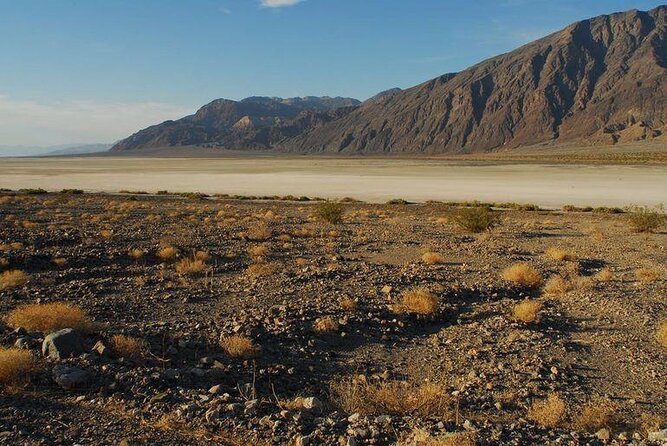
- Two-part timing: scenic stops by day, then stargazing after sunset at a dark-sky location
- Top viewpoints in one run: Dante’s View, Zabriskie Point, Artist’s Palette, Mesquite Flat Sand Dunes, and Badwater Basin
- Guides who help with photos: several guides are praised for framing shots and taking lots of pictures of the group
- Night-sky guidance: your guide points out constellations and looks for Milky Way visibility based on conditions
- Small group cap: maximum of 13 people keeps it more personal than a huge bus
A day that starts with geology and ends with stars
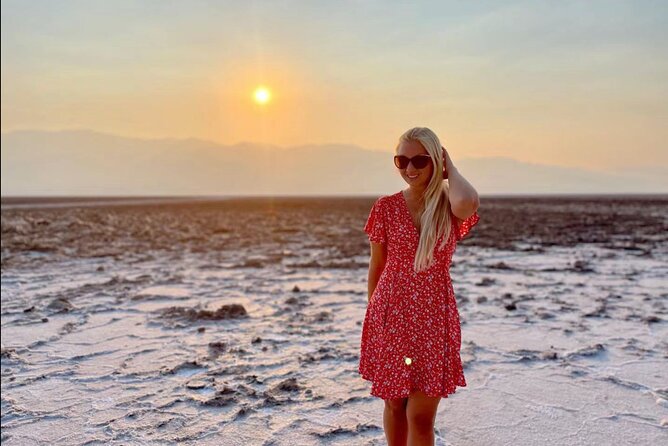
This tour is built around one simple idea: Death Valley looks different at every hour. In the afternoon you’re chasing color and scale—white salt flats, golden dunes, and multicolor mineral hills. At night, you shift gears into the darker side of the desert, where the sky does the talking.
You’ll leave Las Vegas in the morning with hotel pickup along the Main Strip (Las Vegas Blvd). Then you’ll spend the day moving through the park’s best-known “photo magnets,” guided and timed so you’re at the right place when the light hits. The payoff is that you’re not just checking boxes—you’re watching the desert change.
You can also read our reviews of more evening experiences in Las Vegas



Pickup and the drive out of Las Vegas
Convenient pickup matters more than people think on a long day. This tour includes round-trip hotel pickup and drop-off, and it’s only set up for hotels along the Strip, so you won’t be searching the city for a meeting point.
The drive to Death Valley is part of the experience, but it also explains why some people feel rough afterward. One review specifically warned that windy roads and the mountain drive can trigger vertigo, even though the driver was described as very careful. If that’s you, plan to sit where you feel best (often front seats) and pack motion-sickness support.
Stop 1: the Death Valley welcome sign photo moment
You kick off with a quick photo stop at the iconic Death Valley National Park welcome sign. It’s only about 10 minutes, but it’s a smart start because it gives you a clean, classic shot while you’re fresh and your camera settings aren’t yet in “desert chaos” mode.
Your guide helps with framing before you head deeper into the park. That’s a big theme here: you’re guided on where to stand, how to angle your phone, and how to avoid the most brutal glare.
Stop 2: Dante’s View for the big-picture valley panorama
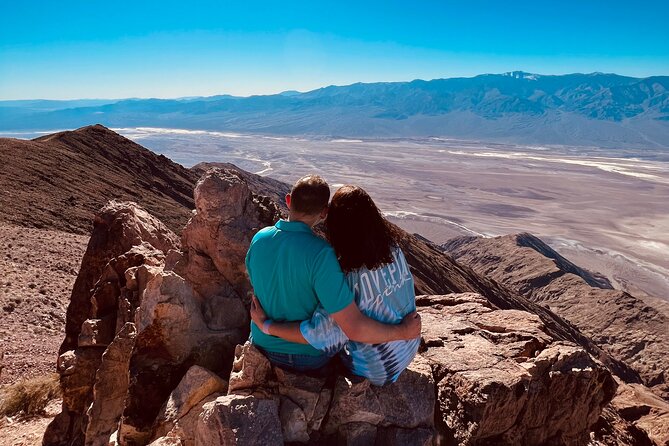
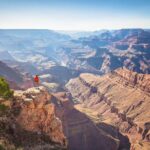
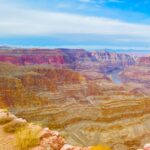
Next up is Dante’s View, one of the most famous overlooks in Death Valley. You’ll reach nearly 5,500 feet above the valley floor, and the views are wide and dramatic: Badwater Basin in the distance, the Panamint Mountains, and layers of desert you can’t fully capture from street level.
You get about 30 minutes and a short, easy walk along the ridge. That short walk is worth it because the overlook is the kind of place where you want one slow moment to just look, not just snap-and-go.
If you’re paying attention to stargazing later, this is also the time to notice the air clarity. Clear visibility by day often hints at good night conditions, though it’s never guaranteed.
Stop 3: Zabriskie Point for golden badlands and layered ridges
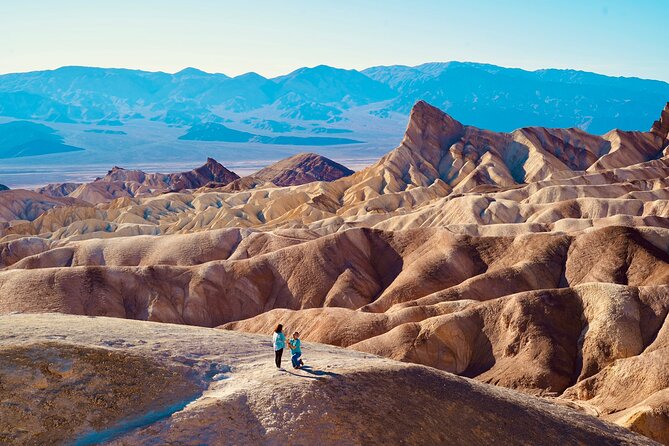
From Dante’s View, you jump to Zabriskie Point, a classic viewpoint known for golden badlands and layered rock formations. The stop is about 30 minutes, with a short paved walk to the viewpoint where you can take your time and capture photos.
This is where the desert starts to look like abstract art. One of the most satisfying parts of this itinerary is that each stop feels like a new location—even though you’re staying in one national park corridor. Zabriskie Point is the “dramatic layers” chapter of the day.
Stop 4: Mesquite Flat Sand Dunes for ripples, silhouettes, and soft sand
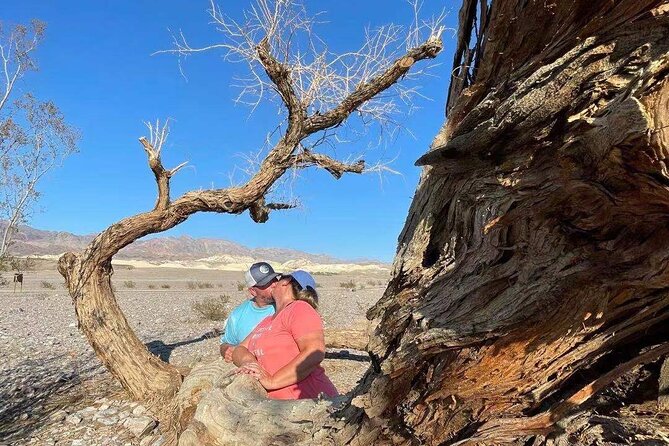
Then comes Mesquite Flat Sand Dunes, the go-to dune scene in Death Valley. You’ll have about 30 minutes, and you’re not just standing at the edge—you’ll get time for a short walk into the dunes.
The dunes create that surreal “patterned desert” look: ripples shaped by wind, shifting color as clouds pass (or don’t), and wide open space for silhouette shots. If you want something different from salt flats and rock viewpoints, this stop delivers it.
Practical note: sand drains the heat from your shoes less than you expect. Wear footwear you trust, and consider bringing sun protection you can reapply easily.
Stop 5: Furnace Creek Visitor Center and a real break
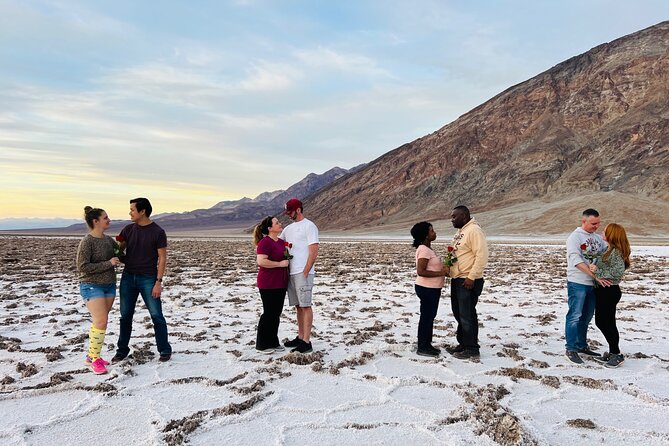
At Furnace Creek Visitor Center you slow down. You’ll get about 45 minutes, including restrooms and exhibits that help you understand what you’re looking at in this extreme climate.
Then there’s time for a dinner break at local restaurants before you shift toward sunset and the stargazing portion. That meal break is a key value point for a long day trip from Las Vegas—you’re not stuck improvising snacks in a remote area.
Also use this time strategically: if you’re trying to protect your night-sky experience, you want fewer urgent restroom moments later. The tour’s own guidance recommends using the restroom before departure when you can.
Stop 6: Badwater Basin for the lowest point vibe
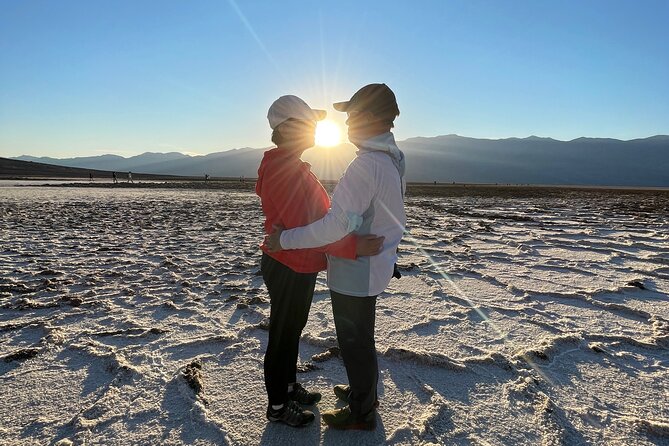
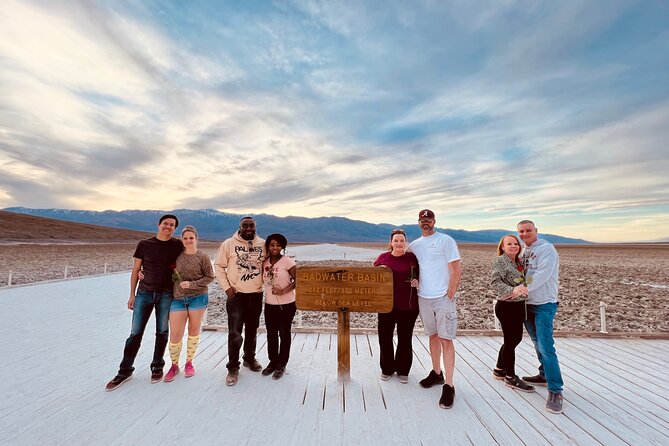
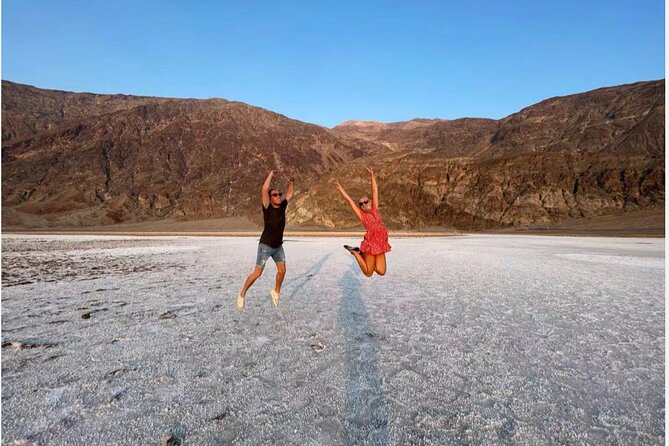
Badwater Basin is one of the big-name reasons people come to Death Valley. You’ll visit the area at about 282 feet below sea level, then walk out onto the salt flats where the horizon feels unreal.
You’ll have roughly 30 minutes here. Your guide helps you explore safely and photograph the distinctive polygon-shaped salt formations—those cracking patterns that look like desert geometry homework.
One reason this stop hits so hard is the contrast. You’re moving from dunes and colored rocks into a flat white world. It’s like the tour changes planets for half an hour.
Stop 7: Artist’s Palette for mineral color you can actually see
After salt flats, you’ll go to Artist’s Palette (also known for mineral color patterns). Hills here show shades of pink, green, yellow, and purple, created by oxidized minerals in the rock.
You’ll spend about 45 minutes, with time to reach the viewpoints along Artist Drive and walk around for photos. This is a stop where you can feel the benefit of a guide: they know where to stand so you get color without washing out your camera.
If you’re after photos that pop, this is one of the best stops to be intentional. One guide’s photo advice was to wear bright colors so the tones of the rocks and your clothing separate clearly in pictures.
Stop 8: Death Valley Junction stargazing for the night-sky payoff
Now we switch from geology to skywatching. Death Valley Junction is used as a dark-sky location outside the park, where major city light pollution is lower. You’ll get about 45 minutes, and your guide will point out constellations and look for Milky Way visibility depending on seasonal conditions.
The biggest factor here isn’t your guide—it’s the sky itself. Some nights are cloudier or brighter than you want. One review mentioned that stargazing was limited due to weather, while another specifically warned that a full moon can make stars harder to see.
If stargazing is your main reason for booking, try to align your date with a new moon if that option is available. You’re paying for night visibility, and the moon can quietly steal the show.
Stop 9: Back toward Las Vegas with a Pahrump rest stop
After stargazing, you’ll take a comfortable break while heading back. The plan includes a rest stop in Pahrump before the drive returns to Las Vegas, and you’ll be dropped off at the same location where you started.
This matters because you’re coming off a day of driving plus walking in heat. Even a short reset can make the difference between arriving back feeling fine versus feeling cooked.
Guides and photo help: where this tour often earns its near-perfect rating
This is where the experience gets personal. Several guides are repeatedly praised for both knowledge and photo work, and some go beyond simple narration.
- Alex is singled out for taking the best photos and showing guests how to frame them.
- Jay gets credit for being careful with timing and for keeping the day interesting.
- Lorenzo is praised for making the day smooth and memorable.
- Mama (Lankun) shows up in multiple reviews as a major reason people felt the day was worth it, including lots of photography and photo-sharing.
Even if you don’t care about photos, the practical value is real: if someone else is helping you pick viewpoints and manage the timing, you’ll spend less time wandering and more time actually seeing.
One extra tip from the advice shared by guests: bring enough phone storage. If your guide is taking a lot of photos and sending them to you later, you don’t want your camera roll to be full mid-adventure.
What’s included, and what you should plan to pay for
The tour includes hotel pickup/drop-off and bottled water. The overall description also says lunch and snacks are included, which is a big deal for a full 11-hour day.
If your departure includes the Pahrump wine tasting portion, food and beverages during that part are specifically stated as not included. So you might pay for anything you want to eat or drink there.
If you’re booking as a food-focused traveler, don’t assume all breaks are covered. The park day is mostly handled, but the wine stop can be a separate cost layer depending on the exact format on your date.
Time on your feet: doable, but not for everyone
Most of the stops include short walks rather than long hikes, and there’s time to sit and enjoy views. Still, you’re moving through desert terrain with sun exposure, uneven ground in places, and roads that can be bumpy.
If you have mobility limitations or strong vertigo or motion sickness triggers, take the caution seriously. One review described the trip as amazing but very challenging because of the windy roads and vertigo, even with a careful driver.
The good news: the walking is generally described as easy to short, and you can often choose how slowly you move at viewpoints. But you should come prepared for a long day and some heat.
Sunset timing and stargazing success tips
This tour’s “night” half depends on two things: cloud cover and moon brightness. The tour can’t control weather, and cloudy skies can mean fewer stars. But you can control your preparation.
Here’s what helps in real life:
- Dress for desert temperature swings. Night can feel colder than you expect after a hot day.
- Bring sun protection for the daytime stops. Even with breaks, the desert bakes quickly.
- If you care most about stars, aim for a date closer to new moon and hope for clear skies.
- Expect that light sources from nearby towns can reduce star visibility; that’s why Death Valley Junction is used.
You’re not guaranteed Milky Way photos every time, but the guide’s stargazing guidance can still make the night magical.
How much value you’re getting for the price
At about $299 per person, this is not a budget excursion. You’re paying for the long-distance transportation, the guided route across multiple major viewpoints, and the day-to-night design that most half-day trips don’t include.
What improves the value:
- You’re seeing a dense cluster of Death Valley highlights in one day: Dante’s View, Zabriskie Point, Mesquite Flat Sand Dunes, Furnace Creek, Badwater Basin, and Artist’s Palette.
- You get a focused stargazing window rather than a casual stop.
- You don’t have to plan logistics or drive yourself across a remote area.
One thing to watch: pricing can vary based on date and booking setup. A review response also noted that single traveler fees can be higher if the tour must run even when fewer people book. If you’re traveling solo, it’s worth comparing total cost to what you’d pay for separate private transport.
Who this tour is best for
This tour is a strong match if:
- You’re visiting Death Valley for the first time and want the greatest-hit viewpoints.
- You want a guide-led route that saves time and decision-making.
- Stargazing is a priority, and you’re willing to chase clear skies.
- You like photography and want help picking angles and photo timing.
It’s less ideal if:
- You’re sensitive to motion sickness or vertigo.
- Your mobility needs are very limited.
- You hate long days and early starts.
Should you book the Death Valley Day & Night Tour?
If your goal is to experience Death Valley in one compact, guided hit—then finish with a dark-sky night—this tour is worth serious consideration. The itinerary is built like a “light show,” and the stargazing component gives it a different identity than standard daytime sightseeing.
I’d book it if you can handle desert driving and a full day schedule, and if you pick a date with decent odds for clear skies and less moon brightness. I’d skip or choose a different format if vertigo or motion sickness could put a damper on the driving part.
If you decide to go, do yourself a favor: ask for a guide if you’re able (Alex, Jay, and Mama are repeatedly praised), and plan your outfits and phone storage like you’re actually going to use those photos.