REVIEW · 3-DAY EXPERIENCES
3-Day Grand Canyon South Rim, Zion & Bryce Canyon From Las Vegas
Book on Viator →Operated by AQUA TRAVEL · Bookable on Viator
The Grand Circle hits hard, then slows down just enough. This 3-day loop strings together Zion, Bryce Canyon, and the Grand Canyon South Rim with sunrise energy and a small group.
I especially like the way the schedule mixes big icons with photo-friendly stops (think Route 66 detours and canyon lookouts), plus real guided time in places like Antelope Canyon. One thing to think about: it’s a lot of driving and early starts, and the tour can’t promise sunrise views if weather or conditions turn.
The other reason I’m into this tour is control. The group is capped at about 11 travelers, so you’re not fighting for position at overlooks. Also, guides named in past trips like Maruyama and Hideto are specifically praised for being professional, accurate, and attentive to comfort.
The main drawback is that park availability can change with season (Bryce Point/Inspiration Point may be closed in winter), and sunrise depends on conditions—so build in flexibility.
In This Review
- Key things to know before you go
- Day 1: Zion and Bryce, then Toadstools and Lake Powell photos
- Zion National Park: short stops plus a real hike option
- Bryce Canyon: viewpoints first, hikes second
- Kanab break, then Grand Staircase–Escalante’s Toadstools
- Lake Powell stop before you head to Page
- Day 2: Antelope Canyon light, Horseshoe Bend, and Monument Valley by jeep
- Antelope Canyon: Lower Canyon (or X) with Navajo guidance
- Horseshoe Bend: one hour for photos that actually justify the drive
- Forrest Gump Point: quick Route 66-style fun
- Monument Valley Navajo Tribal Park: jeep tour with a Navajo tribe guide
- Grand Canyon South Rim: Desert View or Yavapai + free time
- Day 3: Grand Canyon sunrise at Mercer or Desert View, then Sedona and Route 66
- If you already visited the Grand Canyon, you’ll switch to Sedona
- Chapel of the Holy Cross: photos built into the timing
- Sedona Airport Scenic Overlook and Uptown Sedona free time
- Route 66 edge: Seligman and Kingman breaks
- Price and logistics: why this costs what it costs
- Practical tips: what to pack and how not to waste time
- Wear for walking, not for looking cool
- Bring layers and be ready for changing light
- Luggage is limited
- No strollers, and car seats require notice
- If you’re a non-US visitor, check park entry surcharges
- Photo strategy: don’t try to do everything at every stop
- Should you book this Grand Canyon–Zion–Bryce–Sedona loop?
- FAQ
- How does pickup work for the 3-Day tour from Las Vegas
- What’s the maximum group size on this tour
- Is the tour physically demanding
- What about park entry fees for non-U.S. residents
- Which Antelope Canyon do you visit
- Which Bryce Canyon viewpoints are available in winter
- Is lunch included
- Can I bring a stroller or car seat
- How much luggage can I bring
- Are meals and restrooms available during the tour
Key things to know before you go
- Small-group pace: capped around 11–12 travelers, so stops feel more human than cattle-call tours.
- Sunrise planning: Grand Canyon morning is built in, but weather can still win.
- Two major canyon days: Zion and Bryce on Day 1, then Antelope Canyon + Horseshoe Bend + Monument Valley on Day 2.
- Season switches at Bryce: in Nov–Feb, you may only get Sunset Point at Bryce Canyon.
- Route 66 flavor at the edges: short breaks in Seligman and Kingman add texture without dragging the day out.
- Real-guided slot-canyon time: Lower Antelope Canyon (or Antelope Canyon X) guided with Navajo support.
Day 1: Zion and Bryce, then Toadstools and Lake Powell photos
Day 1 is your “wow” day for Utah’s most famous scenery, and it’s built like a photo assignment with options that won’t leave everyone equally tired.
You start with hotel pickup in Las Vegas (the exact meeting point and time get confirmed after booking). Then you roll to Zion with a quick stop in Hurricane for a breather—small, but smart, since you’ll want energy for the hikes and lookouts that follow.
You can also read our reviews of more tours and experiences in Las Vegas
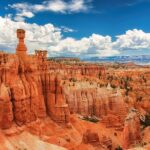
Zion National Park: short stops plus a real hike option
Zion here isn’t treated like a checklist. You get multiple quick stops for photos, including the Temple and Tower area. Those short viewpoint breaks matter because they let you take pictures before the day turns into full-on walking.
Then you choose between:
- A Sinawava Temple hike (about 1 hour), or
- The Canyon Overlook Trail (about 1.6 km round trip, around 1 hour)
Either way, the goal is to get you to a payoff without turning Day 1 into a leg day. If you want easier effort, pick the Canyon Overlook Trail. If you want more of a “walk inside the park” feeling, go for Sinawava Temple.
You also stop at Checkerboard Mesa for more photographing. Those tight photo windows are a good match for a group this size—you can grab what you need without feeling rushed.
Bryce Canyon: viewpoints first, hikes second
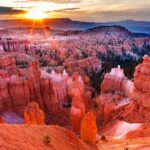
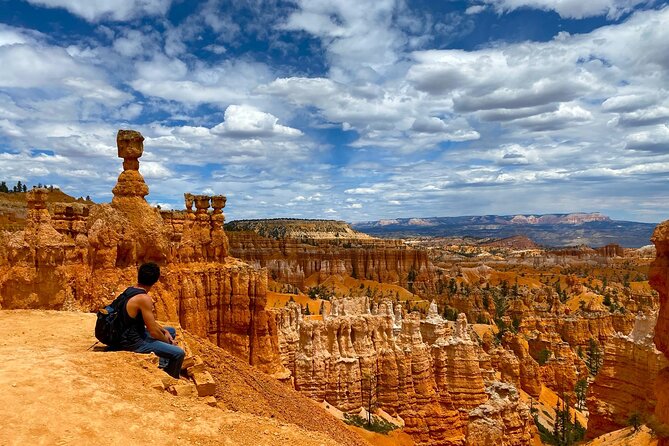
After Zion, it’s Bryce Canyon next: Bryce Point, Inspiration Point, and Sunset Point. These are the three classic viewpoints people chase for a reason. From them, the hoodoos look like stacked architecture—tall, carved shapes that seem almost too orderly to be real.
There’s one seasonal wrinkle you should know ahead of time: in November to February, Bryce Point and Inspiration Point are closed, so you’ll only have Sunset Point. In summer, there’s also a free walk on the Navajo Loop Trail at Sunset Point (about 75 minutes). That’s the difference between a quick photo stop and a longer “work the viewpoints” experience.
Practical note: if you’re traveling in winter months, keep your expectations rooted in Sunset Point, because the other two may simply not be available.
Kanab break, then Grand Staircase–Escalante’s Toadstools
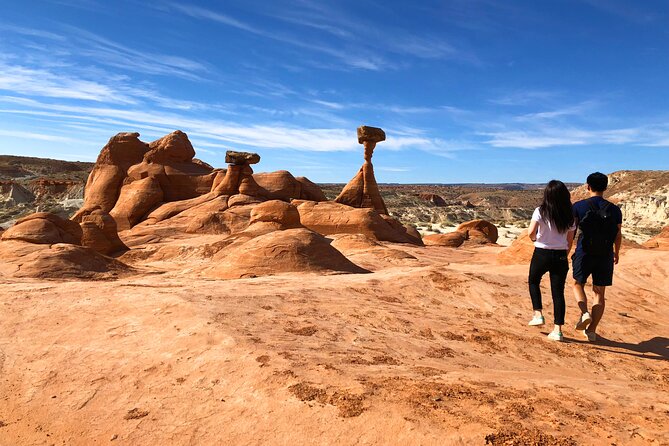
Then you pivot to the red-rock quiet between the famous parks: a short stop in Kanab, then Grand Staircase–Escalante National Monument. This is where the tour adds variety. You’ll spend about 45 minutes including a hike to the Toadstools—a 1.5-mile round trip where you’re looking for those mushroom-shaped formations.
This isn’t a giant park day. It’s more like a guided nature sidetrack that gives you a different texture than the canyon walls. If the sky is clear, it’s also a nice chance to get photos in softer light than the bigger overlooks.
They also mention a spot sometimes linked to a playful nickname (Todd Stool). The safe approach: bring your camera and be ready to stop for viewpoints when your guide points them out.
Lake Powell stop before you head to Page
Finally, you end with Lake Powell photos at Wahweap Overlook or the Glen Canyon Dam Visitor Center. It’s a short stop, but Lake Powell is one of those places where even quick photos feel cinematic—blue water against dry canyon walls.
You arrive for the night in Page, Arizona.
My take: Day 1 is the right mix of easy-walk time and optional effort. It gives you a feel for Zion and Bryce without forcing every person into the hardest trail.
Day 2: Antelope Canyon light, Horseshoe Bend, and Monument Valley by jeep
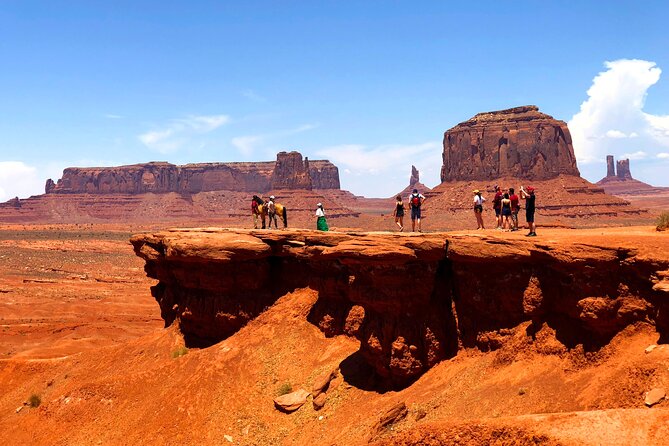
Day 2 is the “canyons up close” day. You go from slot-canyon walls lit from above to an iconic bend in the Colorado River, and then you switch gears into Monument Valley’s big-buttes scenery with a Navajo-guided jeep ride.
Antelope Canyon: Lower Canyon (or X) with Navajo guidance
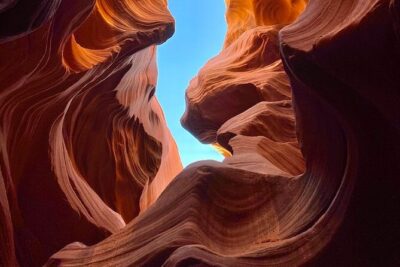
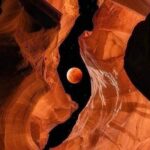
First stop: Antelope Canyon—you’ll visit the Lower Antelope Canyon (or Antelope Canyon X depending on weather). You’ll spend about 90 minutes with guided time through the slot canyons, and Navajo guides assist along the way.
Why this matters: Antelope Canyon isn’t just a view you stand in front of. It’s a guided walk through tight rock corridors where the light changes constantly. The “wait, the color just shifted” effect is real here, and it’s why guided time is included.
You get the “ultimate natural beauty carved by water and wind” experience in a way that feels controlled—not chaotic. And since the tour includes the admission (and a hiking permit is mentioned), you’re not stuck figuring out logistics once you arrive.
Horseshoe Bend: one hour for photos that actually justify the drive
Next is Horseshoe Bend, about 1 hour on site. You’ll stand over the Colorado River’s horseshoe-shaped curve and get pictures that look like they were staged.
This is one of those stops where timing matters. Bring your patience and your camera stance. If you try to do too much browsing and group herding at once, it gets stressful. Instead, treat it like a photo session with short breaks.
Forrest Gump Point: quick Route 66-style fun
Then a short stop at Forrest Gump Point for about 10 minutes. It’s quick, but it adds a playful, pop-culture break to keep the day from becoming one long serious stare at geology.
Monument Valley Navajo Tribal Park: jeep tour with a Navajo tribe guide
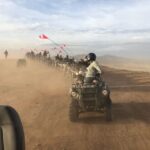
Then you head into Monument Valley Navajo Tribal Park, where you’ll take a jeep tour guided by a Navajo tribe. You’ll have about 1 hour 15 minutes.
The iconic buttes—Mitten Buttes and Merrick Butte are specifically called out—dominate the views. A guided jeep ride helps because you don’t just pass viewpoints at random. Your guide can point out what you’re looking at and help you connect the shapes to the story of the place.
Grand Canyon South Rim: Desert View or Yavapai + free time
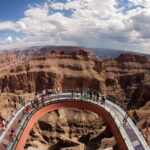
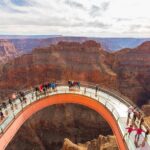
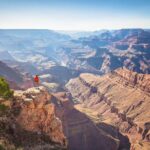
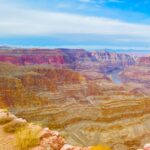
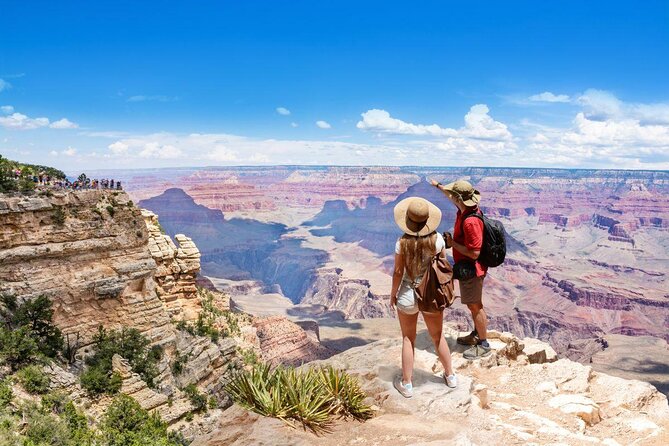
By late day, you reach the Grand Canyon South Rim for sightseeing at either Desert View Point or Yavapai Point, plus free time at spots like Bright Angel Lodge for browsing and a little shopping.
This is about 1 hour 30 minutes total. It’s enough time to feel the scale, grab a few key angles, and then reset before the next morning.
You arrive for the night in the Grand Canyon area—options mentioned include Cameron Trading Post, Yavapai Lodge, or Grand Canyon Plaza in Tusayan.
My take: Day 2 is where the tour earns its ticket. The mix of guided Antelope Canyon time and guided Monument Valley jeep time is hard to replicate on your own without planning.
Day 3: Grand Canyon sunrise at Mercer or Desert View, then Sedona and Route 66
Day 3 begins early, because the best photos on the South Rim often happen before the crowds fully wake up. You watch sunrise at Mercer Point or Desert View Point (about 30 minutes).
You should know this: there’s no refund if you can’t see sunrise due to weather or other reasons. That’s not a “gotcha,” it’s just the reality of outdoor viewing. Pack warm layers and keep your hope flexible.
If you already visited the Grand Canyon, you’ll switch to Sedona
The itinerary notes that if you’re already staying at the Grand Canyon or Tusayan (meaning you saw the canyon the day before), you’ll head to Sedona after sunrise. That’s efficient. You’re not repeating the same look twice.
Chapel of the Holy Cross: photos built into the timing
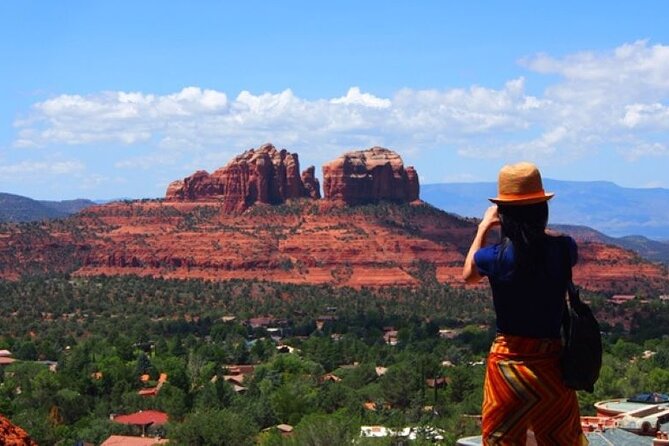
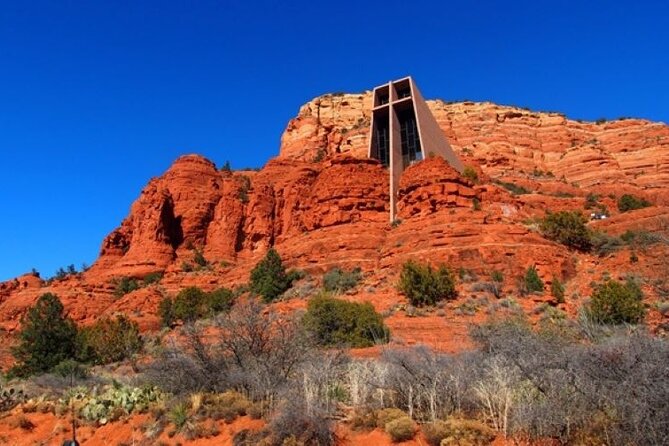
Next stop: Chapel of the Holy Cross. You’ll have about 1 hour. The chapel is on a hill, so you’ll get a good chance to photograph nearby rock icons: Bell Rock and Cathedral Rock.
The church is closed on Easter and Christmas, so if your dates land on those holidays, check your calendar.
Sedona Airport Scenic Overlook and Uptown Sedona free time
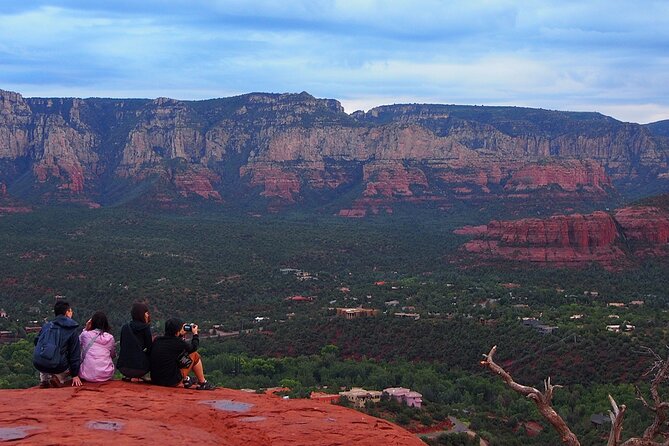
Then you go to Sedona Airport Scenic Overlook for about 20 minutes. You’ll see the city of Sedona and rock formations including Cathedral Rock, Bell Rock, Chimney Rock, and Thunder Mountain.
After that: free time in Uptown Sedona (about 1 hour 10 minutes). This is where you slow down. Grab lunch on your own, browse shops, or just sit for a few minutes and let the views sink in.
Route 66 edge: Seligman and Kingman breaks
Then the tour swings back to classic Americana with brief stops:
- Seligman (about 20 minutes) for Historic Route 66 browsing
- Kingman (about 15 minutes) for a break
These are short, but they add a sense of place beyond the parks.
Finally, you’re dropped back at the original departure point.
My take: Day 3 is the “soft landing” day. You start with a canyon peak moment, then move into Sedona’s photo-rich rock views and a little Route 66 nostalgia.
Price and logistics: why this costs what it costs
At $1,255 per person for about three days, this isn’t a cheap road trip. But you’re not just paying for seats. You’re paying for a guided, multi-park routing that includes admissions and the hard-to-manage parts of the day.
Here’s what’s included that usually drives the cost on a tour like this:
- Professional tour guide and an air-conditioned vehicle
- Pickup/drop-off at designated Las Vegas hotels
- Parking fees
- Grand Canyon, Zion, Bryce Canyon, and Monument Valley admissions
- Antelope Canyon admission (with a hiking permit mentioned)
- One lunch on Day 2
Tips and most meals are not included, so budget for your own food the other days. Also plan for this: you get designated bathroom stops but there are no restrooms on the vehicle.
Two practical value notes:
- Small-group size helps you actually use the time you’re paying for. On big bus tours, you spend energy waiting. Here, the cap around 11 travelers keeps things moving.
- Guided slot-canyon time (Antelope Canyon) and guided jeep time (Monument Valley) are the kinds of experiences that can be expensive or complicated to replicate without a partner on the ground.
If you’re the kind of traveler who wants to wake up, show up, and let someone else manage park timing, this price starts to look reasonable.
Practical tips: what to pack and how not to waste time
This tour does a lot in three days. Your job is to make it easier on yourself.
Wear for walking, not for looking cool
The itinerary includes hikes like the Sinawava Temple hike (about 1 hour) and the Toadstools hike (1.5-mile round trip). Even with “easy terrain” described in the FAQ, you’ll still want hiking or athletic shoes.
Bring layers and be ready for changing light
Sunrise at the Grand Canyon can feel cold even when Vegas is warm. Bring a warm layer even if you’re a shorts-and-tee person.
Luggage is limited
Your luggage must be carry-on size, one piece per person. If you show up with a giant suitcase, you’ll likely have problems loading.
No strollers, and car seats require notice
Strollers aren’t permitted due to size constraints. If you’re traveling with toddlers, a chest or backpack-type carrier is recommended. Car seats are available, but you need at least 24 hours notice.
If you’re a non-US visitor, check park entry surcharges
For guests who are non-U.S. residents (16+), you may face an additional national park entry surcharge for certain parks. Bring proof of residency for any exemptions.
Photo strategy: don’t try to do everything at every stop
This kind of tour is built for multiple viewpoints. That’s great. But you’ll get better results if you pick 1–2 “must-capture” angles at each major stop, then enjoy the moment with less fiddling.
Should you book this Grand Canyon–Zion–Bryce–Sedona loop?
If you want the Grand Circle feel without doing the logistics grind, I’d lean yes. The biggest selling points are the small-group size, guided experiences like Antelope Canyon and the Monument Valley jeep tour, and the way the tour keeps moving between highlights without turning every stop into an exhausting hike.
Book it if:
- you want one guided plan that hits the major parks and classic photo spots
- you like having time for short hikes and viewpoints, not just bus windows
- you’re okay with long driving days and early mornings
Skip it or think hard if:
- sunrise weather is a non-negotiable priority for you (it can’t be guaranteed)
- you’re traveling in Nov–Feb and you specifically want Bryce Point and Inspiration Point (they may be closed)
- you dislike lots of time in vehicles and quick stops
FAQ
How does pickup work for the 3-Day tour from Las Vegas
Pickup is offered from select Las Vegas Strip hotels. Your exact pickup time and meeting place are confirmed after booking.
What’s the maximum group size on this tour
The tour has a maximum size of 12 travelers (with the tour described as capped at 11 travelers).
Is the tour physically demanding
You should have moderate physical fitness. There is some walking and optional hike choices, including hikes like Sinawava Temple and the Toadstools.
What about park entry fees for non-U.S. residents
Non-U.S. residents age 16+ may be subject to an additional surcharge for national park entry for parts of the itinerary. Bring proof of residency if you plan to claim any exemption.
Which Antelope Canyon do you visit
You visit the Lower Antelope Canyon or Antelope Canyon X depending on weather. You’ll go with guidance and spend about 90 minutes.
Which Bryce Canyon viewpoints are available in winter
In November to February, only Sunset Point is available because Bryce Point and Inspiration Point are closed.
Is lunch included
Yes. A single lunch is included on Day 2. Meals other than that are on your own.
Can I bring a stroller or car seat
Strollers are not permitted due to size constraints. Car seats are available if you request them with at least 24 hours notice.
How much luggage can I bring
You can bring carry-on size luggage, one piece per person.
Are meals and restrooms available during the tour
Meals are not included except for lunch on Day 2. There are no restrooms on the vehicle, but bathroom stops are made when requested and possible.