REVIEW · ANTELOPE CANYON & HORSESHOE BEND TOURS
Vegas: Grand Canyon, Antelope Canyon, Horseshoe Bend, & Zion
Book on GetYourGuide →Operated by MaxTour LLC · Bookable on GetYourGuide
Big canyons in two days sounds wild. This trip strings together Zion, Lower Antelope Canyon, Horseshoe Bend, and the Grand Canyon South Rim with guided time in each place.
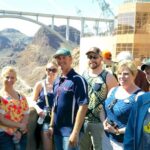
Two things I really like: the itinerary is built around iconic viewpoints (that’s not just marketing), and you travel with a small group of up to 14, so you get help with timing and photos instead of feeling like cattle. I also like that meals aren’t left totally to chance—breakfasts are included, plus there are snacks and drinks on the bus.
One drawback to plan for: it’s a long road-trip rhythm. You’ll spend real hours driving between stops, and you’ll want light packing because luggage or large bags aren’t allowed.
In This Review
- Key things to know before you go
- Why this two-day Grand Canyon-and-canyons route makes sense
- Pickup and small-group comfort: what the bus time feels like
- Zion National Park: big views with guided timing
- Route 66 stops: the fun history break between Utah/Arizona icons
- Lower Antelope Canyon with a Navajo guide: what makes it special
- Horseshoe Bend: the 1,000-foot drop that steals your attention
- Grand Canyon South Rim: where scale finally clicks
- What your hotel night in Page gives you (and what it doesn’t)
- Price and value: what $350 covers, and what you must budget
- The best way to pack (and not hate the van)
- Who should book this tour from Las Vegas
- Should you book this Vegas-to-Grand-Canyon-and-canyons tour?
- FAQ
- What is included in the tour price?
- Is the Lower Antelope Canyon entry ticket included?
- How long is the trip?
- How many people are in the group?
- Where does pickup happen in Las Vegas?
- Are large bags allowed?
- Is free cancellation available?
Key things to know before you go
- Small-group pacing (up to 14): more time for photos and less scrambling for the best spots
- Navajo-guided Lower Antelope Canyon: slot-canyon magic with local storytelling
- 1,000-foot Horseshoe Bend overlook: a classic river bend with serious drop-offs
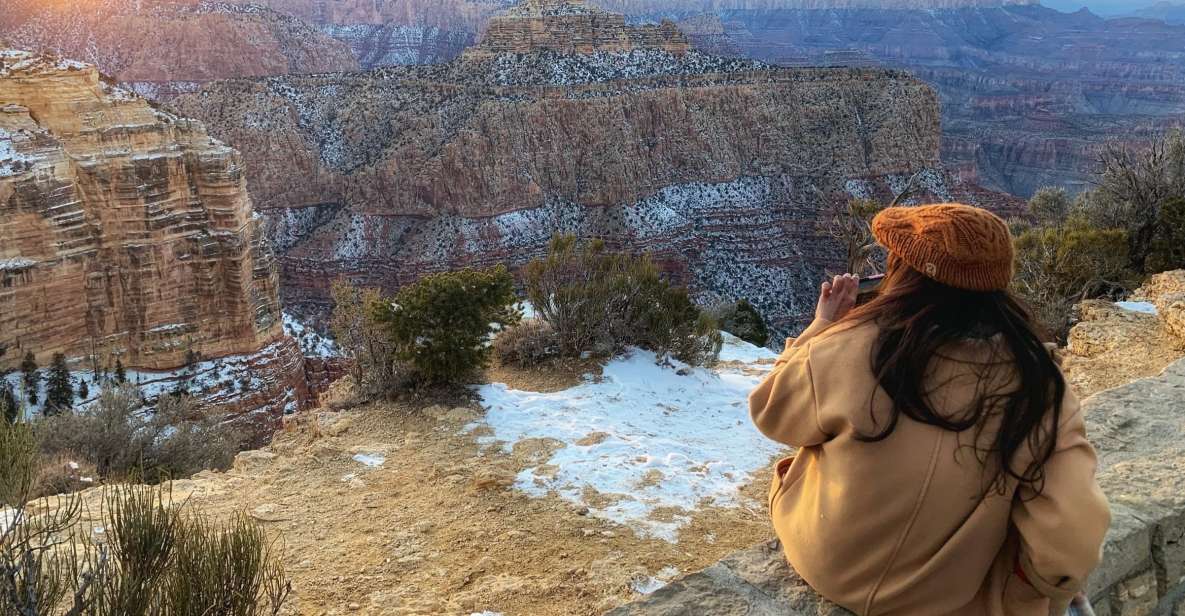
- South Rim viewpoints, not just one stop: more variety as you look into the Grand Canyon
- Route 66 detours: a fun history break between big parks
- Lower Antelope Canyon ticket costs extra: $80 to budget for
Why this two-day Grand Canyon-and-canyons route makes sense
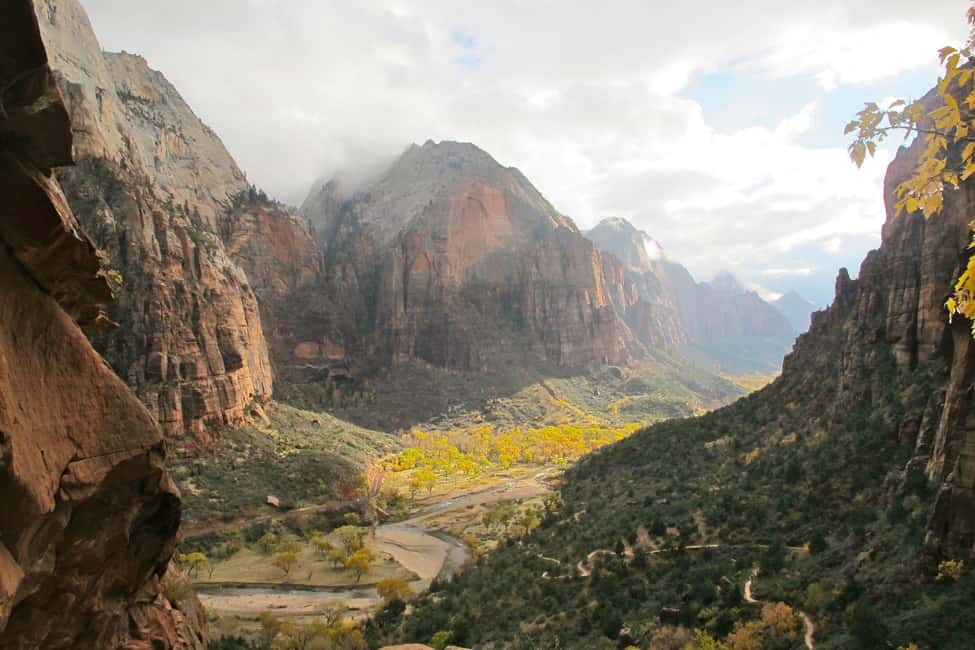
The biggest win here is the way the trip clusters the most photogenic canyon stops in a tight loop. You get a day of dramatic canyon scenery in the Page, Arizona area, then you pivot toward the Grand Canyon South Rim with enough time to actually enjoy it.
You also get a guide who helps you connect the dots. That matters because these places look similar on a map, but they feel totally different in person—Zion’s tall walls and switchbacks, Antelope’s twisting slot passageways, Horseshoe Bend’s sudden river bend, and the Grand Canyon’s huge scale.
Just know the vibe: it’s not slow sightseeing. It’s big sights + big drives, done in a way that tries to keep you comfortable and on schedule.
You can also read our reviews of more tours and experiences in Las Vegas.
Pickup and small-group comfort: what the bus time feels like
You start with hotel pickup in Las Vegas, but it only works for hotels within 2 miles of the Strip. Even then, pickup isn’t always right at your hotel door—you might be asked to walk to a nearby pickup point (next door, two hotels down, or across the street).
The upside of the small group (max 14) shows up during the ride. People aren’t packed shoulder-to-shoulder, and that makes it easier to settle in, charge devices, and wait for your next stop without feeling trapped.
One more practical note: no luggage or large bags. Pack light. Think day bag plus what you need for walking and sun protection. If you’re arriving from a longer trip, you’ll want to sort your packing before you head to the meeting point.
Zion National Park: big views with guided timing
Zion is famous for its dramatic rock walls and the feeling that the canyon is moving around you. On this trip, you get time to explore Zion National Park with your guide rather than just a quick drive-by.
What I like about how this part is set up is the balance. Zion can be overwhelming if you try to do everything at once, but you’re not trying to cover every trail. You’re there for the views and the experience—enough time to soak in the scenery and walk where you feel like it.
The main consideration is that Zion is active terrain. You’ll be outside, often in heat, and you’ll want comfortable shoes and water. If you’re someone who likes to move at a relaxed pace, this works well because the group size helps keep things calm.
Route 66 stops: the fun history break between Utah/Arizona icons
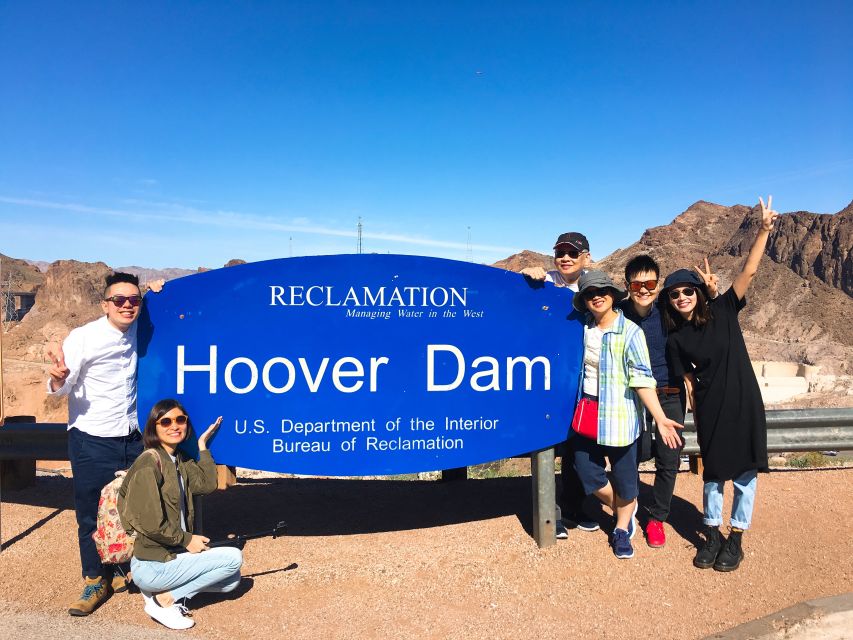
Between Zion and the Page area (and again as your route unfolds), there are chances to see historic Route 66 scenery. Some tours also add in extra roadside landmarks depending on the day’s timing, and you may spot well-known sights like dam viewpoints on certain departures.
This “in-between” time is more than filler. Road trip detours are how you break up the long-distance feeling of the drive. They also give the trip texture—Zion and the canyons look like separate worlds, but Route 66 reminds you you’re still traveling through a single living region.
If you love the movie-postcard version of old America signs and roadside culture, you’ll enjoy these stops. If you hate the idea of stopping often, keep this in mind and stay flexible.
Lower Antelope Canyon with a Navajo guide: what makes it special
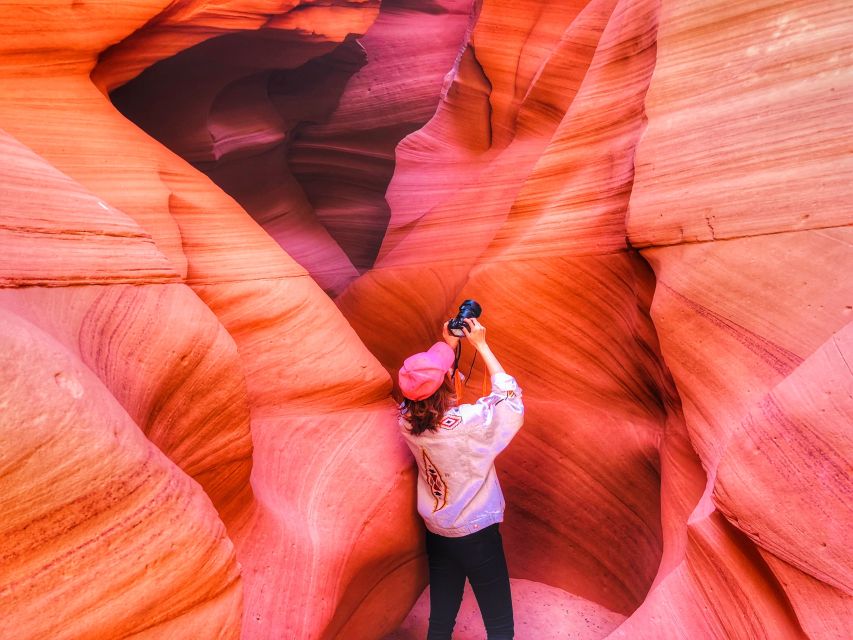
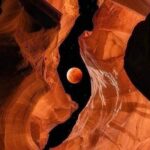
Lower Antelope Canyon is the kind of place you understand only after you’re inside it. The walls narrow, curve, and catch light in a way that feels almost unreal—slot-canyon visuals that are way more interesting than they sound in a brochure.
Here’s the big value: you go with a guide, and this part is designed around a supported visit. You’ll also want to remember that the canyon itself is the main event. You don’t have to be an athlete, but you do need average mobility because you’ll be walking and moving through the canyon passageways.
Important budget detail: the Lower Antelope Canyon entry ticket isn’t included. Plan on an extra $80 for that ticket.
If you’re picky about photos, you’re in luck. Many guides focus on helping you find the best angles and timing for pictures, and this canyon is all about angle and light. Just wear grippy shoes and keep your expectations focused on what the canyon actually gives you: dramatic geometry and light patterns, not wide open space.

Horseshoe Bend: the 1,000-foot drop that steals your attention
Horseshoe Bend is simple and iconic: a sweeping arc of the Colorado River with an overlook that drops about 1,000 feet. You don’t need a lot of time to appreciate it, but you do need the right attitude—slow down and let the scale hit you.
This tour includes the Horseshoe Bend entrance fee, so you’re not dealing with extra paperwork on arrival. You’ll get a dedicated stop for the overlook, which means you’re not trying to squeeze it in between other park demands.
The other thing I appreciate about this stop in a guided setup is crowd control. You’re not alone out there, and timing can make a difference for photos. A good guide helps you pick the angle and then steps back so you can breathe and shoot.
Bring water, protect your face from sun, and keep a careful eye on footing. The view is dramatic, but the edge is real.
Grand Canyon South Rim: where scale finally clicks
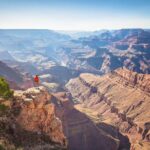
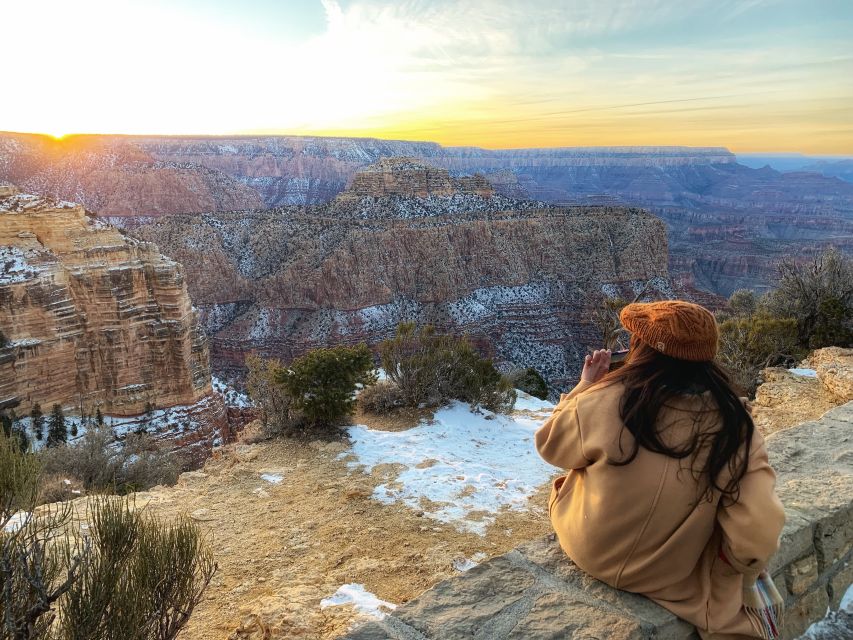
The Grand Canyon South Rim is the reason people plan entire trips. It’s one of the Seven Wonders of the World, and from the rim you get that instant wow—then you realize you’re only seeing a small slice of the whole system.
What makes this tour feel worth it is the variety of viewpoints. Instead of just one quick pull-off, the guiding approach tends to focus on giving you multiple angles and walkable areas on the rim. That helps the canyon feel less like a single photo and more like a place you can read.
The tour includes the Grand Canyon National Park entrance fee, so you’re not paying for admission day-of. You’ll also find the timing works for a day trip style: enough time for photos and a relaxed sense of exploring, not a frantic sprint.
If you love facts, guides usually add context as you look—how the canyon formed, what you’re seeing across the layers, and why the light changes what you notice. If you’re more into pure scenery, that’s fine too. The canyon does most of the talking.
What your hotel night in Page gives you (and what it doesn’t)
After your first big day, you’ll have dinner and an overnight stay in Page, Arizona. The included hotel stay covers one night, and each booking includes one room with two queen beds.
This is a smart move for the itinerary. By sleeping in the region, you reduce stress and avoid racing back and forth just to see the next stop. Page also keeps you closer to Antelope Canyon and Horseshoe Bend, which is where the first-day intensity comes from.
The trade-off: you’ll still be tired. This is a two-day whirlwind, so the best way to use the hotel night is recovery. If you know you’ll be tempted to stay out late, fight that urge. Get rest. Tomorrow’s Grand Canyon morning tends to reward people who arrive fresh.
Price and value: what $350 covers, and what you must budget
At about $350 per person (starting price), this trip bundles a lot of the “hard parts” that slow down DIY travel: multi-park navigation, hotel coordination for one night, and several entry fees.
Included items worth calling out:
- Breakfasts (2 days)
- Zion National Park entrance fee
- Lower Antelope Canyon is not included, but Horseshoe Bend entrance fee is included
- Grand Canyon National Park entrance fee
- 1 night in a hotel (two queen beds per room)
- Drinks and snacks during the tour
Not included (so you don’t get surprised):
- Lower Antelope Canyon ticket: $80
- Lunches and dinner
My practical take on value: if you’re the type who hates paying entry fees at the last minute and wants a driver handling the route, this price can make sense quickly. The included snacks and drinks also help on a day packed with viewpoints—stopping for every water break gets old fast.
If you’re planning to eat big meals out of pocket anyway, still set aside money for lunch/dinner and the Antelope ticket. Once you do that, the trip feels like a smooth, guided “greatest hits” run with fewer coordination headaches.
The best way to pack (and not hate the van)
Because luggage or large bags aren’t allowed, pack like you’re going hiking-lite. You’ll want:
- comfortable shoes for walking at rim overlooks and in the canyon area
- a hat and sunscreen (sun is a real factor in these regions)
- a day bag for water and a layer
- a charging setup if you want to keep your phone/camera ready for photo stops
Also consider how you’ll manage your schedule. You’re in a vehicle most of the day, and even with frequent stops, your body will feel it. The people who enjoy this most are the ones who treat it like a road-trip experience, not a “quick hop between landmarks.”
The good news is that the tour is designed for comfort. Reviews often highlight that the bus/van stays comfortable, and the snacks and drinks help the drive feel manageable.
Who should book this tour from Las Vegas
This is a great fit if you want the major canyon highlights and you’d rather let someone else handle timing, park access, and the logistics of getting from point A to point B.
It’s also a good match if you care about photos and like help with photo angles. Many named guides on this route—like Justin, Mac, Amber, Scott, David, Ken, Anthony, April, Cash, Joey, Celeste, Ruben, and Elaine—have earned praise for photo-friendly stops and keeping the pace comfortable.
One more match check: not suitable for children under 6. If you’re traveling with younger kids, this won’t work as written.
And if you’re someone who hates long drives or feels trapped in vehicles, you might find this intense. You’ll still get breaks, but the core structure is two days of road time plus huge canyon payoffs.
Should you book this Vegas-to-Grand-Canyon-and-canyons tour?
If your goal is to see Zion, Lower Antelope Canyon, Horseshoe Bend, and the Grand Canyon South Rim in one efficient plan, I think this tour is worth serious consideration. You’re getting multiple included park fees, a real hotel night in the right region, and guide-led canyon time that you’d have to plan yourself carefully.
Before booking, do two quick reality checks:
- Make peace with long travel hours. This is a two-day route that moves.
- Budget the extras: Lower Antelope Canyon ticket ($80) plus lunches and dinner.
If those points don’t bother you, you’ll likely love the mix of awe and variety: slot-canyon light, river-bend cliffs, Zion’s towering canyon walls, and the Grand Canyon’s scale. This is one of those trips where the pictures are good—but the scale in person is the part you won’t forget.
FAQ
What is included in the tour price?
Breakfasts are included, along with Zion and Grand Canyon entrance fees, and Horseshoe Bend entrance fee. You also get 1 night in a hotel, plus drinks and snacks during the tour.
Is the Lower Antelope Canyon entry ticket included?
No. The Lower Antelope Canyon entry ticket costs extra at $80 and is not included.
How long is the trip?
It’s listed as a 2-day tour, with starting times that depend on availability.
How many people are in the group?
The tour is a small group limited to 14 participants.
Where does pickup happen in Las Vegas?
Pickup is included only for hotels within 2 miles of the Las Vegas Strip, and you may be asked to walk to a nearby pickup point even if you selected your hotel.
Are large bags allowed?
No. The tour does not allow luggage or large bags.
Is free cancellation available?
Yes. You can cancel up to 7 days in advance for a full refund.