REVIEW · RED ROCK CANYON TOURS
Red Rock Canyon from Las Vegas
Book on Viator →Operated by Pink Jeep Tours Las Vegas · Bookable on Viator
Red rock fixes the Vegas whiplash. I really like the small group feel (up to 10 people) and the hotel pickup that makes this a no-stress getaway from the Strip. One thing to keep in mind: this is a half-day drive-and-stop format, so if you’re chasing long hikes, the timing can feel a bit tight.
From the moment you roll out of Las Vegas, your guide sets the tone with real geology and desert-life talk. Guides such as John, Bob, Don, Edward, Chris, Mike, Zach, Brian, Carol, and Mark come through in reviews as story-tellers who point out details you’d likely miss on your own.
If you want the Canyon’s colors, views, and a little education without spending a whole day in the car, this tour is built for you. Morning or afternoon departures help you match it to your Vegas schedule.
In This Review
- Key things to know before you go
- From the Strip to Red Rock: pickup that actually saves your day
- Keystone Thrust and Wilson Cliffs: the geology lesson you’ll remember
- Red Rock Canyon Visitor Center: exhibits, Mojave Max, and a useful reset
- Red Rock Canyon Overlook: fast views, easy photos
- Calico Hills: fossil dunes, colored bands, and water that supports life
- Spring Mountains during the drive: the biodiversity angle
- Desert life with minimal hiking: what the terrain feels like
- The guide makes the day: Don, Brian, Zach, and the art of good stories
- What to wear and pack for comfortable Red Rock stops
- Who this tour fits best (and who might want a different plan)
- Should you book Pink Jeep Tours Red Rock Canyon?
- FAQ
- How long is the Red Rock Canyon tour?
- Do you offer hotel pickup and drop-off?
- What’s included in the price?
- How much walking is involved?
- Is the tour wheelchair accessible?
- Are pets allowed?
- What are the main age requirements?
Key things to know before you go
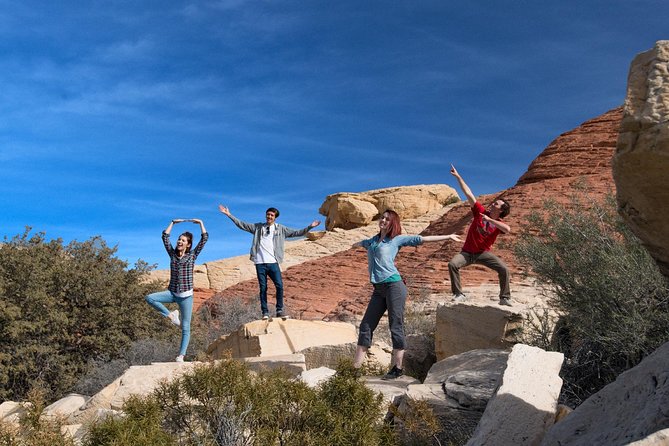
- Up to 10 people keeps questions easy and the pace comfortable.
- Hotel pickup starts 45 minutes early and drops you back after the tour.
- Visitor Center time matters: plan around an hour to see exhibits and check for Mojave Max.
- Most walking is minimal, but there’s gravel at photo spots and uneven ground in places.
- Bring sun protection: the ride includes air conditioning, but stops happen outdoors.
- It’s weather-dependent, so have a plan B date in mind if conditions are poor.
From the Strip to Red Rock: pickup that actually saves your day
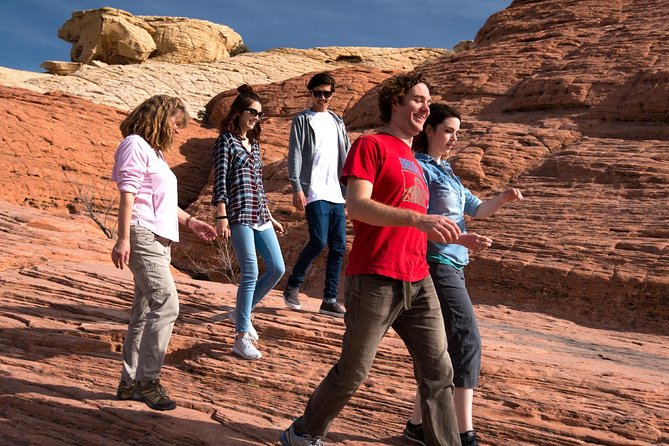
This is one of those Vegas-to-nature plans that works because it respects your time. You’re picked up from most Strip hotels, with pickup beginning about 45 minutes before the tour start time. That means you don’t have to rent a car, fight traffic, or pay for parking just to see a great desert park.
The tour runs about 4 hours total, and you’ll have a choice of morning or afternoon departures. In practice, that makes it a nice fit if you want to tour something meaningful without sacrificing your whole day. It also helps if you’re sensitive to heat: afternoons can still be warm, but your schedule has flexibility.
Small-group size (maximum 10 travelers) is a big deal here. It’s not a cattle-car sightseeing loop. You’re close enough to hear your guide clearly, and you’re more likely to get direct attention with photo tips or questions about plants, fossils, or the people who lived here.
And yes, comfort counts. Reviews repeatedly describe a comfortable, air-conditioned vehicle, with seatbelts and a setup that feels relaxed even when the outside temperatures climb.
You can also read our reviews of more tours and experiences in Las Vegas.

Keystone Thrust and Wilson Cliffs: the geology lesson you’ll remember
The drive isn’t just a transfer. It’s when you get the story of what you’re about to see, and why the red-and-white rock patterns look the way they do.
Your guide points out the Wilson Cliffs during the drive. These land formations connect to the Keystone Thrust, a feature tied to 65-million-year-old geologic movement. You don’t need to be a science person to follow it, either. The best guides turn this into plain language: rock layers, pressure, uplift, and what that means for the colors and textures you’re seeing.
Then there’s the Calico Hills angle, which is where this tour gets extra interesting. You’re not just viewing pretty stripes. You’re seeing the remains of ancient sand dunes, with fossilized animals and plants preserved in the layers. It’s the kind of detail that makes a quick photo stop feel like more than a postcard.
If you like learning while you move, this is the format that works. If you hate being talked at, you might want to choose a guide who matches your style. One review mentioned a guide who filled time with extra talk. Even then, most people report the commentary as engaging and story-driven.
Red Rock Canyon Visitor Center: exhibits, Mojave Max, and a useful reset
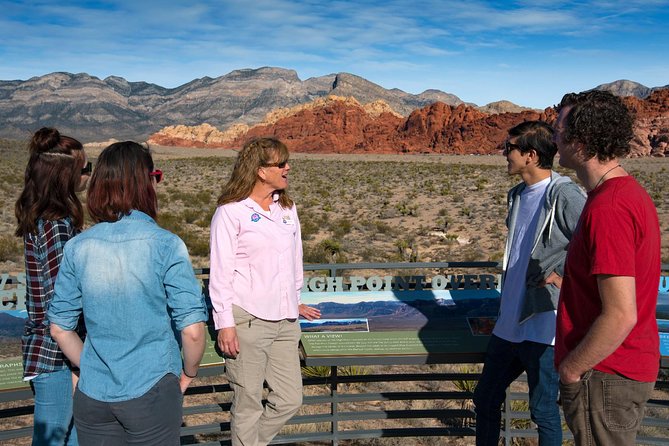
The first real stop is the Red Rock Canyon Visitor Center, where you get about one hour. This is a smart start because it helps you get your bearings before the photo pullouts.
Inside, you can check out the exhibits and browse the gift shop for souvenirs. It’s also where you might get lucky with wildlife. The tour description specifically calls out the chance to see Mojave Max, the Desert Tortoise. You might not catch him every time, but when you do, it turns the whole trip into something more memorable than just scenery.
You’ll also want to pay attention to the fact that there are restrooms at two different stops. That small detail matters a lot on a half-day tour. It means you can enjoy the views without doing mental math about when the next chance is.
One drawback people have pointed out: an hour can feel short at the Visitor Center if you like reading every label. If that sounds like you, bring your interest. You’ll likely spend extra minutes looking at interpretive material rather than rushing to the next stop.
Red Rock Canyon Overlook: fast views, easy photos
After the Visitor Center, you get a stop at the Red Rock Canyon Overlook. This one is brief—about 10 minutes—but it’s valuable because it gives you a wide perspective on the park.
The overlook is essentially your “big picture” moment. From there, you can see the area in context, which makes the earlier geology talk and the upcoming Calico Hills colors click into place. You’ll also be able to frame photos so they show both the dramatic rock features and the bigger canyon context.
Because this stop is short, it helps to have your camera ready and your plan simple: get your wide shots first, then zoom in if you have time.
If you’re traveling with someone who moves slower, this part is usually manageable since the walk is limited and geared around photo viewing rather than an extended hike.
Calico Hills: fossil dunes, colored bands, and water that supports life
Next comes Calico Hills, with about 15 minutes on the ground for photos. This is the stop where the scenery becomes almost candy-like: kaleidoscopic Southwest colors that make it easy to see why filmmakers and commercials use this area.
But the real reason Calico Hills stand out is what’s underneath the color. You’re looking at ancient sand dunes, and the layers include fossilized animals and plants preserved within them. That detail changes how you look at the rock. Instead of thinking in terms of shapes, you start thinking in terms of time.
You’ll also learn about how water fits into the system. The area stores water in natural tanks, feeding an ecosystem that can support surprising life in a desert environment. It’s a good reminder that desert doesn’t mean empty—it means adapted.
Time is tight here, so if you want photos plus reading plus a slower wander, focus on what you care about most. Take the shots that show the color bands, then use your last minute to look for any interpretive cues your guide highlights.




Spring Mountains during the drive: the biodiversity angle
Between the main canyon stops, you’ll get additional context about the Spring Mountains. The tour explanation points to the idea that the mountains’ biodiversity is supported by nearby springs, which is why the region got its name.
You may not have a long “walk-and-watch” moment in the Spring Mountains themselves, but the tour helps you connect this park to the larger ecosystem around Las Vegas. It’s especially helpful if you’re only seeing desert from a distance in the city and want a clearer picture of what’s actually going on outdoors.
This is also a nice shift from pure geology. You get a sense of both the rocks and the living system tied to water.
Desert life with minimal hiking: what the terrain feels like
This tour isn’t trying to be a workout. It’s mostly a combination of paved and dirt roads with relatively even terrain, plus short viewing stops. There’s a minimal amount of walking: you’ll check out the Visitor Center and move through a few photo points.
Still, you should know what you’re stepping on. One review mentioned gravelly ground and noted it wasn’t difficult for non-athletes. That lines up with the usual experience on short desert overlooks: it’s not rugged hiking, but it’s not a smooth indoor floor either.
If you’re hoping for lots of hiking time, adjust expectations. Multiple reviews express a wish for more time or more hiking. So treat this as a nature preview with interpretation, not as the main event if your goal is big trails.
On the wildlife front, the Visitor Center tortoise chance is the highlight mentioned in the tour plan. Some reviews also note seeing desert tortoises, which makes this one of those rare short tours where wildlife can actually show up.
The guide makes the day: Don, Brian, Zach, and the art of good stories
In a tour like this, the difference between fine and excellent is almost always the guide. And the reviews here are loud about that.
People mention guides like Don as a best-in-class story teller, Brian as phenomenal and calm under the plan, Zach for strong plant-and-animal detail, and John for deep knowledge paired with great photo help for the group. Others call out Chris and Edward for high-energy explanations and strong engagement.
What you’re really buying when the guide is good is clarity. They help you connect what you see—cliffs, dunes, color bands, and desert plants—with why it matters. They also manage the timing so you don’t feel lost, and they keep the group moving without making you feel rushed.
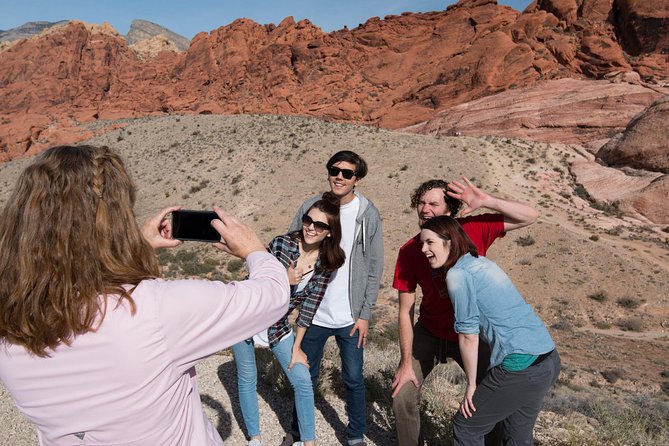
There’s also a practical bonus: several people mention the guide taking or helping coordinate photos so everyone gets shots. If you’re traveling as a couple or family and want photos without constantly handing your camera to strangers, this can be a big deal.
If you’re picky about talk time, keep it in mind. One review criticized a guide for being a bit too talkative to fill time. Most descriptions suggest the guiding is mostly a mix of story plus on-the-ground pointing-out, so you’re rarely stuck listening while nothing is happening.
What to wear and pack for comfortable Red Rock stops
For this kind of half-day canyon tour, the basics matter more than gear fantasies.
Wear comfortable outdoor clothing with closed-toe shoes. The desert stops are short, but they can involve gravel or uneven edges near viewing points. Add a hat and sunscreen—heat sneaks up fast once you’re outside, even if the vehicle ride is cool.
Bring a camera. You’ll get wide overlook views and close-up texture shots at Calico Hills. If you want great photos, it helps to arrive with a plan: one wide shot early at the overlook, then switch to detail shots at Calico Hills.
Packing rules are simple. A standard backpack or purse is okay, but there’s no storage space in the vehicle, so anything you bring needs to fit comfortably in your lap. Also, full meals or glass bottles aren’t allowed on the vehicle for safety and comfort. Small snack items like a granola bar should be fine.
The good news: bottled water is included, and vehicles have air conditioning and heating, with seatbelts for every passenger.
Who this tour fits best (and who might want a different plan)
This is a strong pick for families with kids age 3 and up. If you’re traveling with young kids, the tour’s minimal walking can be a relief, and the group size helps keep it manageable.
It’s also a smart choice if you’re not trying to squeeze in another major national park day. Red Rock Canyon is close enough to Las Vegas to make it feel like a real escape without the full-day commitment.
If you have mobility needs, the tour offers support for collapsible walkers and non-motorized scooters. Collapsible wheelchairs can be acceptable when accompanied by another adult. Terrain is mostly even, but still expect gravel near stops.
Two practical “check first” notes:
- Pets are not allowed on the tour, except certified service animals.
- If you need a car seat, the operator provides car seats for children under 5 and under 60 lbs, if you note it at checkout.
One more reason this works well for many people: the pickup and drop-off are hassle-free from most Strip hotels. That means less time organizing transportation and more time looking at rock and sky.
Should you book Pink Jeep Tours Red Rock Canyon?
Book this tour if you want:
- a half-day break from the Strip that still feels like real desert sightseeing
- a small group with a guide who explains geology and desert life in plain terms
- strong photo opportunities at key viewpoints without the demand of a long hike
Consider another option if you:
- want a lot of time for hiking trails rather than photo stops
- hate any chance of sitting through extra talk time (some guides run more chatty than others)
- know you’ll spend forever reading exhibits, because the Visitor Center time is fixed at about an hour
Overall, if your goal is a quick, guided, interpretive taste of Red Rock Canyon—visitor center context, overlook views, and Calico Hills fossil dunes—this is a solid way to spend your Vegas time. The guide quality is often the difference maker, so aim for a departure that fits your day and come ready with a camera and sun protection.
FAQ
How long is the Red Rock Canyon tour?
The tour lasts about 4 hours.
Do you offer hotel pickup and drop-off?
Yes. Pickup is offered from most Las Vegas Strip hotels, and you’ll be dropped back at your hotel after the tour. Pickup begins 45 minutes prior to tour start time.
What’s included in the price?
You get a fully guided tour, round-trip hotel transportation, entrance fees, and bottled water.
How much walking is involved?
Walking is minimal. You’ll spend time at the Visitor Center and move through a few photo stops, with most of the tour on mostly paved and dirt roads.
Is the tour wheelchair accessible?
Yes. Collapsible wheelchairs can be accommodated with another adult. Collapsible walkers and non-motorized scooters can also be accommodated.
Are pets allowed?
Pets are not allowed. Certified service animals are permitted.
What are the main age requirements?
The minimum age is 3 years. Ages 3 to 12 qualify for child pricing.