REVIEW · LIVE SHOWS & VARIETY ENTERTAINMENT
Las Vegas: The Sphere Experience — The Wizard of Oz
Book on GetYourGuide →Operated by The Sphere · Bookable on GetYourGuide
Oz in a room built for motion.
That is the draw: you get the 1939 film story projected around you at Sphere, with 360° visuals and haptic seats that make moments feel physical. I love the idea of walking the yellow brick road through Kansas and the Emerald City as the show pulls your attention all around the venue. One thing to weigh: this is a motion-and-effect experience, and it is not suitable if you have specific health concerns like vertigo or epilepsy.
Two details I really like are the audio setup and the scale. The show uses Sphere Immersive Sound with 167,000 speakers, so you hear remastered songs and re-recorded orchestrations with crisp clarity. And the interior display spans about 160,000 sq. ft., wrapping the audience so the story feels built into the room, not projected onto a flat screen.
My main consideration is practical and personal: you cannot bring cameras or film/record during the experience, and late seating is not allowed. If you rely on photos for memories or you tend to arrive late, plan differently—or you may feel frustrated once you’re inside.
In This Review
- Key highlights to know before you go
- The Wizard of Oz at Sphere: why this version feels different
- Where to enter: Plaza Entry, Sands Avenue, and the Venetian pedestrian bridge
- Pre-show fun: robots, Hypervsn, and machine-learning artwork
- Sphere Immersive Sound: 167,000 speakers and remastered songs
- Haptic seats and environmental effects: what you feel during the story
- The 360° journey: Kansas to the Emerald City
- Rules that can make or break your experience
- Timing, tickets, and what’s included for a full night out
- Value for your money: what you’re really paying for
- Who should book, and who should skip it
- Should you book The Wizard of Oz at Sphere?
- FAQ
- How long is the Sphere The Wizard of Oz experience?
- When should I arrive for my ticket time?
- Can I take photos or record video during the show?
- Where is the entrance at Sphere?
- What items are not allowed?
- Is there a limit on how many tickets I can buy?
Key highlights to know before you go
- Haptic seats add touch-like effects during key story beats, not just visuals.
- 360° Kansas and Emerald City visuals keep you facing the action without constant screen hopping.
- Remastered songs and re-recorded orchestrations come through with Sphere’s 167,000-speaker audio system.
- Robots + Hypervsn + machine-learning artwork turn the waiting time into part of the show.
- A 75-minute runtime means you can fit it cleanly into a Vegas evening.
The Wizard of Oz at Sphere: why this version feels different
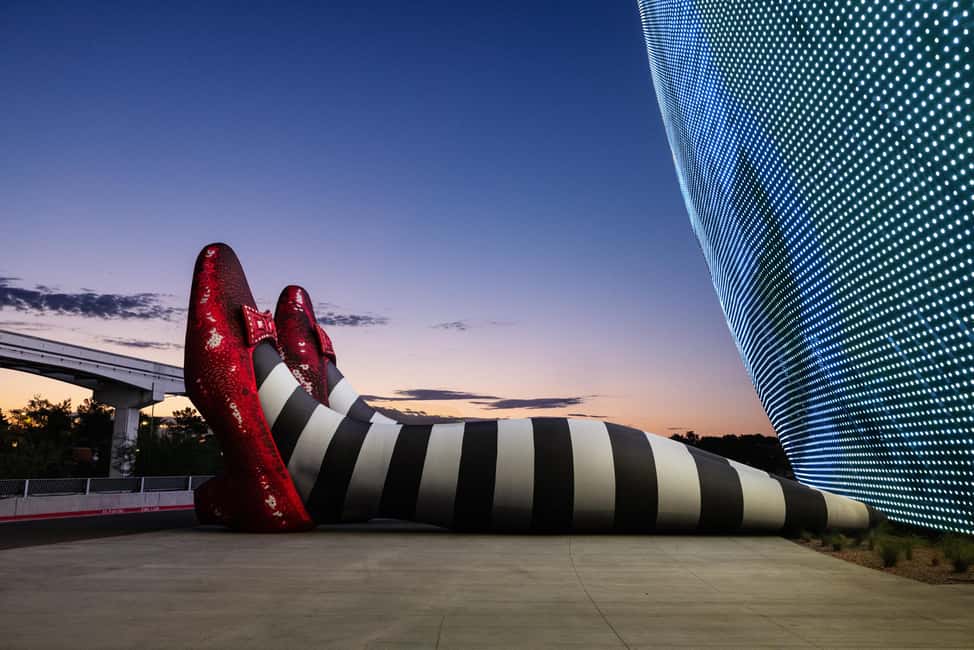
The classic story is familiar, but Sphere changes the rules. Instead of watching a movie from one fixed angle, you’re placed inside a big wraparound visual world, so the Kansas-to-Emerald-City shift lands more like a change of reality than a scene cut.
I also like how the production leans into the film’s emotional beats. The yellow brick road pacing matters more when you feel like you’re moving with Dorothy and the crew. And with the audio system tuned for the room, songs and orchestration don’t just play loudly—they feel positioned around you.
This isn’t a casual night out. You’re buying a tech-forward experience where the story, the sound, and the seat effects are designed to work together for about 75 minutes.
You can also read our reviews of more tours and experiences in Las Vegas.

Where to enter: Plaza Entry, Sands Avenue, and the Venetian pedestrian bridge
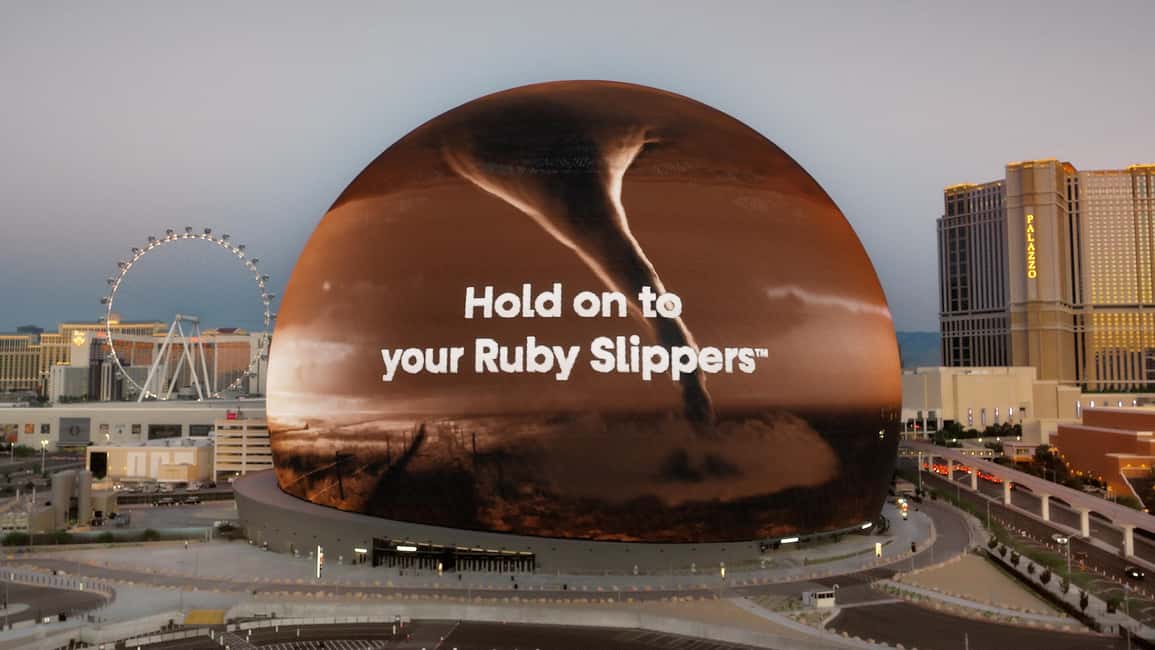
Plan your arrival with the venue layout in mind. Guests can enter the property on foot via Sands Avenue or Westchester Drive, then go to the venue via the Plaza Entry on the east side of the building. If you’re already near The Venetian, you can also reach it via the Venetian pedestrian bridge connected to The Venetian Resort.
Timing matters here because you cannot slide in late. Doors open about 30 minutes before the time listed on your ticket, and late seating is not permitted, so aim to be ready to enter as soon as doors open.
A simple trick: treat your ticket time as when you need to be through entry, not when you need to start walking from the parking lot. In Vegas, a few minutes of wandering can turn into a problem fast.
Pre-show fun: robots, Hypervsn, and machine-learning artwork
This experience includes more than the film itself. Before you take your seat, you’ll go through an interactive section that mixes technology and story-world visuals.
Here’s what’s included in the pre-show area:
- Interactive experience with humanoid robots
- World’s largest Hypervsn display
- Artwork created by machine learning
- An interactive demonstration of Sphere Immersive Sound
I like pre-shows that don’t feel like filler. The robots and the display give you something to do while you get accustomed to the scale of Sphere’s tech. It also helps if you’re with someone who loves gadgets as much as movies, because you can talk through what you’re seeing before the main event starts.
One practical drawback: you will be moving with the group in a venue that has rules, and the show experience itself is not designed for wandering. Once your session starts, focus on staying on time and following instructions from staff.
Sphere Immersive Sound: 167,000 speakers and remastered songs
Sound is one of the biggest reasons this show works. Sphere’s Immersive Sound uses about 167,000 speakers, and the result is that music feels detailed and anchored in the space.
The production includes remastered songs and re-recorded orchestrations of the original film. That matters because the score is part of what people remember most about The Wizard of Oz. Here, you’re not just hearing familiar tunes—you’re hearing a version engineered for this specific environment.
And because the audio system is built into the experience, you’ll likely notice that the music and effects don’t compete with each other. Dialogue and songs come through with clarity rather than feeling smeared by the room.
If you’re the type who gets distracted by muffled audio in dark theaters, this is worth leaning into. The whole point of Sphere is to make the sound feel like it belongs to what you’re seeing.
Haptic seats and environmental effects: what you feel during the story
Visuals are powerful here, but the extra layer is the body-level feedback. The show uses haptic seats, plus environmental effects, to make moments feel more real.
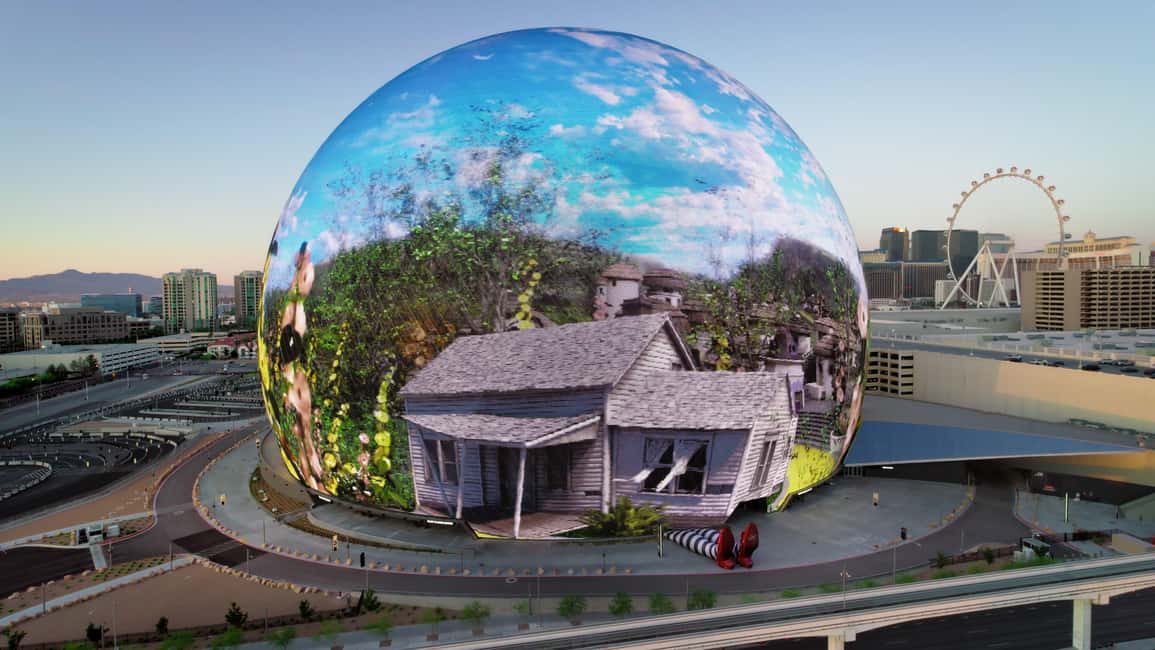
That means the experience is not just about watching a tornado scene or colorful city scenes from a distance. It’s designed to give you sensory cues—like a physical sense of impact—so the story’s big moments land harder.
I like this approach because it matches the story’s fantasy tone. Oz is about feeling transported, not just observing. Haptics and environmental effects turn transportation into something you can sense in your own seat.
The caution is obvious: if you’re sensitive to motion-like effects, don’t treat this as a standard movie screening. Sphere lists it as not suitable for people with conditions like back problems, heart problems, vertigo, respiratory issues, and epilepsy, and it also notes restrictions for pregnant women.




The 360° journey: Kansas to the Emerald City
The show is built around the film’s journey structure: start in Kansas, travel down the yellow brick road, and reach the Emerald City with Dorothy and her friends. You’ll see 360° visuals that create the sense that the space changes around you.
Kansas scenes come with the sense of place the production is aiming for, including the twister moment. Then the visuals shift as you move toward the Emerald City, where the colors and scale are meant to feel overwhelming in the right way.
What makes this work for me is the wraparound nature. You don’t have to turn your head constantly to find details because the environment is designed to face you. The show uses Sphere’s huge interior display (about 160,000 sq. ft.) to wrap the visuals around the audience, turning your viewing position into the center of the action.
It’s also a nice option for fans who know the story well. Familiar scenes land with fresh impact because the production isn’t limited to a rectangular frame. You’re watching a movie story, but presented like a world you’re standing inside.
Rules that can make or break your experience
Sphere is strict for a reason, and the rules affect how smoothly the show runs.
These are the key restrictions provided:
- Cameras are not allowed
- Flash photography is not allowed
- Video recording is not allowed
- No weapons or sharp objects
- No luggage or large bags
- No alcohol or drugs
Also note: you cannot use recording gear to document the film portion, since photo and video are not permitted during the film experience. If you want a memory keepsake, plan to take photos before you enter the screening area or outside the restricted zones.
Late seating is not permitted, and doors open 30 minutes before ticket time. That combination makes it even more important to arrive early and stay within the venue flow rather than cutting it close.
Timing, tickets, and what’s included for a full night out
Your ticket covers entry plus the structured experience elements. Included items are:
- Show entry ticket
- Interactive experience with humanoid robots
- World’s largest Hypervsn display
- Artwork created by machine learning
- Interactive demonstration of Sphere Immersive Sound
- All taxes and fees
Food and beverage are not included, and transportation is not included either. That’s normal for Vegas shows, but it changes planning: build in time for a meal nearby before you go, and don’t count on snacks inside being part of your ticket value.
The experience runs about 75 minutes, so it’s a good fit for evenings when you want one big anchor event. You can still do dinner and a walk after, but you’ll want to avoid scheduling something that depends on a last-minute exit.
Ticket limits are also a practical detail: purchases are limited to 8 tickets per transaction and 25 tickets per customer per calendar year.
Value for your money: what you’re really paying for
Since Sphere is hardware-heavy, the value is less about a single movie moment and more about the full sensory stack. You’re paying for:
- A wraparound display that fills the room (160,000 sq. ft.)
- A massive speaker array (167,000 speakers)
- Haptic seats and environmental effects
- A pre-show that uses robots, Hypervsn, and machine-learning artwork
- Remastered songs and re-recorded orchestration designed for this setup
If you love stories but get bored by standard theater experiences, this is the kind of show that turns your senses into part of the storytelling. If you’re purely cost-sensitive and just want the plot, a more basic screening might feel easier to justify. But if the idea of stepping into Oz with sound engineered for the space appeals to you, Sphere is the whole point.
Also, the included pre-show elements help the math. You’re not just arriving, sitting, watching, and leaving. You have a built-in progression that helps you transition into the main story world.
Who should book, and who should skip it
This show is a strong match for:
- Fans of the original film who want a new way to experience familiar moments
- People who like technology and interactive features like robots and large-format displays
- Travelers who value sound quality and seat-level effects, not just visuals
It’s not suitable for:
- Pregnant women
- People with back problems
- People with heart problems
- People with vertigo
- People with respiratory issues
- People with epilepsy
If you fall into any of those categories, follow the venue guidance and consider a different type of Vegas activity. Even if the story is a favorite, the effects are part of what you would be buying.
If you’re generally healthy but nervous about the room changing around you, that’s still a reason to think carefully. Haptic seats and environmental effects mean it’s meant to feel active, not passive.
Should you book The Wizard of Oz at Sphere?
Book it if you want a Vegas experience that feels engineered for the senses—especially if you care about sound and like the idea of haptic effects. The combo of 360° visuals, a giant interior display, remastered music, and a pre-show with robots and machine-learning art makes it more than a simple ticketed movie.
Skip or reconsider if you need quiet and zero effects, or if you’re in any of the not-suitable health groups listed by the experience. Also, don’t plan around cameras. If you want to record the show, you’ll be disappointed.
If you’re deciding between doing a tech show and doing more typical attractions, I’d lean toward this one for first-time Sphere visitors and longtime Oz fans. It’s a short commitment, and it packs a lot of engineering into 75 minutes—exactly what you come to Las Vegas for.
FAQ
How long is the Sphere The Wizard of Oz experience?
The experience runs approximately 75 minutes.
When should I arrive for my ticket time?
Doors open 30 minutes before the time listed on your ticket, and late seating is not permitted.
Can I take photos or record video during the show?
No. Photo and video are not permitted during the film experience, and cameras are not allowed.
Where is the entrance at Sphere?
Guests can enter the property on foot via Sands Avenue or Westchester Drive and enter the venue via the Plaza Entry on the east side of the building. You can also use the Venetian pedestrian bridge connected to The Venetian Resort.
What items are not allowed?
Weapons or sharp objects, cameras, luggage or large bags, flash photography, alcohol and drugs, and video recording are not allowed.
Is there a limit on how many tickets I can buy?
Yes. Ticket purchases are limited to 8 tickets per transaction and 25 tickets per customer per calendar year.