REVIEW · CIRQUE DU SOLEIL SHOWS
Las Vegas: “O” by Cirque du Soleil at Bellagio
Book on GetYourGuide →Operated by GetYourGuide Tours & Tickets GmbH · Bookable on GetYourGuide
Water becomes the star at Bellagio.
O by Cirque du Soleil turns O Theatre into a full-on water fantasy, with performance art that mixes street-show energy and grand opera drama—all in one ticketed night. It is also one of Las Vegas’ longest-running Cirque favorites, known for making you forget where the stage ends.
I love the way the show stacks gravity-defying acrobatics beside synchronized swimmers, then tops it with brave divers who make the water look weightless. The result is world-class spectacle where the water is not scenery—it is the main character.
One thing to consider: it is not suitable for children under 5, and unaccompanied minors are not allowed. If you are traveling with very young kids, plan carefully.
In This Review
- Key things to know before you go
- Finding O Theatre at Bellagio
- What the show actually feels like: water-led performance art
- The pool scale: why 1.5 million gallons changes everything
- Acrobatics, synchronized swimming, and divers: the core show power
- Signature characters: the upside-down umbrella guardian and the flame pyromaniac
- Why this show keeps its reputation since 1998
- Family-friendly reality check: age limits and fit
- Ticket value: what you do and do not get
- Practical tips for a smoother night at Bellagio
- Should you book O at Bellagio?
Key things to know before you go
- Water is the headliner: the show centers on aquatic action, not just effects.
- Massive scale: a pool holding 1.5 million gallons of water powers the spectacle.
- Multiple disciplines in one show: acrobats, synchronized swimmers, and divers all share the spotlight.
- Strong theatrical characters: scenes include a guardian sailing on an upside-down umbrella and a combusting pyromaniac.
- A Cirque classic: it has amazed Las Vegas since 1998 and remains one of the most popular shows.
Finding O Theatre at Bellagio
Your main job is simple: go to O Theatre at the Bellagio Hotel & Casino. That is your meeting point, and it keeps the whole outing low-stress. You are in one of the biggest tourist zones on the Strip, so I suggest building in a little extra walking time rather than assuming everything will be perfectly obvious at first glance.
If you are making a night of it around the show, Bellagio is a good base. The area is set up for visitors, and you can usually grab food and a last-minute bathroom break before heading in. But do yourself a favor: when you are close to show time, stop wandering. In a place like this, you can easily spend your pre-show minutes detouring for photos.
You can also read our reviews of more tours and experiences in Las Vegas.



What the show actually feels like: water-led performance art
O is billed as a tribute to the magic of theatre where almost anything is possible. In practical terms, that means the show keeps shifting gears. One moment, you get the street-performance sense of play and surprise. The next, it feels like extravagant stage opera—big emotions, bold staging, and a strong sense of story.
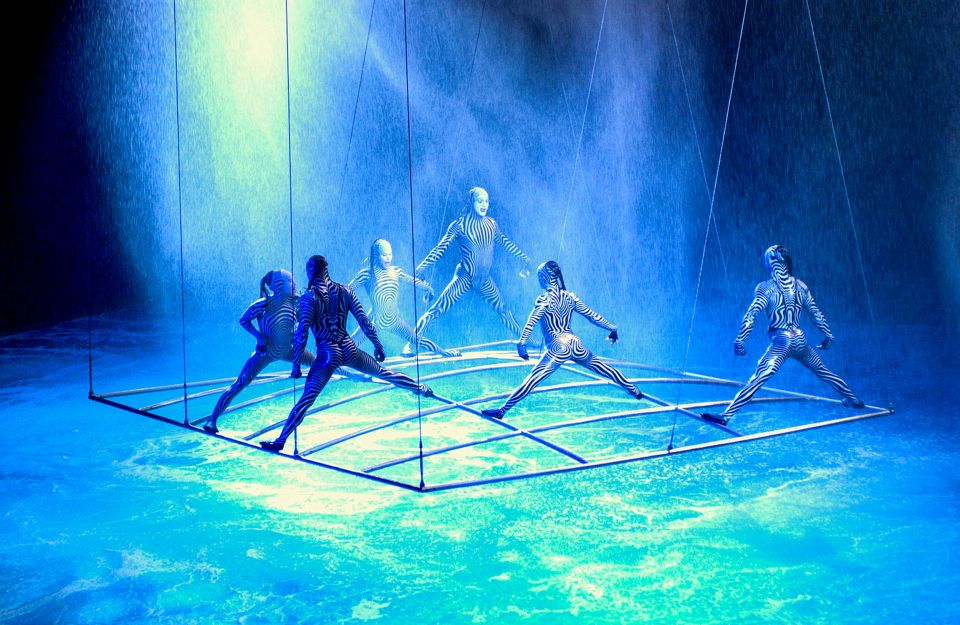
And then the water takes over. Not as a background detail. As a moving world. The show’s aquatic adventure leans on the idea that water can turn space into drama: swimmers look choreographed and purposeful, divers create clean arcs, and acrobats seem to float through the atmosphere.
A fun mental model: think of it as Cirque choreography plus aquatic physics, run through high-theatre storytelling. If you love moments where the rules of what should be possible don’t matter, you will get why people come back.
The pool scale: why 1.5 million gallons changes everything
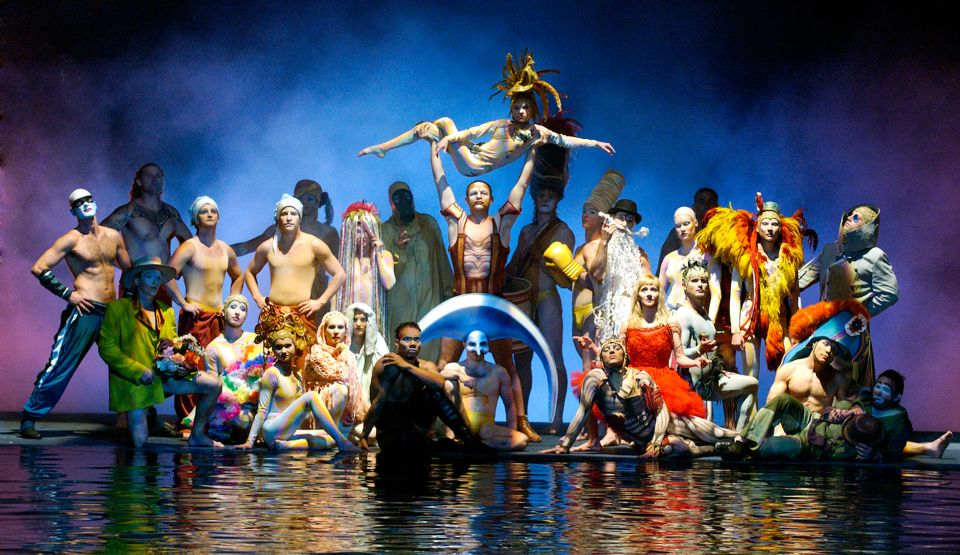
The show includes a pool with 1.5 million gallons of water. That number matters, because it explains why O feels different from smaller-scale water effects. When the production has that kind of water volume to work with, you get more than flashes and splashes. You get water that can fully participate in movement and staging.
This is the kind of detail that helps you enjoy the show more. You are not just watching performers; you are watching a stage environment engineered for water action. So when you see synchronized swimmers and divers, it is not random spectacle. It is designed choreography in a real aquatic system, built to create clean visual patterns and dramatic entrances.
Acrobatics, synchronized swimming, and divers: the core show power
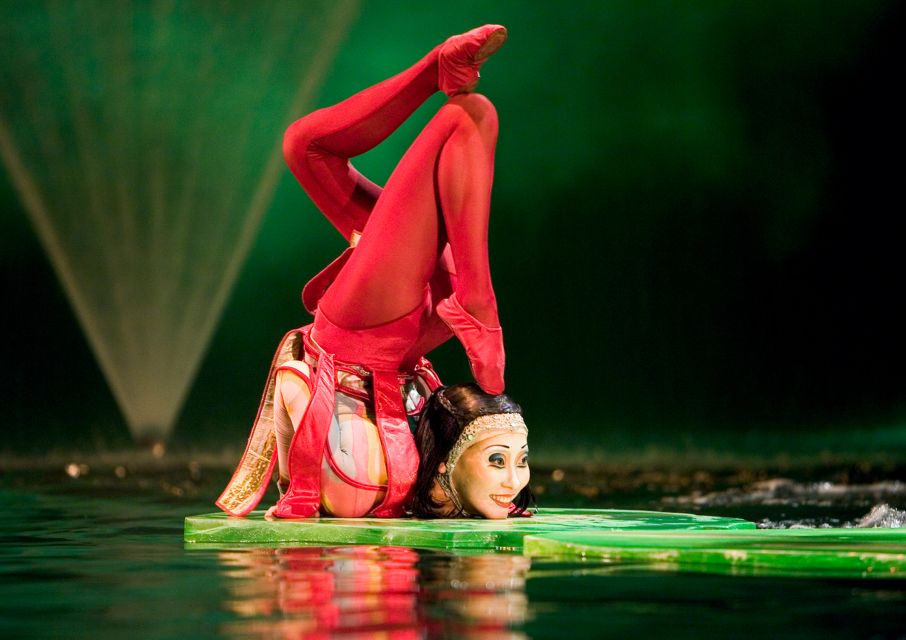
If you like Cirque du Soleil for the athletic side, O delivers. You can expect world-class acrobats paired with synchronized swimmers and divers. That combination is part of what makes the show so watchable even if you do not know the storyline details ahead of time.
Here is what I think you will enjoy most about this mix:
- Acrobats give you fast bursts of tension and control. You get the sense that every move is planned down to the breath.
- Synchronized swimmers add a calm, precise rhythm that contrasts with the acrobatic intensity. It keeps the show from feeling like pure chaos.
- Divers add dramatic timing—clean entries, controlled trajectories, and a “watch this” focus that pulls your eyes across the stage.
Together, they create momentum. You stop thinking, I wonder what happens next, because the show keeps changing the visual question in front of you.
Signature characters: the upside-down umbrella guardian and the flame pyromaniac
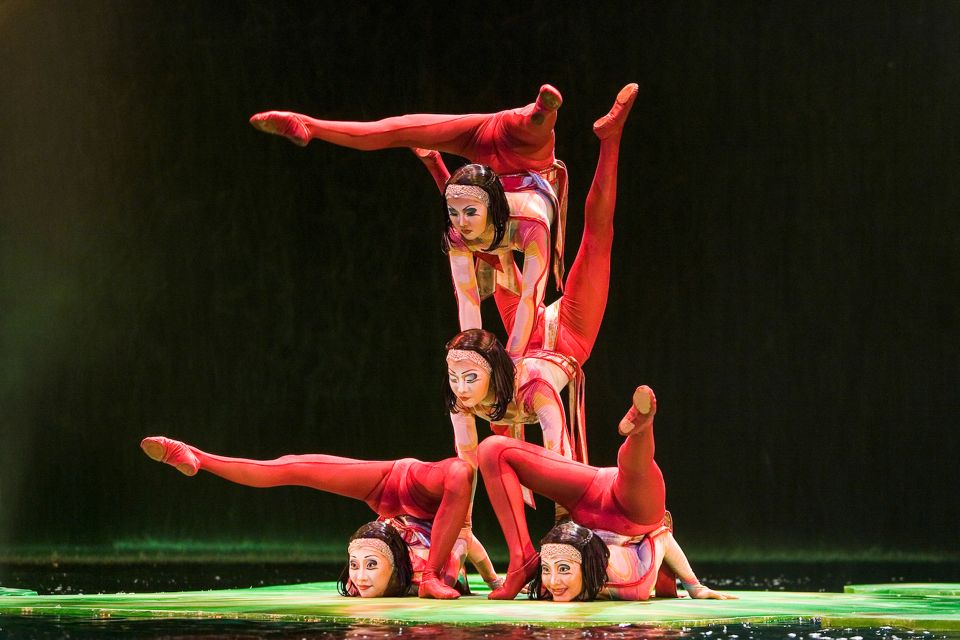
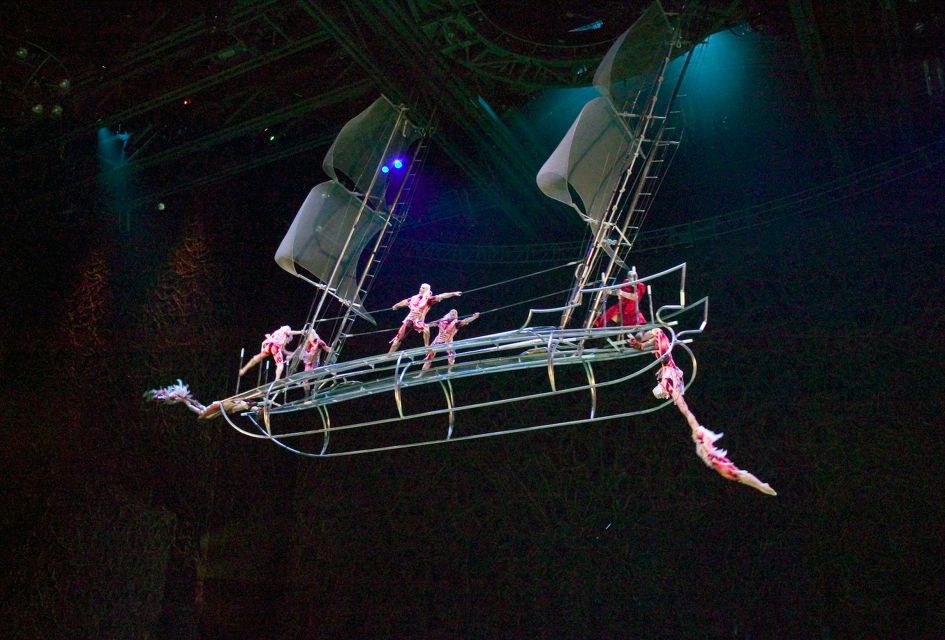
O is not only athletic. It also plays with character and surprise. You will see moments like a guardian sailing along the water on his upside-down umbrella. That kind of image is very Cirque: simple in concept, weird in a good way, and instantly memorable.
There is also a pyromaniac character who takes a calm stroll while combusting into flames. Fire in theatre can be risky to stage well, but in this setting it is part of the show’s theatrical language—one more tool to make the world feel bigger than a normal performance space.
These scenes matter because they break up the purely athletic rhythm. They remind you that O is performance art, not just a collection of tricks. If you enjoy seeing how theatre storytelling can bend reality, you will likely find these sequences to be your strongest memories.






Why this show keeps its reputation since 1998
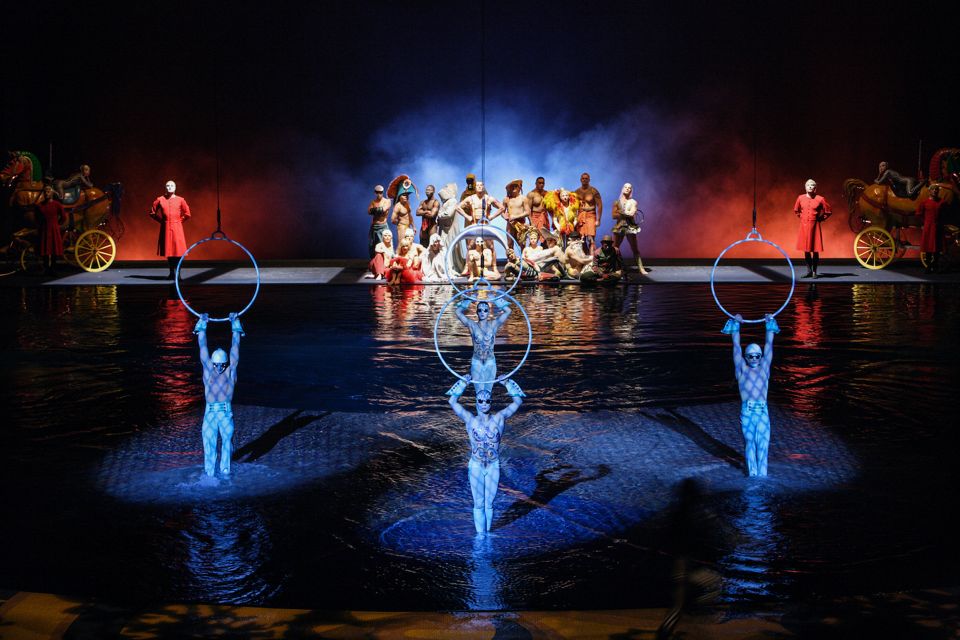
O has amazed Las Vegas audiences since 1998. It is regarded as one of Cirque du Soleil’s most popular shows, which is a big clue about staying power.
Here is the value of that history for you as a visitor: it suggests the production has had years to refine pacing, staging, and the “big wow” moments that make people talk afterward. Long-running shows tend to know what works. And in a city where you can pick from a lot of entertainment, that is worth something.
Also, popularity tends to attract a certain kind of audience: people who love theatre spectacle and do not mind being fully focused for a full show. If that sounds like your style, you will probably settle in fast.
Family-friendly reality check: age limits and fit
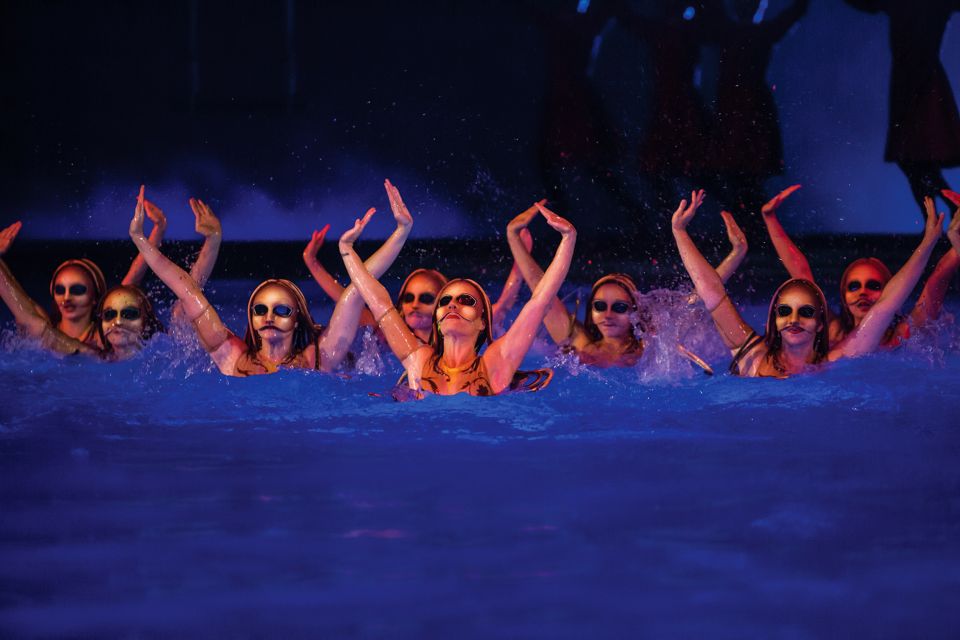
O is described as family-friendly, which is great. But the important boundaries are clear:
- Not suitable for children under 5
- Unaccompanied minors are not allowed
So yes, families can have a great time here, but you should match the show to your child’s age and attention span. A performance with acrobatics, divers, and pyrotechnic-style moments (even if staged safely as part of the production) can be intense for little ones. If your kid is under 5, it is not the right target age based on the show rules.
If you are traveling with kids 5 and up, you will likely enjoy the mix of athletic wonder and theatrical characters. The water element can also feel like a living cartoon—big, clear, and easy to spot even if you are not super close.
Ticket value: what you do and do not get
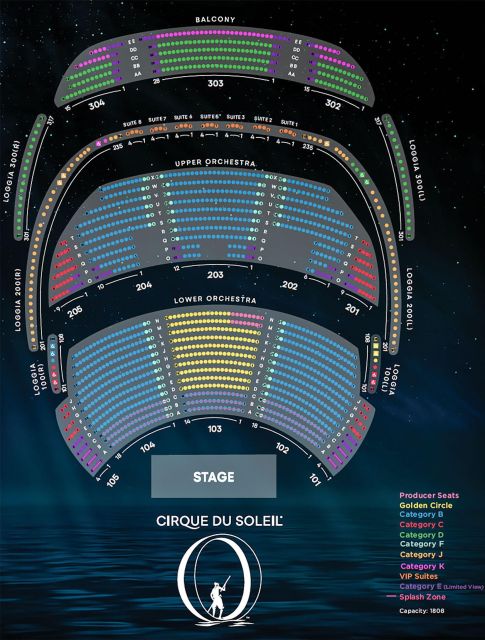
Your ticket covers show entry. That is it. There are no extra activities listed as part of the included package. In value terms, that is actually a positive: you are paying directly for the main event, and you do not have to wonder what else you will need to do to make your money feel justified.
Where value gets personal is how you like your Las Vegas nights. If you want a single, iconic show experience that runs the whole evening concept in one place, O makes sense. If you are looking for something interactive offsite, this is not built that way based on the info provided. It is about watching a crafted performance art piece from your seat.
Practical tips for a smoother night at Bellagio
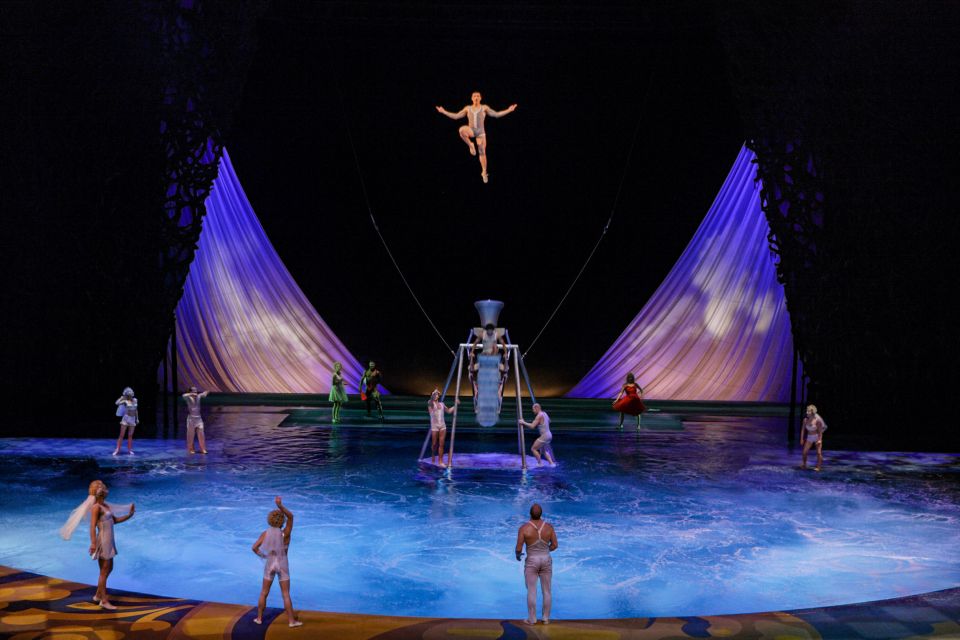
Because meeting point and core experience are very straightforward, your main success factor is timing and comfort. A few ideas that usually help in big venues like Bellagio:
- Give yourself enough time to get situated before the show starts. Once you are inside, the night becomes about focus.
- Wear comfortable clothes. You will be sitting for a while, and you might end up leaning forward when the action gets intense.
- If you are with kids, plan for their needs before you go in. Since the show is not suitable under 5 and rules restrict unaccompanied minors, you want everyone set up to stay comfortable.
One more tip: with a water-centered show, your attention is the product. It is not about reading anything complicated or following a script you have to memorize. You just need to watch closely as performers move between air, water, and stage theatrics.
Should you book O at Bellagio?
I think you should book O if you want a true Las Vegas landmark show: one where water is the main character, the performers are elite, and the production combines acrobatics, synchronized swimming, divers, and theatrical characters like the upside-down umbrella guardian.
You might skip or rethink it if you are traveling with children under 5, or if your plan involves an unaccompanied minor. Those limits are part of the show rules, and they can change your family logistics fast.
For couples, friends, and families with children old enough to handle it, this is exactly the kind of high-production night that makes the trip feel special. In a city full of flash, O is focused. It is built to make you stare at the impossible and enjoy how theatre turns that into art.