REVIEW · GRAND CANYON DAY TRIPS
Las Vegas: Grand Canyon West Rim Tour with Hoover Dam Stop
Book on GetYourGuide →Operated by Gray Line Las Vegas · Bookable on GetYourGuide
A canyon day that actually moves. You’ll roll out of Las Vegas on a comfortable coach, hit the Hoover Dam for photos, then spend real time at Grand Canyon West Rim with Hualapai culture plus optional Skywalk and helicopter add-ons.
I especially like the live narration on the bus and the way the guide helps you make sense of what you’re seeing. I also like the built-in rhythm: viewpoint time at Guano Point and Eagle Point, plus breaks so the day doesn’t feel like one long grind.
One consideration: the Skywalk is timed and rule-based, and if you want personal photos, you’ll need to plan around how the experience works and how long you’ll spend on the glass bridge area.
In This Review
- Key points before you go
- From Vegas to West Rim: what makes this bus day work
- The Joshua Tree Forest drive: a quieter kind of wow
- Hoover Dam photo stop: fast, but framed nicely
- Meet the Hualapai Nation: the human story behind the views
- Guano Point and Eagle Point: where the West Rim really hits
- Skywalk: 4,000 feet above the floor and the photo tradeoff
- Helicopter add-on: the quickest way to change your perspective
- Lunch and food timing: what to expect at Skywalk Café
- Timing and flow: what your 11–12 hours will feel like
- Value for $79: what you get without extras
- Who should book this West Rim day trip
- Should you book the Grand Canyon West Rim + Hoover Dam tour?
- FAQ
- How long is the Grand Canyon West Rim tour from Las Vegas?
- What’s included in the price?
- Do I get to see Hoover Dam during the day?
- Is the Skywalk ticket included automatically?
- What’s the helicopter option like?
- Where does pickup happen?
- Is there a limit on what I can bring?
Key points before you go
- Joshua Tree Forest drive: a 900-year-old forest view en route that makes the ride feel like part of the adventure
- Hoover Dam photo stop: a short but scenic stop from the Pat Tillman Memorial Bridge
- Hualapai Nation time: see the tribal village and Hualapai Market before you hit the canyon viewpoints
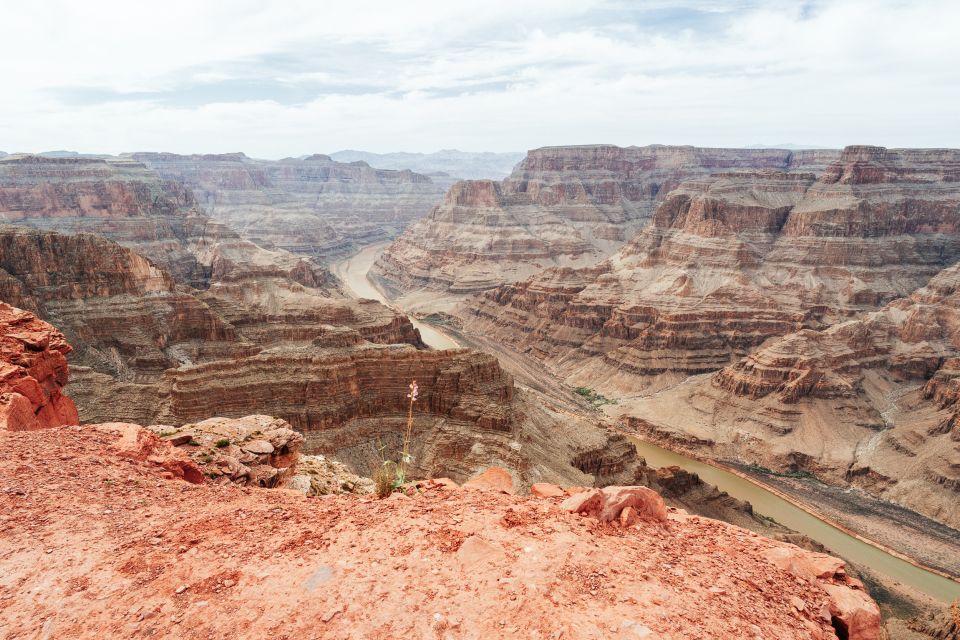
- Two major viewpoints: Guano Point first, then Eagle Point for big panoramas
- Skywalk is optional-but-costly on time: glass bridge height and a 360-degree view, but it can take longer than you expect
- Helicopter adds the bottom-of-canyon view: top-to-base perspective if you want the full send
From Vegas to West Rim: what makes this bus day work
This is one of those Vegas day trips that works because the logistics are handled. You board a state-of-the-art luxury bus with hotel pickup and drop-off, then settle in for a long scenic day instead of white-knuckling I-15 and beyond.
The day is built around several distinct “modes” of experience. First, you’re in road-trip territory with on-bus narration that gives context for the deserts and canyon country. Then you switch to structured stops: Hoover Dam for a quick look, then the Hualapai tribal area, then canyon viewpoints, then optional Skywalk and/or helicopter if you chose upgrades.
A small but important detail: luggage or large bags aren’t allowed. That means pack light and bring only what you need for a full day—small daypack style, not suitcase energy. Also, depending on your hotel access, the bus may not drive right into every property, so you could be redirected to a central stop nearby.
You can also read our reviews of more tours and experiences in Las Vegas.

The Joshua Tree Forest drive: a quieter kind of wow
On the way to the canyon, you’ll drive through a Joshua Tree Forest that’s described as about 900 years old. This matters because it breaks up the usual “just freeway to desert” feeling. You get real visual variety—spiky, sculpted trees; open sky; and that shifting color you only notice when you’re not staring at a phone in bumper-to-bumper traffic.
This is also where the guide’s storytelling pays off. With live narration, you’re not just watching scenery—you’re getting quick explanations that help the canyon stops land better later. It’s the kind of background that makes you notice details at Guano Point and Eagle Point instead of just snapping photos and moving on.
Practically, it’s also time-on-seat that still feels productive. The bus ride isn’t wasted. You’ll get the route context first, so when you arrive at the West Rim you have something to compare against.
Hoover Dam photo stop: fast, but framed nicely
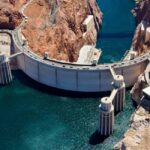
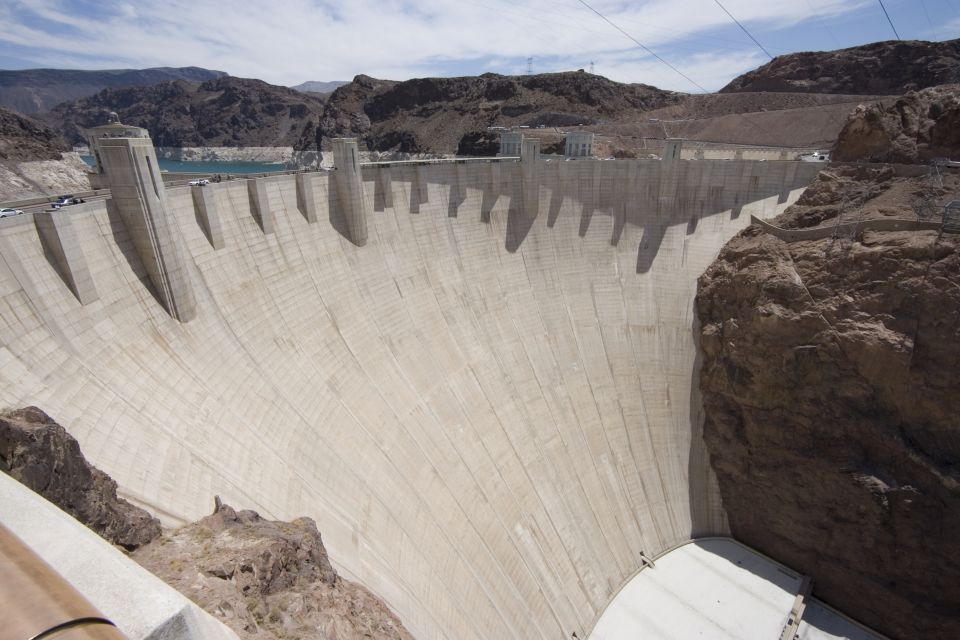
You’ll stop at Hoover Dam for a photo stop (it’s short, not a full tour). The viewpoint is from the Pat Tillman Memorial Bridge, which gives you an easy angle without turning the day into a checklist march.
Here’s how to think about it: Hoover Dam is famous, but your real payoff is time at the West Rim. So treat this stop as a scenic bookmark—enough to say you saw it and to grab a few good pictures, not enough to expect a deep dive into power-plant history.
If you’re hoping for lots of time close-up, adjust your expectations. This is designed to keep the bigger canyon experiences on schedule, and it generally does that well.
Meet the Hualapai Nation: the human story behind the views
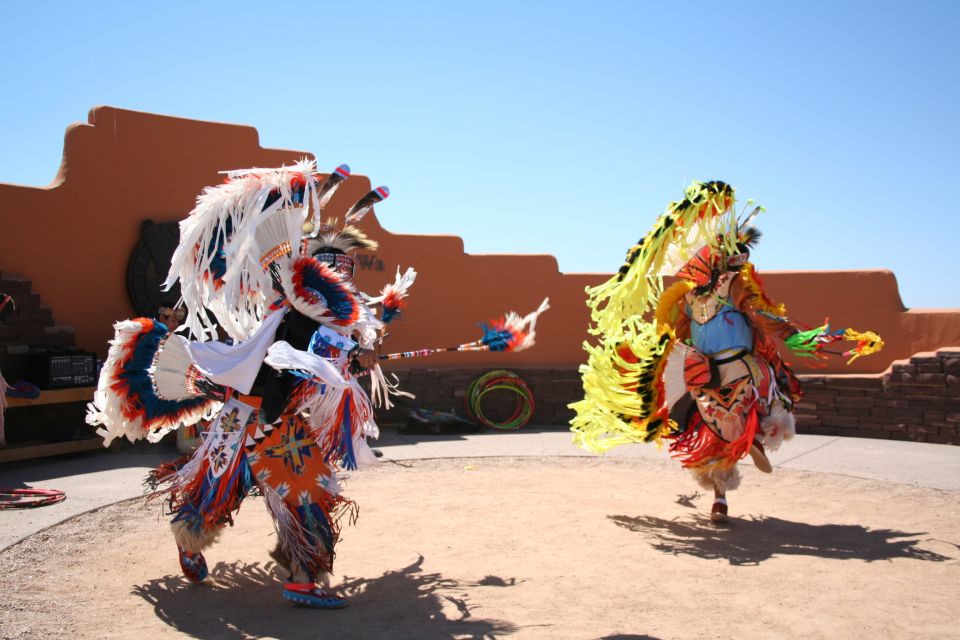
When you arrive at Grand Canyon West Rim, the tour doesn’t rush straight to viewpoints. You start with time connected to the Hualapai Nation, including the tribal village and Hualapai Market.
I like this part because it shifts the mood. The canyon can feel like a backdrop, but this stop reminds you it’s a living place with culture, land knowledge, and community life—then it sets you up to understand the canyon stops as something more than scenery.
You’ll also have a chance to grab food around the Skywalk area if you add lunch. The day is structured so you can fuel up before the glass bridge or after, depending on which option you picked.
Guano Point and Eagle Point: where the West Rim really hits
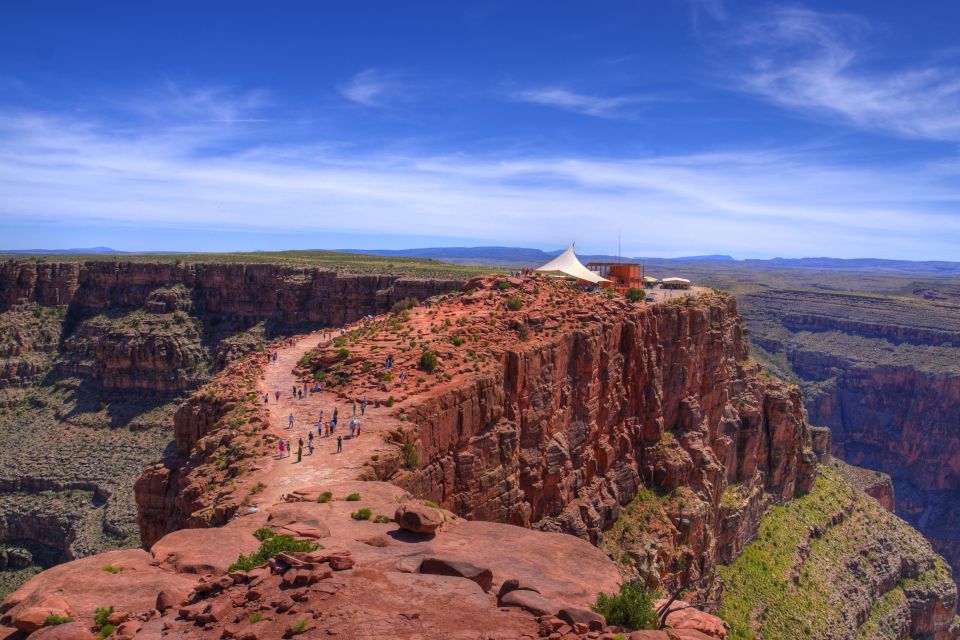
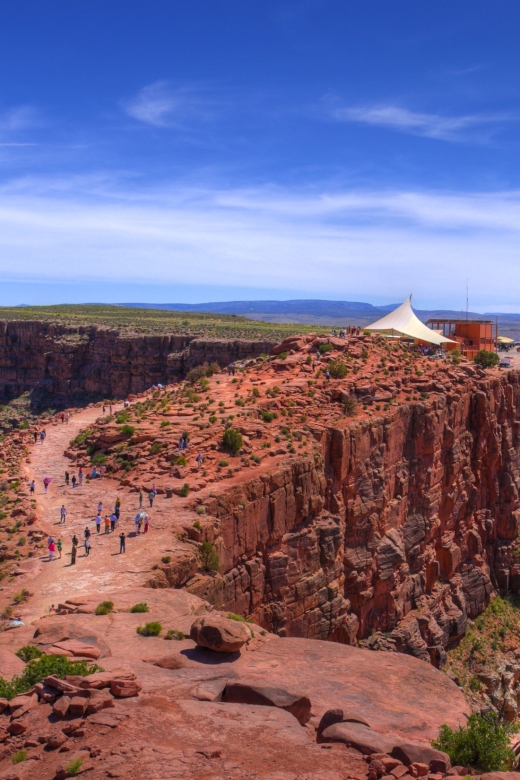
Once you’re in the canyon viewing zone, you’ll get time at Guano Point and Eagle Point—two of the main West Rim viewpoints. This is where you stop thinking in terms of transportation time and start thinking in terms of angles, depth, and scale.
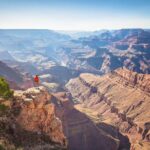
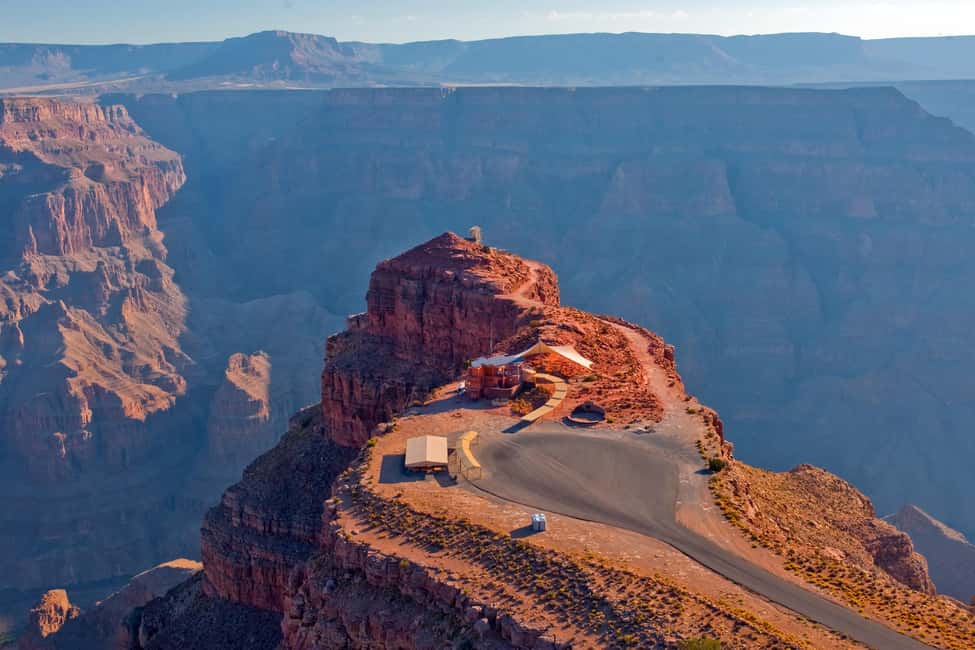
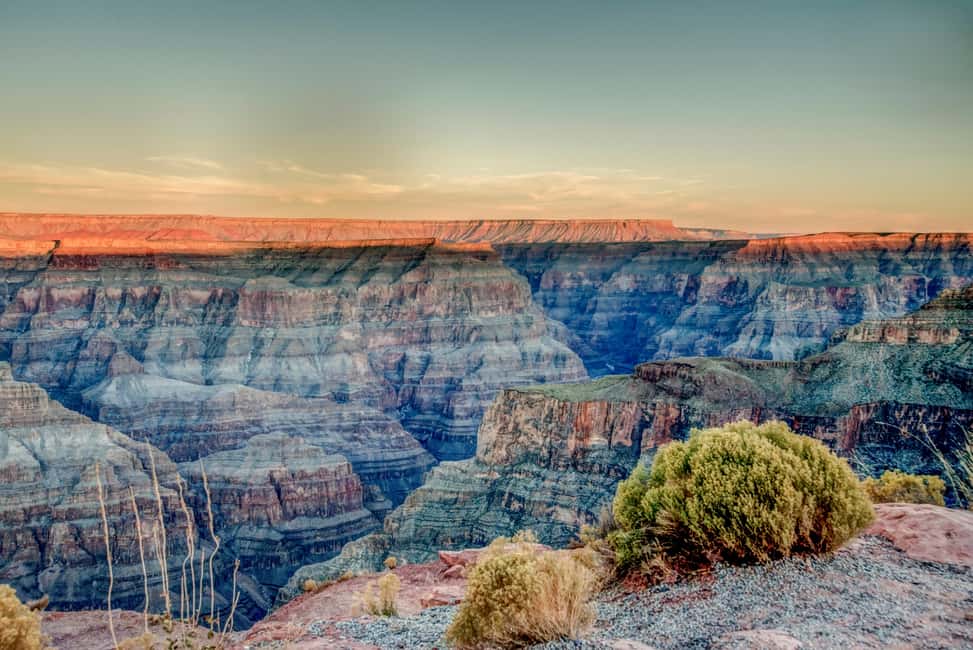
Guano Point is typically your first big viewpoint moment, with time for visiting and self-guided sightseeing. This is where you’ll want your “wide lens” instinct: stop, look left, look right, then look down. The West Rim is famous for dramatic drops and layered canyon walls, and the more you slow down here, the less rushed the rest of the day feels.
Eagle Point follows, also with free time for sightseeing. This is a good place to compare what you saw at Guano Point. Different vantage points show different canyon curves and ridges, so even if you don’t do anything fancy, you’ll likely walk away with a stronger sense of the place.



Skywalk: 4,000 feet above the floor and the photo tradeoff
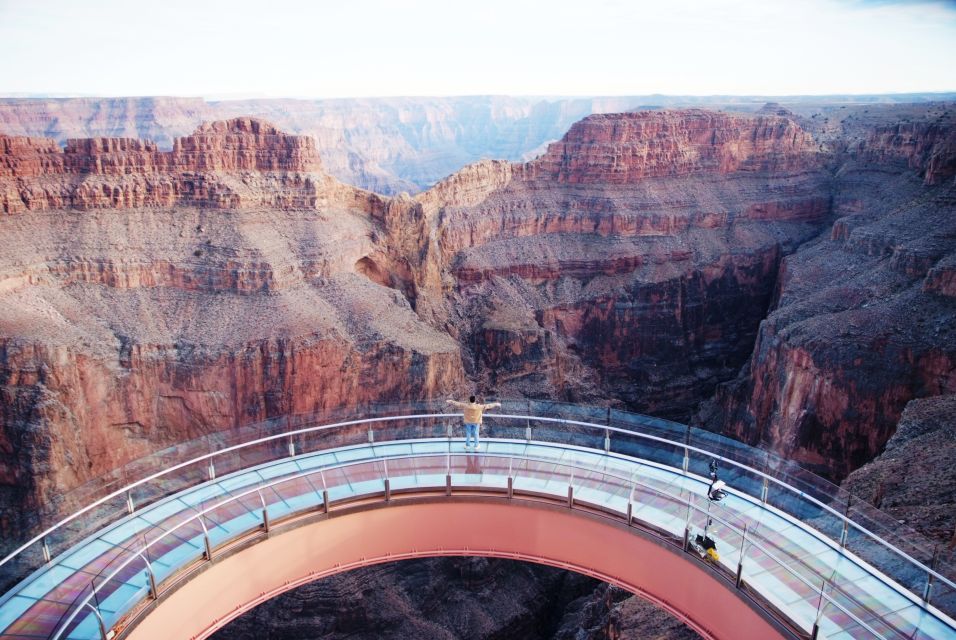
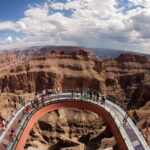
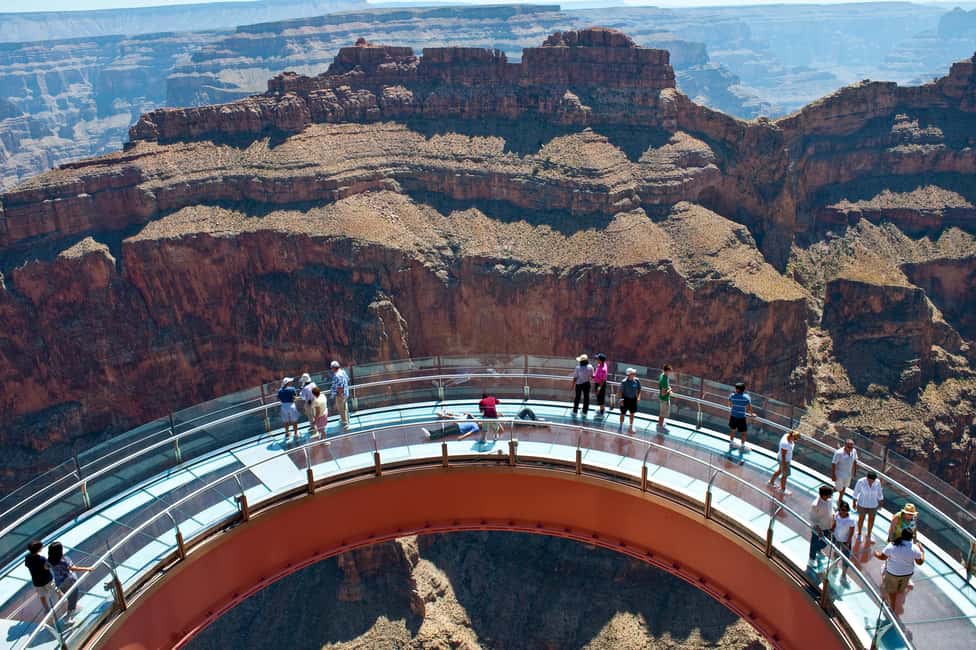
The Grand Canyon Skywalk is a glass bridge set about 4,000 feet above the canyon floor. It’s designed for a 360-degree panoramic view, which is a big draw if you want a true “top-down” feeling—glass under your feet with the canyon moving in your peripheral vision.
But here’s the key practical consideration: the Skywalk experience is time-based and rule-based. Some people find it can take a large chunk of your total West Rim time, especially if you’re also trying to fit in other viewpoints. If your four hours at the canyon area feels tight, decide early how much you want the Skywalk to control your schedule.
Photo expectations matter too. You may not be able to use your own camera the way you’re used to, and the experience includes official photography options you purchase separately. If you’re the type who plans your shot list in advance, budget for that friction and cost.
My advice: treat Skywalk as the main event if you care about the glass-floor wow. If you’re mainly chasing panoramic canyon time, you might be happy spending more time at Guano Point and Eagle Point and skipping the glass bridge.
Helicopter add-on: the quickest way to change your perspective
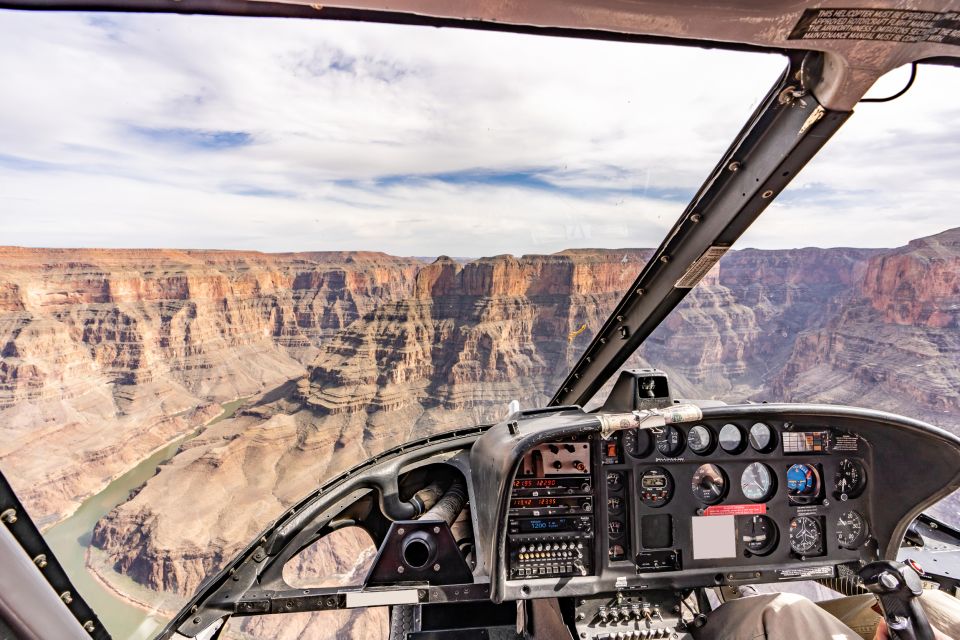
If you add the helicopter option, you’re not just getting a taller viewpoint—you’re going closer to the canyon floor. The helicopter flight is described as down to the canyon base around 4,000 feet down, with time to explore the base area.
This add-on is for people who want the “top-to-bottom” story in one day. You see the rim from above, then you experience the canyon from below (at least for a period of time). It changes the way you understand depth and scale. On a day trip, that kind of perspective shift is hard to recreate any other way.
One more reality check: you’re still on a schedule. Even when the flight is thrilling, you may feel like the canyon base time isn’t as long as you hoped. If you want maximum time on the ground, think of the helicopter as a high-impact experience rather than a long walking tour.
Lunch and food timing: what to expect at Skywalk Café
Lunch is included only if you selected the lunch option. When it is included, the tour points you toward eating around the Skywalk Café area.
Food options aren’t described in depth, but there are a couple practical takeaways. First, you may find limited choices, and vegetarian options may be limited in practice. Second, if the restaurant or a specific spot is closed on the day you go, you’ll need to adapt on-site.
What I recommend: plan to eat sooner rather than later if you’re hungry. The canyon day runs on a schedule, and it’s easy to get caught waiting around right when your energy drops.
Timing and flow: what your 11–12 hours will feel like
This trip runs about 11 to 12 hours, depending on starting times. The overall pattern is: pickup on the Strip area, driving time, a Hoover Dam photo stop, breaks, then several hours at the West Rim for viewpoints and optional activities.
Along the way, there are also stop periods that function as rest breaks. The day includes break times described at a Shell stop both on the way out and back, plus a longer stretch of driving toward the canyon.
When you look at the schedule, it makes sense why the tour uses a comfortable bus and a guide. Without narration and pacing, this would feel like a long shuttle day. With it, the day stays coherent: you get a “why” for what you’re seeing and a “what next” plan for your time.
Also, be ready for possible schedule changes. Weather, traffic, and mechanical issues can alter timing, and the tour notes that itinerary changes can happen. In a desert-to-canyon day, this is just part of life.
Value for $79: what you get without extras
At $79 per person, the base value is strongest if you like guided structure and don’t want to plan driving, parking, and entry points yourself.
The package includes: hotel pickup and drop-off, Grand Canyon entry fee, Grand Canyon shuttle bus, and transportation with the guided experience. If you add lunch, helicopter, or Skywalk tickets, those are layered on as options.
Where value can grow: if Skywalk and/or helicopter are on your must-do list, you’ll likely spend less time sorting out logistics and more time actually doing them.
Where value can disappoint: if you don’t care about Skywalk and you’re hoping for hours of free roaming beyond the structured viewpoints, you may feel the time is allocated to things you didn’t choose. In that case, you might prefer a different approach—either focusing on the viewpoint stops or choosing only one upgrade.
Who should book this West Rim day trip
Book this tour if you want:
- Easy Vegas-to-canyon transportation with hotel pickup
- A guided day that includes both Hoover Dam and Grand Canyon West Rim
- A plan that balances viewpoints with enough breaks to stay comfortable
- Optional upgrades like Skywalk and/or helicopter without extra planning stress
Skip or reconsider if:
- You hate structured time and want maximum freedom to roam without a schedule
- You’re very sensitive to photo restrictions or rule-heavy attractions
- You’re expecting a long, close-up Hoover Dam walk rather than a quick photo stop
This is a strong fit for first-timers who want the highlights with context, especially if you’re short on time in Las Vegas.
Should you book the Grand Canyon West Rim + Hoover Dam tour?
Yes—if you want a well-paced day with built-in context and major viewpoints handled for you. The Hualapai Nation component adds meaning beyond the photos, and the Guano Point / Eagle Point lineup is a solid way to see why the West Rim is so photogenic.
I’d only think twice if your #1 goal is free-form exploration or if the Skywalk’s photo rules and time commitment would feel like a tax. If glass floors sound fun, add Skywalk. If you want a truly different perspective, add the helicopter.
If you go in with flexible expectations—this is a long day by design—you’ll likely come away saying you got your money’s worth and a fresh understanding of canyon scale.
FAQ
How long is the Grand Canyon West Rim tour from Las Vegas?
The tour duration is listed as 11 to 12 hours, and starting times vary by availability.
What’s included in the price?
The base includes hotel pickup and drop-off, Grand Canyon entry fee, and a Grand Canyon shuttle bus. Lunch, helicopter, and Skywalk entry are included only if you select those options.
Do I get to see Hoover Dam during the day?
Yes. There’s a dedicated Hoover Dam photo stop with time to take pictures, viewed from the Pat Tillman Memorial Bridge.
Is the Skywalk ticket included automatically?
Skywalk entry is included only if you select the Skywalk option. The glass bridge is about 4,000 feet above the canyon floor and offers a panoramic view.
What’s the helicopter option like?
If selected, you’ll take a helicopter flight described as going to the canyon base around 4,000 feet down, plus time to explore the base area.
Where does pickup happen?
Pickup is available from most Las Vegas hotels, including locations like Luxor, Circus Circus, Stratosphere, Bally’s, Planet Hollywood, Tahiti Village, Golden Nugget, Harrah’s, and others. Exact timing and pickup details are provided after reconfirmation, and the bus may redirect if a hotel can’t be accessed.
Is there a limit on what I can bring?
Yes. Luggage or large bags aren’t allowed on the tour.