REVIEW · LAS VEGAS
Las Vegas: Discovering King Tut’s Tomb Exhibit at the Luxor
Book on GetYourGuide →Operated by Distributor: GetYourGuide Tours & Tickets GmbH · Bookable on GetYourGuide
King Tut is a Vegas storyline that actually feels educational. At the Luxor, this Discovering King Tut’s Tomb exhibit uses a virtual, two-part experience to bring you inside a highly detailed 3D recreation of the excavation and burial site, plus Howard Carter’s 1922 discovery in a clear, story-driven way. I also love how it pairs that narrative with painstakingly reproduced tomb treasures, so you get to see the famous look of the burial goods without worrying about fragile originals.
The main thing to consider is the format: this is a virtual exhibit, not a hands-on museum with you walking past real artifacts. If you’re craving the pull of true, touchable archaeology history, you might find it a bit less physical than you hoped. For most people, though, it’s a smart way to get a lot of context in one place, in one day, right in the middle of the Strip.
In This Review
- Key takeaways before you go
- How King Tut’s Tomb Works at the Luxor
- Area One: Ancient Egypt and the Afterlife Beliefs
- Area Two: Howard Carter’s 1922 Breakthrough
- Artifacts and Replicas: What You’ll Actually See
- Timing, Entry, and the $40 Value on the Strip
- Practical details: Who it suits best (and who may not)
- Tips to get more out of it
- Should you book Discovering King Tut’s Tomb at Luxor?
- FAQ
- What is the duration of Discovering King Tut’s Tomb at the Luxor?
- How much does the ticket cost?
- What are the opening hours and last admission time?
- Is the ticket refundable?
- Is the exhibit wheelchair accessible?
- Are children allowed, and do kids need tickets?
Key takeaways before you go
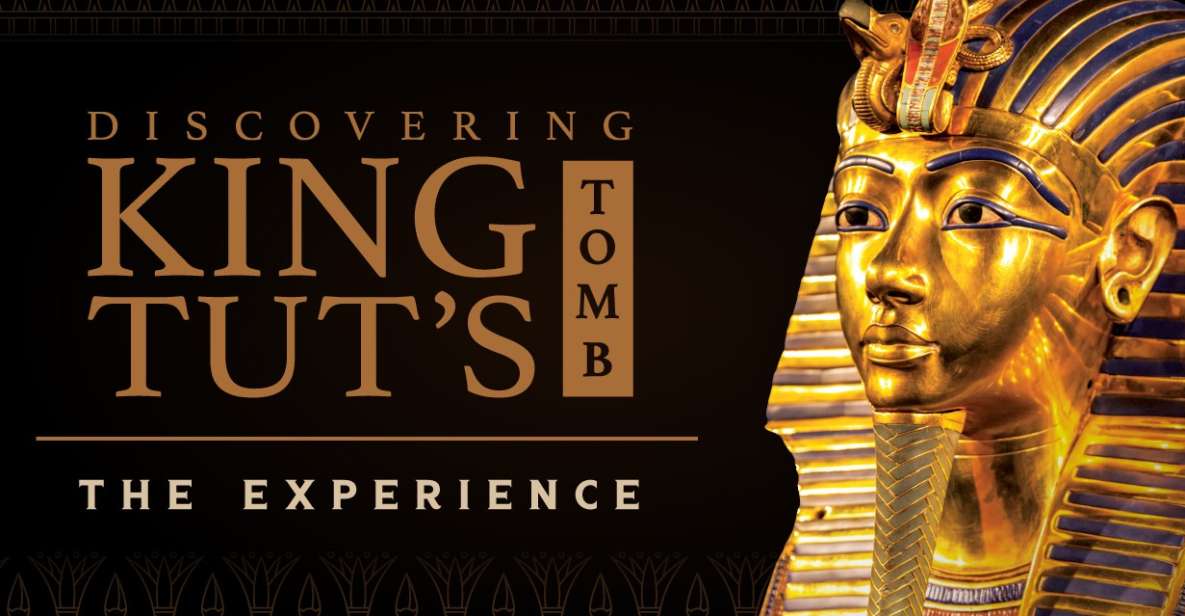
- A fully 3D recreation of the excavation site and the tomb, shown as it looked at discovery time
- Two-part storytelling: ancient Egypt and afterlife beliefs first, then Howard Carter’s breakthrough
- Replica treasures made by expert Egyptian craftsmen, created in consultation with Egyptologists
- A Howard Carter timeline you can follow, including the real challenges and triumphs of the dig
- Good daytime access in Vegas, running daily from 10:00 am to 8:00 pm (last admission 7:00 pm)
- Wheelchair accessible at the Luxor, so it’s a practical stop for more visitors
How King Tut’s Tomb Works at the Luxor
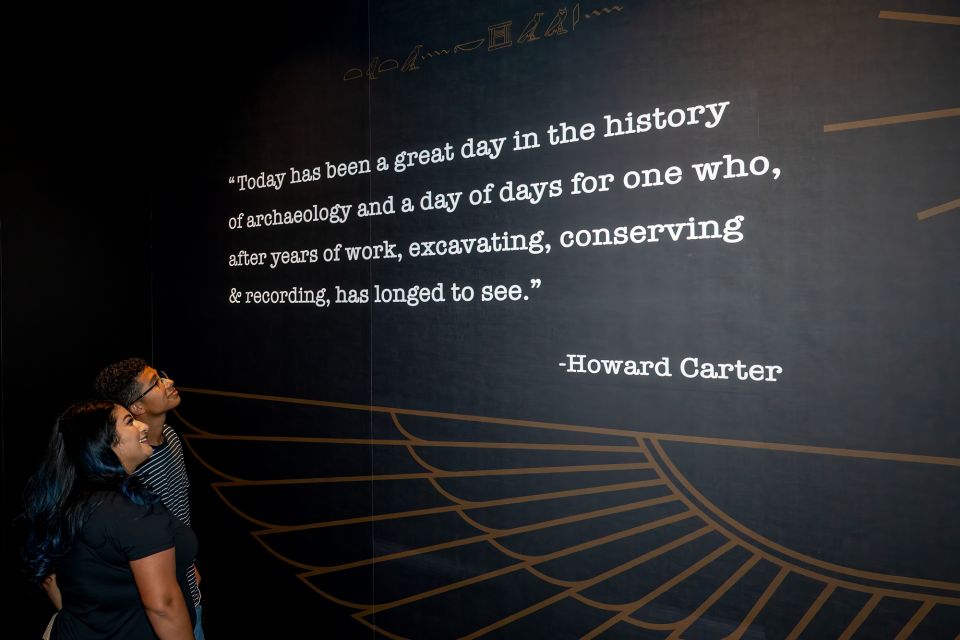
This experience is set up like a guided journey through two connected areas—ancient Egypt first, then the actual moment history changed with King Tutankhamun’s tomb discovery in 1922. You walk through the exhibit at your own pace, but the storytelling structure keeps you oriented: culture and beliefs, then archaeology and discovery.
What makes it worth your time is the combination of visual storytelling and object-focused presentation. You’re not just seeing generic Ancient Egypt pictures; you’re shown a recreation of the excavation scene and the tomb setting, plus an assortment of artifacts tied to what was found there. It’s the kind of format that helps you connect names, symbols, and the idea of the afterlife—rather than treating King Tut like a stand-alone celebrity.
At $40 per person for one-day entry, it’s also a relatively easy “add-on” in Vegas. You can slot it into a day when you want something indoor and calmer than the casinos, and you’re not sacrificing a whole morning or evening. Last admission is at 7:00 pm, so you don’t want to leave it to the end of the night.
You can also read our reviews of more tours and experiences in Las Vegas.



Area One: Ancient Egypt and the Afterlife Beliefs
The first part of the exhibit takes you back to King Tutankhamun’s world. You get background on ancient Egyptian culture, with emphasis on beliefs about the afterlife—because in Egypt, burial wasn’t just disposal. It was part of a bigger plan for what comes next.
This section matters even if you think you already know the basics. The whole point of the exhibit is that Tut’s tomb is not only about the boy king; it’s about how Egyptians understood life, death, and continued existence. When you learn the belief system first, the later excavation and the tomb’s treasures feel less like random “cool objects” and more like a coherent set of ideas.
In this area, you’ll also pick up why the discovery became such a long-lasting symbol of wonder. Tutankhamun and his tomb have stayed famous for nearly a hundred years, and this exhibit explains that staying power through the lens of culture and belief—not just headlines about a famous find. That’s one reason people tend to rate this highly: it turns curiosity into understanding without getting overly academic.
Area Two: Howard Carter’s 1922 Breakthrough
Then the exhibit flips from “how Egyptians thought” to “how archaeologists found out.” Here, you follow the story of Howard Carter, the world-famous archaeologist tied to the greatest moment of the King Tut discovery: the 1922 excavation.
What I like about this second area is the way it frames the dig as both scientific work and human drama. You’re not only watching a reconstruction—you’re being shown the idea of challenges and triumphs as Carter worked to uncover a lost tomb. It keeps the stakes clear. You can see why the discovery mattered, not just that it happened.
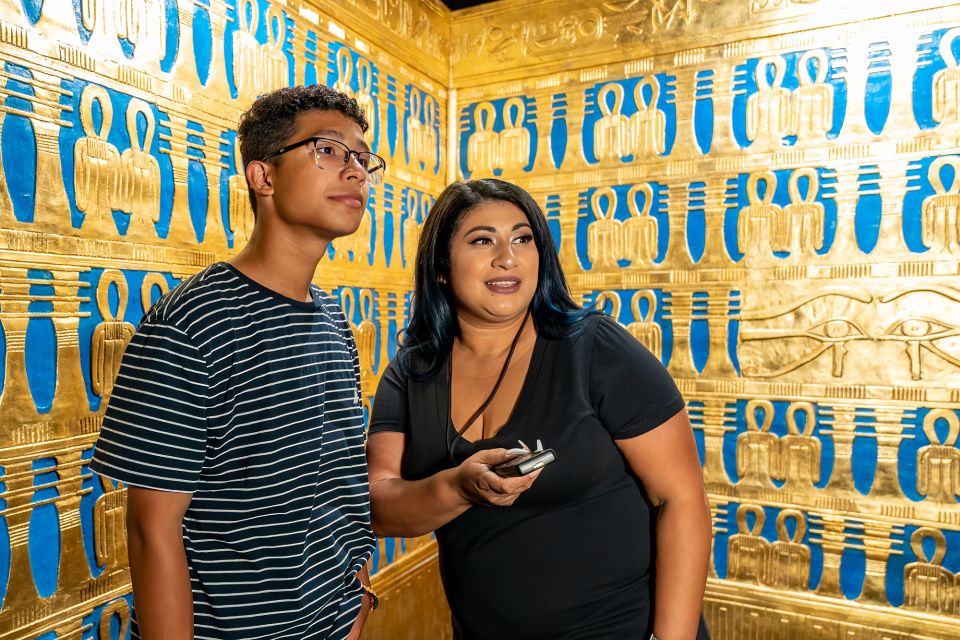
The centerpiece is the chance to step inside a fully three-dimensional, accurate recreation of the excavation site and the tomb and treasures exactly as they were at the moment of their discovery. That phrasing is important. The exhibit isn’t aiming for a loose “inspired by” look. It’s built to reproduce the scene as it was seen at that turning point in history.
If you’ve ever wondered why people get emotional about archaeology, this is a good answer. Even through a virtual lens, it shows why one room, one chamber, and a set of artifacts could reshape how the world imagines the ancient past.
Artifacts and Replicas: What You’ll Actually See
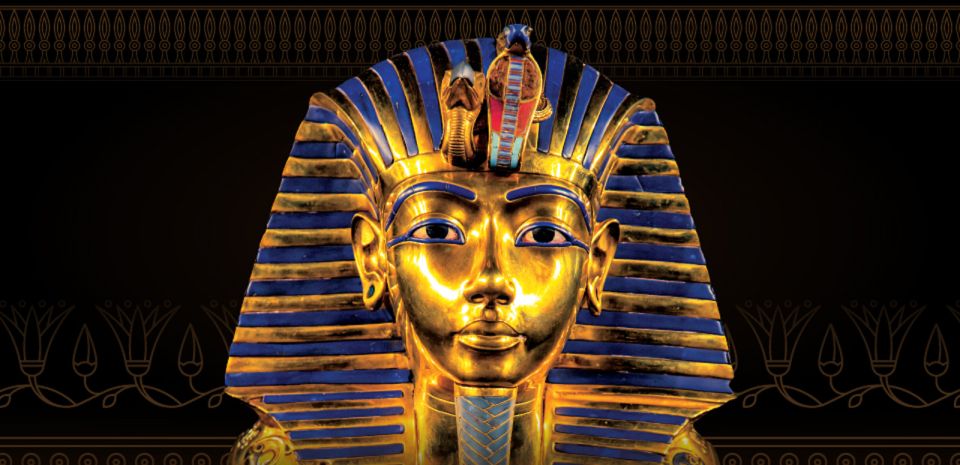
The exhibit’s big promise is that you’ll see the tomb treasures through carefully produced replicas. The original artifacts are fragile, so the experience recreates them using replicas made by expert Egyptian craftsmen, with consultation from renowned Egyptologists.
This approach is both practical and smart. You’re able to admire the look and variety of the finds without putting any original objects at risk. And because the exhibit focuses on a set of treasures, you’re not hunting across a huge museum building. You get a more organized, “here’s the set and why it matters” feeling.
The strong theme in the positive feedback is the visual impact—especially the statues and the artifact display. People often get excited once they realize the exhibit is not shy about the famous objects. Instead of skimming by, the experience tends to slow you down and make you pay attention to details like shape, material look, and how the tomb’s items relate to the burial setting.
One more thoughtful point: because you’re seeing replicas with Egyptological guidance, you’re not left to guess what you’re looking at. The exhibit connects the items to context—culture, afterlife beliefs, and discovery history—so it’s easier to remember what you saw.
Timing, Entry, and the $40 Value on the Strip
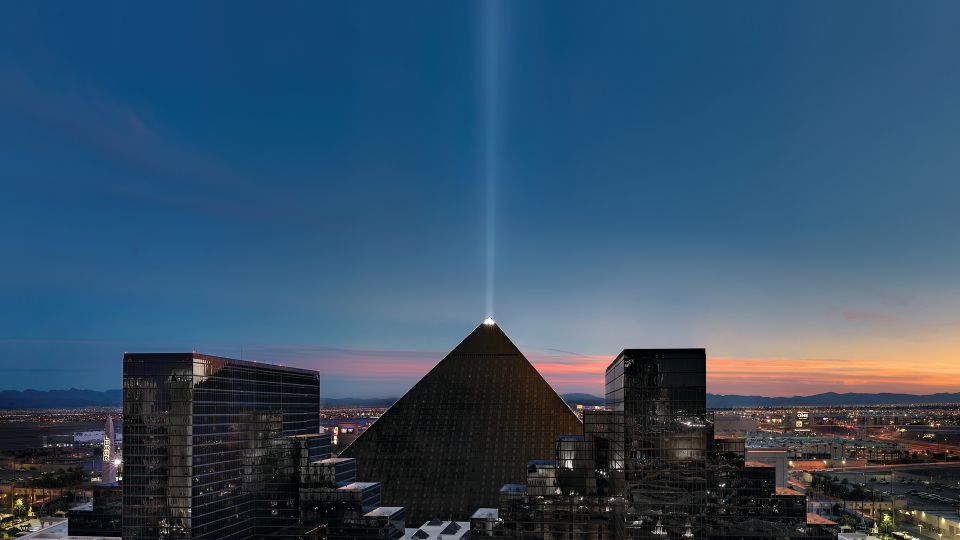
This is billed as a 1-day experience with entry to the Discovering King Tut’s Tomb exhibit included. It runs daily from 10:00 am to 8:00 pm, with last admission at 7:00 pm. For planning, that’s great: you can do it early afternoon when the Vegas sun is doing its thing, or in the early evening if you want something indoor before dinner.
The $40 price can feel like a lot if you compare it to a free museum stop. But in Vegas, you’re paying for two things you usually don’t get for free: (1) curated, story-led presentation and (2) a high-tech, 3D-style experience that recreates a specific historical moment.
So the real value question is: do you want a focused, structured history experience in about a day? If yes, $40 is easier to justify. If you’re mainly chasing the biggest “wow” of the Strip with crowds and spectacle, you might feel the cost is too high for a quieter indoor exhibit.
Also note: the ticket is non-refundable, so it’s worth choosing a time you’re confident about. And children under 18 must be accompanied by an adult, while children 3 and under are free with no ticket required.






Practical details: Who it suits best (and who may not)
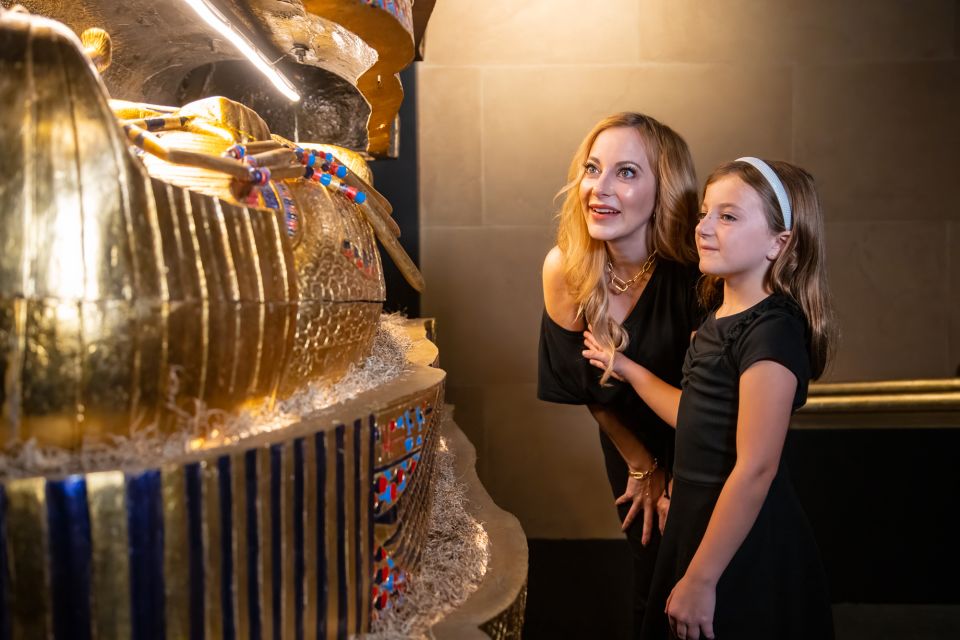
This experience fits best for people who like history that tells a story. You get a narrative arc: ancient Egypt’s afterlife beliefs, then the Carter discovery timeline, then a 3D look at the excavation and tomb setting.
It’s also a strong option for families or mixed ages, as long as an adult is with minors (required under 18). The exhibit is wheelchair accessible, which makes it easier to plan with mobility needs. It’s especially useful if you want an indoor activity that doesn’t require you to interpret a lot of scattered signage.
On the other hand, if you’re someone who only values experiences with real artifacts in hand (or you’re expecting a classic museum wandering format), you may feel the virtual approach limits the “realness.” Because this is a virtual exhibit with replicas, the experience is about interpretation and reconstruction—not about physical proximity to the original objects.
Tips to get more out of it
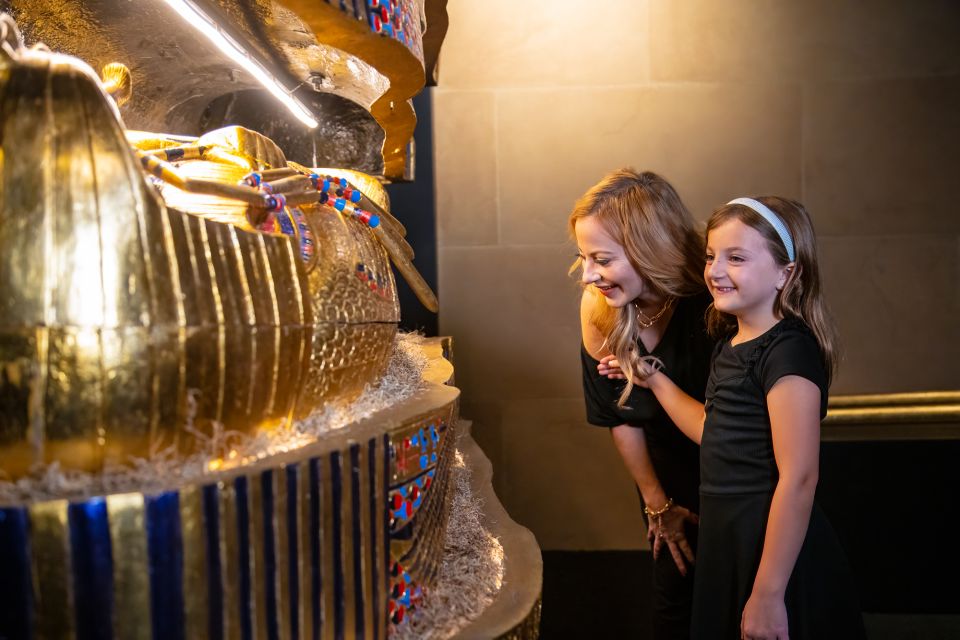
Here’s how to make this feel like more than just a show.
First, give yourself a calm start. Even though it’s at the Luxor, you’re taking in a lot of content—culture, beliefs, and a historical story—so arriving when you’re not rushed helps. If you’re doing it as part of a busy Vegas day, think about pairing it with a slower meal after.
Second, go in expecting names and themes, not trivia. King Tutankhamun, the afterlife beliefs, and Howard Carter’s 1922 discovery are the anchors. When you focus on those, the artifacts and recreated tomb scenes make more sense.
Third, if you’re with kids, treat it like a storytelling moment. The exhibit’s structure is already set up that way: first “how ancient Egyptians saw death,” then “how Carter found the tomb.” You can keep it simple by asking what part of the story feels most surprising: the beliefs, or the challenge of discovering something lost.
Should you book Discovering King Tut’s Tomb at Luxor?
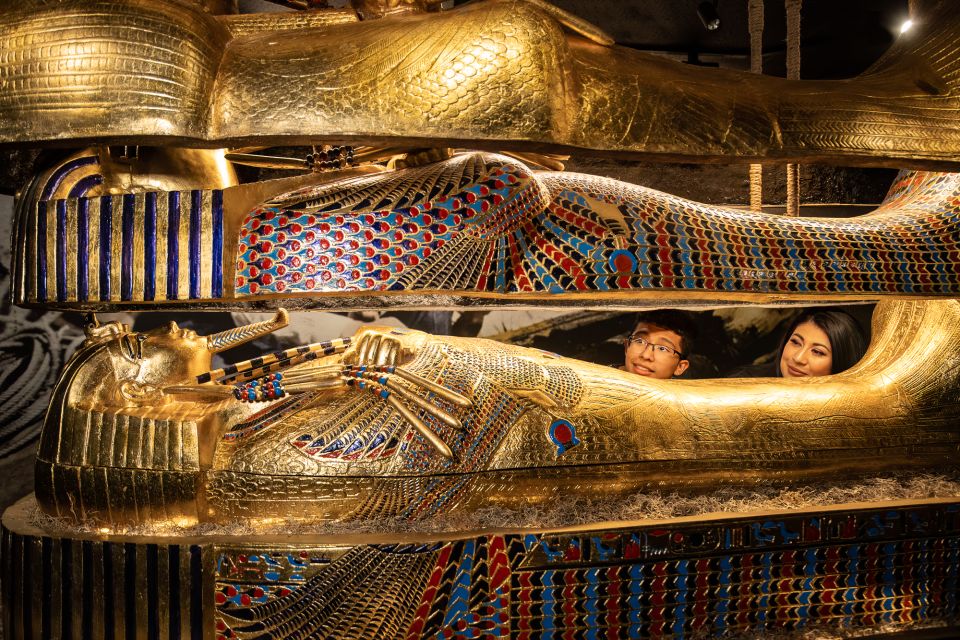
Book it if you want a well-organized, indoor history experience that’s focused on King Tutankhamun, Howard Carter, and the 1922 discovery—plus a chance to stand inside a 3D reconstruction of the excavation and tomb setting. The replica approach also means you get to admire the famous treasures without worrying about fragile originals, which makes the experience easier for everyone.
Skip it if you’re specifically hunting for a classic museum with real artifacts you can view up close, and you don’t care much about reconstruction-based storytelling. In that case, the virtual nature may feel like too much “screen-and-effect” and not enough “object-in-front-of-you.”
If you’re doing a Las Vegas day that needs a break from the Strip’s chaos, this is a solid bet. It turns a single-ticket activity into an Egypt-focused mini-journey, with enough structure that you’ll leave with more than just a vague impression.
FAQ
What is the duration of Discovering King Tut’s Tomb at the Luxor?
The experience is listed as lasting 1 day.
How much does the ticket cost?
The price is $40 per person.
What are the opening hours and last admission time?
It’s open daily from 10:00 am to 8:00 pm, with last admission at 7:00 pm.
Is the ticket refundable?
No. This activity is non-refundable.
Is the exhibit wheelchair accessible?
Yes, the experience is wheelchair accessible.
Are children allowed, and do kids need tickets?
Guests under eighteen must be accompanied by an adult. Children ages three (3) and under are free and do not require a ticket.