REVIEW · ANTELOPE CANYON & HORSESHOE BEND TOURS
Las Vegas: Antelope Canyon and Horseshoe Bend Airplane Tour
Book on GetYourGuide →Operated by Grand Canyon Airlines · Bookable on GetYourGuide
Flying in for canyon light changes everything. This small-group airplane tour pairs sky-high views over the Hoover Dam area with real time on the ground in Antelope Canyon. I especially like that the day is paced like a guided outing, not a rushed checklist, and the pilot/guide keep the big-picture perspective going. One drawback to plan around: the rules are strict (no selfie sticks or tripods, and no backpacks/bags/cameras), and you’ll also need to handle getting yourself to the air terminal in Boulder City.
You start from the Las Vegas area and end back at the same meeting point near the airport. The core experience is built around three “wow” moments: an aerial tour with highlighted landmarks, a short hike to Horseshoe Bend’s overlook, and a guided slot-canyon walk where the rock formations do the talking. Price is steep at $759 per person, but you’re paying for airplane time, a limited group size, and guided access at both sites.
If you like window-seat views, steady guidance, and you’re comfortable with an active but short hike, this tour makes a lot of sense. If you’re dealing with mobility limitations, pregnancy, or weight constraints, this one likely won’t be a fit—your comfort and safety come first.
In This Review
- Key points before you go
- The real “why” behind this Antelope Canyon by airplane plan
- Getting to the air terminal: 1265 Airport Rd is your starting line
- Price and what’s included in the $759-per-person value
- The airplane segment: Hoover Dam, Glen Canyon, and Lake Powell from above
- Boulder City aerial viewing: a short chapter that sets the stage
- Horseshoe Bend: the overlook hike and how to time your moment
- Antelope Canyon guided walk: sandstone, light rules, and why guidance matters
- Lake Powell aerial views: closing the loop with one more sky perspective
- Small group size and timing: what “limited to 8” really changes
- Who this tour suits best (and who should skip it)
- The practical stuff: rules that affect your day more than you think
- Should you book the Antelope Canyon and Horseshoe Bend airplane tour?
- FAQ
- How long is the Las Vegas to Antelope Canyon and Horseshoe Bend airplane tour?
- Where does the tour start and when should I arrive?
- Is hotel transportation from the Las Vegas Strip included?
- Are selfie sticks, drones, and tripods allowed?
- What ID do I need to bring?
- Is the tour suitable for wheelchair users or people with mobility impairments?
Key points before you go
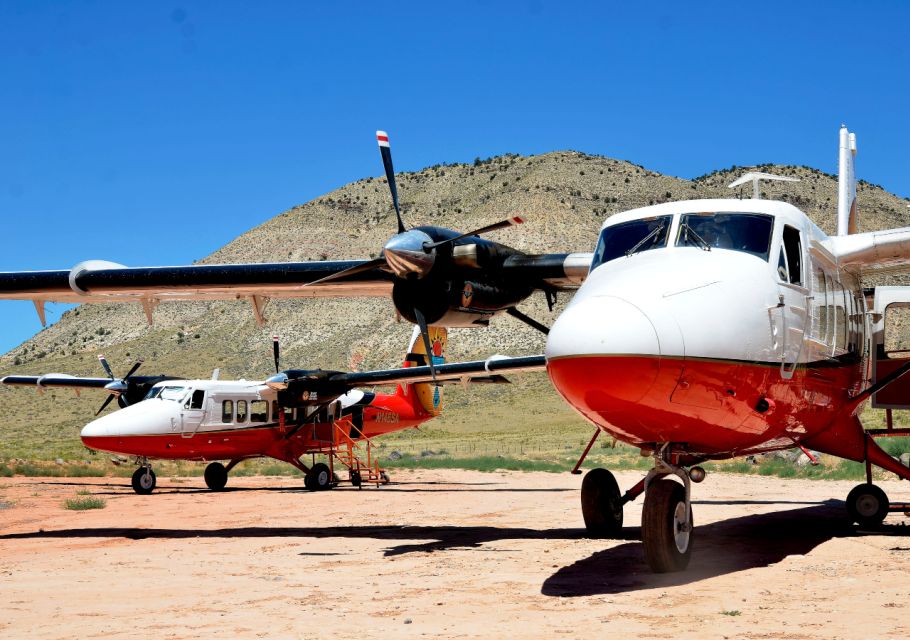
- Grand Canyon Airlines airplane time means you see Hoover Dam, Glen Canyon, and Lake Powell from above
- Small group capped at 8 keeps the canyon experience feeling controlled, not chaotic
- Horseshoe Bend overlook hike is short but perfectly timed for big views over the Colorado River
- Guided Antelope Canyon walk focuses you on the sandstone shapes and the light effects
- Box lunch included, so you’re not burning your budget on a stop-and-go meal
- Hard gear rules (no selfie sticks, tripods/monopods/GoPros in Antelope Canyon, no drones) shape how you experience the day
The real “why” behind this Antelope Canyon by airplane plan
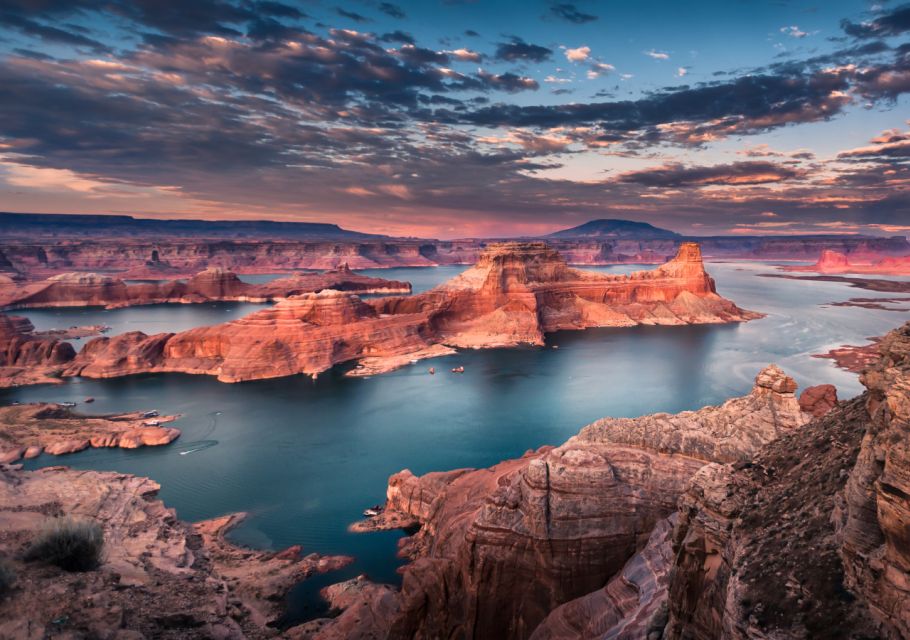
This tour sells a specific promise: you get the speed and height of an airplane, then you get actual guided time in the tight slot-canyon spaces. That pairing is the point. If you’ve ever tried to cram Antelope Canyon and Horseshoe Bend into one long road trip, you already know how quickly the day can turn into driving fatigue.
What I like about this format is that it keeps momentum without feeling like a sprint. You’re not just looking at maps—you’re moving through three different viewpoints: from the air, from a canyon rim, and down inside the slot canyon itself.
You can also read our reviews of more tours and experiences in Las Vegas.
Getting to the air terminal: 1265 Airport Rd is your starting line
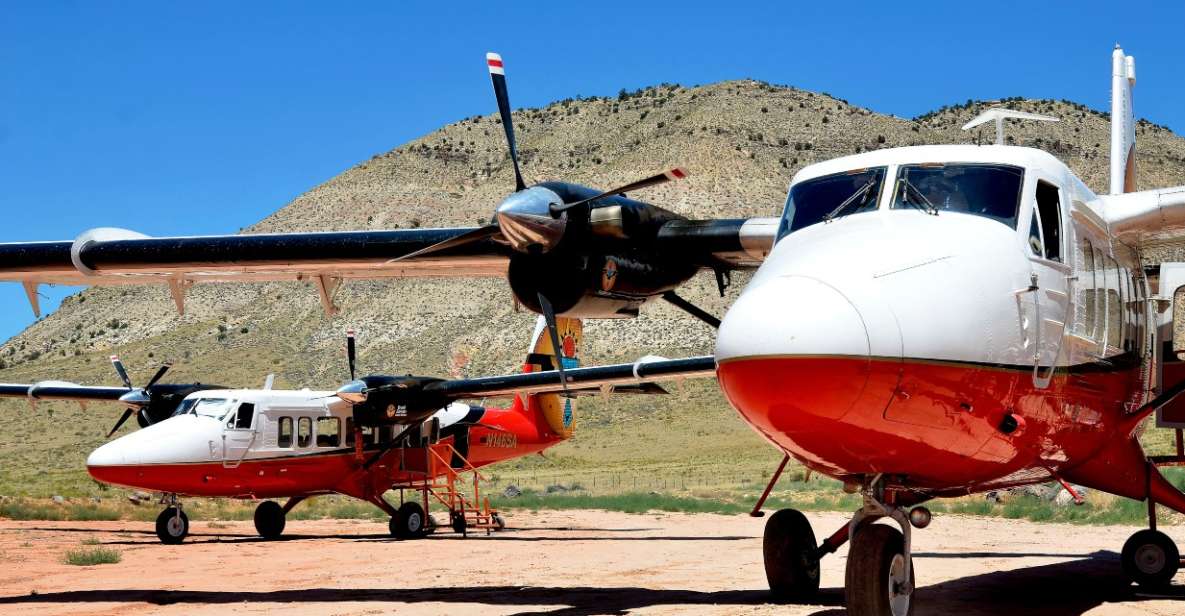
The meeting point is 1265 Airport Rd (in Boulder City). The key logistics detail: you drive yourself to the air terminal and arrive 45 minutes before departure. From the Strip, the drive is about 40 to 50 minutes, so plan your timing like you’d plan a flight—early beats stressful.
If you selected hotel transfers, complimentary transportation can cover parts of the move from the Strip to the nearby air terminal. Still, the tour’s baseline assumption is that you’re comfortable getting to the start point on your own.
Bring only what you can manage under the rules. Backpacks and bags are not allowed, and the “no cameras” note is part of the equipment policy, along with selfie-stick and drone bans. That means you’ll want a simple day bag approach: keep it light, keep it smooth, and avoid last-minute scrambling at check-in.
Price and what’s included in the $759-per-person value
At $759 per person, this isn’t a budget add-on. The value comes from three bundled costs that add up fast if you do them separately:
- Airplane flight time over major landmarks
- Guided time at Antelope Canyon and at Horseshoe Bend
- A day structure built to connect those stops without turning into a two-day road trip
You also get a box lunch included, which matters more than people expect. A day like this can stretch anywhere from 6.5 to 9 hours, and hunger can mess with your mood and your pace—having food handled helps you stay present for the canyon portions.
One thing to keep in mind: flight times are approximate and can change due to weather conditions and weight restrictions. That doesn’t mean it falls apart; it means you should treat your schedule as flexible rather than clockwork.
The airplane segment: Hoover Dam, Glen Canyon, and Lake Powell from above
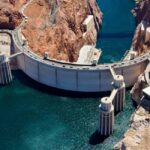
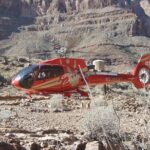
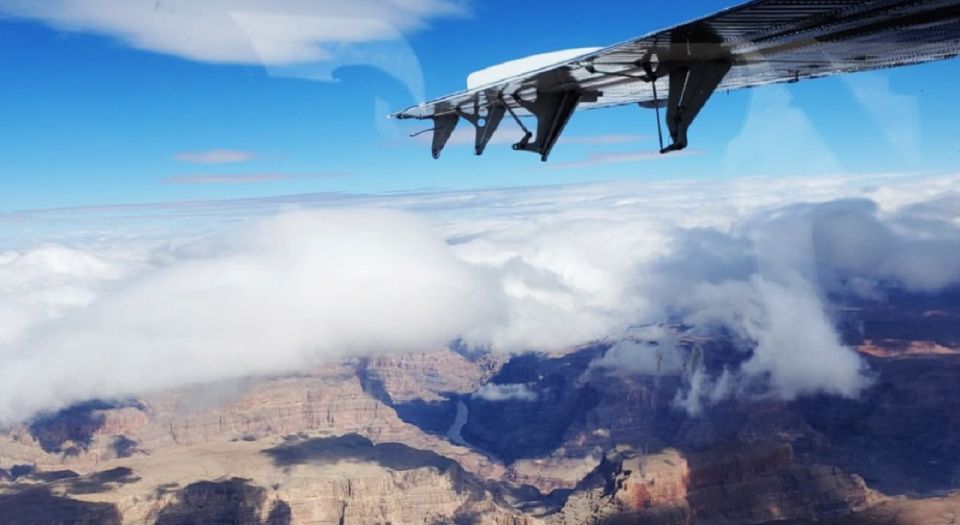
The day begins with an aerial portion built around highlighted sights. You’ll fly over areas like the Hoover Dam region and Glen Canyon, and you’ll also get an aerial look at Lake Powell later in the itinerary.
Why this part matters: from the air, the desert and canyon country reads differently. Roads, rivers, and ridges stop being “things you’ll reach someday” and become the whole system. From a plane seat, you’re not guessing where you’ll be walking next—you can actually connect the dots.
The pilot also invites you to look at the major sights from above. That’s a nice touch because it turns “watching out the window” into interpretation. You’re more likely to notice patterns—river bends, canyon cuts, and the way the terrain shifts—when someone’s guiding what to look for.
A practical note: this is also one of those experiences where weight and safety rules can affect comfort. Passengers are weighed at check-in, and if you’re 300 lbs (136 kg) or over, you’ll be charged for an additional comfort seat. Flights can also change based on weight restrictions, so arrive on time and don’t assume your seat situation is the same as booking day.
Boulder City aerial viewing: a short chapter that sets the stage
You’ll spend around 1.5 hours in the Boulder City aerial viewing portion. That might sound like a long pause, but it functions as a buffer and a kickoff. The sky time warms you up to what the desert looks like from above, so when you land, your brain already has a reference point.
It also helps keep the group calm. With a maximum of 8 participants, you’re not dealing with a stampede dynamic, and you’re more likely to get questions answered.
Horseshoe Bend: the overlook hike and how to time your moment
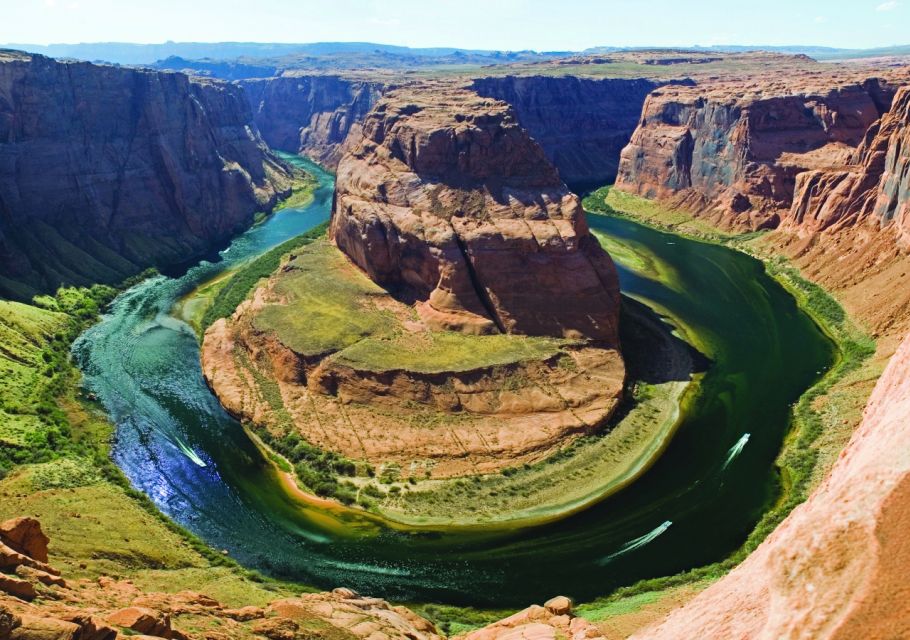
Next comes Horseshoe Bend, with about 1.5 hours allocated for guided tour and sightseeing. Even though the walk to the overlook is described as short, it’s still a real “step outside the vehicle and start feeling it” moment.
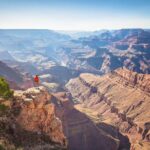
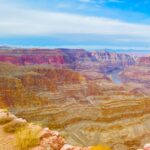
You’ll hike to the edge to see the Colorado River winding below, with the famous twisted cliffs forming that horseshoe shape. This is where the day stops being mostly about transportation and becomes mostly about looking.
Two practical tips for enjoying it:
- Wear shoes you can stand in comfortably. You’ll want firm footing near uneven edges.
- Take a slow approach. Don’t rush to the first view. The light can shift while you’re there, and the angle can change your impression of the river’s curve.
The tour is guided here too, which helps because you’re not just walking around hoping to find the best spot—you’re moving toward the view the route is designed around.
Antelope Canyon guided walk: sandstone, light rules, and why guidance matters
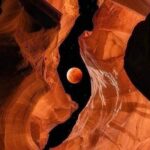
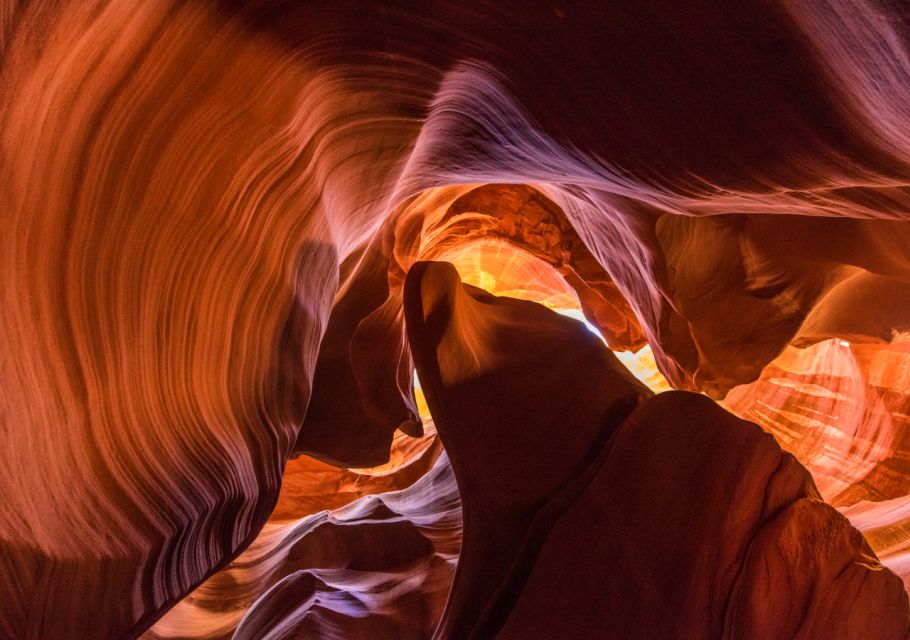
Antelope Canyon is the heart of the trip, with about 1.5 hours for a guided tour and sightseeing. This is where the day earns its reputation. Slot canyons don’t behave like open viewpoints. Light funnels, shadows stretch, and the rock textures take on a different personality once you’re inside.
The guide’s role is important. When you’re in narrow sandstone corridors, it’s easy to see only “cool rock.” A guide helps you notice why the shapes are striking and how the canyon walls create the light effects you came for.
You also get the “photographer’s dream” element—sun and sandstone coloring are part of the magic. But you need to follow strict equipment rules. The tour lists cameras as not allowed, and it also specifically prohibits tripods, monopods, and GoPros within Antelope Canyon. In addition, selfie sticks are strictly prohibited in and around the aircraft and within the canyon area.
That means you should mentally plan for this as a look-first experience. The best value is your attention on form, light, and the guided storytelling—not on turning the day into an equipment exercise.
Lake Powell aerial views: closing the loop with one more sky perspective
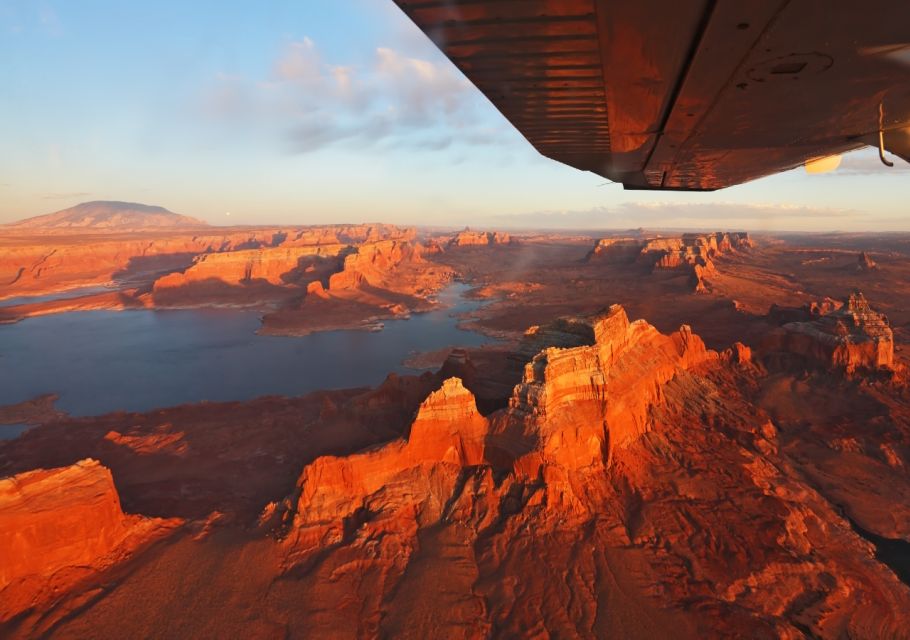
After Antelope Canyon, you’ll have another aerial highlight—again around 1.5 hours—with views of Lake Powell before returning. This acts like a visual recap.
Why it feels satisfying: once you’ve walked inside sandstone and looked down from Horseshoe Bend, Lake Powell from the air shows you the broader “why” behind the region’s geography. You’ve seen the canyon cuts and the river curve; now you see how water storage and canyon systems tie together in the larger system.
This final sky time also gives you a buffer for the flight back to the air terminal. Flights can shift because of weather and weight restrictions, but having a planned aerial segment helps keep the rhythm steady.
Small group size and timing: what “limited to 8” really changes
A maximum of 8 participants isn’t just a marketing detail. It changes how you experience the day at the canyon stops. With fewer people, you’re less likely to get stuck behind a line that won’t move, and guides can keep an eye on everyone’s pace and questions.
It also affects comfort on the aircraft. Even with weight policies and possible comfort-seat adjustments, the small count typically feels calmer than packing in like a shuttle.
The itinerary length—6.5 to 9 hours—can sound big, but it’s spread across meaningful segments. You’re not staring at your phone for hours waiting for the next “thing.” You’re moving through airplane views, short guided walks, and a guided interior canyon experience.
Who this tour suits best (and who should skip it)
This trip fits best if you:
- Want to combine Antelope Canyon + Horseshoe Bend without a full day behind the wheel
- Enjoy guided interpretation, not just self-directed wandering
- Prefer a small group and a structured pace
- Are comfortable with a short hike to an overlook
- Can follow equipment restrictions and bring ID
It’s not suitable for pregnant women, wheelchair users, and people with mobility impairments. There’s also a weight limit consideration at 300 lbs (136 kg) that affects seat arrangements. If any of those apply, you’ll likely be happier choosing a different format designed around your needs.
Also, the tour requires passport or ID card, and adults 18+ must present government-issued photo ID. If you’re traveling with anyone who might forget a document, make it a checklist item today.
The practical stuff: rules that affect your day more than you think
The experience includes airplane flight, guided canyon time, and strict safety gear policy. Here’s what tends to matter most once you’re on-site:
- No drones
- No selfie sticks, including around the aircraft and within Antelope Canyon
- No tripods/monopods/GoPros in Antelope Canyon
- No backpacks/bags/cameras as listed in the tour rules
That last set can surprise people. The canyon portion is physically tight and controlled; the goal is safety and unobstructed movement. So even if you’re used to hiking with a bag, you’ll need a different plan here.
If you’re the kind of person who likes to travel with gear “just in case,” this is the moment to simplify. Bring what you need for comfort and ID, and leave the rest.
Should you book the Antelope Canyon and Horseshoe Bend airplane tour?
If your top priority is seeing the Southwest’s big-name sights with real guidance—and you don’t want to spend the entire day driving—this tour is a strong match. The combination of aerial Hoover Dam area views, guided Antelope Canyon, and the Horseshoe Bend overlook hike creates variety that a road-only plan can struggle to deliver in a single day.
I’d book it if you’re comfortable with the strict gear rules and you know this is an active but not extreme day. I’d skip it if mobility issues, pregnancy, or weight constraints make safety and comfort a concern, since the tour is explicitly not suitable for those situations.
The rating shown for this experience is 4.1 out of 5 from 20 reviews, which lines up with what the format promises: organized timing, limited group size, and guided access to the places most people only dream about.
FAQ
How long is the Las Vegas to Antelope Canyon and Horseshoe Bend airplane tour?
The total duration is 6.5 to 9 hours, and you’ll need to check availability for the specific starting times.
Where does the tour start and when should I arrive?
The meeting point is 1265 Airport Rd. You must drive yourself to the air terminal and arrive 45 minutes before departure.
Is hotel transportation from the Las Vegas Strip included?
Complimentary transportation from the Strip to the nearby air terminal is offered if the hotel transfer option is selected.
Are selfie sticks, drones, and tripods allowed?
No. The rules prohibit selfie sticks (in and around the aircraft and within Antelope Canyon) and drones. Tripods, monopods, and GoPros are also prohibited within Antelope Canyon.
What ID do I need to bring?
Bring a passport or ID card. Adults 18 and older must present a government-issued photo ID.
Is the tour suitable for wheelchair users or people with mobility impairments?
No. The tour is listed as not suitable for people with mobility impairments and wheelchair users. It’s also not suitable for pregnant women.