REVIEW · ATV & OFF-ROAD TOURS
Guided Mojave Desert Off Road RZR Adventure
Book on Viator →Operated by Vegas Off Road Tours · Bookable on Viator
The Mojave hits hard in four hours. On this guided Polaris RZR ride, you trade the Strip for rugged Nevada backcountry just 30 minutes south, with pickup options and a crew that keeps the day organized. I love the hotel pickup/drop-off convenience and the fact you get a 20–30 minute safety briefing and proper gear before you ride. The one drawback to consider: the tour can feel fast and action-heavy, so if you’re hunting slow, contemplative sightseeing, this may not match your style.
You’ll typically be out about 4 hours total, with morning departure times and a small max group size (around 12). They run a shuttle to base camp, then you’re on the trail for the Mojave Desert and Sandy Valley, before heading back toward your original hotel. If you’re worried about getting dirty, plan on it: this is a dirt-and-rocks kind of day, not a polished show.
In This Review
- Key Things I’d Prioritize Before You Go
- What You’re Paying For: $114.99 Worth the Dirt
- Pickup, Base Camp, and the 30-Minute Shuttle Reality
- The RZR Driving Setup: Helmets, Comfort, and Real Safety Rules
- Helmets and safety gear
- Who can drive, and who should think twice
- What “Most travelers can participate” really means
- Stop 1: Mojave Desert Riding Time You’ll Feel in Your Arms
- The main consideration here: the ride energy
- Stop 2: Sandy Valley for Joshua Trees and Big-Open Views
- Snacks, Small Groups, and Why the Company Tone Matters
- The Dirt Factor: What to Wear and How to Prepare
- Wear this
- Expect the after-rinse
- Vehicle Damage Insurance Hold: Don’t Ignore the Credit Card Piece
- Who This Mojave RZR Adventure Fits Best
- Consider another approach if
- Should You Book This Mojave Desert RZR Tour?
- FAQ
- Where does the tour depart from?
- How far is the meeting area from the Las Vegas Strip?
- How long is the tour?
- What are the age requirements?
- What should I wear?
- What does the tour provide?
- Is there a credit card hold?
Key Things I’d Prioritize Before You Go
- Pickup that saves time: Selected hotels on the Strip and nearby (Jean, NV is the base area).
- A real safety ramp-up: Orientation happens before anyone drives.
- Dirt-road fun with structured stops: Mojave Desert riding, then Sandy Valley for Joshua trees and rock formations.
- All the gear basics are handled: Required safety equipment plus full-faced helmets.
- Small group feel: With a maximum of 12, you spend less time waiting and more time riding.
- Bring the right ID and credit card: You’ll need valid adult ID and a credit card temp hold for vehicle-damage insurance terms.
What You’re Paying For: $114.99 Worth the Dirt
At $114.99 per person for an about 4-hour guided ride, the value is really in three places: the guided driving experience, the convenience of pickup, and the fact that they handle the gear and the safety process.
You’re not just signing up to drive. You’re getting a full package: guided off-road time in the Mojave Desert, vehicle orientation, safety briefing, snacks, bottled water, and all fees/taxes included. That matters because with off-road tours, the stuff that can quietly add up is often the equipment, the briefing process, and the transportation to the trail area. Here, you can plan the day without surprise line-items.
Now, here’s the tradeoff: you’ll also deal with the practical “off-road fine print,” especially the $750 credit card hold (up to $1,500 max) per vehicle for reduced vehicle-damage deductible insurance. It’s not a charge in the everyday sense, but it is a hold that can affect your available credit.
If you want a real desert experience that’s close to Las Vegas and you don’t want to handle gear and logistics yourself, this is the kind of pricing that tends to work.
You can also read our reviews of more guided tours in Las Vegas

Pickup, Base Camp, and the 30-Minute Shuttle Reality
This tour starts and ends back at the meeting area, with optional hotel pickup. If you select pickup, you’ll be collected at specific hotel locations such as Treasure Island (bus depot just west of main valet), Bellagio (south tour lobby), Excalibur (rotunda tour bus lobby), South Point (main valet), and M Resort (spa floor level, west side parking lot follow signs to shuttle pick-up outdoors).
After pickup (or after you make your own way to the base), the schedule follows a simple rhythm:
- A short safety briefing
- A shuttle drive from the Strip area down to the base camp trail start
- Then the guided riding blocks
They’re very up-front that the safety briefing takes about 20–30 minutes and the shuttle drive is around 30 minutes, which means your trail start time can shift a bit. The best way to plan is to treat the listed time as approximate, not as a hard stopwatch moment. If your schedule is tight, build in breathing room.
If you’re self-transporting to base camp, use Google Maps. They note other mapping systems might point you wrong—this is one of those small details that can save you real stress.
The RZR Driving Setup: Helmets, Comfort, and Real Safety Rules
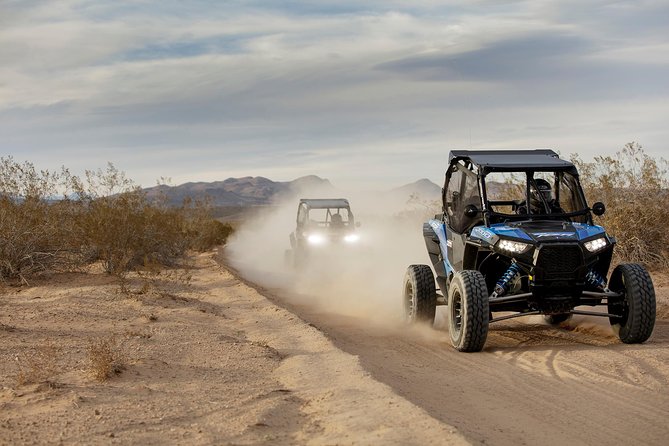
This is a guided Polaris RZR adventure, but you’ll only get the best day if you understand the rules up front.
Helmets and safety gear
When you’re operating the vehicle, you must wear a full-faced helmet (provided). That’s not a suggestion. Off-road rides turn chaotic fast when people don’t follow basics, so I like that the rules are clear and standardized.
You’ll also get a vehicle orientation and safety briefing before trail time. Expect them to show you how to handle the machine, how to move as a group, and what to avoid. The “action” part is fun, but the “how not to get into trouble” part is what makes you comfortable.
Who can drive, and who should think twice
- Drivers must be 18+ with a valid driver’s license.
- Passengers must be at least 12 with a parent/guardian.
- Closed-toed shoes are required, and they recommend UPF clothing.
- Neck problems: it’s not recommended.
- For youth safety: someone around 54 inches tall is required for safety reasons.
- Passengers need to sit in a way that keeps them secure—feet flat and harness/seat properly secured.
Also, you should know you’re financially responsible for damage to the vehicle or equipment during the tour. That doesn’t mean you’ll be blamed for everything, but it does mean you should ride like it matters.

What “Most travelers can participate” really means
This tour isn’t trying to exclude everyone. But if you’re prone to motion sickness, have significant back/neck limitations, or you’re not comfortable sitting and bracing for a bumpy ride, take that seriously. A RZR tour is physical. You’ll feel it.
Stop 1: Mojave Desert Riding Time You’ll Feel in Your Arms
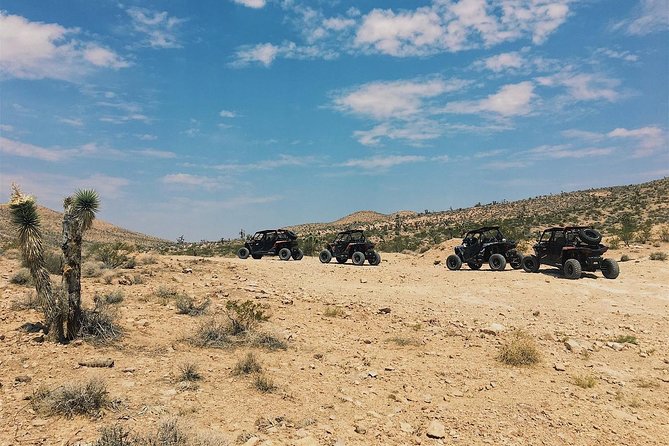
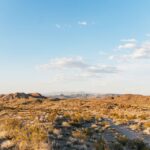
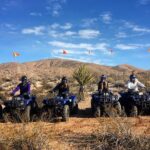
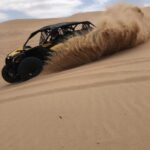
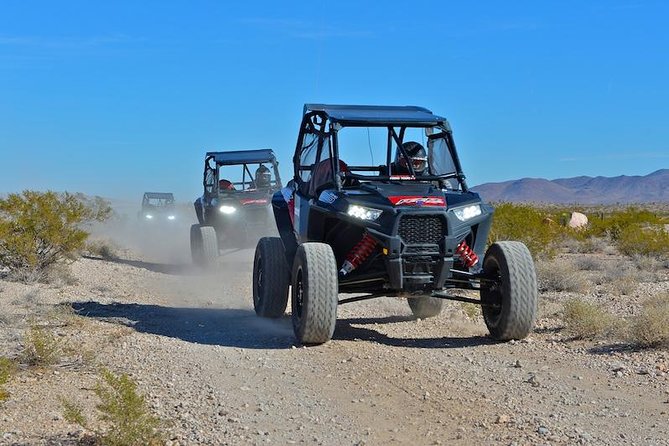
The first riding block is where the adventure kicks in: 2 hours in the Mojave Desert. This is the part that most people picture when they imagine remote Nevada—rough terrain, open views, and the sense that you’re way off the beaten path.
On a guided tour like this, the value isn’t just the scenery. It’s the fact that someone else is handling route choices and hazards while you focus on driving (or enjoying passenger time). The best part is you’re in a setting most people only see from highways or not at all.
You’ll likely notice two things during this segment:
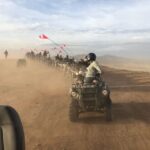
- The pace is geared toward keeping the group moving as a unit.
- Guides are watching for the stuff that can make trails messy—sand pockets, uneven ground, and tight spots.
From what I’ve learned from guide-focused feedback on this company, the guides can be both fun and direct. Names that come up again and again include Brenden, Brandon, and Nick. People also talk about receiving real-time course advice through their communication setup, which is a big deal when you’re riding for speed and safety at the same time.
The main consideration here: the ride energy
One review-worthy point to keep in mind is that the experience can feel more energetic than a slow photo safari. If your idea of desert time is 60% posing and 40% driving, this may feel like more of a ride than a scenic cruise.
Stop 2: Sandy Valley for Joshua Trees and Big-Open Views
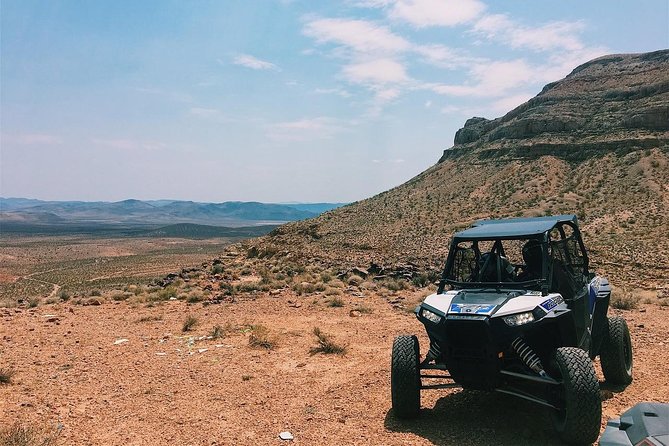
After the Mojave Desert segment, you shift to Sandy Valley for about 1 hour. This is the stop that changes the visual mood. Expect wide desert scenes with Joshua trees and stunning rock formations, plus that classic Mojave contrast of pale sand and darker ground.
Why I like this stop: it gives your brain a chance to reset. The first segment is all about getting your driving rhythm and getting used to how the RZR handles on rough terrain. The Sandy Valley time feels like a second act—less about learning and more about letting the views land.
It’s also where you’re likely to feel the difference between being a driver and being a passenger. Passengers may enjoy looking out more and feeling the motion through the seat. Drivers will focus on line choices and timing. Either way, you’ll come away with those “only in the desert” photos.
They return you to base camp after this portion, then you roll back toward the Strip so you can rinse off and get on with your evening.
Snacks, Small Groups, and Why the Company Tone Matters
This tour includes snacks and bottled water, and that’s not just a nicety. After driving over uneven ground for a while, small breaks keep your energy up and your decision-making sharp. One common theme from people who loved the experience is that the team keeps things organized and they handle directions and timing clearly.
Another big value signal: the tour typically runs with a maximum group size around 12. Smaller groups often mean the guide can keep closer eyes on everyone. It also means you’re less likely to get stuck waiting around while other vehicles do their thing.
You’ll also notice the “human factor.” Staff names that show up across experiences include Natalie (often mentioned in the pickup/check-in vibe), along with drivers like Steve, and multiple guides such as Daniel, Scott, and Adrian. People consistently describe the crew as friendly, professional, and attentive—especially about safety.
That matters because for many first-timers, the hardest part isn’t the desert. It’s feeling comfortable enough to drive without worrying. When a team is clear and calm, you can relax and enjoy the ride.
The Dirt Factor: What to Wear and How to Prepare
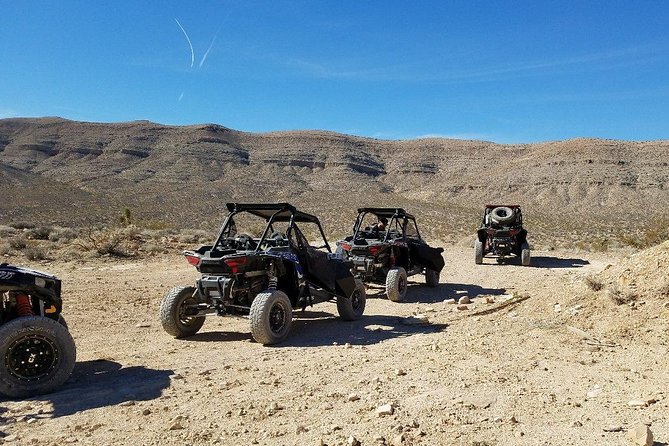
You will get dirty. That’s just how it works with sand and dirt trails. The good news is you can set yourself up to deal with it quickly.
Wear this
- Comfortable UPF clothing if you have it
- Closed-toed shoes (required)
- Long pants and long sleeves are recommended
- Sunscreen and sunglasses help a lot
One practical tip that matters for real comfort: choose clothing that you can move in. You’ll be bracing and shifting in the seat, especially when the trail gets rough.
Expect the after-rinse
A fun but honest detail: when you return to your hotel, give yourself time to clean up. You’ll be dusty. That’s part of the deal. Build it into your evening plans and you’ll enjoy the day more.
If you’re the type who hates feeling grimy, plan a quick shower stop before dinner.
Vehicle Damage Insurance Hold: Don’t Ignore the Credit Card Piece
This is the part people either read carefully or they miss—and then it becomes annoying later.
You’ll need a valid credit card for a 1-day temp hold of $750 (up to $1,500 max) per vehicle. The hold is tied to reduced vehicle damage deductible insurance. They also note you’re financially responsible for any damage to the vehicle or equipment during the tour.
So what should you do?
- Make sure you have a card that can handle a hold.
- Don’t plan to have a maxed-out credit limit.
- Ride within your skill level. If you’re unsure on a line, let the guide’s pace and cues guide you.
The hold itself is not the same as a theft-risk situation, but it’s still a real operational part of the experience. If you’re traveling with limited credit capacity, it’s worth thinking ahead.
Who This Mojave RZR Adventure Fits Best
This is a strong match if you want:
- A guided off-road drive close to Las Vegas
- Morning departure options
- A day that blends adrenaline with clear structure
- A small-group feel and lots of actual riding time
It’s also great for couples and groups because pickup and drop-off help keep everyone on the same timeline, and the tour is built around shared trail time.
Consider another approach if
- You prefer slow, sightseeing-heavy travel with minimal speed
- You have neck problems or issues that can worsen with vibration and bouncing
- You don’t want to deal with a credit card hold
And if you’re coming as a first-timer rider, the training and clear safety setup can make a big difference—just be ready to follow instructions closely.
Should You Book This Mojave Desert RZR Tour?
If you want an active, guided desert day that’s easy to fit into a Vegas schedule, I’d say yes, book it—especially if you’re okay with speed, sand, and the reality of getting dirty.
Choose this tour when convenience matters (pickup, gear, briefing, snacks) and when you want someone else managing the route so you can focus on the experience. If you know you’re sensitive to rough ride conditions or you need slower pacing for comfort, you’ll be happier looking for a different style of off-road outing.
Either way, go in with the right expectations: you’re buying motion, views, and a well-run desert ride—right from the moment you meet the team.
FAQ
Where does the tour depart from?
Pickup is offered from select hotels: Treasure Island (bus depot just west of main valet), Bellagio (south tour lobby), Excalibur (rotunda tour bus lobby), South Point (main valet), and M Resort (spa floor level, west side parking lot to outdoor shuttle pick-up). If you don’t see your hotel listed, you can indicate the hotel you can reach and drop-off will be back at your original hotel.
How far is the meeting area from the Las Vegas Strip?
After pickup, you drive about 30 minutes south to the base area near Jean, Nevada.
How long is the tour?
The tour is approximately 4 hours total.
What are the age requirements?
Drivers must be at least 18 and have a valid driver’s license. Passengers must be at least 12 and be with a parent or guardian.
What should I wear?
Wear comfortable UPF clothing if possible. Closed-toed shoes are required.
What does the tour provide?
You’ll get the guided RZR tour, safety equipment, a vehicle orientation and safety briefing, snacks, bottled water, and all fees and taxes. Full-faced helmets are provided.
Is there a credit card hold?
Yes. You’ll need a valid credit card for a 1-day temp hold of $750 (up to $1,500 maximum) per vehicle for reduced vehicle damage deductible insurance.