REVIEW · GRAND CANYON DAY TRIPS
Grand Canyon Full-Day Whitewater Rafting from Las Vegas
Book on GetYourGuide →Operated by Let's Go Tours · Bookable on GetYourGuide
Whitewater rafting in the Grand Canyon changes the whole picture. You’re not just looking at cliffs—you’re moving through them along the Colorado River with Hualapai guide storytelling tied to the place.
I especially like the way the day splits into two strong halves: a hike start at Travertine Falls (with heritage lessons), then real-time rafting with Class 3 and 5 rapids. One drawback to consider is the effort level and timing: it’s a long 15-hour day, and the day’s “get up early and get moving” vibe is real.
In This Review
- Key things to know before you go
- Two Adventures in One Day: Views Plus Whitewater
- Price and What You’re Actually Getting at $699
- The Long Road: Las Vegas to Kingman, then Peach Springs
- Hualapai-Led Start at Travertine Falls: More Than a Stretch
- Raft Check-In and Safety: Class 3–5 Rapids, Plus Calm Water
- Lunch at Travertine Mineral Spring Waterfalls (and Those Rope Stairs)
- Afternoon Canyon Time: Views and Guide Stories on the Inside
- Who This Tour Fits Best (and Who Should Consider Alternatives)
- Practical Prep: How to Make the Day Feel Easier
- Should You Book This Grand Canyon Rafting Day?
- FAQ
- How long is the Grand Canyon full-day whitewater rafting tour?
- What’s the minimum age to join?
- What level of rapids are included?
- Does the tour include hotel pickup and drop-off?
- What’s included in the price?
- Is the tour in English?
- How big is the group?
- Is there free cancellation?
Key things to know before you go
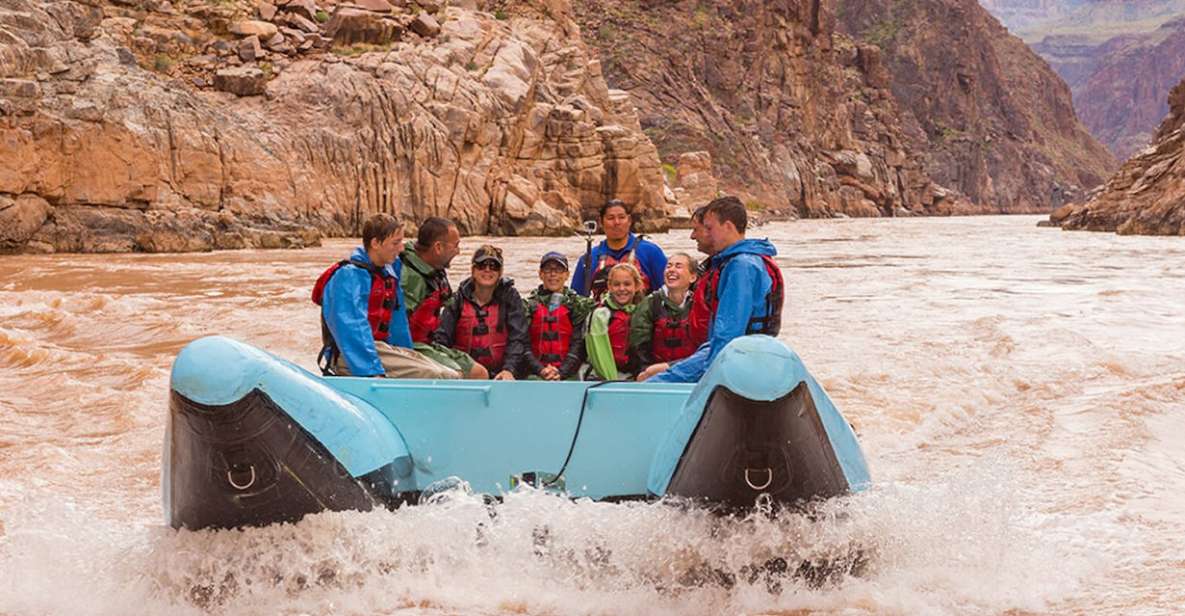
- Class 3 to 5 rapids on the Colorado River, plus calmer stretches for breath and photos
- Travertine Falls start with a Hualapai guide who shares what the canyon means
- Waterfall-area lunch at Travertine Mineral Spring Waterfalls, with a rope stair climb
- Small group size (limited to 14), so you’re not swallowed by crowds
- Hotel pickup and drop-off in Las Vegas, which helps you avoid extra rental-car stress
Two Adventures in One Day: Views Plus Whitewater
This tour works because it doesn’t treat the Grand Canyon like a single photo stop. First, you’re hiking and learning—then you’re in the raft, feeling the river pull you forward. That mix keeps the day from turning into one long bus ride with a quick splash-and-dash.
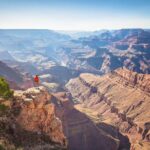
You’ll get the Grand Canyon from the river, which is a completely different scale. From the viewpoints, the canyon can feel like scenery. From the water, it feels like a living corridor—walls close in, the current talks back, and the canyon’s size lands in your body, not just your camera.
And you’ll have a guide who connects the natural features to the Hualapai Nation. That matters because it adds meaning beyond the usual “cool rocks” factor. You’re still there for the adrenaline, but the story gives the whole run a stronger emotional frame.
You can also read our reviews of more tours and experiences in Las Vegas

Price and What You’re Actually Getting at $699
At $699 per person, this isn’t a casual add-on. You’re paying for a full-day production: transportation from most Las Vegas hotels, a small group limit, safety gear, an experienced guide, and lunch included.
Where the value shows up is in what you don’t have to coordinate yourself. Driving to the right base area, timing a raft check-in, arranging proper gear, and eating somewhere that works for the schedule would be a headache. Here, the day is built as one system.
One more value factor: the tour is long enough to deliver both motion and context. You’re not just getting wet and leaving; you also get afternoon time for canyon views and additional Colorado and Hualapai history from your guide. If you want a “Grand Canyon day that actually happens,” the price starts to make more sense.
The Long Road: Las Vegas to Kingman, then Peach Springs
The day starts with a big on-the-road chunk. You’ll be picked up from most Las Vegas hotels, then driven from Las Vegas to Kingman, Arizona, with a stop for a light breakfast. After that, you head to Peach Springs, Arizona, where you’ll do rafting check-in before continuing by bus to the base of the Grand Canyon.
This is the trade-off. You’re spending most of the day in transit and on the water-adjacent schedule, not strolling through the canyon on your own pace. The upside is that the logistics are handled, and you can focus on reading along with your guide and watching the scenery change as you move toward the river.
A practical tip: use the drive time well. Bring something that keeps you comfortable for a long sitting block—because once you’re on the river, you’ll be far too busy (and likely wet) to think about snacks or comfort.
Hualapai-Led Start at Travertine Falls: More Than a Stretch
Before the raft even hits the water, you’ll hike up to Travertine Falls with your Hualapai guide. This part matters because it sets the tone: the canyon isn’t only about the big moment on the raft; you’re meeting it at the ground level first.
Your guide also teaches about Hualapai Nation history, connected to the land and the waterfall area you’re walking toward. Even if you’re not the type who loves lectures, this works better than a traditional talk because you’re learning while moving through the terrain.
One thing to consider: it’s a start-hike. The tour includes hiking and a later rope stair climb during lunch, so you’ll want a mindset that you’re doing more than just “sitting on a boat.” If you’re prone to fatigue early, plan for slow and steady pacing.
Raft Check-In and Safety: Class 3–5 Rapids, Plus Calm Water
Once you reach the rafting area, you’ll get safety instructions, a life vest, and your assigned raft number. Then it’s out onto the Colorado River.
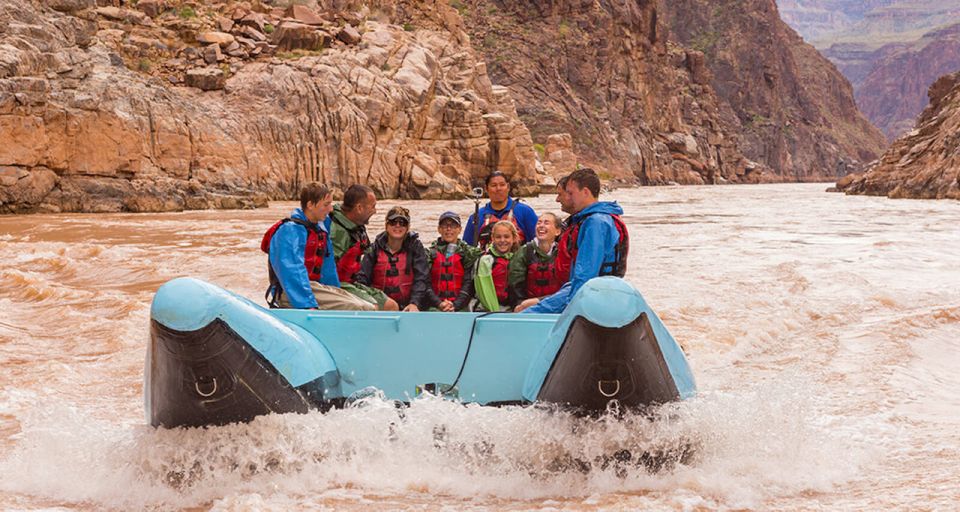
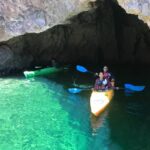
Here’s the key expectation to hold in your mind: the run includes smooth water and Class 3 and 5 rapids. That means you’ll have stretches to catch your breath and look around, but the “main event” comes with real power behind it.
What you’ll likely feel first is that getting wet starts earlier than you think. The river cools you quickly, and that’s part of the fun—just don’t treat it like a casual splash. The rapids have the kind of force that makes you pay attention to your body position and what your guide cues.
For me, the most important thing is mental prep. If you show up thinking this is a calm sightseeing float, you’ll be surprised. If you show up understanding it’s a whitewater adventure with some dramatic moments, the whole day clicks into place.




Lunch at Travertine Mineral Spring Waterfalls (and Those Rope Stairs)
Midday includes lunch along the river at Travertine Mineral Spring Waterfalls. You’ll get a deluxe boxed lunch, and you’ll also face a rope stair climb as part of reaching the lunch area.
This stop is valuable in two ways. First, you get fuel at the point where you’ll have used energy—after rafting time, not before. Second, the setting is tied to the tour’s natural theme, so it feels like part of the canyon story instead of a generic rest stop.
The possible drawback here is the rope stair climb. The tour is listed as wheelchair accessible overall, but that doesn’t mean every stair segment is comfortable for everyone. If you’re mobility-limited, it’s worth asking what route options are used for you directly with the provider before you go, so you’re not surprised on arrival.
Also, because you’re coming off water time, plan for wet clothes and temperature swings. Your “dry comfort” will probably come from changing when you can—not from expecting a dry environment.
Afternoon Canyon Time: Views and Guide Stories on the Inside
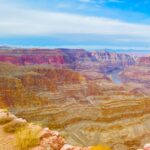
After lunch, the schedule shifts toward canyon immersion—this is the part where you’re seeing fantastic views inside the Grand Canyon while hearing more from your guide.
You’ll learn about the Colorado’s history and also hear additional context about the Hualapai from your Hualapai guide. The goal here isn’t just to “add facts.” It’s to help you read the canyon while you’re actually seeing it. Once you’ve watched the river carve and widen, the geology and human story connect more naturally.
This afternoon segment tends to feel less like “work” and more like payoff. You’ve already done the physical effort and the whitewater intensity, so the views can land without fighting fatigue.
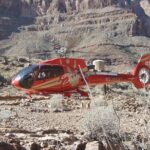
One more note that’s worth planning around: some older descriptions may mention a helicopter flight, but on this trip it is not part of the experience. If you were hoping for that kind of aerial add-on, this is not the tour that provides it.
Who This Tour Fits Best (and Who Should Consider Alternatives)
This is a strong choice if you want a Grand Canyon day that’s active and memorable, not just observational. You’ll enjoy it most if you’re comfortable with:
- a long day (it runs about 15 hours)
- early wake-up energy
- wearing a life vest and taking instructions seriously
- getting wet and staying flexible with comfort
It’s also a good fit if you like cultural context delivered through a guide who lives the story you’re hearing. The Hualapai-led component gives you something richer than standard “here’s what you’re looking at” commentary.
Who might think twice? If you’re looking for a relaxed, low-effort sightseeing day, this won’t match your mood. The hike at the start and the rope stair climb during lunch add physical demands, and the river portion is real whitewater, not a gentle float.
Practical Prep: How to Make the Day Feel Easier
You can’t erase the fact that this is a long, active day. But you can reduce stress by planning for the realities that the itinerary itself sets up.
First, expect water. Even though you’ll have smooth stretches, the rapids portion is designed to be exhilarating, and the river cools quickly. Bring or plan for a change of clothes for afterward, and keep anything you don’t want wet packed so you can forget about it during the fun.
Second, treat footwear like a priority. You’ll hike and climb stairs (including rope stairs at lunch), so you want something you can trust on uneven terrain and wet surfaces.
Third, keep your energy steady. Lunch is included, but you’ll still benefit from arriving with a mindset that the day will be physically demanding. Hydrate when you can during the drive windows, and don’t rely on grabbing everything at the last second.
Finally, lean into the guide experience. A lot of the quality here comes from how the stories connect to what you’re seeing—so ask questions when you can and listen during the briefing and afternoon narration.
Should You Book This Grand Canyon Rafting Day?
If your dream Grand Canyon day includes whitewater rapids, real time on the river, and a guide-led cultural and natural story, then yes, this is the kind of tour worth choosing. The small group size (up to 14) and hotel pickup reduce friction, and the included lunch and safety gear mean you spend money where it matters and time where it counts.
I’d skip it if you want a gentle day with minimal physical effort, or if you’re hoping for an aerial component like a helicopter flight. This one is built around the river experience, not the sky.
And one last decision helper: if you can handle a long 15-hour schedule and you’re excited by rapids in the Class 3 to 5 range, you’ll likely feel like this is good value—not because it’s cheap, but because it delivers a lot of the right things in one shot.
FAQ
How long is the Grand Canyon full-day whitewater rafting tour?
It runs for about 15 hours, and starting times vary based on availability.
What’s the minimum age to join?
You must be at least 8 years old.
What level of rapids are included?
The rafting includes smooth water plus rapids rated Class 3 and 5.
Does the tour include hotel pickup and drop-off?
Yes. Pickup and drop-off are included from most Las Vegas hotels.
What’s included in the price?
It includes whitewater rafting, safety gear, an experienced guide, and lunch.
Is the tour in English?
Yes, the live tour guide speaks English.
How big is the group?
It’s a small group, limited to 14 participants.
Is there free cancellation?
Yes. You can cancel up to 14 days in advance for a full refund.