REVIEW · DEATH VALLEY TOURS
From Las Vegas: Death Valley Guided Day Tour
Book on GetYourGuide →Operated by Mojave Wave LLC · Bookable on GetYourGuide
Death Valley starts before most of us wake. This guided day tour packs Desert extremes into one long, well-run outing, with hotel pickup, a real guide, and stops that go from Wild West ghost towns to below-sea-level basins. I like that the experience is built around the park’s big contrasts, not just a quick drive-by.
Two things I really like: the small group size (limited to 12) keeps the pace friendly and the views less crowded, and the guides bring the sights to life. In particular, I’ve seen how guides like Jason and Brian stay upbeat, share lots of practical history, and keep everyone moving safely from stop to stop.
One consideration: you’re signing up for a very early pickup, often around 2:20–2:30am on certain departures, and the heat is still real later in the day. If you’re low on stamina or you’re dealing with medical limits like back or heart issues, this trip may not be a good fit.
In This Review
- Key moments that make this tour worth it
- Why the sunrise-style start matters in Death Valley
- Hotel pickup to ghost-town gold at Rhyolite
- Entering Death Valley: the big “how low can you go” feeling
- Mesquite Flat Sand Dunes: walking where the light changes fast
- Artist’s Palette: color you can actually trust
- Furnace Creek Visitor Center and the heat focus
- Highest and lowest paved viewpoints in one day
- Lunch and energy breaks without losing the day
- A day tour that still feels personal: guides, safety, and pacing
- Who should book this Death Valley guided day trip
- Price and value: what you get for $199
- What to bring (and what to avoid) for a smoother day
- Should you book this Las Vegas to Death Valley guided day tour?
- FAQ
- How long is the Death Valley guided day tour from Las Vegas?
- What is included in the tour price?
- Is food included besides the breakfast buffet?
- What time will I be picked up in Las Vegas?
- How large is the group?
- Is the tour wheelchair accessible?
Key moments that make this tour worth it
- Rhyolite ghost town stop tied to the 1904 gold rush story
- Mesquite Flat Sand Dunes with time to walk and take photos in real desert light
- Artist’s Palette for colorful mineral views inside the park
- Furnace Creek Visitor Center plus the area tied to the highest recorded temperature
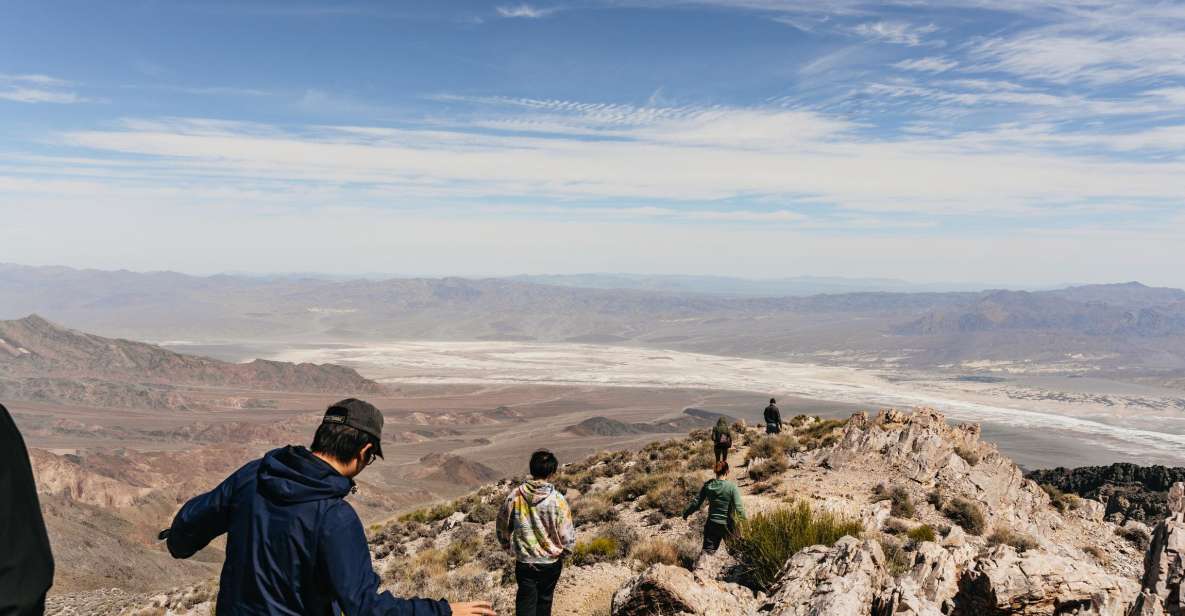
- Highest and lowest paved viewpoints in one day for a dramatic elevation swing
Why the sunrise-style start matters in Death Valley
Death Valley punishes bad planning. Heat, glare, and long distances can turn a dream trip into a slog fast. This tour handles that with an early departure from Las Vegas, so you can hit key sights while conditions are more manageable than later midday.
You’ll be picked up from Las Vegas Strip and Downtown hotels, with service as far south as the Silverton Hotel. The company confirms the exact pickup time and location by 9:00pm the day before, which helps you plan your night without guessing. From there, your guide leads the day with a steady rhythm: drive, short walks, photo stops, and frequent chances to cool off.
The small group size (max 12) also changes the feel. You’re not wrestling for window seats or waiting endlessly at pullouts. In the best moments, you get time to look closely at the terrain, then move on before the area gets too swarmed.
You can also read our reviews of more guided tours in Las Vegas

Hotel pickup to ghost-town gold at Rhyolite
The day starts as a logistics win. You don’t have to rent, navigate, or plot a route through one of America’s most remote parks. Instead, you meet your guide, settle in, and let someone else handle the driving and timing.
One of the first major story stops is Rhyolite, a Wild West-era ghost town. It’s tied to the 1904 boom when gold was found, which explains why this place went from hopeful boom to quiet emptiness. Even if you only know the basics about Death Valley, Rhyolite is a useful contrast: this region wasn’t always just about survival and silence. For a few brief years, people believed the desert could pay off big.
What I like about including Rhyolite is that it gives you context. When later you’re standing in salt flats and sand dunes, it helps to remember the same broad area once pulled crowds with dreams of fortune. Your guide’s job here is simple but important: connect the scenery to the human story, so you’re not just collecting photos.
Entering Death Valley: the big “how low can you go” feeling
Once you’re inside Death Valley, you’re not just seeing one “thing.” You’re seeing the planet in different moods. The tour is designed around the park’s extremes: mountainous terrain, areas below sea level, salt flats, slot canyon scenery, and those signature viewpoints that feel unreal even after you’ve read about them.
A practical benefit of having a guide is that the drive between stops usually becomes part of the experience. Your guide points out what you’re looking at and why it matters. That matters in Death Valley because the details can be subtle from the road: the angle of a slope, the color changes in exposed rock, or the way the valley floor sits far lower than you expect.
If you’re prone to getting bored on long drives, this is the part where the tour can keep you engaged. Many people come to Death Valley expecting heat and sand. The reality is more varied, and a guide helps you notice it.
Mesquite Flat Sand Dunes: walking where the light changes fast
The Mesquite Flat Sand Dunes stop is one of the park’s classic “slow down and look” moments. From the vehicle, dunes can look like just another wide sandy patch. Up close, you realize they’re shaped by wind patterns and time, and the surface shifts in color as the sun angle changes.
You’ll trek through the dunes, which is a big part of why this tour feels worth the price. Watching dunes from a distance is okay. Walking out onto them is different. You can see how the texture catches light and how the dune ridges create natural lines for photos.
Practical tip: wear comfortable shoes you’re okay getting dusty. The tour rules say no bare feet, and you’ll want footwear that handles sand without slipping. Even if the hike feels short, sand makes everything a bit more tiring than you expect.
Artist’s Palette: color you can actually trust
Right after or alongside the dune time, the tour includes Artist’s Palette. This is one of those views where the color is the story. In a place this harsh, you notice the terrain’s beauty more sharply, because the contrast is so strong.
What makes this stop work on a guided day tour is timing and interpretation. You get a chance to stand in the right spots, look across mineral layers, and understand what you’re seeing. Without a guide, it can feel like you’re just staring at a colorful hillside and hoping it’s significant.
With the guide, it becomes more like a lesson in how nature paints the desert.



Furnace Creek Visitor Center and the heat focus
Then comes the centerpiece area: Furnace Creek, in the heart of Death Valley. The tour is built around this region for one reason: it’s where the record-setting temperatures were observed, and it’s one of the most important hubs for understanding the park.
At the Furnace Creek Visitor Center, you’ll get a stronger sense of how extreme this desert really is and why the valley earns the reputation it has. You’re also tying your earlier low-elevation viewpoints and dune time to the bigger picture of heat, dryness, and how the valley’s geography shapes conditions.
This is also where planning for comfort matters. Even if you’re starting early, you’re spending time in open desert, often under bright sun. Your tour includes bottled water, and guides typically encourage you to drink often. In the feedback I’ve seen from guides like Jason, water service isn’t treated like an afterthought, which is exactly how it should be.
Highest and lowest paved viewpoints in one day
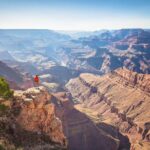
One of the tour’s headline promises is that you’ll see both the park’s highest and lowest paved viewpoints. That’s a big deal because the elevation swing changes what you can see and how the terrain behaves.
Think about the payoff: you’re not just driving through one flat area. You’re moving between dramatic elevations, which gives you a better feel for Death Valley as a whole system. It’s the difference between seeing the park like a single photo and understanding it like a set of connected places.
Even better, the viewpoint stops are guided so you know where to stand and when. That’s useful because in Death Valley, the exact “good angle” often matters more than you’d expect.
Lunch and energy breaks without losing the day
A long day in Death Valley needs rhythm. The tour includes a sit-down breakfast buffet (and it notes there may be a sit-down lunch as well, depending on availability). Either way, the goal is the same: give you enough fuel to last the full 12-hour stretch.
Food isn’t listed as included beyond what’s stated above, so plan to rely on the provided meal(s) and your own snacks only if you choose to bring them in advance. The tour rules say food isn’t included, but the company does include the breakfast buffet and provides bottled water.
Also, this kind of day has two separate needs: energy and hydration. You’ll cover ground, walk in sand, and spend a lot of time under sun. The water stops and guide reminders help you pace yourself rather than powering through until you feel wrecked.
A day tour that still feels personal: guides, safety, and pacing
The tour provider runs with the kind of day-trip focus that matters in a big desert. In the feedback, guides like Jason and Brian are praised for being fun, reliable, and genuinely engaged. That shows up in small things: staying on schedule, taking the safe route through sharp turns and pullouts, and sharing history without turning the day into a lecture.
Small group also helps with pacing. With only a dozen people, it’s easier to keep the group together and adjust the flow if someone needs extra time at a viewpoint. The tour structure is meant to cover the big hits, but you still get brief windows to look and photograph without feeling rushed every second.
And yes, the early start can feel extreme. One of the most memorable parts described in the feedback is that with very early departures, you may catch sunrise and the light can change enough to feel like you’re seeing more than one version of the same valley. Even if sunrise timing varies slightly by season and schedule, the early departure is clearly intended to give you softer light and fewer crowds.
Who should book this Death Valley guided day trip
This tour is a strong fit if you want a guided, low-stress way to experience multiple Death Valley highlights in one day. It’s especially good for:
- First-timers who want Rhyolite + sand dunes + signature viewpoints without planning a route
- People who like history tied to scenery, not just facts pinned to a map
- Travelers who want the convenience of hotel pickup and drop-off in Las Vegas
- Anyone who values a small group rather than a big bus crowd
It may be a poor fit if you need frequent medical breaks or you’re limited by health conditions. The tour is not suitable for pregnant women and it also isn’t recommended for people with back problems, heart problems, low fitness, or if you’re currently dealing with a cold or pre-existing medical conditions.
Price and value: what you get for $199
At $199 per person, this isn’t a budget “drive yourself and hope” plan. You’re paying for convenience, interpretation, and the infrastructure that makes a full-day park tour actually work.
Here’s what’s included:
- Hotel pickup and drop-off
- Death Valley entrance fees
- Breakfast buffet
- Bottled water
- A live English guide
That package matters. Entrance fees and the guide role add real value because Death Valley isn’t the kind of place where every landmark is obvious. You’re also saving the time and hassle of organizing transport, timing, and parking decisions on your own.
If you’re comparing costs, be sure to factor in the real tradeoff: with self-driving, you might pay less on paper, but you’ll spend more energy on navigation and you’ll likely lose the story context that makes the park feel personal.
In short: the price is about buying a smooth experience in a place where rough planning can ruin your day. Given the small group limit and the number of major sights included, the value is there if you’re prepared for an early morning and a long day.
What to bring (and what to avoid) for a smoother day
This is where you can make or break the experience. The tour asks you to bring:
- Comfortable shoes
- Comfortable, weather-appropriate clothing
- An ID card (a copy is accepted)
The rules also tell you what not to bring:
- No luggage or large bags
- No drones
- No smoking in the vehicle
- No intoxication, alcohol, drugs
- No bare feet
- No non-folding wheelchairs (and no electric wheelchairs)
Also, keep your later-evening plans flexible. The tour notes it’s not recommended to book shows or dinner right after, since schedule changes can happen. In other words: let the day run long if it needs to.
Should you book this Las Vegas to Death Valley guided day tour?
I’d book it if you want a full, high-contrast Death Valley day with minimal hassle. The combination of a small group, guided stops at major landmarks like Rhyolite and Mesquite Flat Sand Dunes, and the inclusion of entrance fees plus breakfast is a practical win.
Skip it if the early pickup will stress you out, or if you know you’ll struggle with walking in sand and long hours in desert heat. Also pass if you have medical limits listed by the tour as not suitable for this experience.
If you fit the sweet spot, this is the kind of day trip that turns Death Valley from a name you’ve heard into a place you’ll remember.
FAQ
How long is the Death Valley guided day tour from Las Vegas?
The tour runs for 12 hours.
What is included in the tour price?
The tour includes hotel pickup and drop-off, Death Valley entrance fees, a breakfast buffet, bottled water, and a live English guide.
Is food included besides the breakfast buffet?
Food is not generally included, but the tour info notes there may be a sit-down lunch or a sit-down breakfast buffet depending on availability.
What time will I be picked up in Las Vegas?
Pickup times vary. The exact pickup time and location are confirmed by 9:00 PM the day before.
How large is the group?
The group is limited to 12 participants.
Is the tour wheelchair accessible?
Yes, the tour is wheelchair accessible, but it also lists restrictions such as no non-folding wheelchairs.