REVIEW · 2-DAY EXPERIENCES
2-Day Upper Antelope Canyon and Grand Canyon National Park Tour
Book on Viator →Operated by TakeYourTrip · Bookable on Viator
Two canyons, one perfect light schedule. This 2-day Southwest run from Las Vegas is built for photo timing, with an afternoon slot at the Grand Canyon South Rim, then a morning-focused stop at Horseshoe Bend the next day. You also get an overnight stay, so you’re not doing the whole thing as a pure long-day drive-and-stare.
I like that the schedule packs real variety without feeling rushed: canyon overlooks, a Colorado River showstopper, and the famous tunnel-like walls of Upper Antelope Canyon. I also love the practical side—pickup from select spots around the Strip and the fact that key park admissions are included, so you’re not scrambling at ticket booths.
One big consideration: the tour has a strict no-suitcase rule. Bring a small bag you can carry into the sights, and plan to store any suitcase at your hotel or at the operator’s office in Las Vegas.
In This Review
- Key highlights worth your attention
- Price and Logistics: what $719 really buys you
- Las Vegas pickup, the coach ride, and the pacing you should expect
- Route 66 stop: a quick palate cleanser on the way out
- Grand Canyon South Rim: two hours to feel the scale
- Horseshoe Bend at morning light: the Colorado River drop that hits
- Upper Antelope Canyon with Carolene Ekis: more than a photo corridor
- What to wear, what to bring, and how to avoid the desert “oops”
- Is this tour worth it for you? Who it suits best
- My call: should you book the 2-Day Antelope and Grand Canyon combo?
Key highlights worth your attention
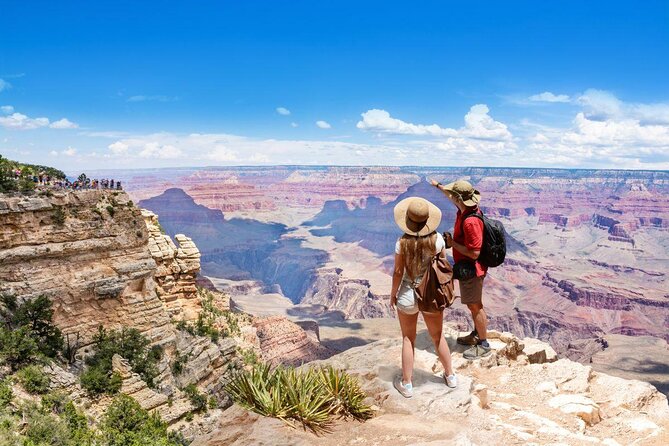
- Afternoon light at the South Rim: you get the Grand Canyon when the sun is lower and the colors change fast
- Overnight hotel + breakfast: you sleep close to the route, then start Day 2 with food in your stomach
- Horseshoe Bend at Colorado River sunrise light: timing is set for better photos than late-day glare
- Upper Antelope Canyon with Navajo guidance: you’re not just walking the corridor; you hear cultural stories along the way
- 4×4 access for Antelope Canyon: easier logistics than trying to manage everything on your own
- Smallish group size (up to 50): big enough for energy, not so huge you vanish into the crowd
Price and Logistics: what $719 really buys you
At $719 per person, this isn’t a budget day trip. What you’re paying for is the full package: guided transportation by a full-size coach, an overnight hotel room, breakfast, and admissions for both Grand Canyon South Rim and Upper Antelope Canyon. When you compare that to buying transportation + lodging + park entry separately, the price starts to make more sense—especially because admissions are already baked in.
Still, a few costs can surprise you if you forget to plan ahead. Meals other than breakfast aren’t included, and there’s a service fee for the tour guide (minimum USD 30 per person). Also, you’ll want to bring a snack or two for the long stretches between stops—nothing fancy, just the kind of thing that keeps you comfortable while the bus is cruising.
Logistics are mostly smooth: you start at 7:00 am, and pickup is offered from select hotels around the Las Vegas Strip and nearby areas. The tour runs with a maximum of 50 people, and it requires a minimum of 4 guests to operate, so availability can matter. Confirmation comes within 48 hours of booking, depending on availability.
Then there’s the luggage rule. For security requirements, no suitcase of any size is allowed on the tour. You’ll need to store it at your hotel or at the tour operator’s office in Las Vegas, and you can bring personal items like a small handbag or purse. It’s one of those details that seems minor—until you’re standing there at pickup with a rolling suitcase.
You can also read our reviews of more tours and experiences in Las Vegas
Las Vegas pickup, the coach ride, and the pacing you should expect
This tour is built around driving time, and you should expect a real road day. The drive from Las Vegas to the South Rim of the Grand Canyon is about 4 hours, and then it’s roughly 2.5 hours from the Grand Canyon to Antelope Canyon. That’s part of the deal: you’re not seeing these places with a short, casual commute. You’re seeing them because the route is efficient and the stops are timed for best light.
You’ll travel by a full-size coach, which usually means comfort is decent for long hours, but you’ll also want to come prepared. Sunglasses, water, and layers matter because the desert can shift temperature quickly—especially if the morning feels cool when you start early.
The best way to enjoy this pacing is to treat it like a “route day” rather than a “walk all afternoon” day. The tour gives you time at each highlight, but the time is strategically placed: enough to get photos and a decent feel for the place, not enough for you to wander for hours at your own pace.
Route 66 stop: a quick palate cleanser on the way out
Before the Grand Canyon, you’ll make a short stop along Route 66. It’s about a 20-minute break, and that’s all it really is: a chance to get your bearings, stretch your legs, and snap a few photos before the big-hitters start.
Why this works: after an early start, a brief waypoint helps you reset before the long Grand Canyon viewing block. It’s also a nice reminder that you’re on a classic Southwest road trip, not just moving between attractions like checkmarks.
Grand Canyon South Rim: two hours to feel the scale
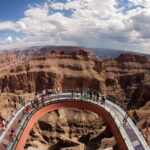
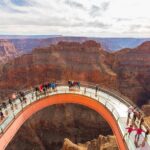
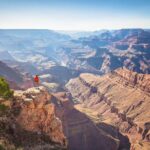
You get the Grand Canyon South Rim with admission included, and the time on-site is about 2 hours. That’s a sweet spot for first-timers. You won’t see every viewpoint in the park, but you’ll get enough time to understand what makes the South Rim so compelling: huge distances, layered rock bands, and constantly shifting light as the day moves.
This stop is scheduled for afternoon sun. That matters more than people think. The canyon changes as brightness and shadows shift, and you’re more likely to catch varied tones—especially if you stay near viewpoints and don’t rush to just one overlook.
A practical note: optional activities are available at additional cost. The tour itself focuses on the core experience—views, timing, and time to roam the rim area—so if you want extras, you’ll need to plan those based on what’s offered and how your schedule allows.
Wear shoes you can walk in. Even a “simple” rim stroll can cover more ground than you expect, and you’ll want steady footing on paths and lookouts.
Horseshoe Bend at morning light: the Colorado River drop that hits
After breakfast, you head to Horseshoe Bend near Page, Arizona. The stop is about 50 minutes. That might sound short, but it lines up well with how the visit actually works: you’re going to walk from the parking area to the overlook and then spend time photographing the bend.
The height difference is dramatic—about 4,200 feet (1,300 m) at the overlook and 3,200 feet (980 m) at the river, meaning a roughly 1,000-foot drop. You feel that vertical drama instantly when you stand at the viewpoint, because the curve of the river looks like a clean slice through the rock.
Timing here is the big win. The tour is set so you’re there with morning light, which usually means more even illumination and fewer harsh glare moments than late-day sun. If you care about photos, this is one of the most important elements of the trip.
Expect a hike: the walk to the overlook is about 1.5 miles round trip. It’s not a technical hike, but it’s still real walking. Bring water, keep an eye on the ground, and plan to move at a comfortable pace. This is one of those places where taking photos slows you down, and that’s okay—you’ve got enough time to do it.
Upper Antelope Canyon with Carolene Ekis: more than a photo corridor
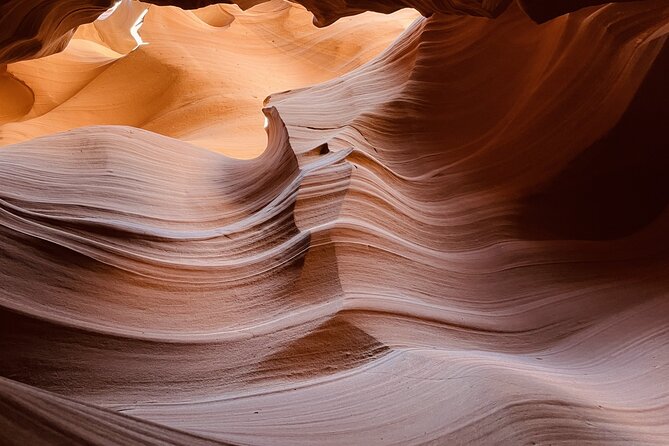
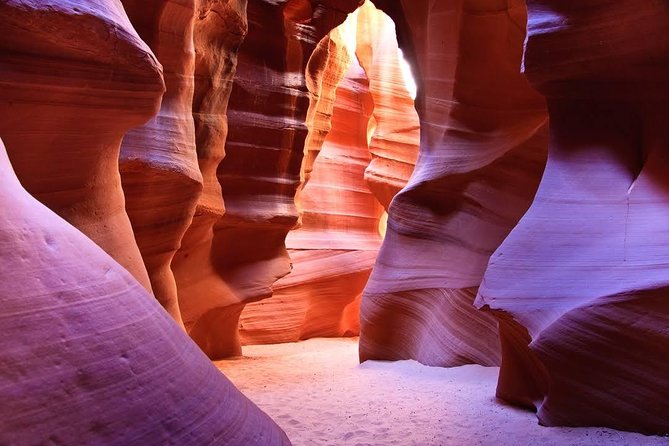
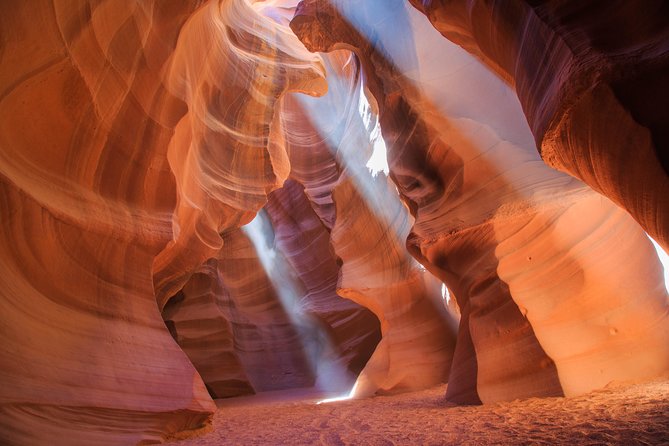
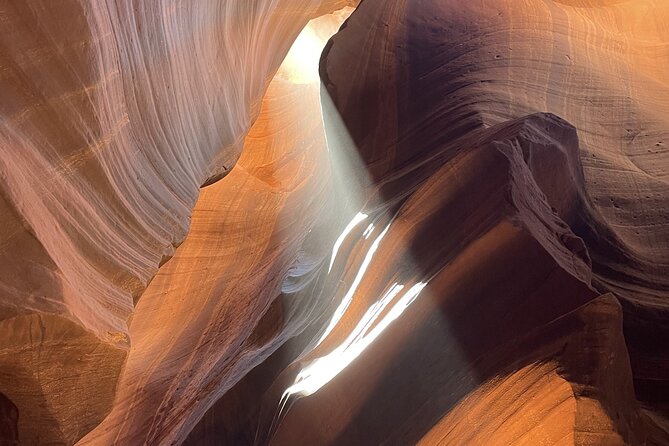
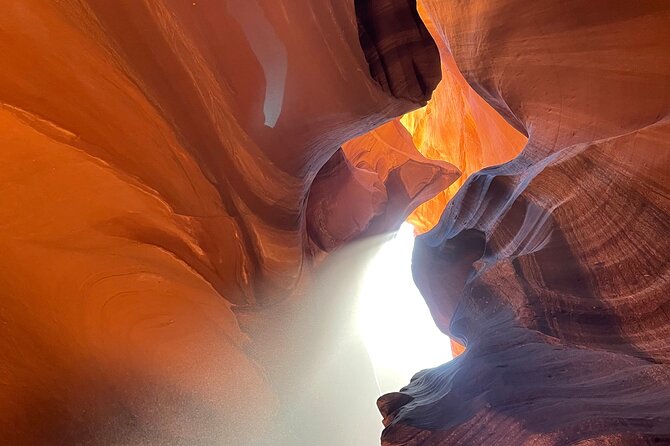
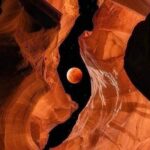
Upper Antelope Canyon is the star if your goal is images that look almost unreal. This tour takes you into the canyon on an easy journey with a Navajo guide, and you travel by 4×4 truck to access the area. That’s one of those logistics choices that pays off: you’re not trying to DIY the last-mile access and timing by yourself.
The guided experience is led by Carolene Ekis for this portion of the tour. Having a guide matters here because the canyon isn’t just visual; you also hear stories and cultural context while you’re walking the route. If you’re the type who likes understanding what you’re seeing, this part is built for that.
The canyon walk is about 1/4 mile on easy terrain. So yes, it’s accessible in terms of effort, but there’s a key comfort constraint: there are no restrooms at the canyon. Use the restroom before you go in, and then plan to go hands-free for the duration of the visit.
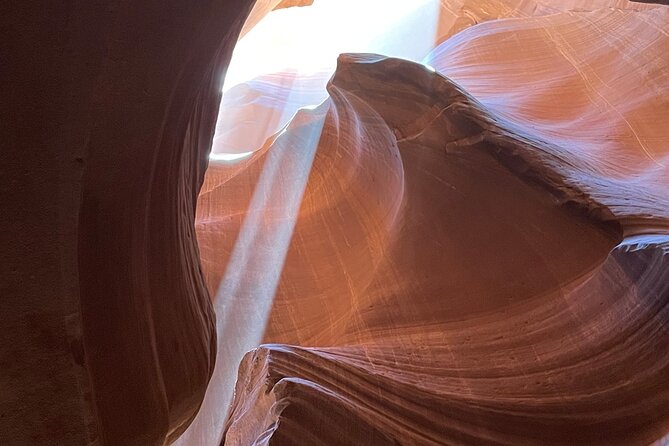
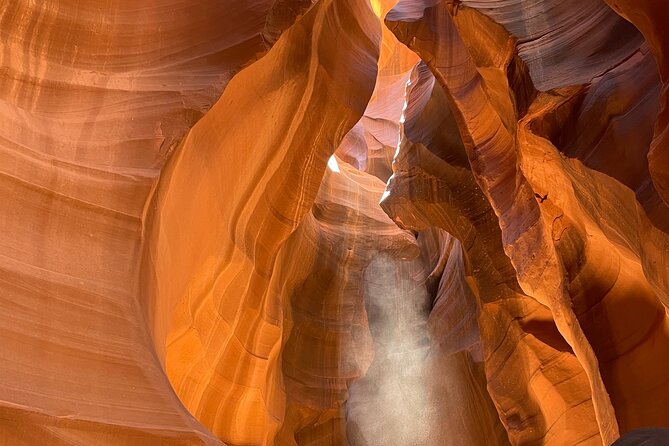
Photography is the reason Antelope Canyon is so famous. Upper Antelope Canyon has an A-shape, and the iconic light beams depend on the time of day. Your tour timing helps, but it also means you should be okay with some natural variability. You’re seeing a living lighting system created by narrow openings and moving sun—not a controlled studio set.
What to wear, what to bring, and how to avoid the desert “oops”
The tour is outdoors in desert conditions, so your clothing choices can make or break the experience. Hiking or athletic shoes are recommended. If you’re going in cooler months (October through February), long pants and a warm jacket are appropriate. In warmer months (March through September), shorts, a light shirt, and a hat make more sense.
For what to bring:
- Camera ready for bright scenes and shadows
- Hat, sunglasses, and sunscreen
- Bottled water and a snack if you want one between meals
- A small bag only (because suitcase-style luggage isn’t allowed)
- A change of clothing for the overnight
You’ll get breakfast included, but other meals aren’t. That means you’re smart to pack simple snacks. It keeps you from turning cranky when the bus is on the road and you’re hungry.
Also, don’t show up assuming you can keep everything in a huge bag. You can only bring a small personal bag into the canyon. Plan to fit your essentials in a purse or small bag that closes and stays manageable.
Is this tour worth it for you? Who it suits best
This tour is a good fit if you want a guided, efficient route from Las Vegas to three iconic Southwest sites without having to rent a car, map driving times, or assemble park-entry plans on your own. It’s also a strong choice if photography is a real goal. The day timing—afternoon at the South Rim, morning light at Horseshoe Bend—is the kind of planning that makes photos look better and keeps the schedule from feeling random.
It can feel less ideal if you:
- Hate early starts (7:00 am is non-negotiable)
- Need a lot of free time to wander without a group schedule
- Rely on bringing a large suitcase and don’t want to deal with storing it
If you’re traveling as a couple or small group, the overnight is straightforward: one room is tied to one booking and can accommodate up to 4 people. If you need more rooms, you’ll need separate bookings.
One more reality check: this tour requires good weather. If conditions are poor, the experience can be canceled and you’ll be offered a different date or a full refund. That’s not unusual for canyon areas, but it’s worth keeping in mind if your trip window is inflexible.
My call: should you book the 2-Day Antelope and Grand Canyon combo?
I’d book this tour if you want a guided “greatest hits” route with built-in light timing and you’re okay with a full schedule and early wake-up. The combination is smart: Grand Canyon South Rim gives you scale, Horseshoe Bend gives you the dramatic river curve, and Upper Antelope Canyon delivers the tight, sculpted photo corridor with Navajo storytelling and 4×4 access.
Skip it—or at least think twice—if you’re traveling with a big suitcase you don’t want to store, if you prefer very independent pacing, or if you’re not comfortable walking about 1.5 miles round trip at Horseshoe Bend and a short 1/4-mile canyon walk with no restroom at the site.
If you book, do one thing for your future self: pack light, pack snacks, and bring good shoes. That turns this from a “saw it” trip into a “remember it” trip.